
Trucks For Sale in Massachusetts
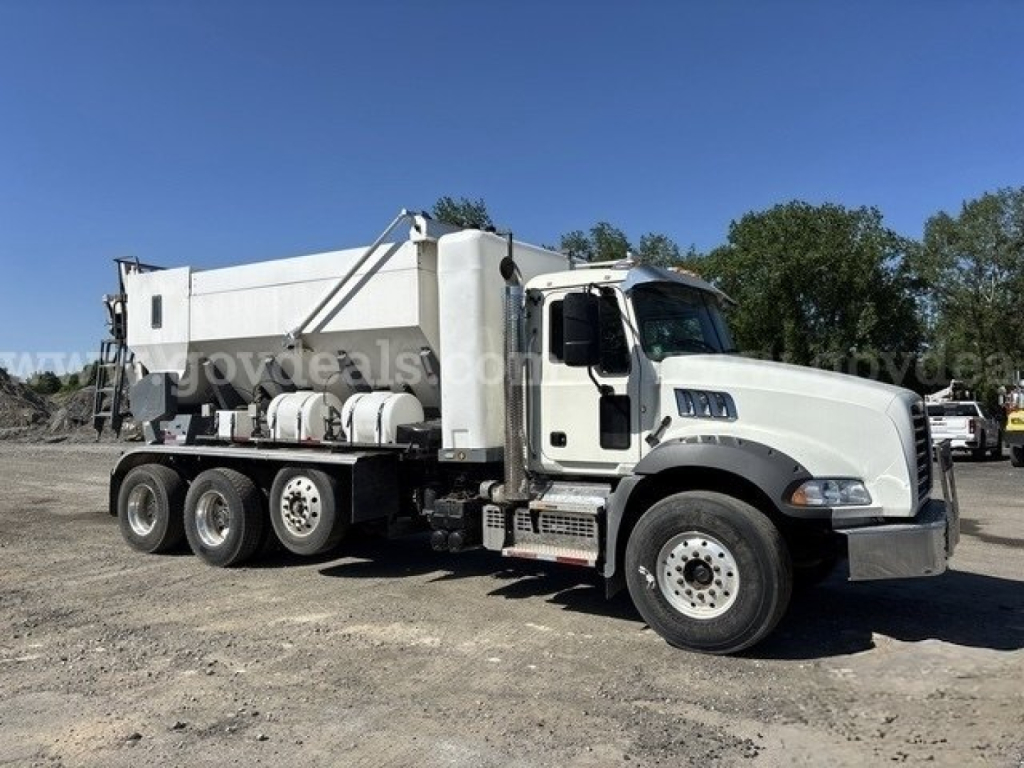
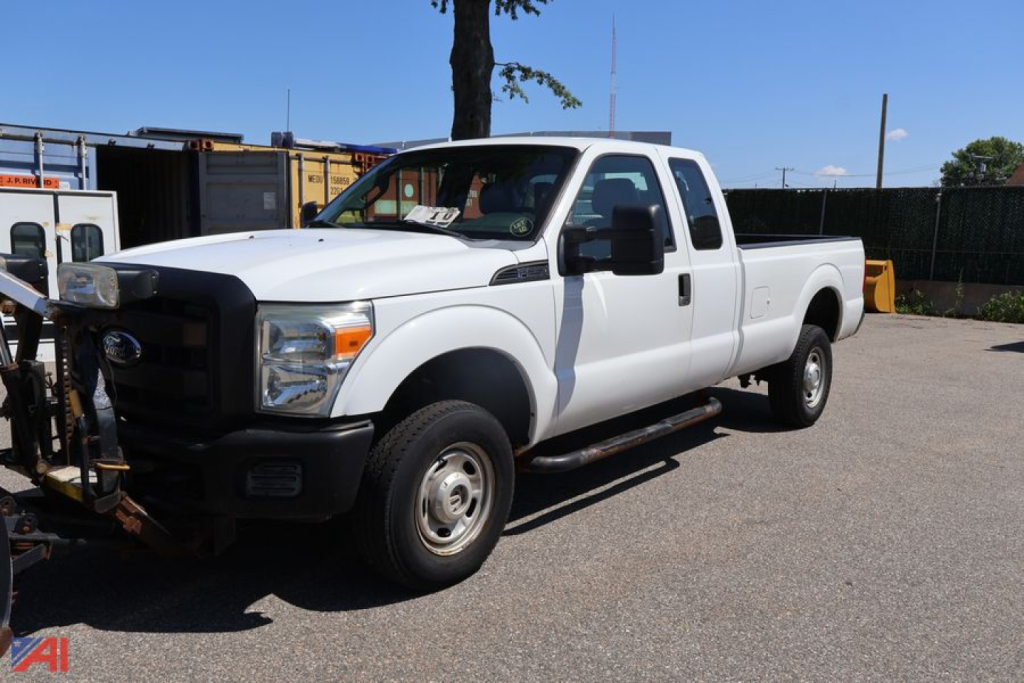
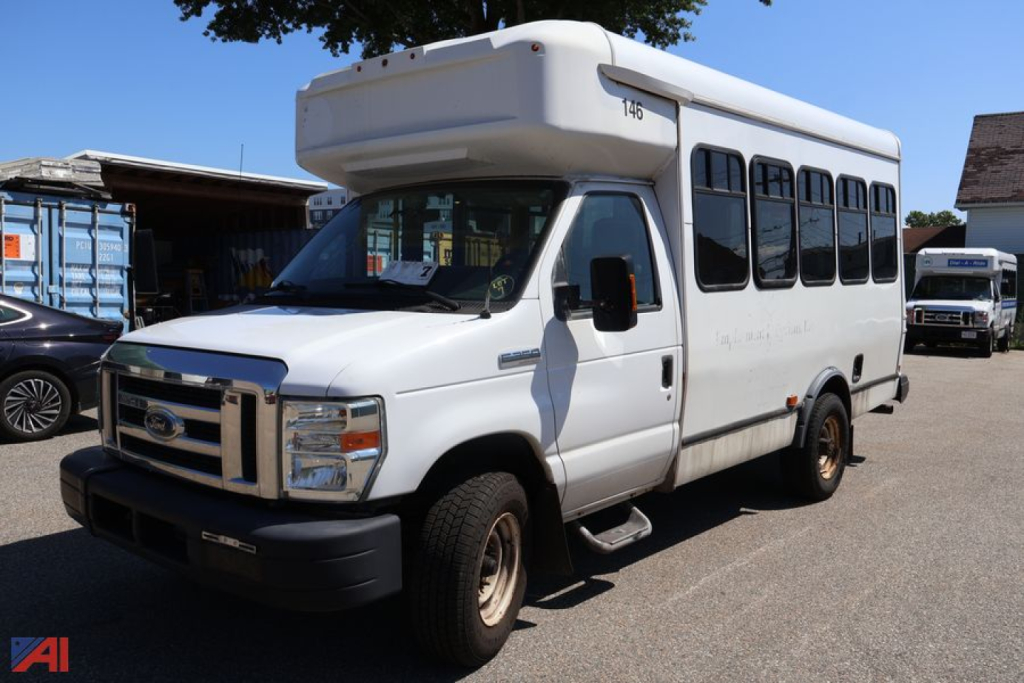
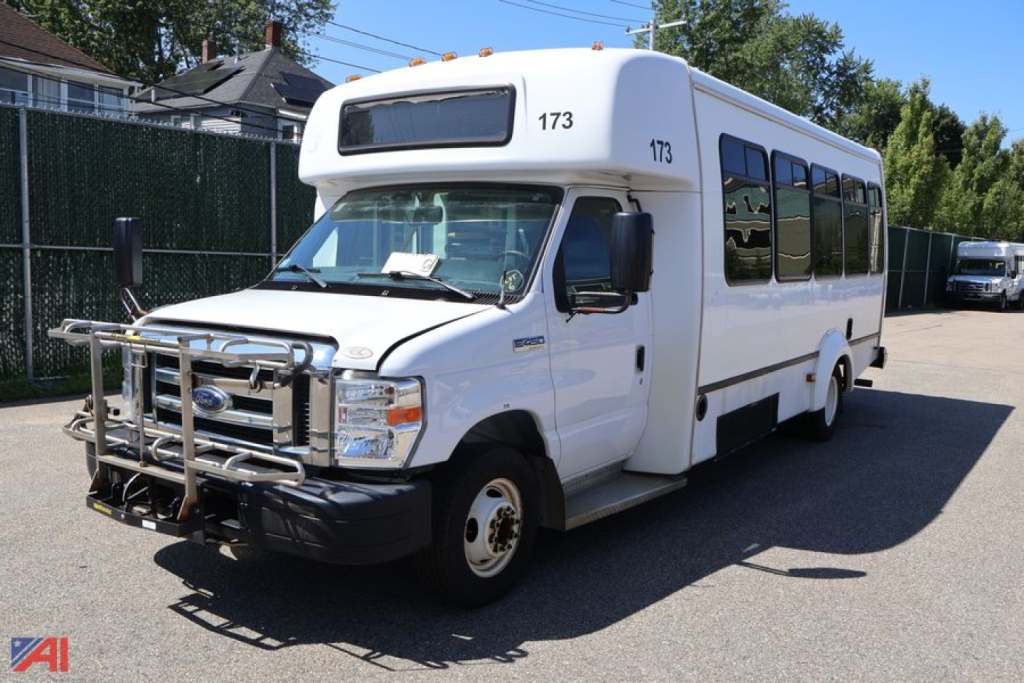
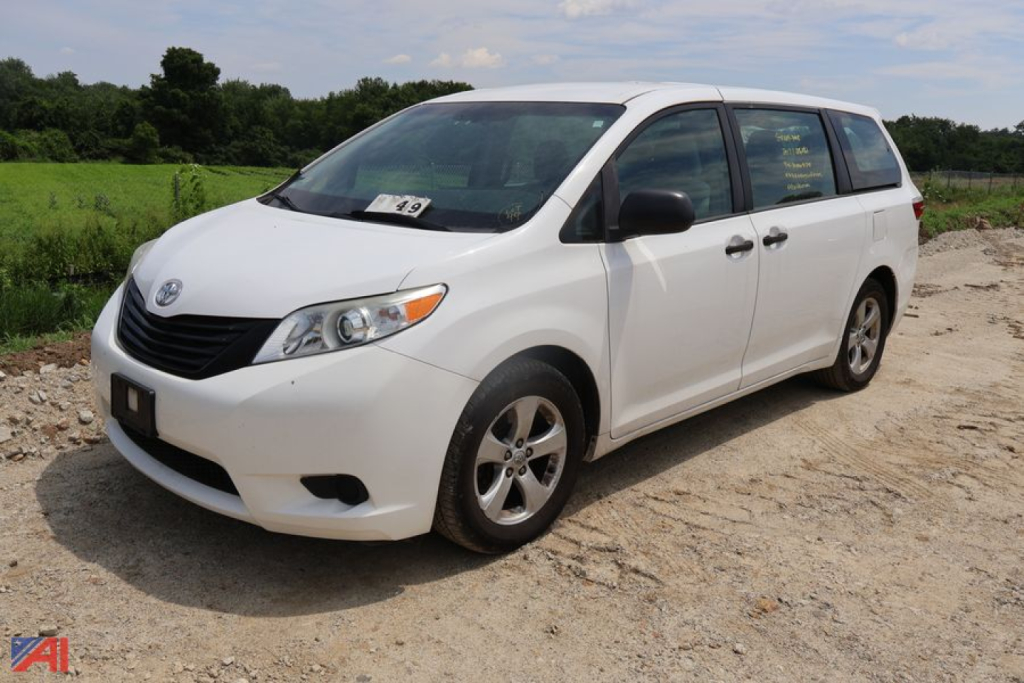
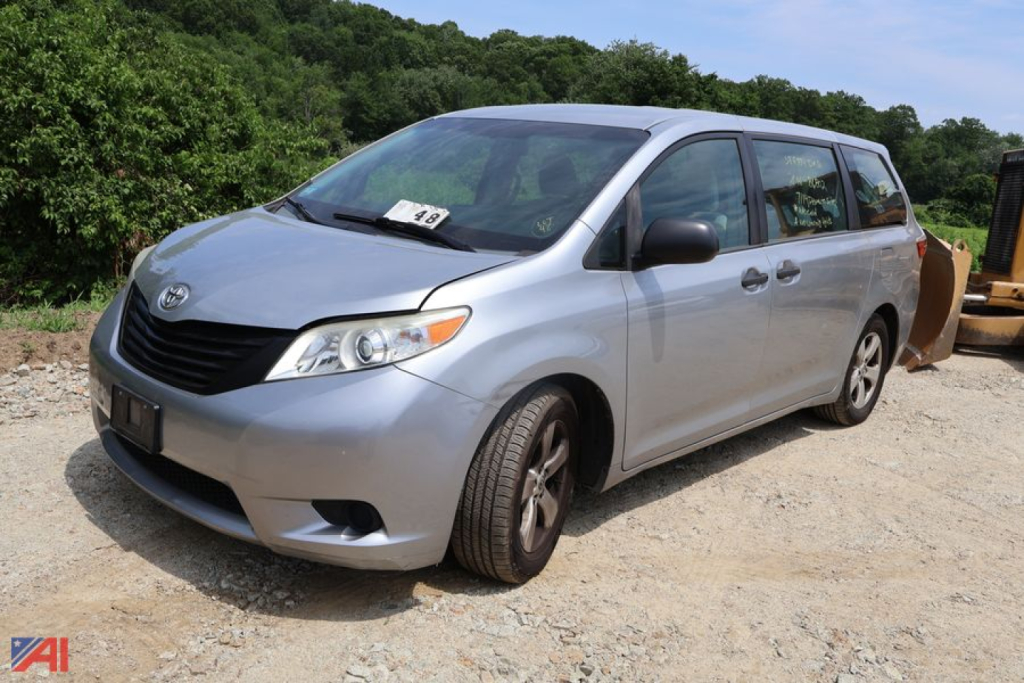
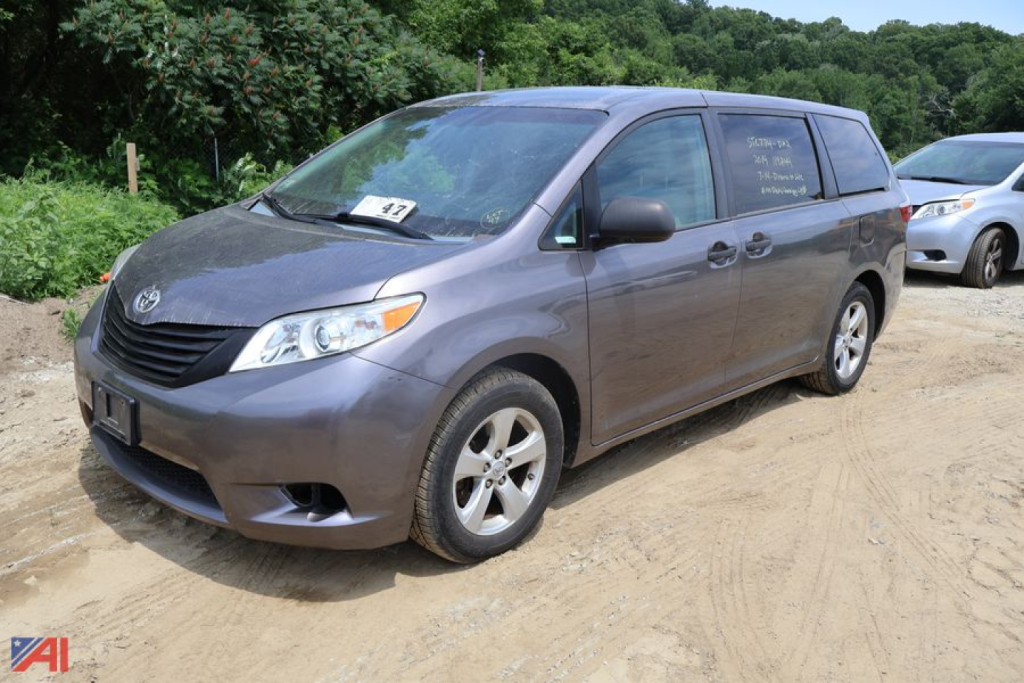
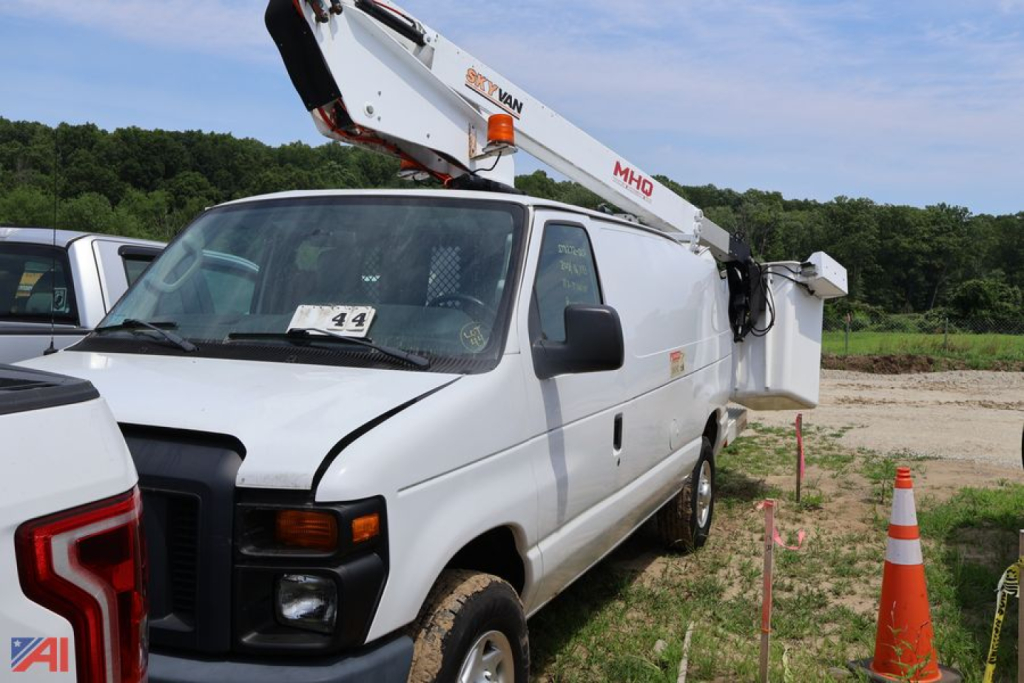
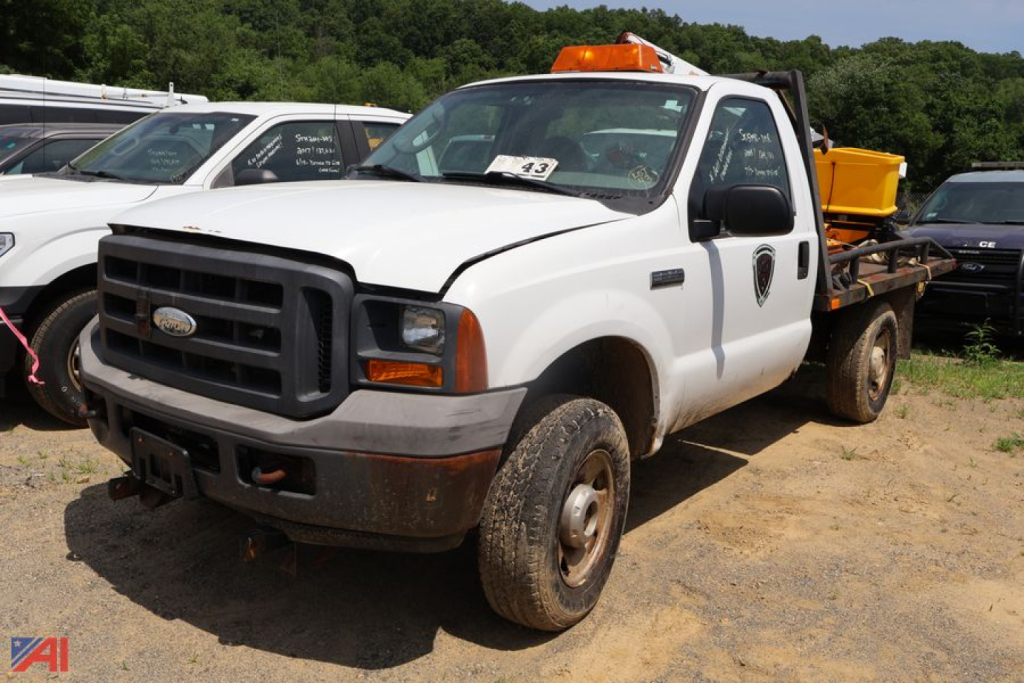
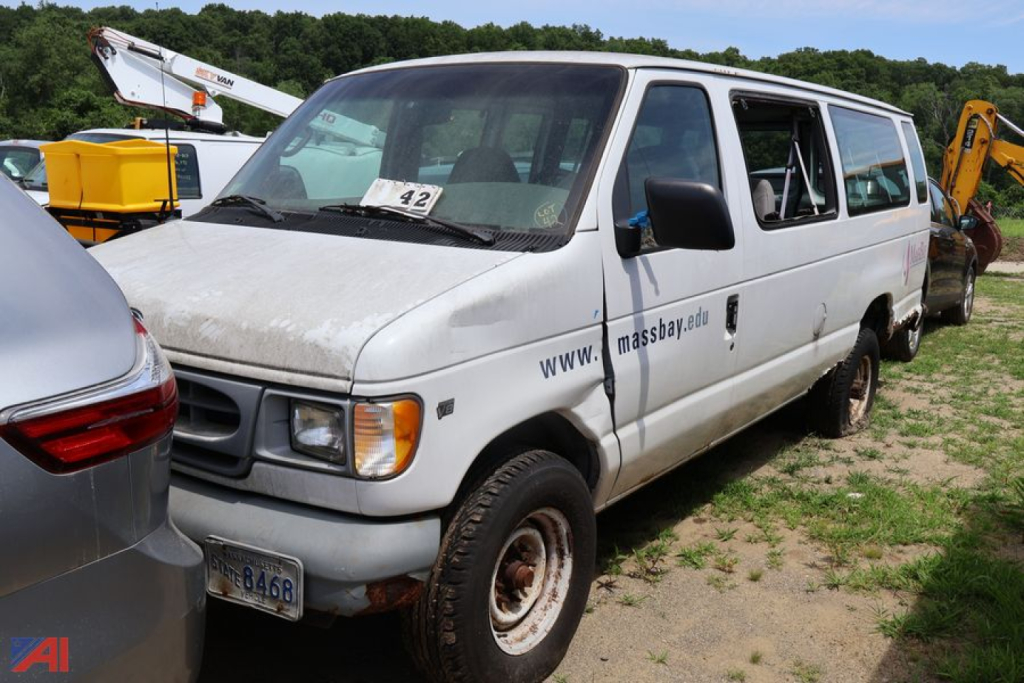
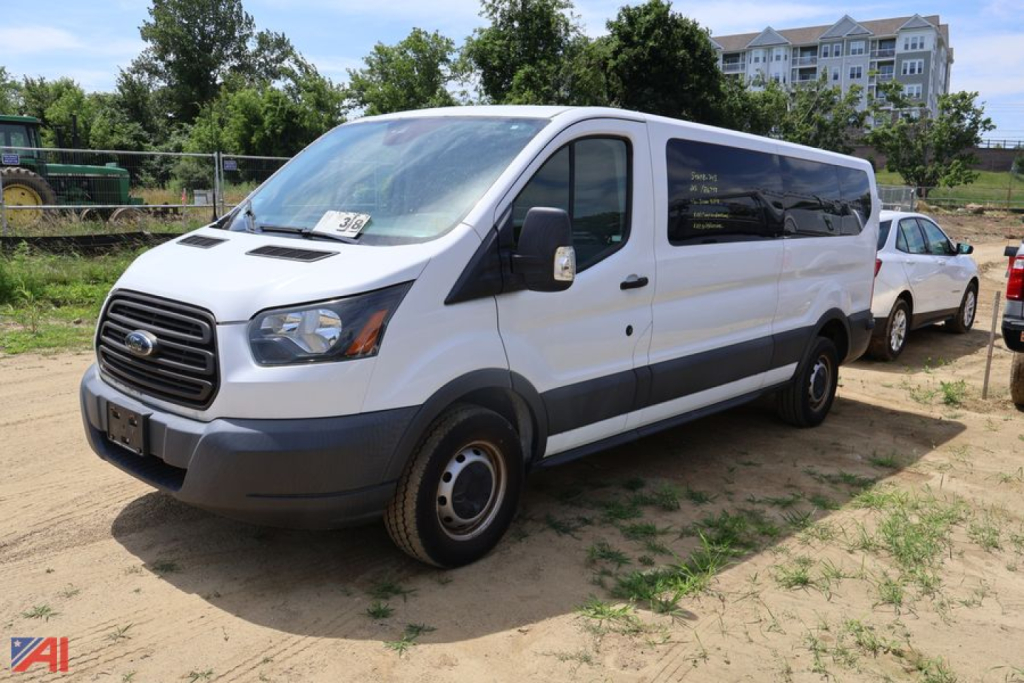
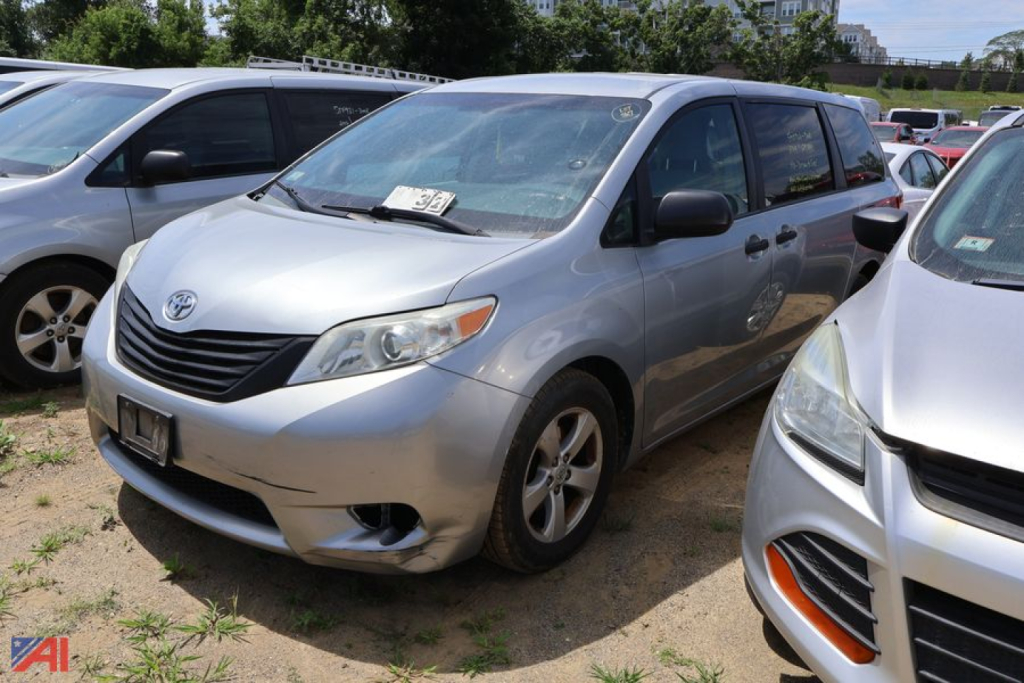
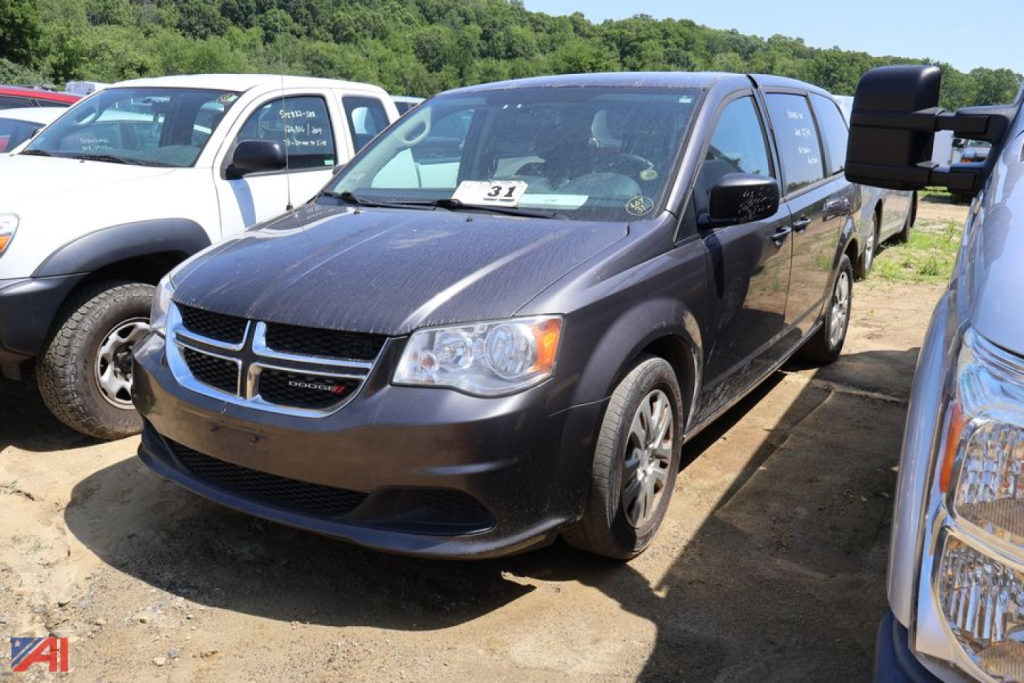
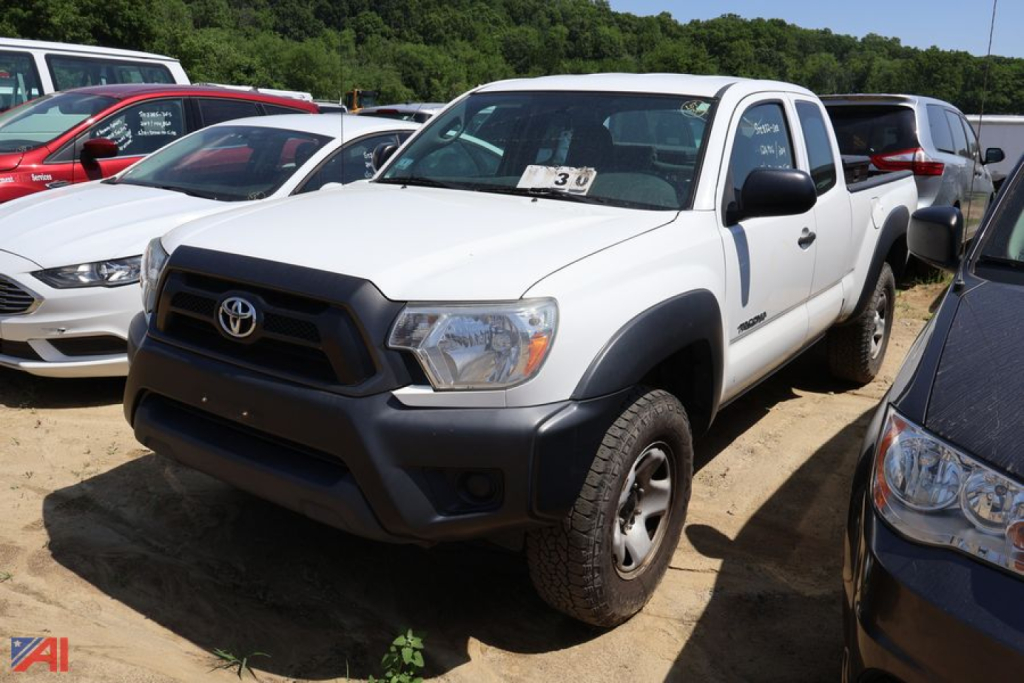
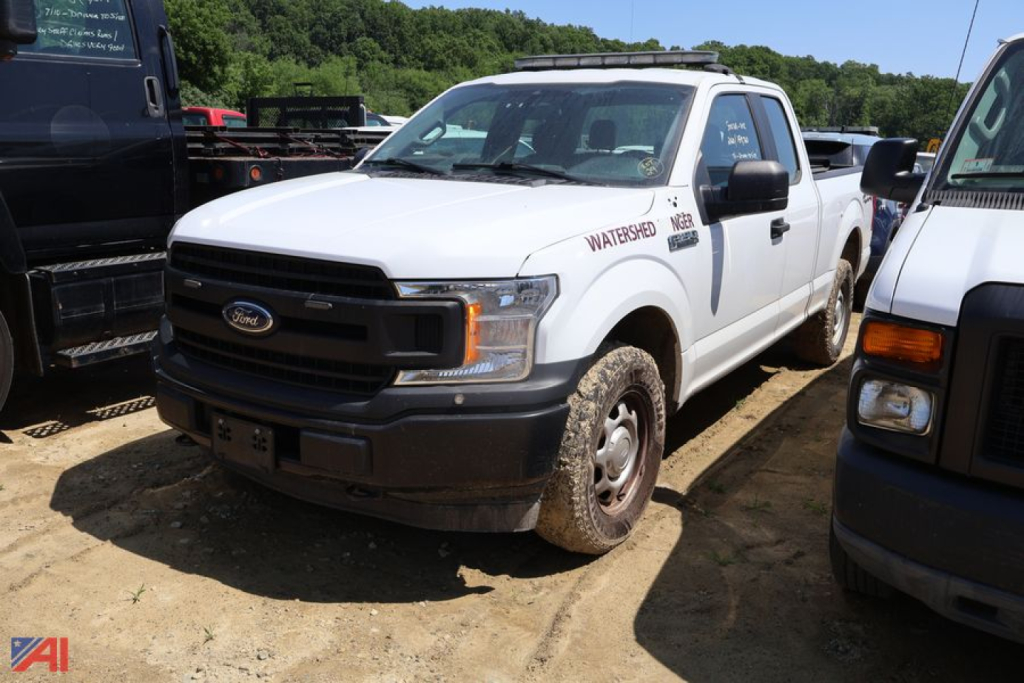
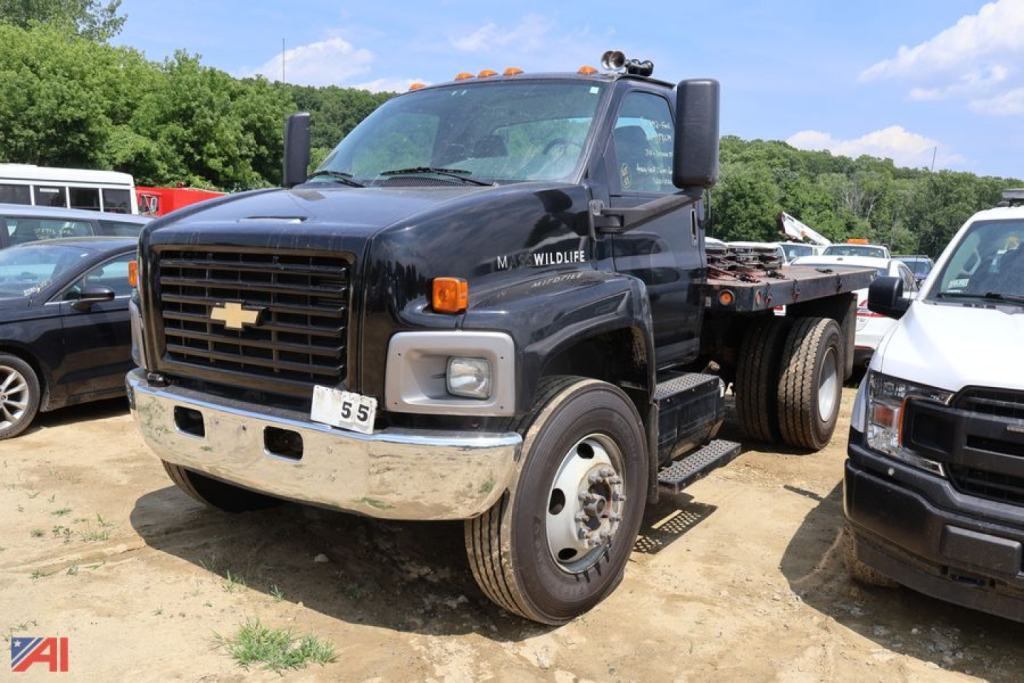
Showing 1 to 24 of 30 results
Have truck to sell? List it here to reach thousands of buyers.
Trucks in Massachusetts
Powertrain selection drives cost and uptime. Common heavy-duty engines like the Cummins X15, Detroit DD15, Paccar MX-13, and Volvo D13 deliver 1,450 to 1,850 lb-ft of torque, enough for 80k interstate loads and hilly terrain. Automated manual transmissions such as Eaton UltraShift, Detroit DT12, and Volvo I-Shift reduce driver fatigue in stop-and-go traffic while optimizing shift maps for economy on rolling grades. Medium-duty buyers weigh diesel versus modern gasoline options for last-mile routes. Diesel excels at torque and resale, while gas can lower acquisition cost and simplify emissions hardware on Class 6 applications.
Chassis and running gear should match New England conditions. Air-ride drives smooth out rough roads and protect cargo, while vocational suspensions like Hendrickson walking beam or Chalmers add durability on jobsites. Disc brakes can shorten stops in wet weather and reduce maintenance compared to drums. For winter, look for heated mirrors, 3PMSF-rated steer and drive tires, block heaters, fuel filter heaters, and locking differentials for traction on slick grades. Corrosion resistance is critical on salted roads, so aluminum cabs and bodies, stainless hardware, sealed wiring harnesses, and quality undercoating help preserve frames and crossmembers.
Compliance and operating realities in Massachusetts reward the right spec. Statewide commercial safety inspections and strict idling limits make idle-reduction tools like APUs and bunk heaters practical. Bridge Formula weight compliance and local axle rules influence choices such as 13.2k or 14.6k steer axles, 40k to 46k tandems, and use of steerable lift axles on straight trucks to boost legal payload when deployed. Urban routes with low-clearance bridges and tight turns favor shorter wheelbases, set-forward axles for better approach angles, and wide-angle cameras or side object detection to protect vulnerable road users. Matching application to drivetrain, wheelbase, axle ratings, and corrosion spec will determine total cost of ownership more than model year alone.
Frequently Asked Questions about Trucks in Massachusetts
What truck specs work best for Boston and other tight New England city routes?
Shorter wheelbase day cabs or Class 6-7 box trucks with a tighter curb-to-curb turning radius are preferred. A set-forward axle can improve maneuverability and approach angle, and wide-view heated mirrors with cameras help with visibility. Automated manual transmissions reduce fatigue in stop-and-go traffic. For box trucks, a 24 to 26 foot body with a tuck-under or rail liftgate, dock-height rear, and a curbside door can speed deliveries on narrow streets.
How should I spec a truck for Massachusetts winters and salted roads?
Prioritize cold-weather and anti-corrosion options. Look for 3PMSF-rated tires, engine block heaters, heated fuel filters, winter grille screens, and locking differentials. For corrosion control, aluminum or composite cabs and bodies, stainless or coated fasteners, sealed wiring harnesses, and quality frame undercoating extend service life. LED lighting, heated mirrors, and air dryers with automatic drain valves help maintain reliability in freezing conditions.
Are automated manuals better than manual transmissions for routes across Massachusetts?
Automated manuals are popular for mixed highway and urban routes because they manage shifting on rolling grades and reduce fatigue in congestion. They also help newer drivers achieve fuel economy close to experienced manual operators. Manuals still appeal for certain vocational builds that need precise low-speed control or PTO work, but modern AMTs typically offer creep modes and programmable shift logic that cover most applications.
What should I check for compliance when buying a used truck to run in Massachusetts?
Verify the truck can pass a commercial safety inspection and that emissions systems are intact with no active fault codes. Check brake lining thickness, air system leak-down, ABS lights, steering and suspension play, and lighting. Confirm VIN and title match, review maintenance records, and inspect for frame corrosion, crossmember rust, soft cab mounts, and wiring repairs. If you plan to reduce idle time, ensure the electrical system supports an APU or bunk heater. For heavier vocational use, confirm axle ratings, spacing, and any lift axle controls align with weight and permitting needs.
Can lift axles increase legal payload on dump and straight trucks in Massachusetts?
Lift or tag axles can increase allowable weight when deployed by distributing load across more axles, subject to Bridge Formula and state rules. Many Massachusetts vocational trucks use steerable lift axles to add capacity while preserving maneuverability. Actual legal limits depend on axle ratings, spacing, tire size, and route, so review specifications and consult state permitting before committing to a configuration.