
Pickup 4wd Trucks For Sale in Massachusetts
Shop pickup 4WD trucks for sale in Massachusetts. Compare cab sizes, GVWR, towing, plow readiness, axle ratios, and work-truck options.
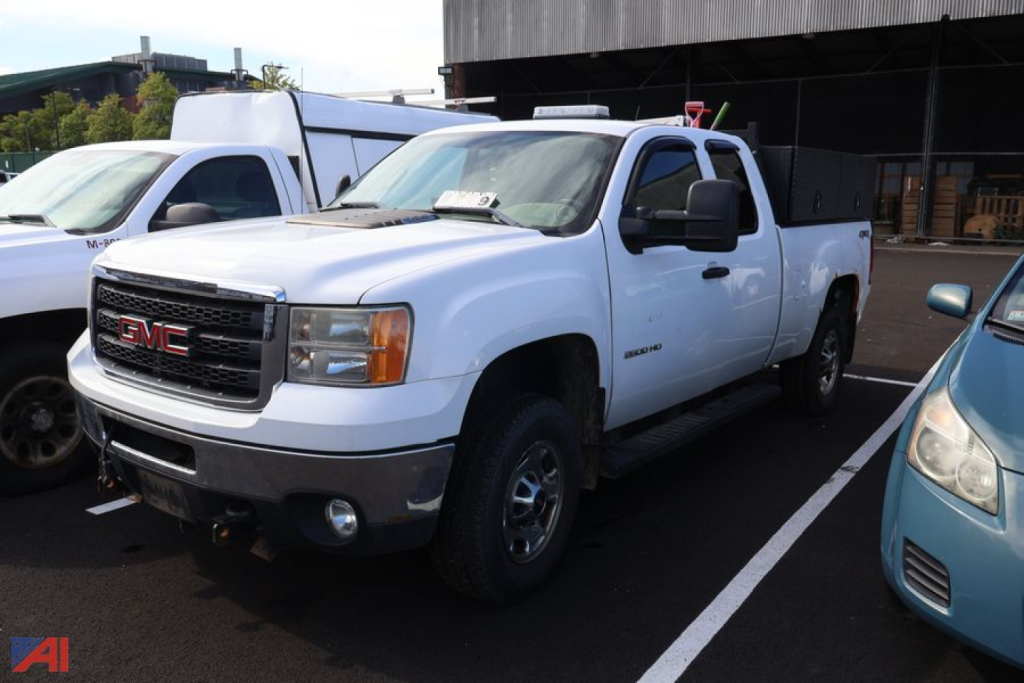
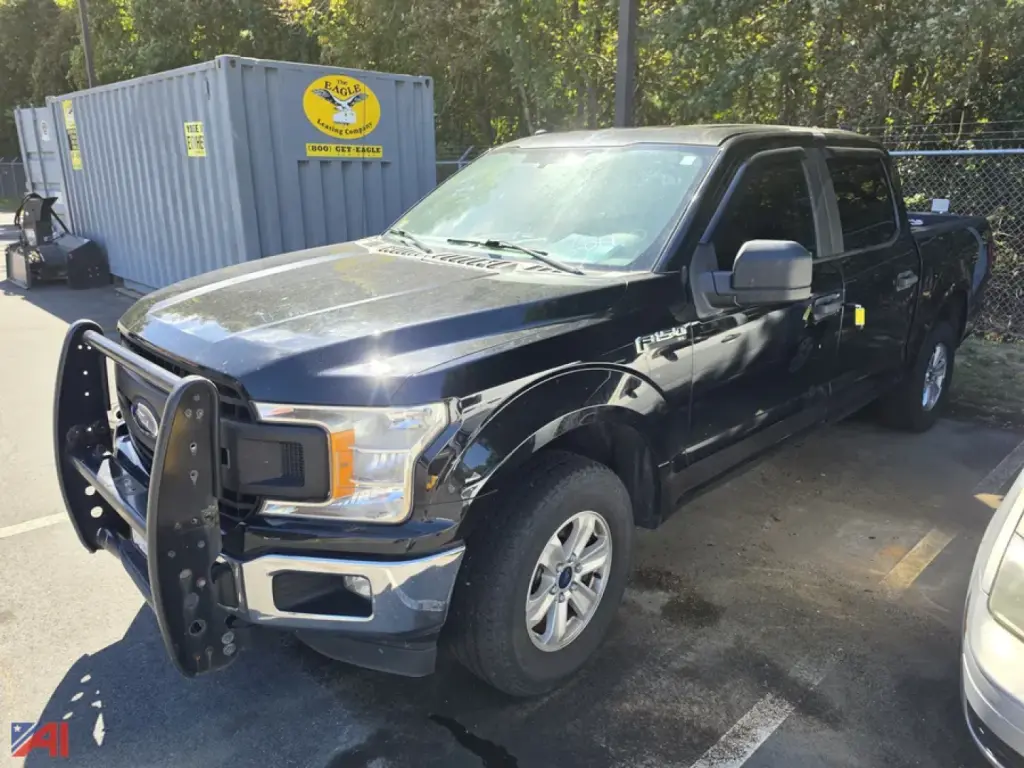
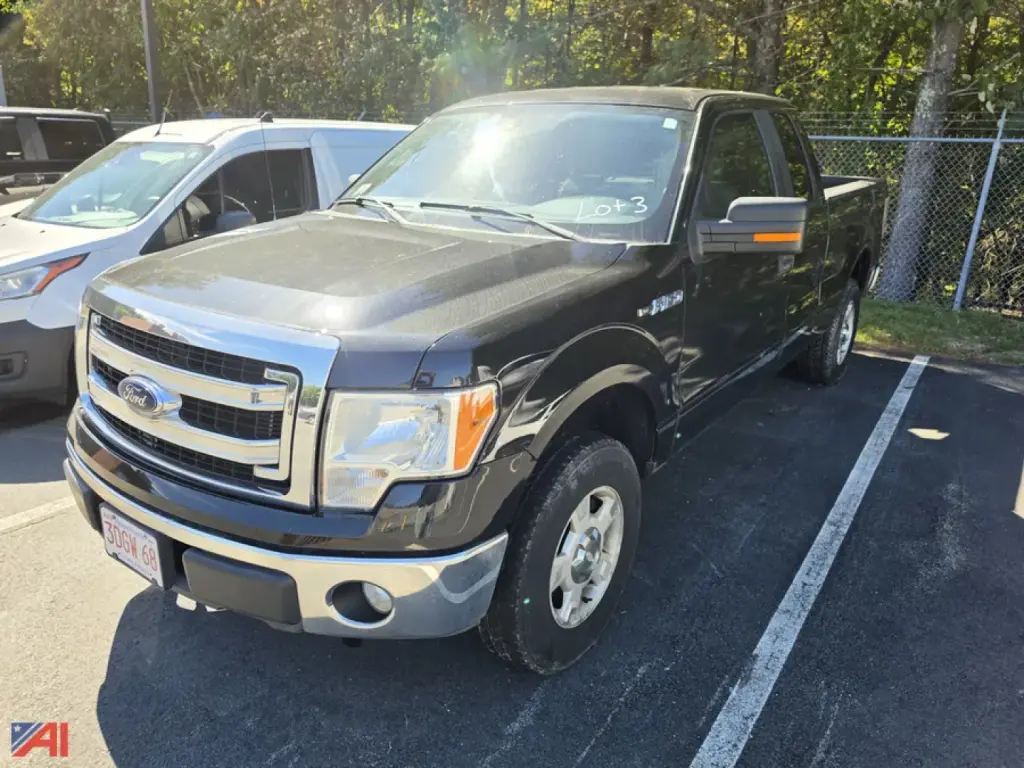
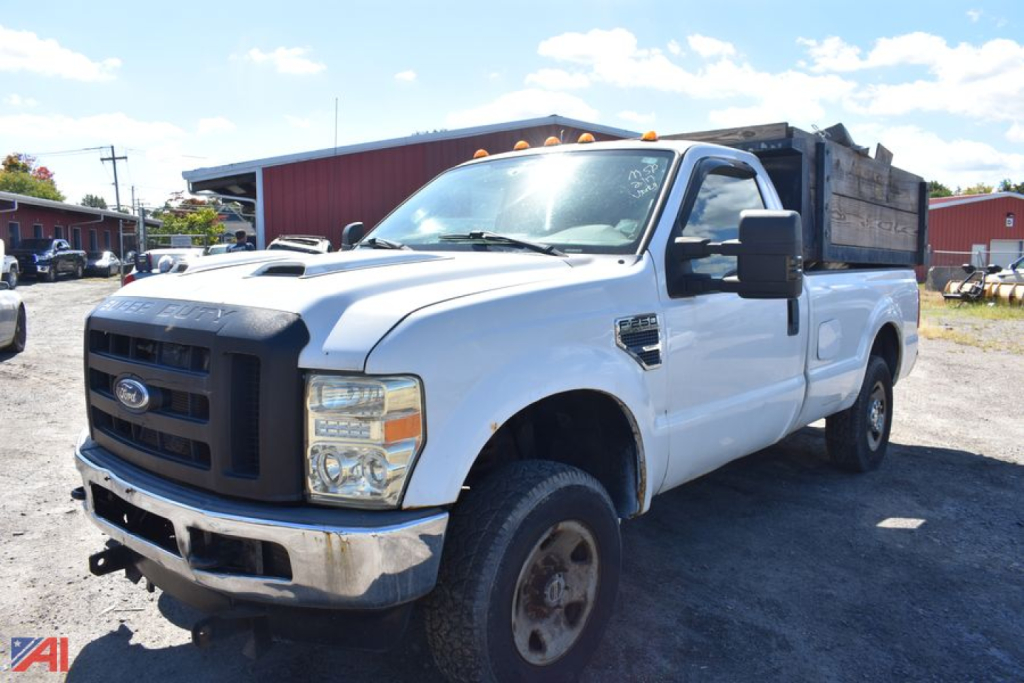
Looking for the easiest place to sell your pickup 4wd truck? List it here to reach thousands of buyers.
Pickup 4wd Trucks in Massachusetts
The biggest buying decisions usually come down to cab configuration, bed length, axle ratio, and gross vehicle weight rating. A regular cab long bed may fit fleet and plow duty best because it keeps wheelbase practical while leaving room for spreaders, toolboxes, fuel tanks, and bed-mounted equipment. Extended cab and crew cab trucks add passenger space but can reduce maneuverability in tight urban areas and crowded yards. Buyers comparing 1500, 2500, and 3500 series trucks should look closely at payload sticker ratings, rear axle capacity, suspension setup, and hitch ratings, especially if the truck will tow skid steers, compact equipment, enclosed trailers, or salt spreader setups.
For Massachusetts work, plow compatibility matters. Front gross axle weight rating, alternator output, cooling capacity, transmission condition, and frame corrosion are all worth checking before assigning a truck to snow service. Many used 4WD pickups in this class are equipped with snow plows, trailer brake controllers, receiver hitches, gooseneck or fifth-wheel prep, ladder racks, bed liners, and underbody rust protection. Gas engines remain common in pickup fleets because acquisition cost is lower and cold-weather operation is straightforward, while diesel trucks are still preferred for higher towing demands and longer service cycles. If you are shopping older trucks, pay attention to cab corners, rocker panels, brake lines, bed mounts, transfer case operation, and signs of salt-related corrosion underneath.
A good 4WD pickup should match the actual work cycle, not just the badge on the fender. For municipal support, property maintenance, and general contractor use, a properly spec'd 2500 or 3500 with the right tires, plow package, and trailer setup can cover year-round duty. For lighter service routes, inspections, and small tool-and-material runs, a half-ton 4x4 may be the more efficient choice. Buyers should compare service history, idle hours where available, tire condition, front-end wear, and evidence of previous towing or plow use, because those factors often tell you more about remaining life than model year alone.
Frequently Asked Questions about Pickup 4wd Trucks in Massachusetts
What size 4WD pickup is best for commercial use in Massachusetts?
The best size depends on payload, towing, and winter-duty requirements. A half-ton 4WD pickup works well for light service, inspections, and smaller material runs. A 2500 or 3500 series truck is usually the better fit for plowing, hauling palletized materials, towing equipment trailers, or carrying bed-mounted tools and spreaders. Buyers should compare GVWR, payload sticker ratings, axle ratings, and hitch capacity before choosing between light-duty and heavy-duty classes.
Are all 4WD pickups suitable for snow plow use?
No. A truck used for plowing should have adequate front axle capacity, suspension support, charging system output, cooling capability, and a frame condition that can handle repeated winter service. Plow prep packages, heavier front springs, and commercial electrical provisions are valuable features. On used trucks, transfer case engagement, front-end wear, transmission behavior, and corrosion underneath are especially important because plow service adds stress to the chassis and driveline.
Is a diesel or gas engine better in a 4WD pickup truck?
Gas engines usually make sense for lower annual mileage, shorter trips, and buyers focused on lower upfront cost and simpler maintenance. Diesel engines are often preferred when the truck will tow heavier trailers regularly or stay in long-term fleet service with higher annual usage. The right choice depends on duty cycle, not just preference. In cold-weather regions, maintenance history and emissions-system condition matter as much as horsepower and torque figures.
What should I inspect first on a used 4WD pickup in the Northeast?
Start with the frame, brake lines, cab corners, rocker panels, bed supports, and suspension mounting points for corrosion. Then check 4WD engagement, transfer case operation, front differential noise, steering play, and signs of hard plow or towing use. Tire wear patterns can reveal alignment or front-end issues, and hitch wear can indicate the level of trailer use. In Massachusetts and other salt-use states, underbody condition is one of the most important value factors on a used pickup.
What features add the most value on a work-oriented 4WD pickup?
The most useful features are the ones that support the truck's intended job. Common value-adding features include trailer brake controllers, receiver hitches, gooseneck or fifth-wheel prep, snow plow mounts, upfitter switches, locking differentials, bed liners, toolboxes, and higher-output alternators. Cab and bed configuration also affect value because a long bed regular cab may suit plow or fleet work better, while a crew cab may be more useful for crews carrying passengers and equipment together.