
Ford Pickup 4wd Trucks For Sale in Massachusetts
Browse Ford 4x4 pickup trucks for sale in Massachusetts. Compare F-250 and similar models by cab, bed, GVWR, drivetrain, towing, and work use.
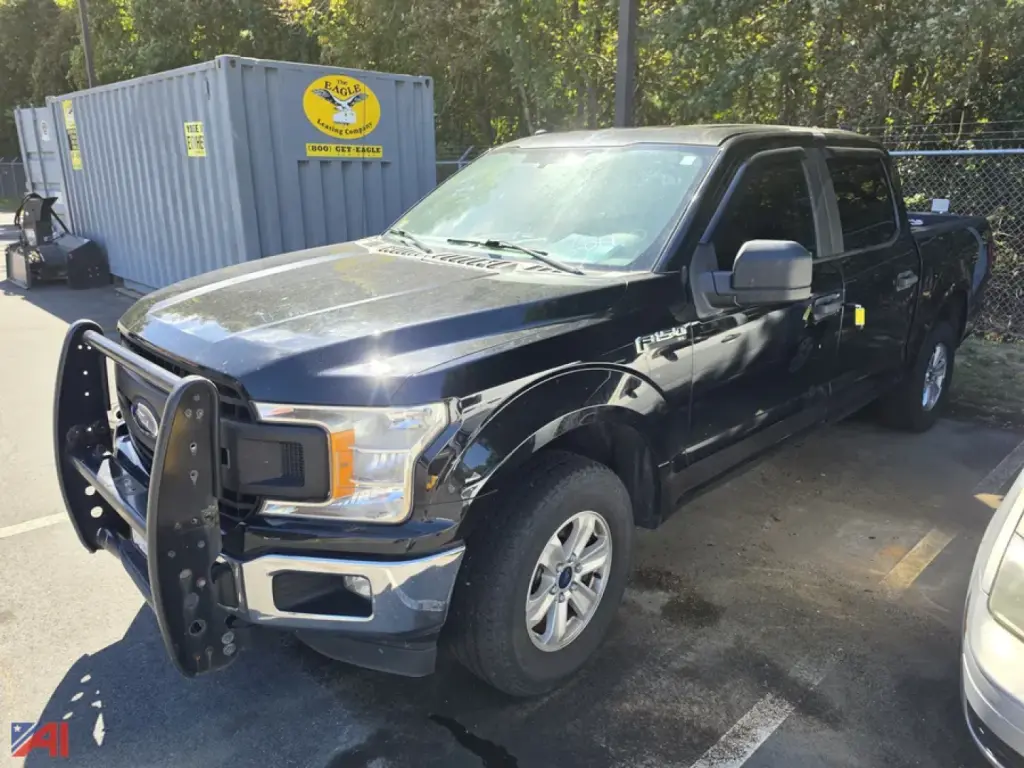
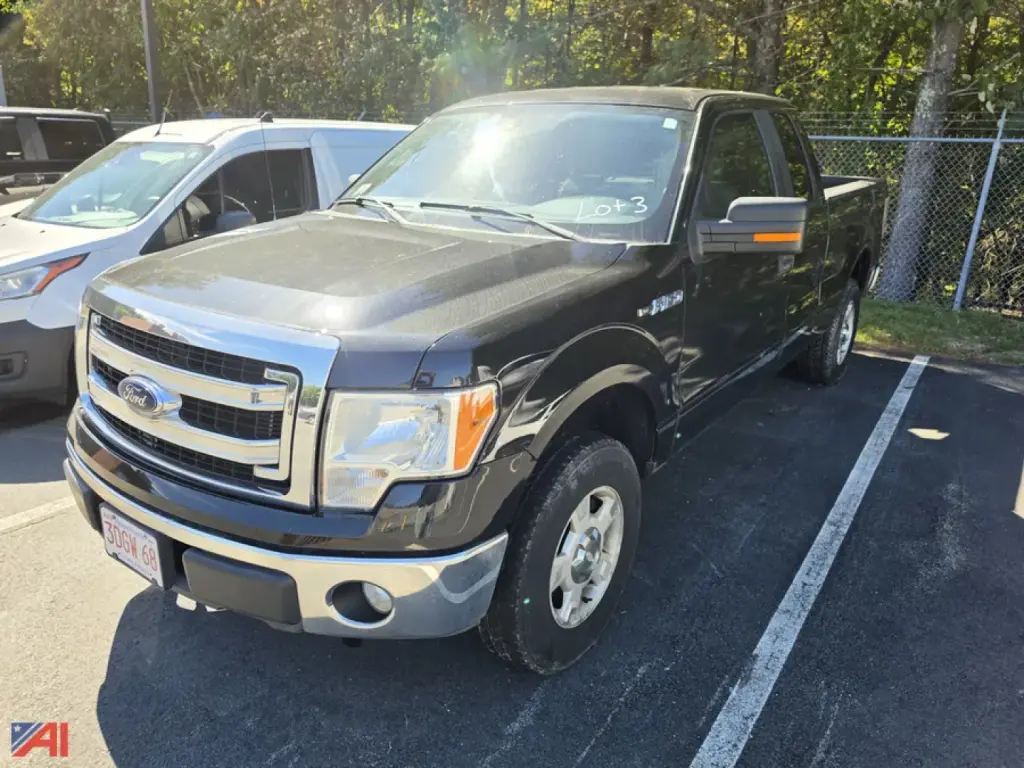
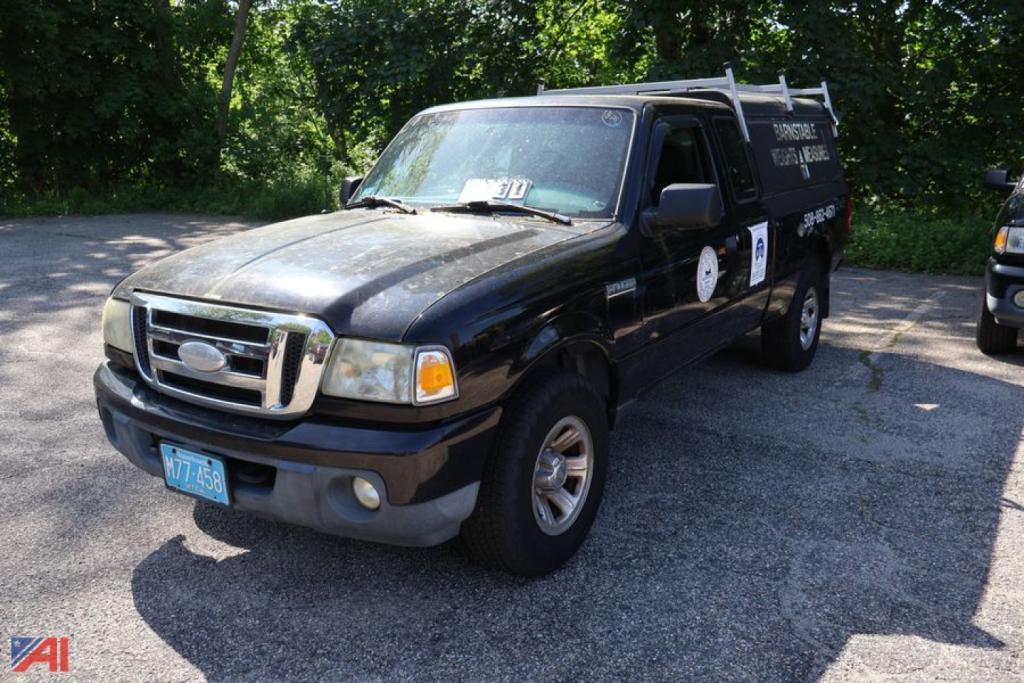
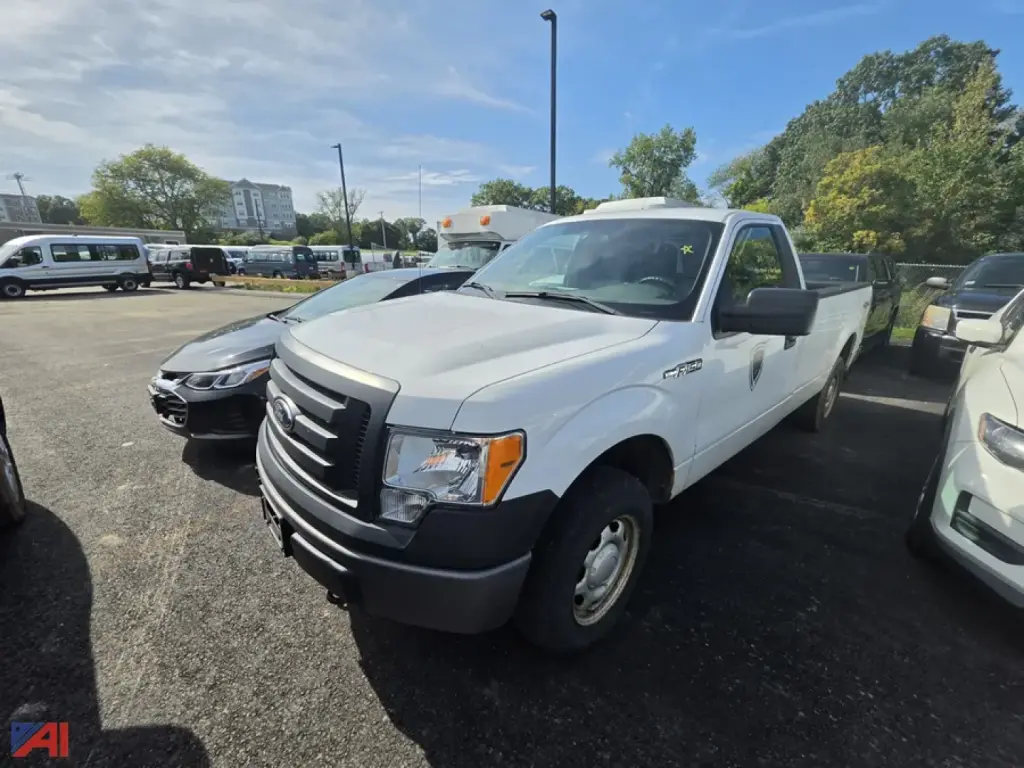
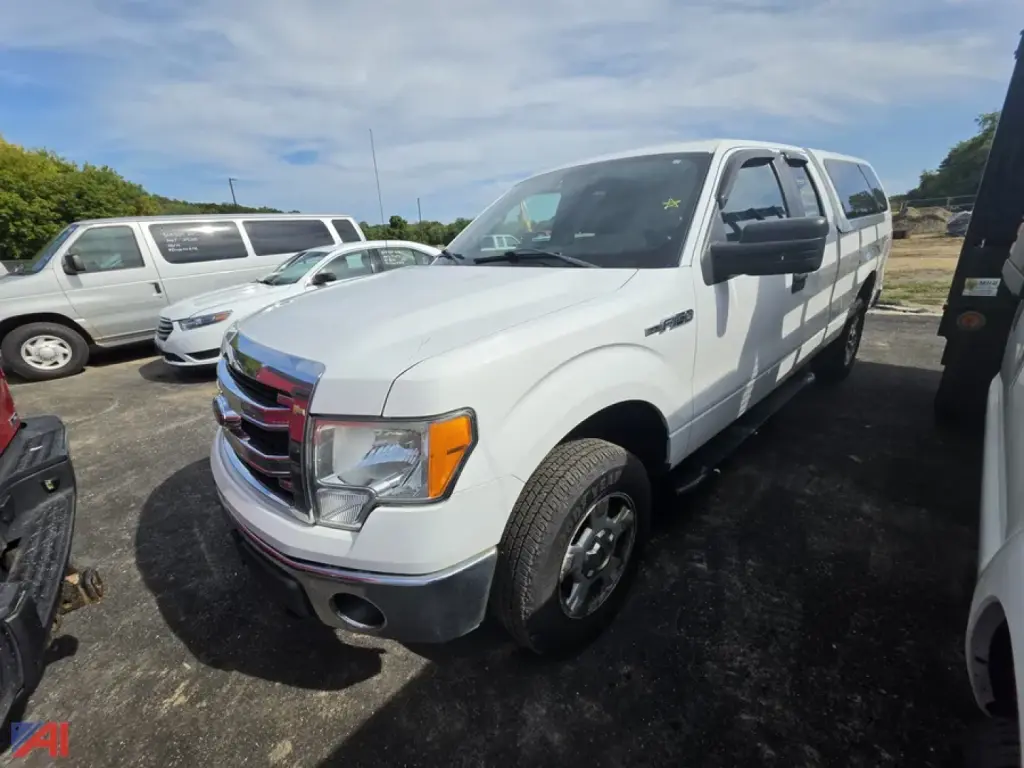
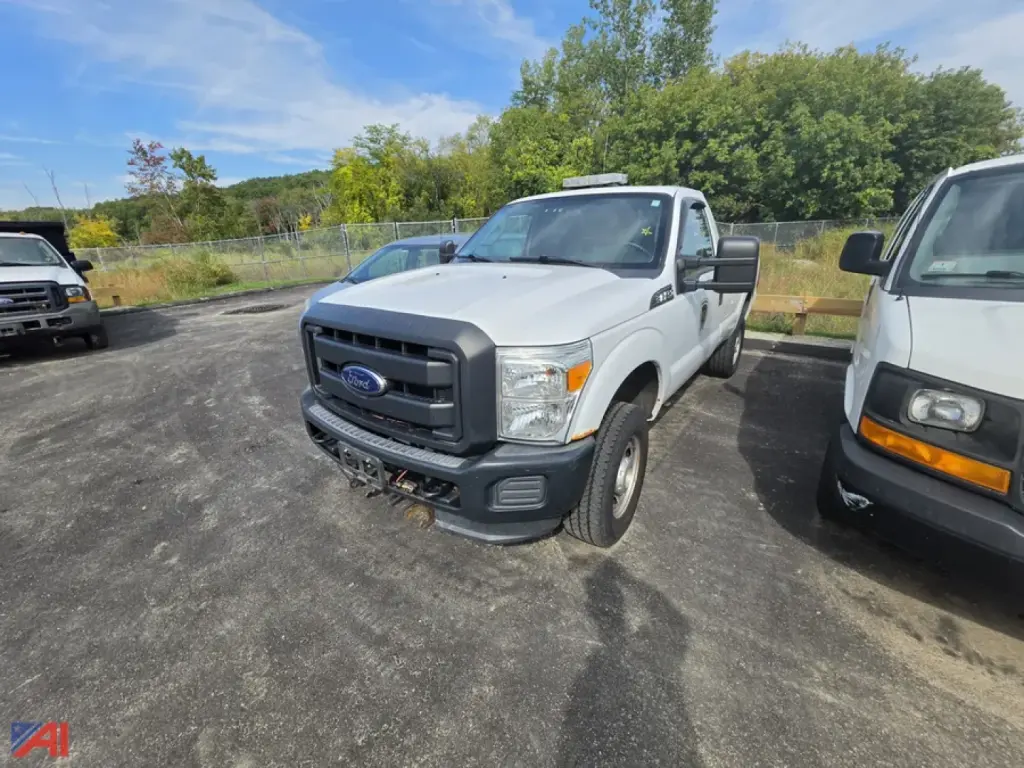
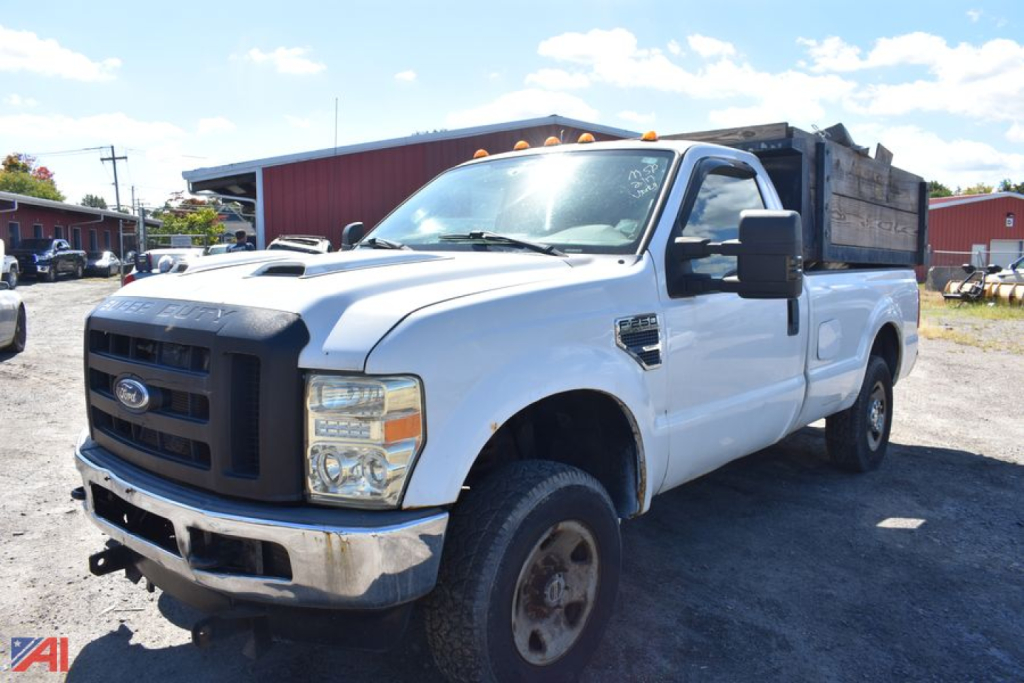
Looking for the easiest place to sell your ford pickup 4wd truck? List it here to reach thousands of buyers.
Ford Pickup 4wd Trucks in Massachusetts
For many commercial buyers, the real decision is not just 4x4 versus 4x2. It is cab configuration, bed length, engine, and rear axle setup. Regular cab trucks tend to fit municipal and service roles where cargo space in the bed matters most. SuperCab and Crew Cab trucks give crews more room but reduce available bed length on some configurations. On Super Duty models, pay attention to GVWR, spring capacity, axle ratio, transfer case operation, and whether the truck has a locking rear differential, trailer brake controller, snowplow prep package, or upfitter switches. These details have a direct effect on towing performance, plow use, and how well the truck handles spreaders, toolboxes, rack systems, or slip-in equipment.
Powertrain choice is another major factor. Ford 4x4 pickups are commonly found with gas V8 or diesel engines depending on model year and series. Gas engines usually make sense for lighter annual miles, shorter routes, and fleets trying to keep acquisition and maintenance costs predictable. Diesel power is often preferred when the truck will spend more time under load, towing heavier trailers, or running highway miles. Transmission behavior, transfer case engagement, frame condition, and front suspension wear deserve close attention on used 4wd trucks, especially in Massachusetts where road salt can accelerate corrosion. Buyers should inspect rocker panels, cab corners, brake and fuel lines, bed supports, leaf spring hangers, and plow mount areas if equipped.
A Ford 4wd pickup can serve as a tow vehicle, site support truck, plow truck, supervisor truck, or general-purpose fleet unit. The best value usually comes from matching the truck to the work cycle instead of simply buying the heaviest model available. An F-250 or F-350 with the right hitching, axle ratio, and suspension package may outperform a lighter pickup in trailer control and durability, while a properly spec'd F-150 4x4 can be the more efficient choice for light tools, daily travel, and mixed on-road use. Buyers comparing listings should focus on service history, rust exposure, drivetrain condition, tire type, and any vocational equipment already installed, because those factors often matter more than trim level alone.
Frequently Asked Questions about Ford Pickup 4wd Trucks in Massachusetts
What Ford 4wd pickup is usually best for commercial use: F-150, F-250, or F-350?
It depends on payload, trailer weight, and how hard the truck will be worked. An F-150 4x4 often fits light-duty fleet use, inspections, small tools, and moderate towing. An F-250 Super Duty is a common middle ground for contractors, utility work, and plow applications because it offers stronger axles, suspension, and chassis capacity. An F-350 4x4 is typically the better choice when bed payload, trailer pin weight, or added equipment pushes beyond what an F-250 is comfortably designed to handle.
What should buyers inspect on a used Ford 4wd pickup in Massachusetts?
Rust and underbody condition should be near the top of the list. Check the frame, brake lines, fuel lines, cab corners, rocker panels, bed crossmembers, spring hangers, and plow mount points if present. On the drivetrain side, verify proper 4x4 engagement, listen for front hub or axle noise, inspect transfer case operation, and look for leaks around the transmission, differential housings, and steering components. Tire wear patterns can also reveal front end or alignment issues.
Are diesel Ford 4x4 pickups always better than gas models?
No. Diesel trucks usually make more sense for sustained towing, higher annual mileage, and heavier commercial workloads. They can deliver strong low-end torque and better performance under load, but they also bring higher purchase price and more complex emissions-related maintenance on newer models. Gas trucks are often a practical fit for fleets with shorter routes, lower yearly mileage, lighter trailers, and a stronger focus on lower upfront and repair costs.
What factory or vocational features add the most value on a Ford 4wd work pickup?
The most valuable features depend on the job, but common priorities include a locking rear differential, integrated trailer brake controller, towing mirrors, receiver or gooseneck hitch setup, snowplow prep package, upfitter switches, heavy-duty alternator, and skid plates where off-pavement use is common. Ladder racks, toolboxes, bed liners, and service bodies can also add value if they match the intended application. The key is to confirm the equipment was installed properly and does not overload the truck's axle or GVWR limits.
Is four-wheel drive worth the extra cost on a work pickup?
In Massachusetts, 4wd is often worth the premium because it improves traction in snow, mud, unpaved yards, and steep access areas. It can also help resale demand in the Northeast. That said, 4wd adds weight and complexity, so it is most justified when the truck regularly sees winter weather, jobsite conditions, or towing scenarios where extra traction improves control. For strictly paved, light-duty use, a 4x2 truck can still be the more cost-effective option.