
Ford Commercial Trucks For Sale in Massachusetts
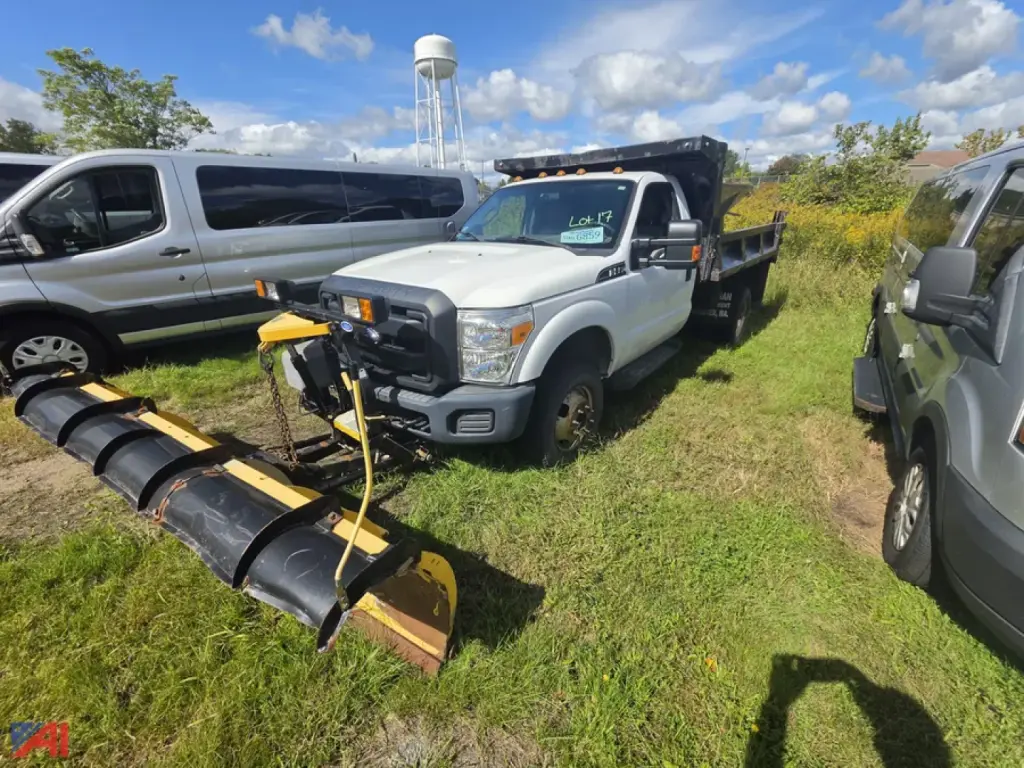
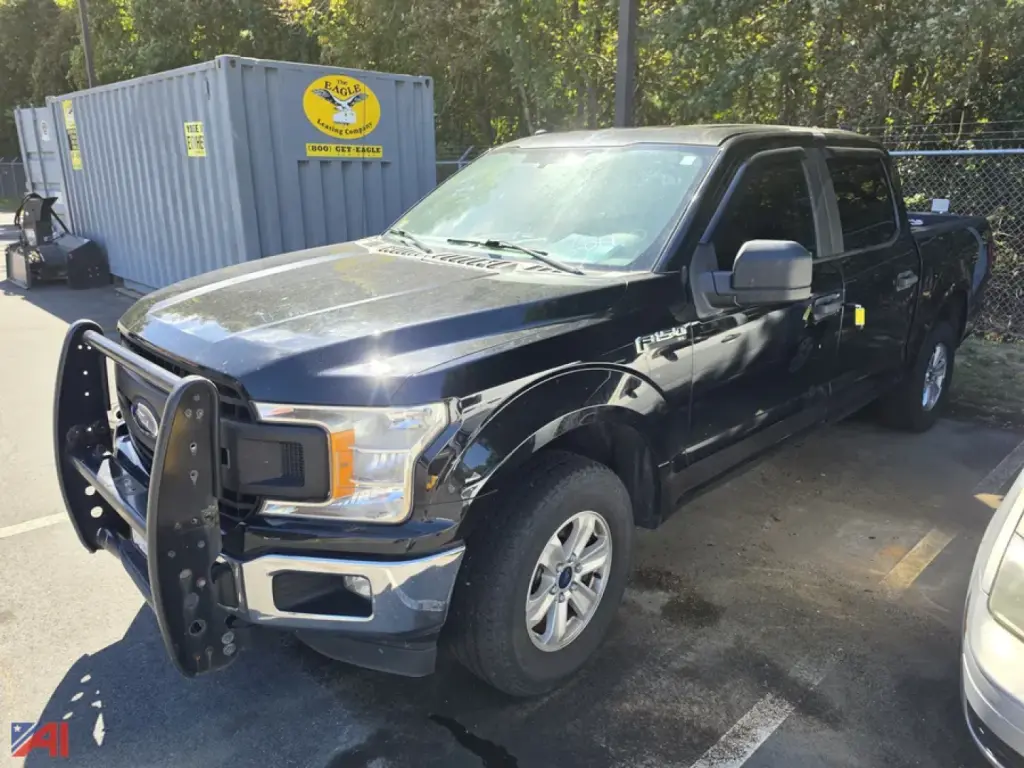
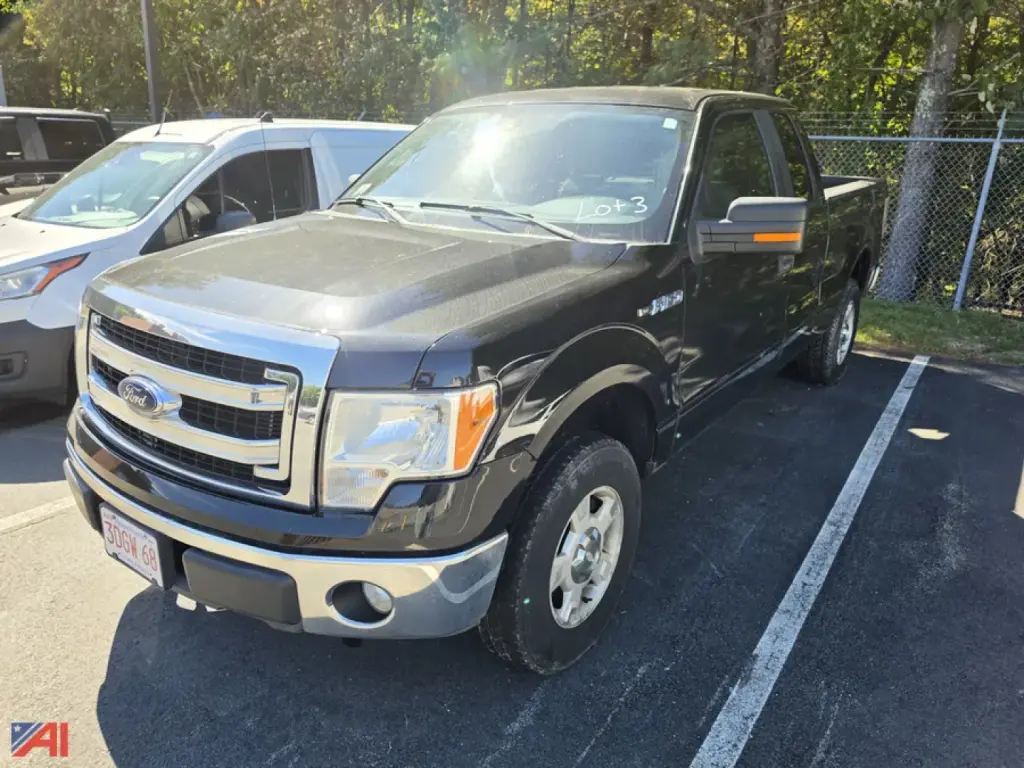
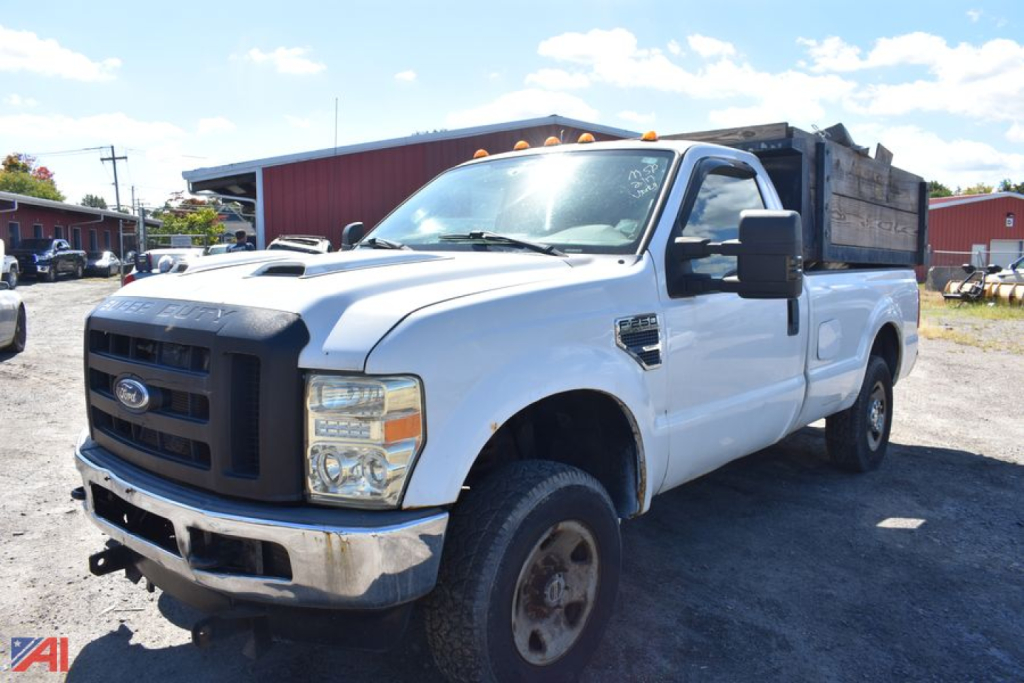
Browse Ford trucks for sale in Massachusetts, including Super Duty work trucks, dump bodies, stake beds, service trucks, and municipal units.
Selling a ford commercial truck? List your ford commercial truck for sale and reach thousands of commercial buyers.
Ford Commercial Trucks in Massachusetts
On Ford work trucks, the chassis and powertrain matter as much as the body. Many used units in this class are equipped with gas V8 or Power Stroke diesel engines, paired with automatic transmissions and available in 4x2 or 4x4 drivetrains. In Massachusetts, 4x4 can be especially valuable for winter traction, unpaved jobsites, and municipal use, but it adds weight and can reduce payload compared with a similar 4x2 truck. On Super Duty models, buyers should compare wheelbase, regular cab versus extended or crew cab layouts, dual rear wheel versus single rear wheel setups, and front GAWR and rear GAWR to make sure the truck is properly matched to the installed body and intended load. If the truck is already upfitted, check PTO provisions, body hoist operation, hydraulic condition, electrical controls, and any auxiliary equipment such as ladder racks, compressors, liftgates, or aerial devices.
Body condition and rust exposure are major buying points on Ford trucks used in the Northeast. A clean powertrain does not offset a heavily corroded frame, crossmembers, cab corners, brake lines, spring hangers, or dump subframe. For Massachusetts buyers, it is smart to inspect underbody corrosion, plow mount history, spreader wiring, and signs of hard municipal or winter service. On dump and stake units, look at floor integrity, hinge wear, sidewall condition, and hoist performance under load. On service and utility bodies, inspect compartment doors, latch hardware, scuff areas, and generator or inverter systems if equipped. If the truck carries a bucket or boom, confirm dielectric test records, boom service documentation, and chassis stability ratings.
Ford trucks are popular because parts availability, technician familiarity, and aftermarket body support are generally strong. That matters when uptime is more important than trim level. A buyer comparing listings should focus on how the truck was spec'd and used, not just model year or mileage. A well-maintained Ford chassis cab with the right axle ratio, body installation, tire capacity, and maintenance history will usually outperform a newer truck that was poorly matched to the job. For fleets in Massachusetts, the best Ford truck is usually the one that balances corrosion condition, upfit quality, legal payload, and cold-weather practicality.
Frequently Asked Questions about Ford Commercial Trucks in Massachusetts
What Ford truck models are most common in commercial and fleet applications?
The most common Ford commercial trucks are the Super Duty line, especially the F-250, F-350, F-450, and F-550. These trucks are widely used as chassis cabs and completed work trucks in dump, stake bed, service body, utility, bucket, and municipal applications. The right model depends on GVWR, rear axle capacity, suspension, and the weight of the body and equipment mounted to the truck.
Is a Ford F-350 enough for a work truck body, or should buyers move up to an F-450 or F-550?
An F-350 can be a good fit for lighter dump bodies, stake beds, and service bodies, especially when maneuverability matters. Buyers should move up to an F-450 or F-550 when the body is heavier, the truck will carry more tools or material, or the application includes towing, snow equipment, or aerial gear. The decision should be based on actual axle weights, payload requirements, and body manufacturer recommendations rather than model name alone.
What should buyers inspect on used Ford trucks in Massachusetts?
Rust and corrosion are top concerns in Massachusetts because road salt and winter service can affect frames, brake lines, suspension mounts, body supports, and electrical connections. Buyers should also inspect the condition of the upfit, including hoists, PTO systems, hydraulic lines, compartment latches, wiring, and any mounted equipment such as plows, spreaders, or booms. Service records, idle hours on PTO-driven equipment, and evidence of municipal use are also important.
Are gas or diesel Ford work trucks better for vocational use?
Gas Ford work trucks can make sense for fleets that run shorter routes, lighter annual mileage, and lower maintenance complexity. Diesel units are often preferred for heavier payloads, more frequent towing, and applications that demand stronger low-end torque. The better choice depends on duty cycle, loaded miles, idle time, and total operating cost, including fuel, emissions-system maintenance, and repair access.
Why are Ford trucks popular for dump, utility, and stake body applications?
Ford trucks are popular in these applications because the Super Duty platform supports a wide range of wheelbases, cab layouts, and GVWR classes that work well with common vocational bodies. They are also widely supported by body installers, municipal shops, and independent service providers. That combination makes Ford a practical choice when buyers need a chassis that can be repaired, reconfigured, and kept in service without specialized downtime.