
Toyota Trucks For Sale in Massachusetts
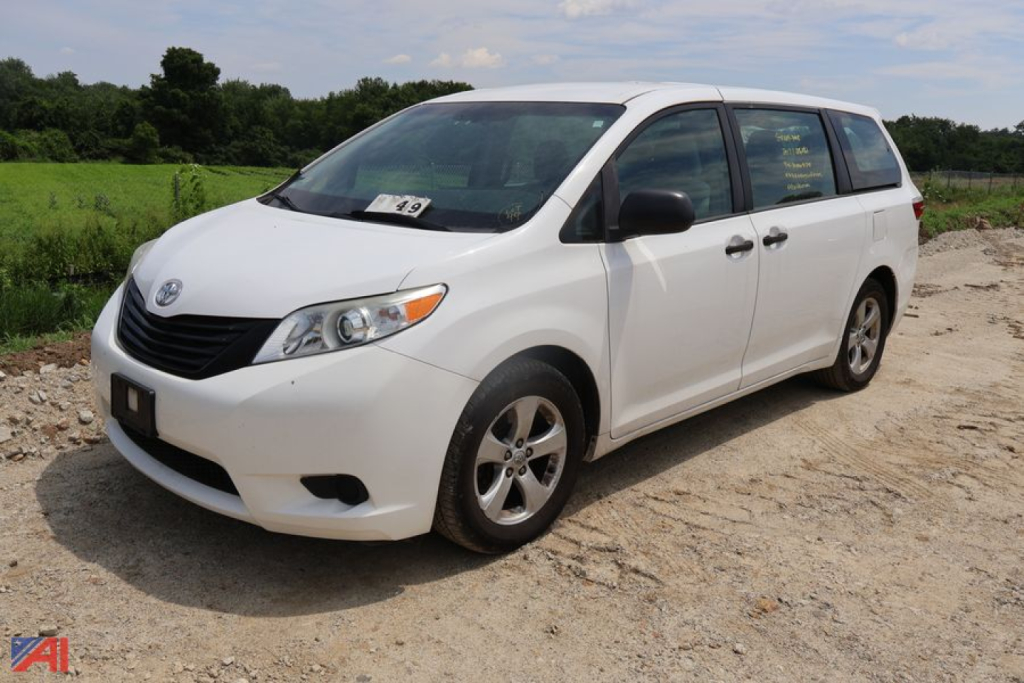
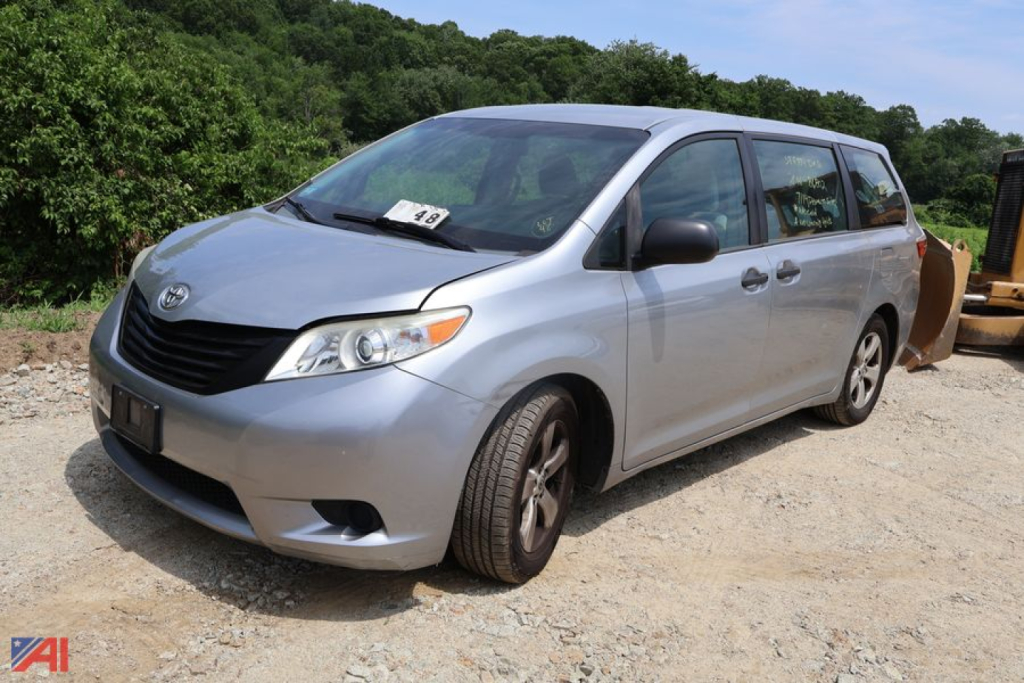
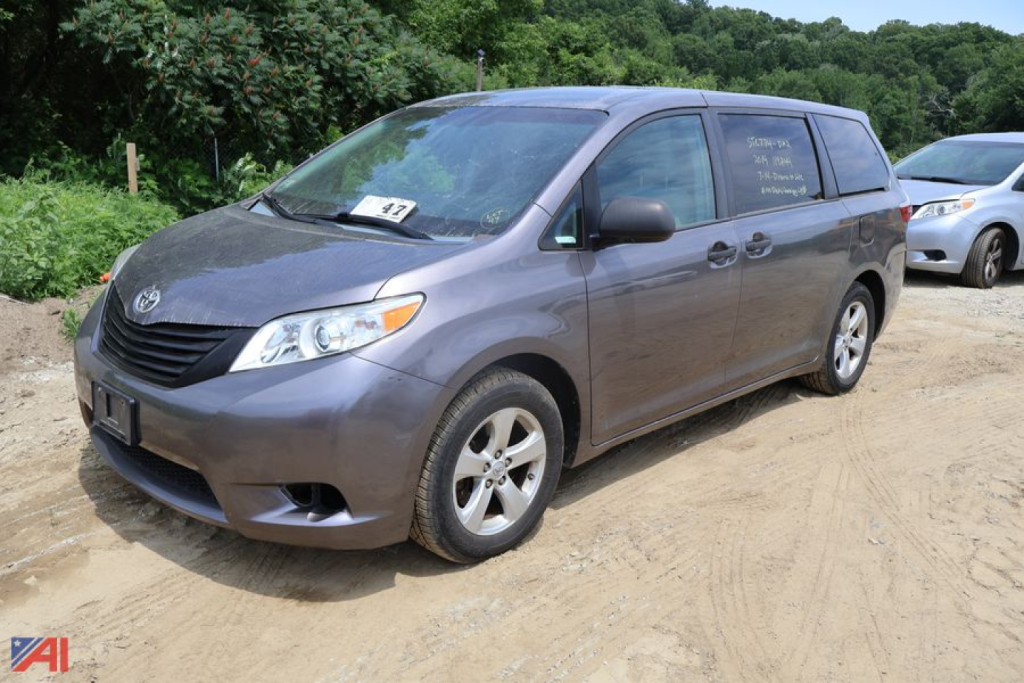
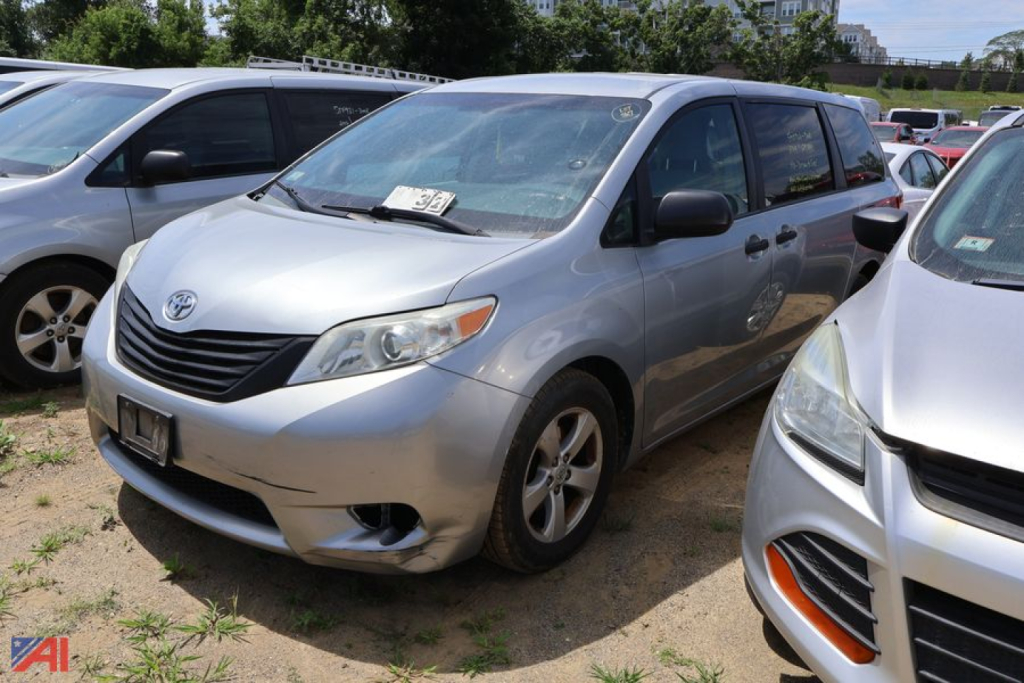
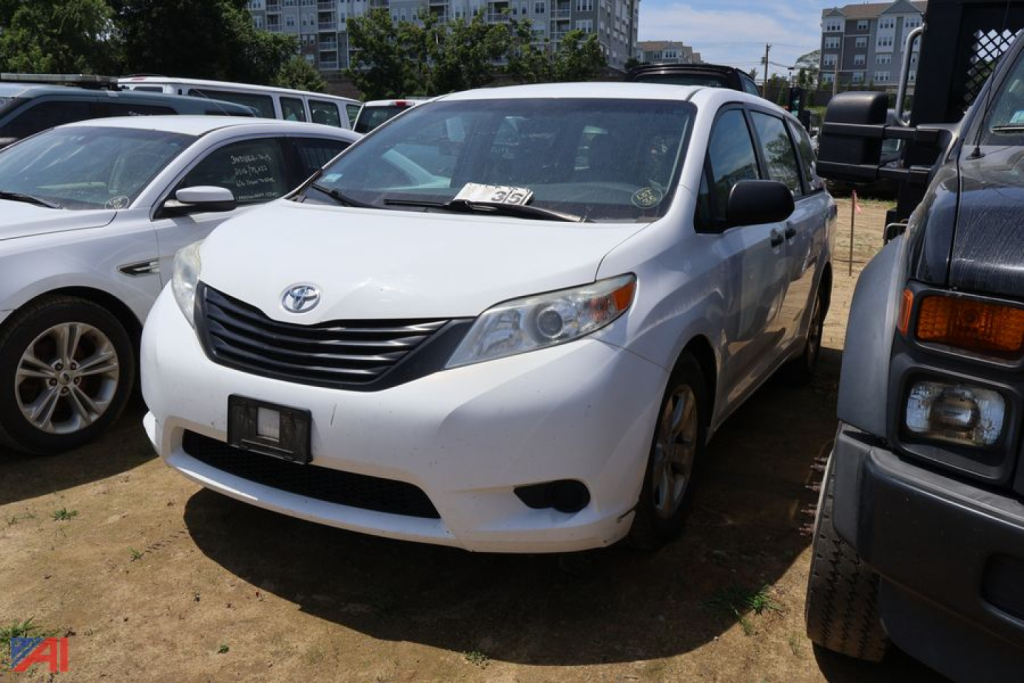
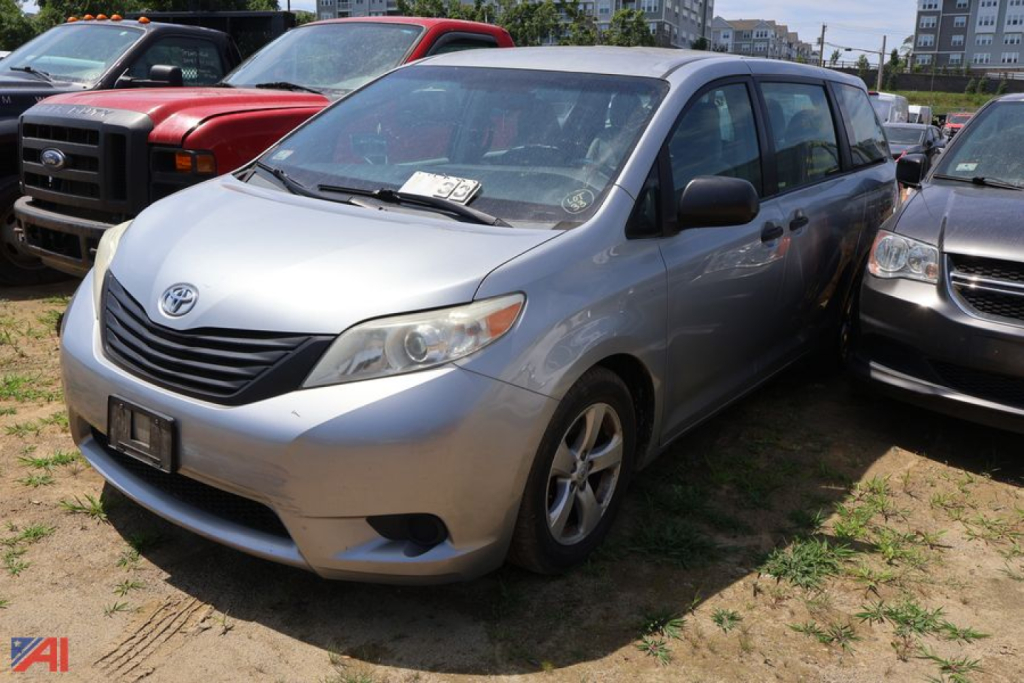
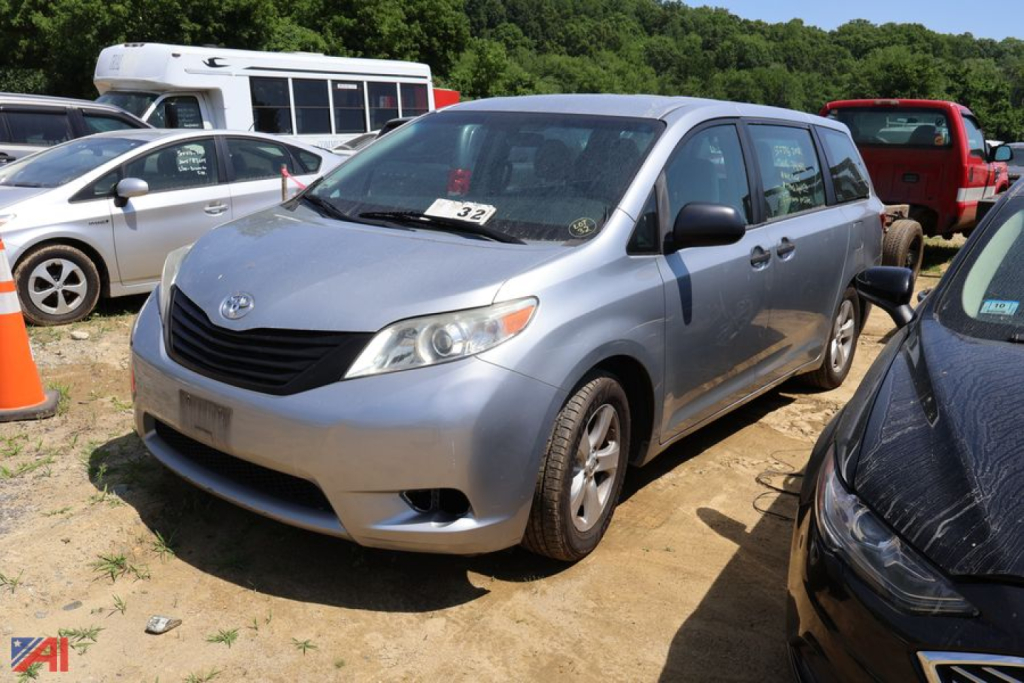
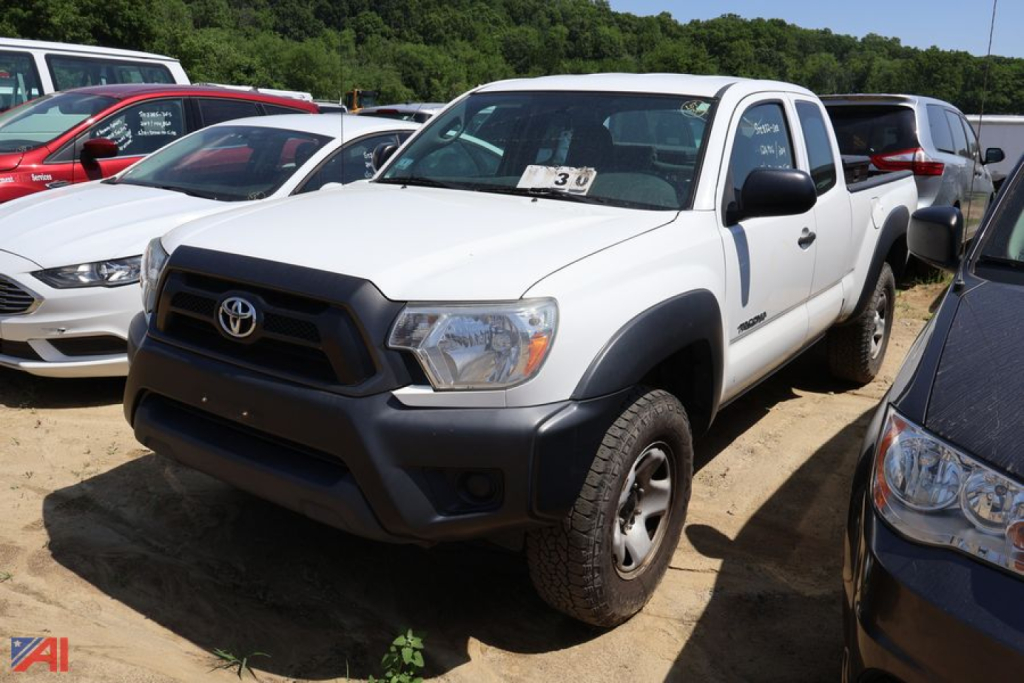
Have toyota truck to sell? List it here to reach thousands of buyers.
Toyota Trucks in Massachusetts
Engine choice matters, but real-world use matters more. Toyota Tacoma trucks are often equipped with four-cylinder or V6 gas engines depending on year and trim, and they are commonly chosen for contractors, inspectors, property maintenance, and small fleet use where maneuverability is a priority. Tundra trucks are typically selected when the job calls for more trailer capacity, a larger cab, and a heavier-duty frame and suspension package. Buyers should verify axle ratio, factory tow package, brake controller provisions, hitch class, and published GVWR if towing is part of the intended use. On any used Toyota truck, pay close attention to frame condition, bed corrosion, suspension wear, brake life, and signs of hard commercial use such as overloaded springs, hitch wear, or uneven tire wear.
In Massachusetts, rust and winter exposure are major buying factors. A clean body can still hide corrosion underneath, so frame rails, crossmembers, brake lines, fuel lines, leaf spring mounts, and cab mounts deserve a close inspection. Service history is important on both Tacoma and Tundra models, especially for transmission maintenance, cooling system service, four-wheel-drive engagement, and steering or front suspension components. If the truck has been upfitted with ladder racks, caps, plows, toolboxes, or contractor bodies, confirm that the electrical work was done cleanly and that the added equipment did not compromise payload capacity or visibility. Buyers comparing listings should also check tire type, remaining tread, and whether the truck is fitted for all-season highway use or more aggressive worksite traction.
Toyota trucks are also known as pickup trucks, and the category covers everything from personal-use light-duty pickups to fleet-assigned work trucks. The best choice depends on how the truck will actually be used day to day. A Tacoma can be the better fit when turning radius, fuel cost, and access to tight streets matter most. A Tundra usually makes more sense when the truck will spend its time carrying crews, hauling heavier loads, or pulling equipment trailers. The smartest comparison is not just model against model, but wheelbase, bed size, curb condition, drivetrain, and maintenance record against the demands of your route, season, and payload.
Frequently Asked Questions about Toyota Trucks in Massachusetts
What is the difference between a Toyota Tacoma and a Toyota Tundra?
The Toyota Tacoma is a midsize pickup truck, while the Toyota Tundra is a full-size pickup truck. Tacoma models are generally easier to maneuver in city traffic, older industrial areas, and tighter jobsite access points. Tundra models are typically better suited for higher towing demands, larger crews, and heavier cargo. The right choice comes down to trailer weight, payload needs, parking constraints, and how much cab space the operation requires.
Is 4WD worth it on a used Toyota truck in Massachusetts?
For many buyers in Massachusetts, 4WD is a practical advantage because of snow, slush, muddy jobsites, and mixed seasonal road conditions. It can improve traction and resale appeal, especially on trucks used outside paved routes. That said, a 2WD Toyota truck can still be a sound buy for highway use, municipal pavement work, or light service routes where winter traction demands are limited. Buyers should balance traction needs against purchase price, front driveline wear, and long-term maintenance.
What should I inspect first on a used Toyota truck?
Start with frame and underbody condition, especially on trucks that have spent years in New England winters. Look closely at frame rails, suspension mounting points, brake and fuel lines, exhaust components, and corrosion around the bed supports and cab mounts. After that, inspect tire wear, steering feel, brake performance, drivetrain operation, and any signs of previous towing or overload use. A solid service record adds value because it helps confirm the condition of the transmission, cooling system, and four-wheel-drive components.
Are Toyota trucks good for commercial and contractor use?
Toyota trucks can work well for commercial use when the truck is matched correctly to the job. Tacoma models are often used for service calls, inspections, property maintenance, and lighter contractor work where maneuverability matters. Tundra models are a better fit for heavier trailer use, larger crews, and jobs that require more bed capacity or a stronger chassis. Buyers should confirm payload ratings, tow equipment, and any aftermarket upfits before putting a used truck into fleet service.
Do aftermarket racks, plows, or toolboxes add value to a Toyota truck?
They can add value if the equipment matches the intended application and has been installed properly. Ladder racks, caps, toolboxes, and similar accessories can make a truck more useful from day one, but buyers should inspect mounting points, wiring quality, and signs of overloading or frame stress. Snowplow setups deserve extra scrutiny because plow use increases wear on the front suspension, steering components, and electrical system. Useful equipment adds value only when the truck's condition still supports dependable service.