
2017 Trucks For Sale in Massachusetts
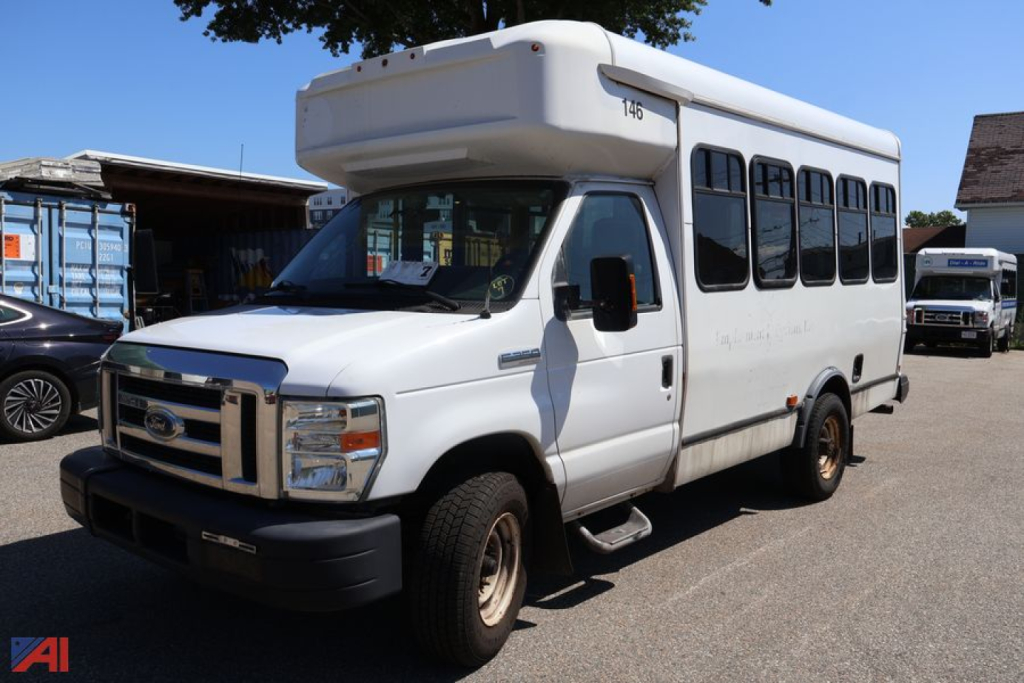
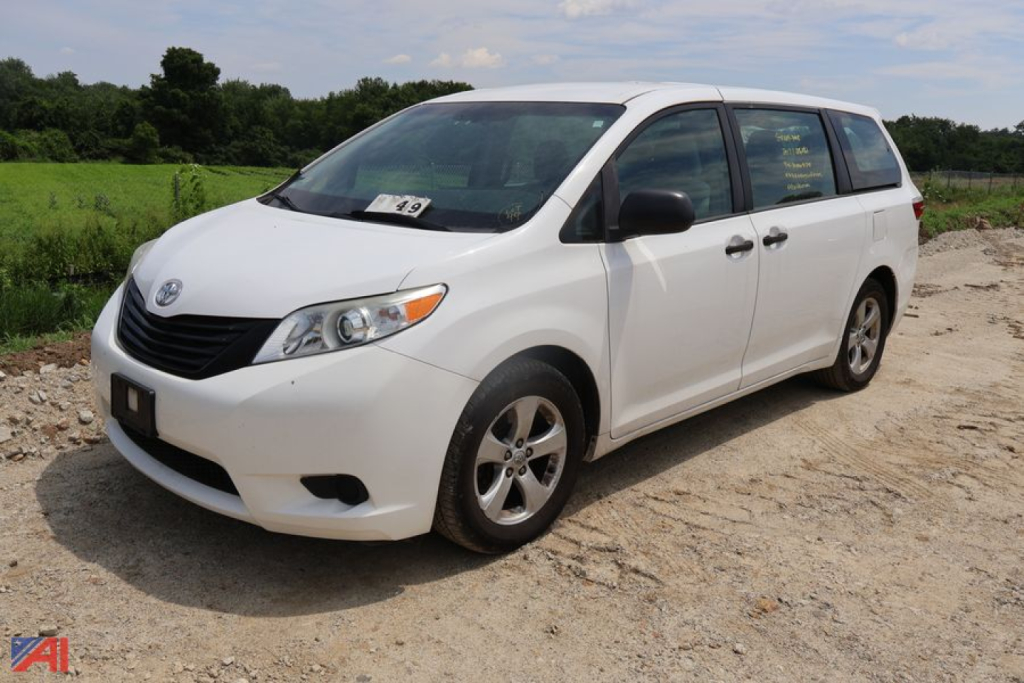
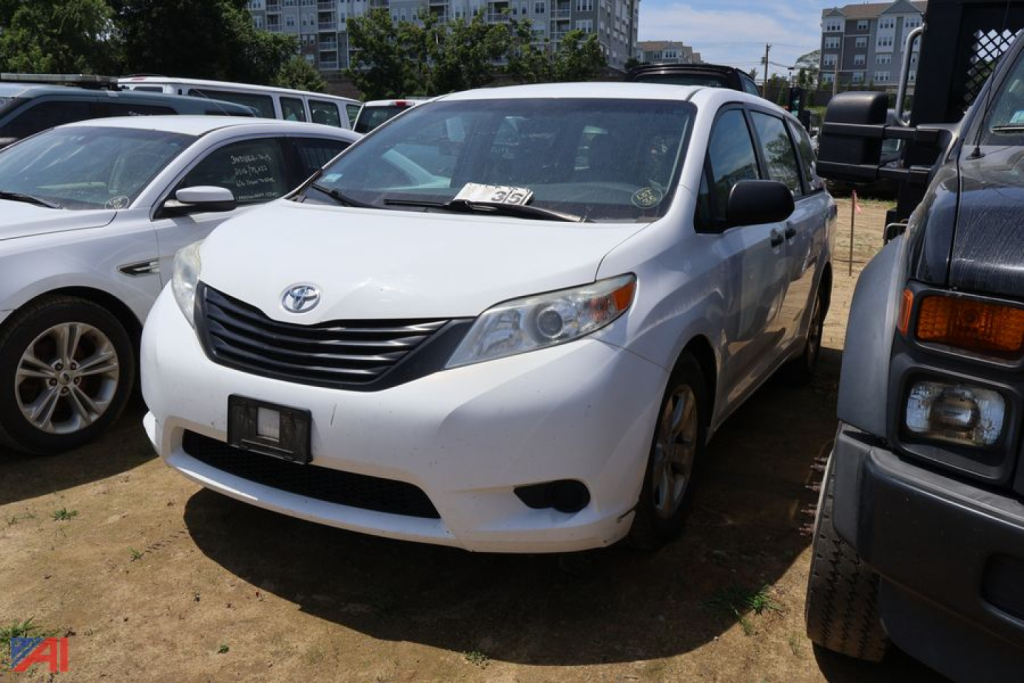
Have 2017 truck to sell? List it here to reach thousands of buyers.
2017 Trucks in Massachusetts
The first decision is usually application, not brand. A 2017 truck used for local construction or landscaping is often judged by GVWR, axle rating, wheelbase, body upfit, PTO compatibility, and rust condition underneath the cab and body. A 2017 road tractor or tandem chassis needs a different review that centers on engine rating, transmission type, rear axle ratio, suspension, brake spec, and any hydraulic wet kit setup. On medium-duty and vocational trucks, common items to verify include frame condition, spring hanger corrosion, plow wiring or spreader controls if applicable, and the service history for DEF, DPF, and EGR components. In New England, corrosion exposure can be just as important as mileage or hours.
For Massachusetts buyers, regional operating conditions shape the inspection checklist. Salt exposure can affect brake lines, crossmembers, cab corners, electrical connectors, dump hoists, and body mounts. Municipal and government-retired 2017 trucks sometimes show lower miles but higher idle hours, which makes engine hours, PTO hours, and maintenance records worth reviewing closely. On service and utility trucks, inspect the body compartments, latch hardware, inverter or compressor systems, and any onboard generator setup. On dump and chassis trucks, pay attention to hoist operation, pin and bushing wear, apron condition, and evidence of frame repairs or upfit changes.
A well-matched 2017 truck can still deliver strong uptime if the chassis spec fits the work. Diesel power remains common in heavier applications, while gas engines may make sense in lighter vocational roles with simpler maintenance needs. Automatic transmissions are common in medium-duty work trucks, while manual and automated manual options still appear in heavier units. The best choice usually comes down to payload, body type, route length, idle time, and how much seasonal corrosion the truck has seen. Buyers comparing 2017 trucks for sale should focus less on age alone and more on complete spec, maintenance discipline, and the quality of the truck's previous job.
Frequently Asked Questions about 2017 Trucks in Massachusetts
What should I look for first when buying a 2017 used truck in Massachusetts?
Start with the chassis spec and the truck’s actual job history. Confirm GVWR, axle ratings, wheelbase, engine and transmission pairing, and any body or PTO equipment. In Massachusetts, corrosion inspection is critical, especially on frames, brake lines, suspension mounts, crossmembers, electrical connections, and body supports. A clean maintenance record and evidence of proper emissions-system service are often more important than odometer reading alone.
Are 2017 trucks a good balance between price and modern features?
For many buyers, yes. A 2017 model year truck often offers updated cab design, electronic controls, improved automatic transmission availability, and modern diesel emissions equipment while still trading below newer late-model units. That makes this year attractive for fleets and owner-operators who want usable technology and current-duty performance without the acquisition cost of a much newer truck.
How important are engine hours on a 2017 truck?
Engine hours matter because they help explain wear that mileage cannot show. This is especially true for municipal trucks, utility trucks, bucket trucks, and other vocational units that spend long periods idling or running PTO-driven equipment. A truck with moderate miles but very high hours may have more engine wear, aftertreatment cycling, and accessory-system use than the odometer suggests. Hours should always be reviewed alongside maintenance records and the truck’s service type.
What emissions components should be checked on a 2017 diesel truck?
A 2017 diesel truck should be evaluated for the condition and service history of its DEF system, DPF, EGR components, sensors, and related wiring. Fault history, parked regeneration frequency, injector issues, and prior aftertreatment repairs can all affect operating cost. A proper scan for active and inactive fault codes is a smart part of the pre-purchase process, especially on trucks used in stop-and-go or high-idle applications.
Do government or municipal 2017 trucks make good used purchases?
They can, provided the buyer understands the tradeoff. Government and municipal trucks are often maintained on schedule and may have relatively low road miles, but they can also show high idle time, seasonal corrosion, and wear tied to plow duty, PTO use, or repeated short-trip operation. The value is usually strongest when maintenance records are available and the buyer performs a careful inspection of the frame, hydraulics, electrical system, and underbody.