
Used Conventional Sleeper Trucks For Sale in North Carolina
Shop used conventional sleeper trucks in North Carolina. Compare sleeper sizes, engines, transmissions, mileage, and long-haul specs.
Learn more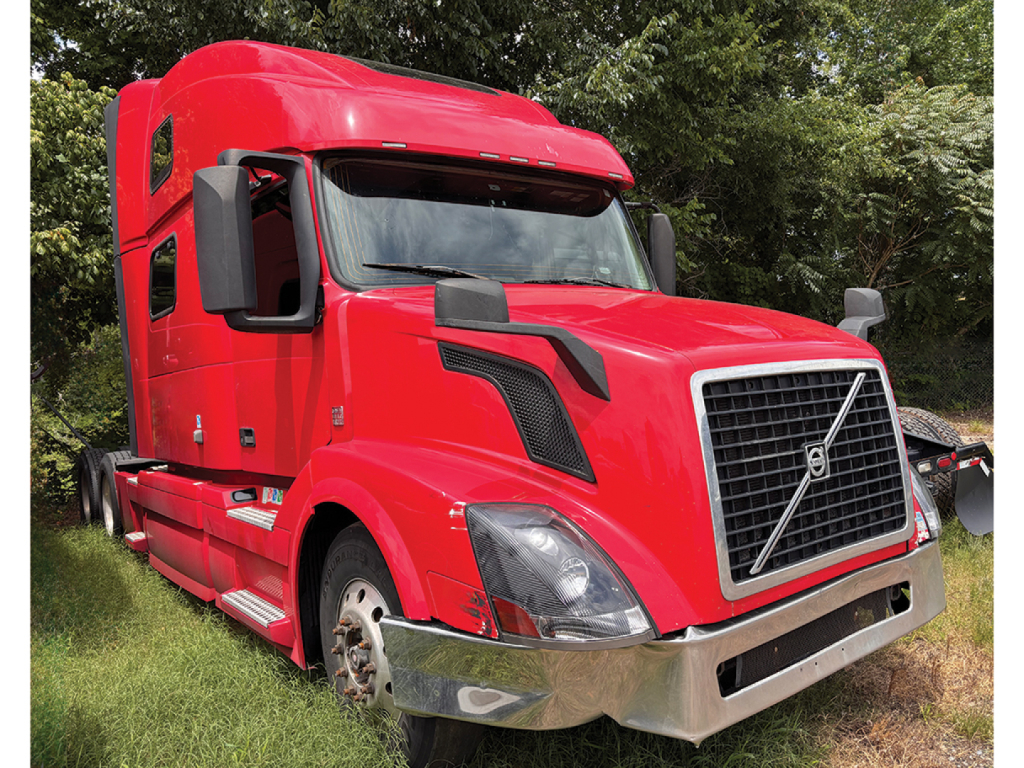
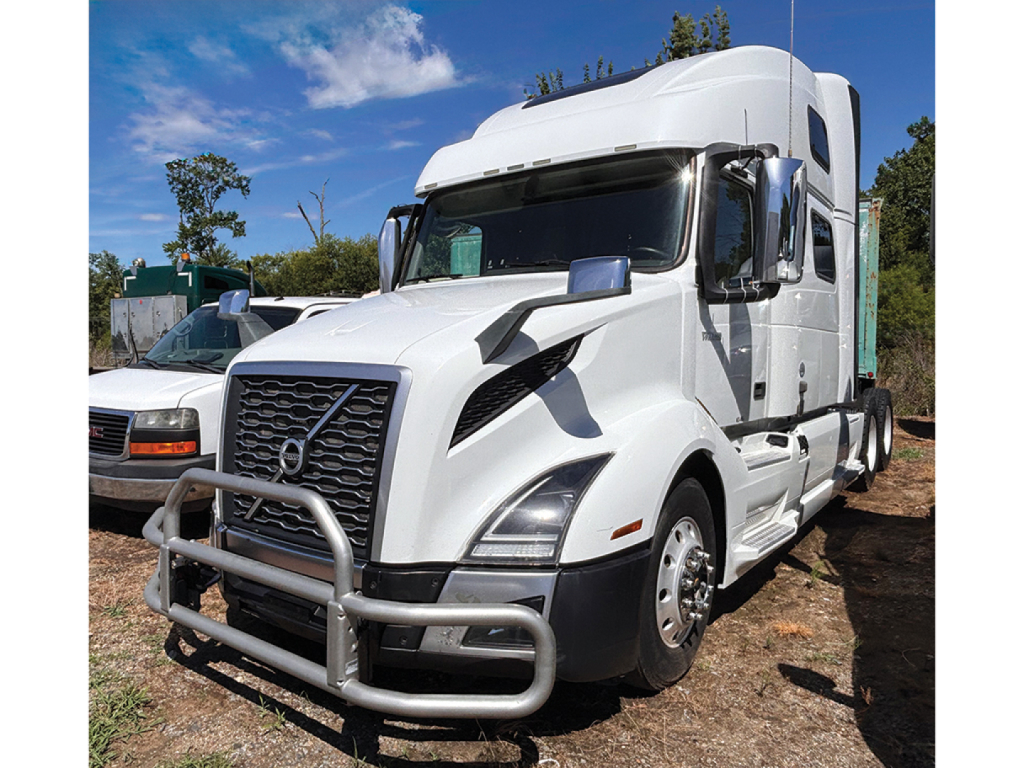
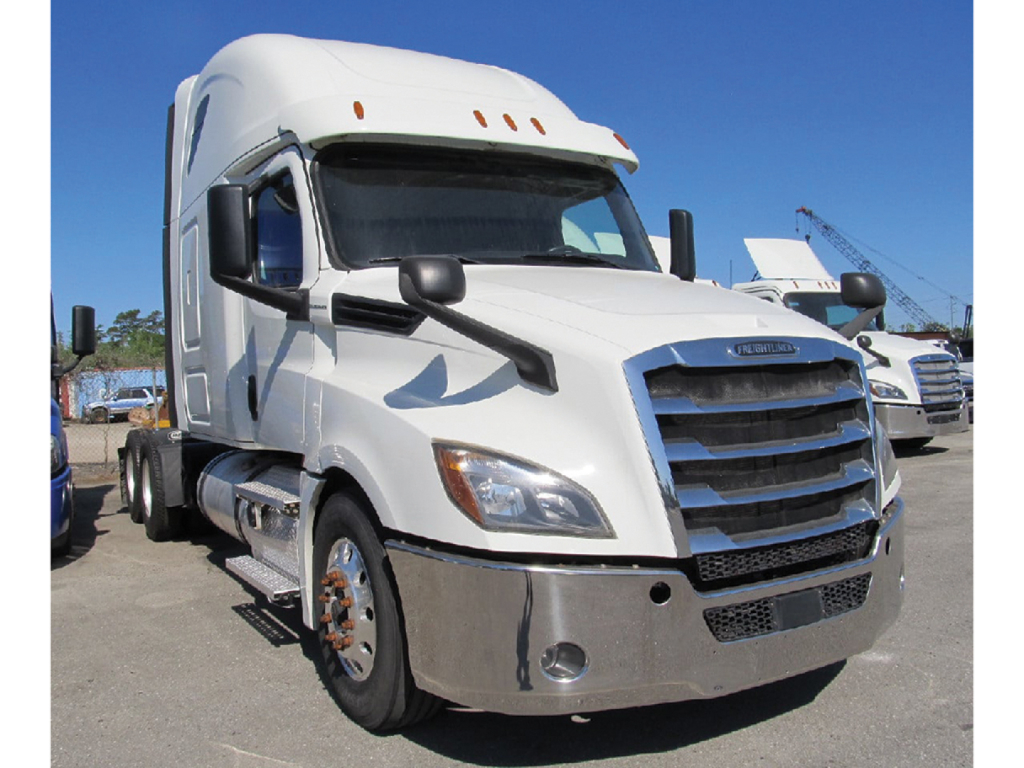
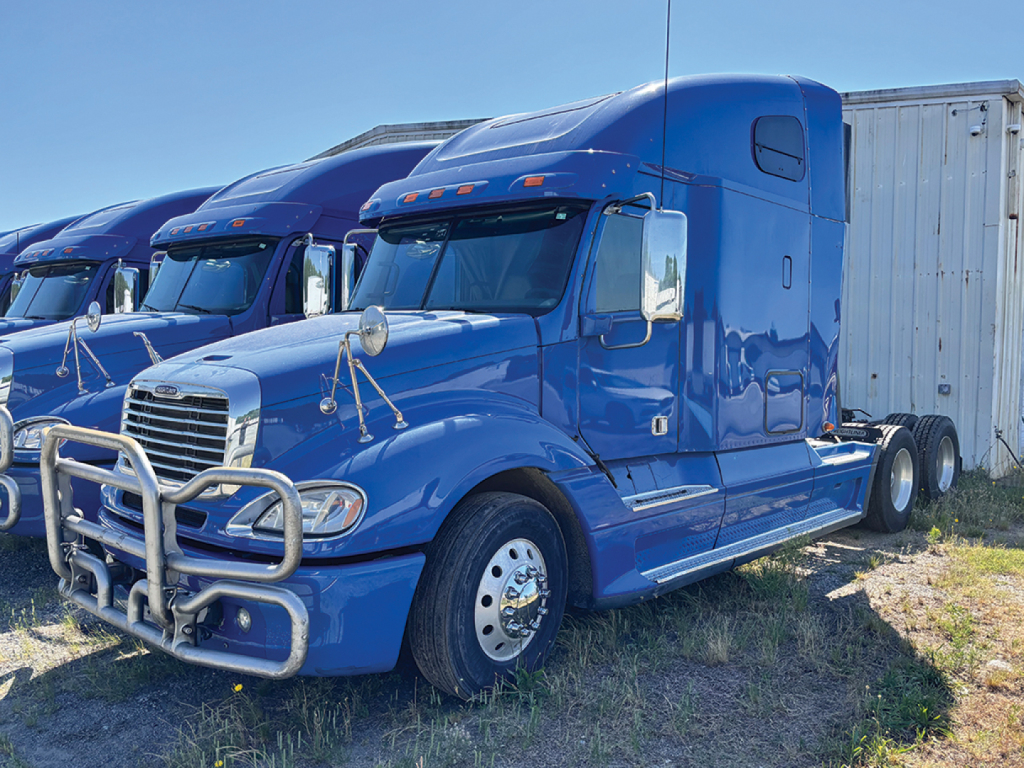
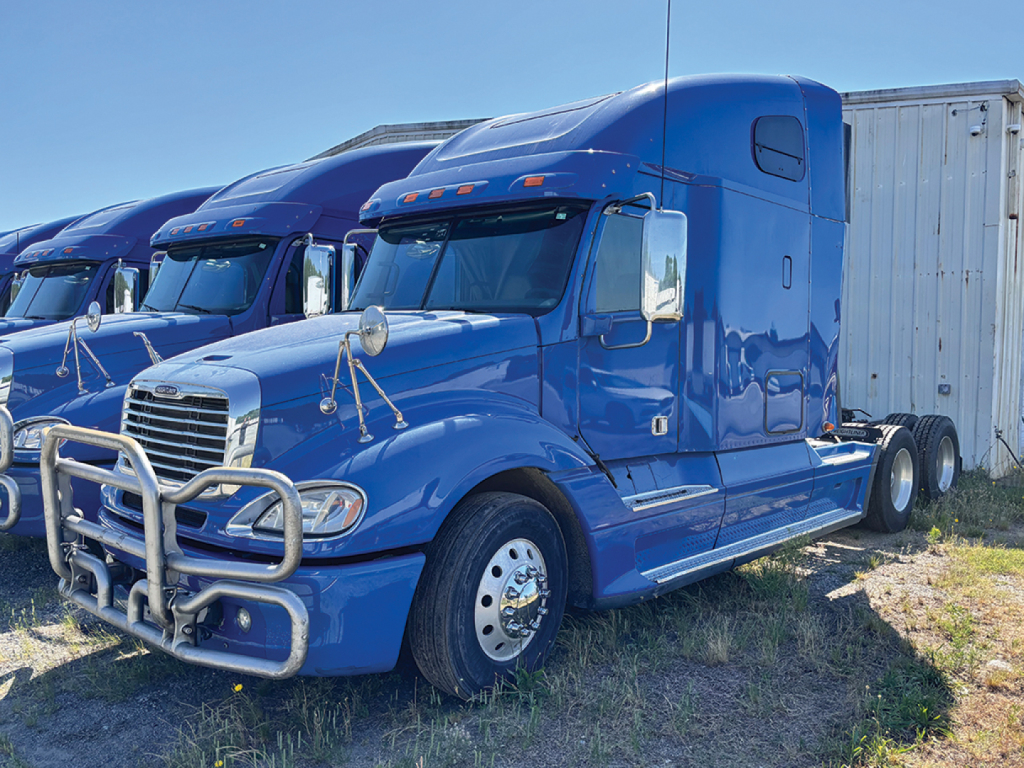
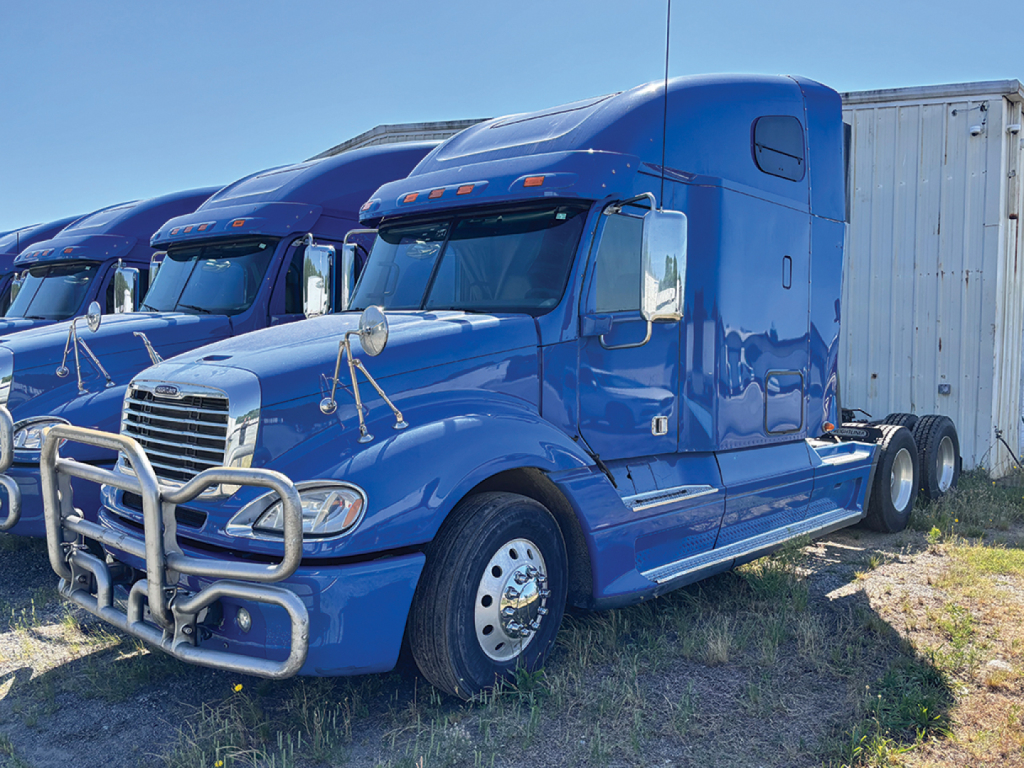

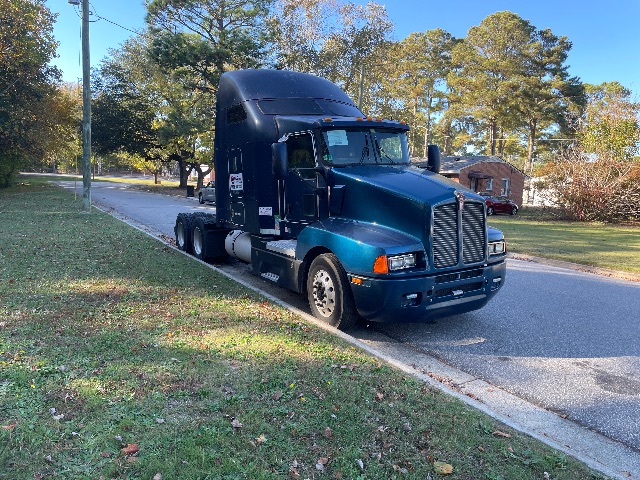
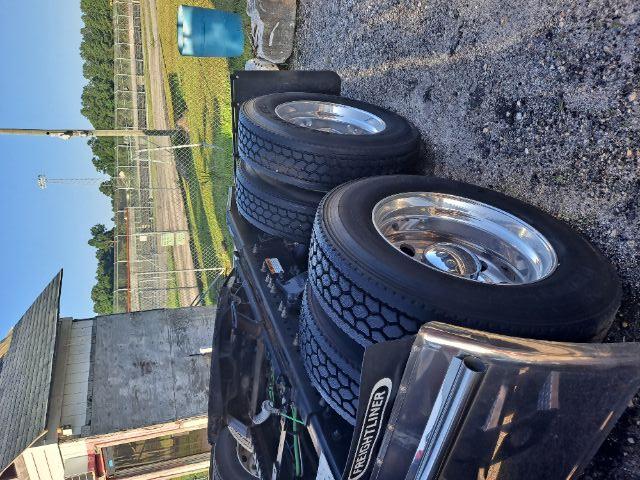
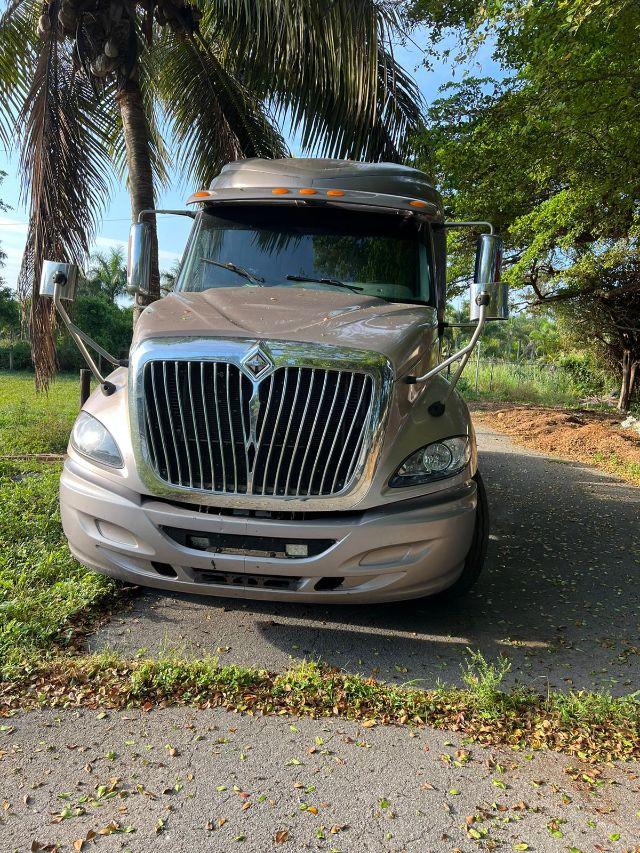
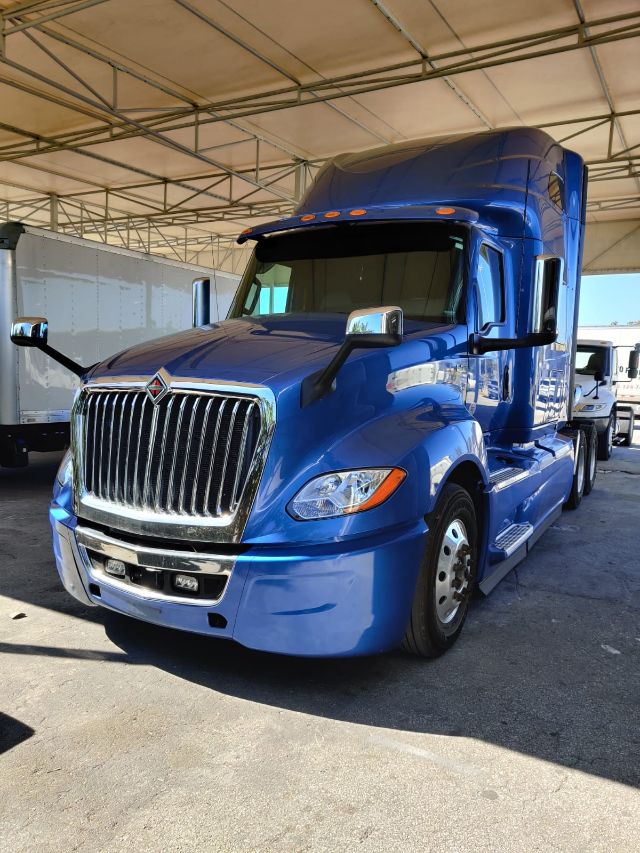
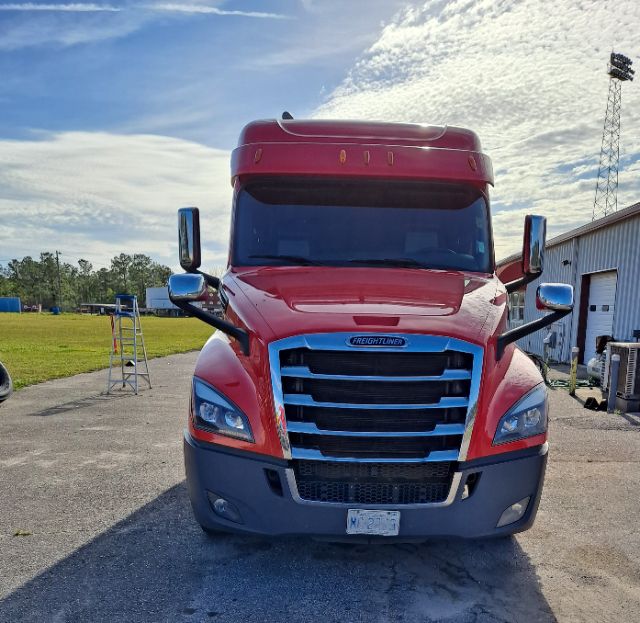
Showing 73 to 84 of 85 results
Have used conventional sleeper truck to sell? List it here to reach thousands of buyers.
About Used Conventional Sleeper Trucks in North Carolina
The big buying decisions usually start with the powertrain. Common engines in this category include the Detroit DD13 and DD15, Cummins X15, Paccar MX-13, and in older units, engines such as Caterpillar or MaxxForce depending on make and model. Most used conventional sleepers are spec'd with automated manual transmissions, though 10-speed and 13-speed manuals still show up in vocational-haul or owner-operator style specs. Rear axle ratios, horsepower, and wheelbase should match the freight. A fleet truck geared for fuel economy on van freight is a different animal than a high-horsepower sleeper spec'd for heavier loads, mountain lanes, or show-truck style applications. Buyers should also look closely at emissions history, idle hours, APU presence, and maintenance records for DPF, SCR, DEF, turbo, and aftertreatment components.
Sleeper configuration matters more than many buyers expect. Mid-roof and raised-roof sleepers can range from compact single bunks to larger double bunk setups with cabinets, refrigerator space, inverter prep, and parking HVAC options. For teams or extended runs, interior layout and bunk access can affect driver retention and uptime. On the chassis side, check front axle set-back, fairings, fuel capacity, frame condition, fifth wheel wear, suspension type, and tire condition. Driver-assist and efficiency features on newer conventional sleepers may include adaptive cruise control, collision mitigation, lane departure warning, optimized idle, and tire inflation systems. Those features can improve operating cost, but only if the truck's electronics and service history are solid.
A used conventional sleeper should be evaluated as a revenue tool, not just a cab with a bed. Mileage is only one part of the picture. Engine hours, idle-to-road ratio, service documentation, clutch or AMT calibration history, and signs of consistent PM intervals usually tell more about remaining life than the odometer alone. In North Carolina, rust is often less severe than in northern road salt markets, but buyers should still inspect cab mounts, battery boxes, crossmembers, air tanks, exhaust brackets, and the underside for corrosion or repair work. The best fit comes from pairing sleeper size, engine rating, axle ratio, and transmission to the lanes, gross weights, and home-time schedule the truck is expected to handle.
Frequently Asked Questions
What is a conventional sleeper truck?
A conventional sleeper truck is a highway tractor with a hooded front end and an integrated sleeper compartment mounted behind the cab. It is designed for long-haul or overnight operations where the driver needs a legal and practical place to rest between shifts. Compared with a day cab, a sleeper tractor adds living space, storage, and often larger fuel capacity, which makes it better suited for over-the-road freight.
What should I check first on a used conventional sleeper truck?
Start with engine make, transmission type, mileage, engine hours, and maintenance records. After that, inspect aftertreatment service history, APU use, sleeper condition, tire wear, suspension condition, and signs of frame or cab corrosion. A truck with higher miles but strong records and reasonable idle hours can be a better buy than a lower-mile unit with poor emissions history or neglected PM intervals.
Which sleeper size is best for long-haul trucking?
The right sleeper size depends on the length of haul, number of nights on the road, and whether the truck will be used solo or in team service. A smaller single bunk sleeper can work well for regional overnight runs, while a raised-roof double bunk sleeper is usually the better choice for long-haul or team applications. Storage, standing room, HVAC support, and bunk layout all affect day-to-day comfort and driver retention.
Are automatic transmissions common in used conventional sleeper trucks?
Yes. Automated manual transmissions are now very common in used conventional sleepers, especially in late-model fleet specs from Freightliner, International, Kenworth, Peterbilt, and Volvo. They help with fuel efficiency, reduce driver fatigue, and simplify hiring in fleets that want broader driver compatibility. Manual 10-speed and 13-speed transmissions still appear in older trucks and in some owner-operator or heavy-haul oriented specs.
Is high mileage a deal breaker on a used sleeper tractor?
Not by itself. High mileage is acceptable if the truck has been maintained correctly and the engine hours, idle ratio, emissions service, and drivetrain condition support the odometer reading. A highway truck with steady preventive maintenance and mostly road miles can have more usable life than a lower-mile truck with excessive idle time, poor service history, or repeated aftertreatment problems.