
Used 1999 Conventional Sleeper Trucks For Sale in North Carolina
Browse used 1999 conventional sleeper trucks in North Carolina. Compare sleeper sizes, engines, wheelbase, transmission, and axle specs.
Learn more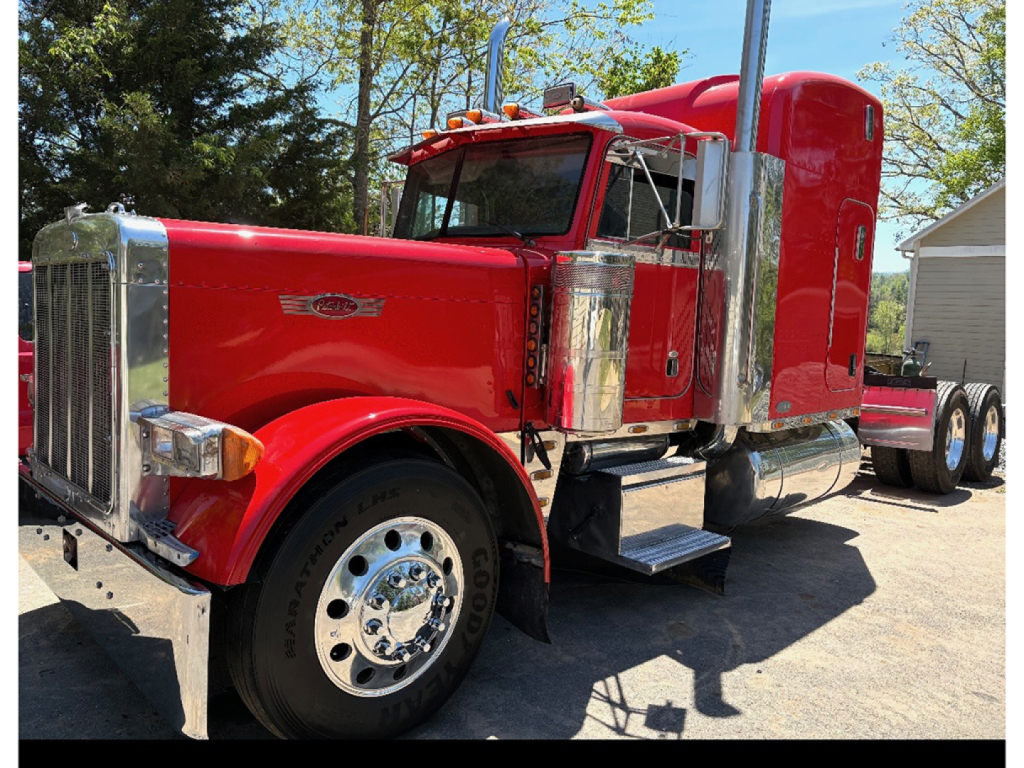

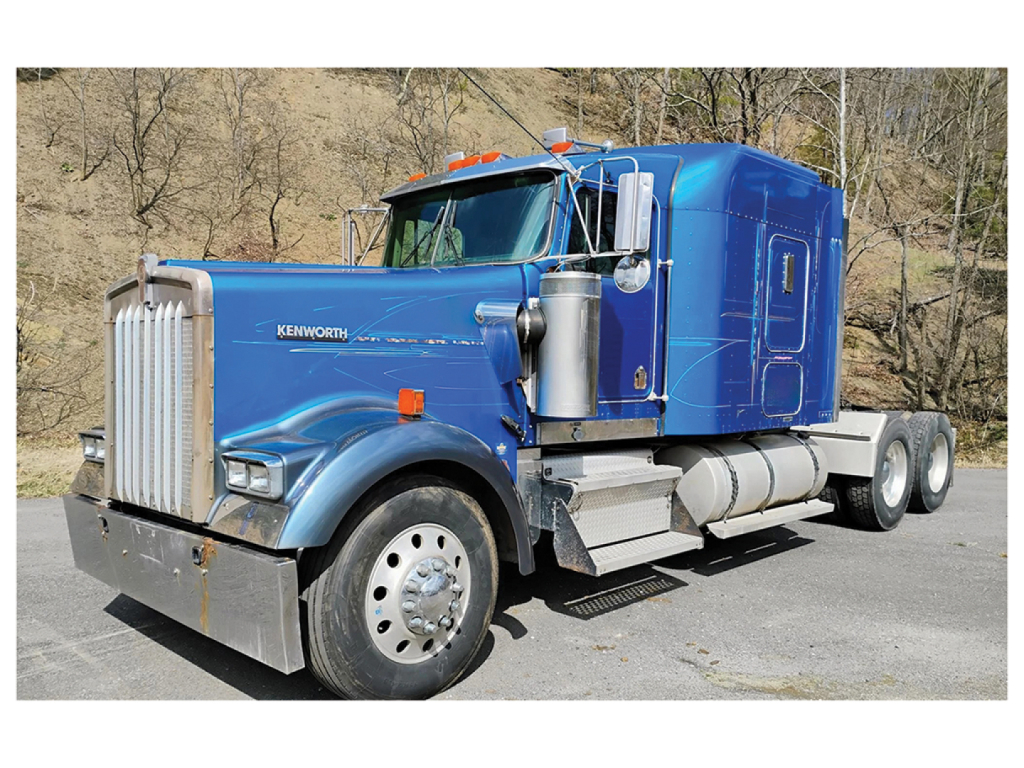
Have used 1999 conventional sleeper truck to sell? List it here to reach thousands of buyers.
About Used 1999 Conventional Sleeper Trucks in North Carolina
Sleeper configuration matters more than many buyers expect. A 48-inch sleeper can work well for shorter runs or owner-operators who want to keep wheelbase manageable, while 63-inch to 70-inch raised-roof sleepers offer better storage and livability for teams or extended weeks on the road. Wheelbase, fifth wheel placement, and kingpin settings should be checked against the trailers you plan to pull, especially if the truck has an extended hood or a stretched frame. North Carolina buyers also tend to pay close attention to turning radius, bridge law fit, and how easily the truck will move through ports, distribution centers, and tighter regional lanes around Charlotte, the Triad, and eastern freight corridors.
On a 1999 sleeper tractor, condition is more important than age alone. Service records, overhaul history, brake and suspension wear, frame condition, and signs of driveline neglect usually tell the real story. Many trucks from this era are valued for their simpler electronics and easier access to major components, but buyers should still inspect the cooling system, steering components, air system, clutch, differential condition, and any oil or coolant leaks. Interior wear matters too because seat bases, bunk hardware, HVAC performance, gauges, and window regulators can become recurring expenses on older road tractors. Tire size, aluminum versus steel wheels, and fuel tank material can also affect operating cost and intended use.
The best used 1999 conventional sleeper truck depends on whether you want a highway-spec tractor, a heavy-haul capable platform, or a classic owner-operator truck with long-hood styling. Higher horsepower engines and 3.55 to 3.91 rear ratios generally suit buyers who need stronger pull and flexibility across varying loads, while faster highway gearing may favor fuel mileage on lighter freight. Air slide fifth wheels, engine brakes, fairings, APUs added later, and stand-up sleeper designs all add practical value depending on the route profile. For many buyers, this category remains attractive because it combines proven mechanical components, strong parts support, and the kind of spec choices that still matter in real-world trucking.
Frequently Asked Questions
What engines are common in a used 1999 conventional sleeper truck?
Used 1999 conventional sleeper trucks commonly feature Caterpillar, Detroit Diesel, or Cummins engines, depending on make and original spec. Popular examples from this era include the Caterpillar 3406E, Detroit Series 60, and Cummins N14 or early ISX-family engines. Buyers usually compare horsepower, torque rating, engine brake setup, service history, and rebuild documentation more closely than brand alone because engine condition drives the truck's remaining value.
Is a 1999 conventional sleeper truck a good choice for long-haul work?
It can be a strong long-haul option if the truck has been maintained properly and the sleeper size matches the route. Many 1999 models were built with durable drivetrains, dual fuel tanks, and sleeper layouts suited for over-the-road use. The main consideration is current mechanical condition, including engine health, cooling system performance, suspension wear, and cab comfort items such as air conditioning and bunk condition, since downtime on an older truck can quickly outweigh the lower purchase price.
What sleeper size should I look for on a 1999 conventional truck?
A 48-inch sleeper is usually enough for solo drivers running shorter trips or buyers who want a shorter overall tractor. A 63-inch or 70-inch sleeper generally gives better storage, more headroom, and improved comfort for longer weeks on the road. Buyers should balance sleeper size against wheelbase, trailer gap, maneuverability, and total tractor weight because a larger sleeper adds comfort but can limit flexibility in tighter applications.
What should I inspect first on a used 1999 conventional sleeper in North Carolina?
Start with frame condition, engine records, transmission operation, clutch wear, suspension type, rear axle condition, brakes, and tire condition. Then verify the wheelbase, fifth wheel setup, and axle ratio match the freight and trailers you plan to run. In North Carolina, buyers often also consider how the truck will handle a mix of interstate miles, port-related freight, and tighter urban or warehouse access, so practical maneuverability and cooling system reliability matter.
Are manual transmissions more common in 1999 conventional sleeper trucks?
Yes, manual transmissions are very common in 1999 conventional sleeper trucks, especially 10-speed and 13-speed setups. These transmissions were standard in many highway and owner-operator specs from that period and remain attractive to buyers who want direct control, easier field service, and compatibility with older drivetrains. When evaluating one, pay attention to shift quality, clutch engagement, transmission noise, and signs of heavy-use wear in the driveline.