
Used 2019 Conventional Sleeper Trucks For Sale in North Carolina
Shop used 2019 conventional sleeper trucks in North Carolina. Compare roof heights, engines, wheelbases, drivetrains, and sleeper specs.
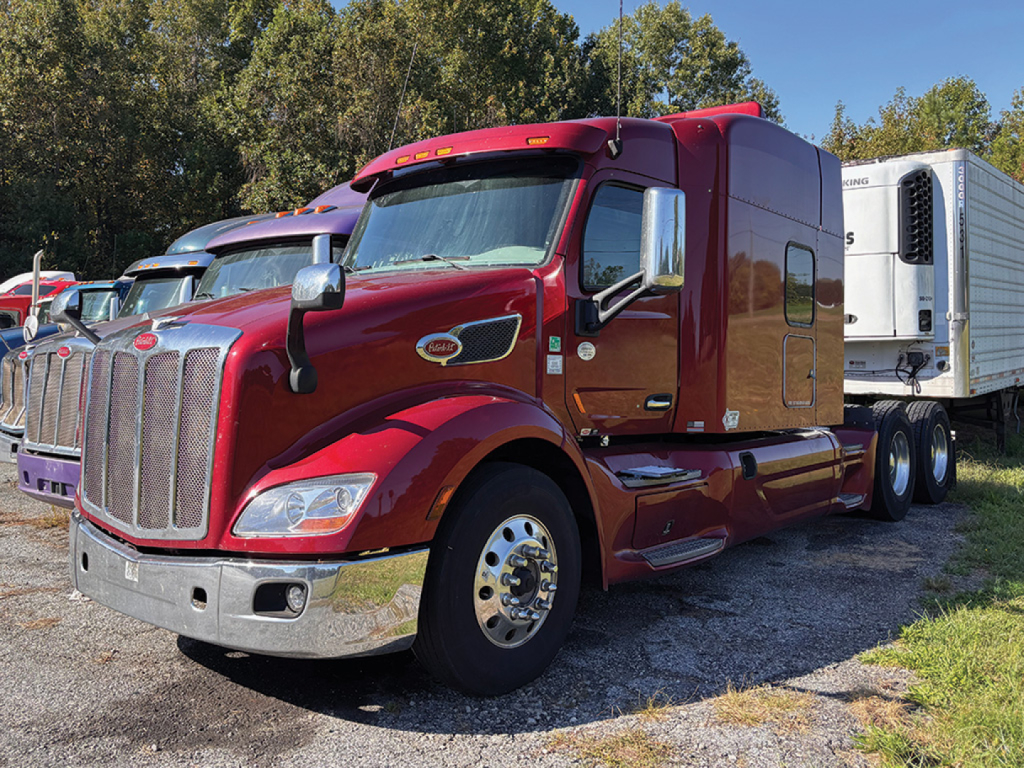
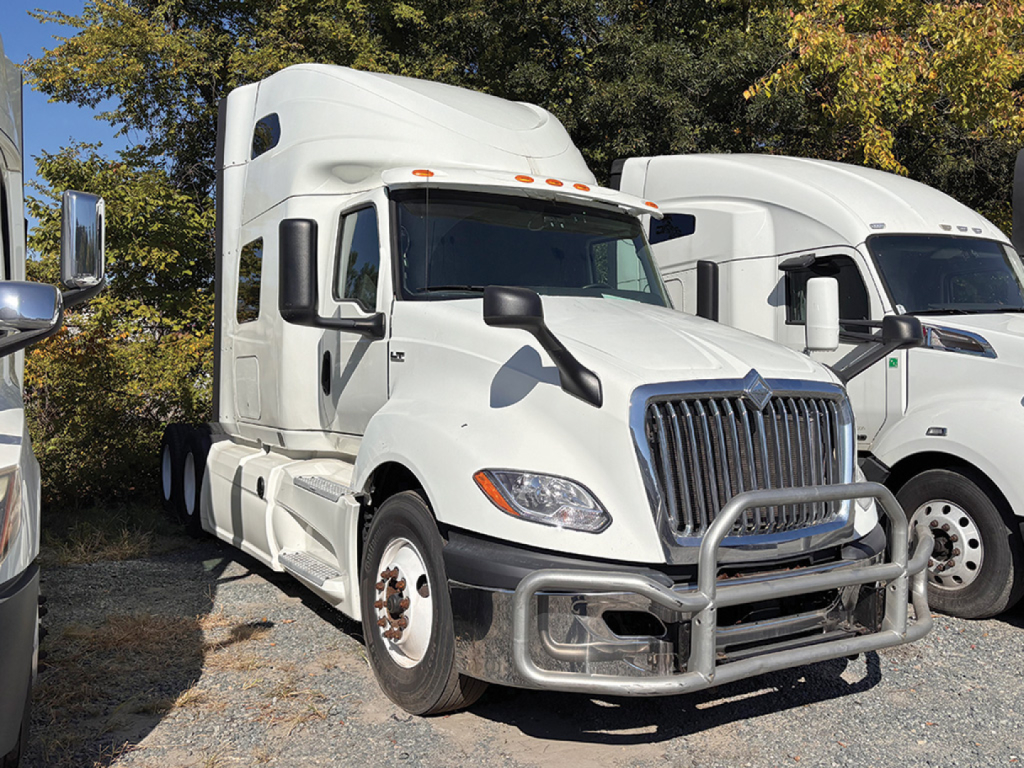

Selling a used 2019 conventional sleeper truck? List your used 2019 conventional sleeper truck for sale and reach thousands of commercial buyers.
Used 2019 Conventional Sleeper Trucks in North Carolina
The biggest buying decision is usually the powertrain. Many 2019 conventional sleepers were ordered with engines in the 400 to 500 horsepower range and torque ratings around 1,650 to 1,850 lb-ft, with common choices including the Cummins X15, PACCAR MX-13, Detroit DD15, Volvo D13, and similar heavy-duty platforms. Automated manual transmissions are common in this year range because fleets were already prioritizing fuel economy, easier driver onboarding, and lower clutch wear, though some manual 10-speed, 13-speed, and 18-speed trucks still show up in owner-operator specs. Rear axle ratios like 2.64, 2.79, 2.85, or 3.08 are typical on aerodynamic fleet trucks, while taller rubber, heavier vocational crossover specs, or mountain-heavy lanes may push a buyer toward shorter gearing.
Sleeper layout and chassis spec deserve as much attention as engine make. Raised-roof and high-roof sleepers give better stand-up room and more storage for team operations or longer dispatch cycles, while mid-roof or flat-top sleepers can work well for weight-sensitive or regional applications. Check bunk arrangement, bunk heater or APU presence, inverter setup, cabinet layout, and idle-management equipment if driver retention is a concern. On the chassis side, look at wheelbase, fifth wheel travel, air ride suspension design, fuel capacity, fairings, and brake type. Disc brakes, collision mitigation, adaptive cruise, lane departure systems, and tire pressure monitoring became more common around this period, and those features can affect both maintenance cost and insurance appeal.
For North Carolina buyers, a 2019 conventional sleeper often fits a wide mix of port, regional, and long-haul lanes moving through Charlotte, the Triad, and I-40, I-77, I-85, and I-95 corridors. A truck that spends most of its time in the Southeast may be spec'd differently than one built for heavier grades or coast-to-coast freight, so service history matters more than brand alone. Look closely at engine hours versus odometer miles, DPF and aftertreatment records, suspension wear, kingpin and bushing condition, fairing damage, and signs of previous fifth wheel or frame modification. A well-maintained 2019 sleeper can still offer modern emissions hardware, driver-friendly controls, and solid resale value, provided the spec matches the freight and the maintenance file supports the asking price.
Frequently Asked Questions about Used 2019 Conventional Sleeper Trucks in North Carolina
What is a conventional sleeper truck?
A conventional sleeper truck is a highway tractor with an engine mounted ahead of the cab and a built-in sleeping compartment behind the driver area. It is designed for over-the-road use where the driver needs rest space, storage, and added comfort for multi-day trips. In the used market, this category includes aerodynamic fleet tractors and long-hood owner-operator trucks with varying sleeper sizes, roof heights, and drivetrain specs.
What should I check first on a used 2019 conventional sleeper truck?
Start with the maintenance history, engine hours, and emissions-system records. A 2019 truck is new enough that DPF, DEF, EGR, and aftertreatment service history can tell you a lot about how it was operated and maintained. After that, review the full spec sheet for horsepower, torque, transmission type, rear axle ratio, wheelbase, and sleeper size so you know the truck actually fits your lanes and trailer setup. Tire wear, brake condition, suspension wear, and signs of frame or fairing damage also deserve a close inspection.
Are 2019 conventional sleeper trucks mostly automatic?
Many are equipped with automated manual transmissions because fleets in that period were strongly focused on fuel economy, driver availability, and reduced drivetrain abuse. You can still find manual transmissions, especially in owner-operator or heavy-haul-oriented specs, but automated units are common in the 2019 model year. The right choice depends on your operation, driver preference, terrain, and maintenance approach rather than resale trends alone.
What sleeper size is best for over-the-road work?
For most long-haul applications, a 72-inch to 80-inch raised-roof or high-roof sleeper is the most practical choice because it gives more standing room, storage, and livability. That matters on extended dispatches, team operations, and jobs where drivers carry more gear or stay out for longer periods. Smaller sleepers can still work well in regional service, but they usually trade comfort and storage for a shorter wheelbase and sometimes lower overall weight.
Is a used 2019 conventional sleeper truck a good fit for North Carolina freight?
Yes, a 2019 sleeper can be a strong fit for North Carolina freight if the spec matches the route structure and trailer type. Trucks running the Southeast often benefit from fuel-efficient rear axle ratios, aerodynamic fairings, and automated transmissions, while heavier or hillier lanes may justify different gearing and drivetrain settings. The key is matching the truck to the freight, then confirming it has a solid service record and no unresolved emissions or chassis issues.