
Used 2015 Conventional Sleeper Trucks For Sale in North Carolina
Shop used 2015 conventional sleeper trucks in North Carolina. Compare sleeper size, engine, transmission, wheelbase, and road-ready specs.
Learn more
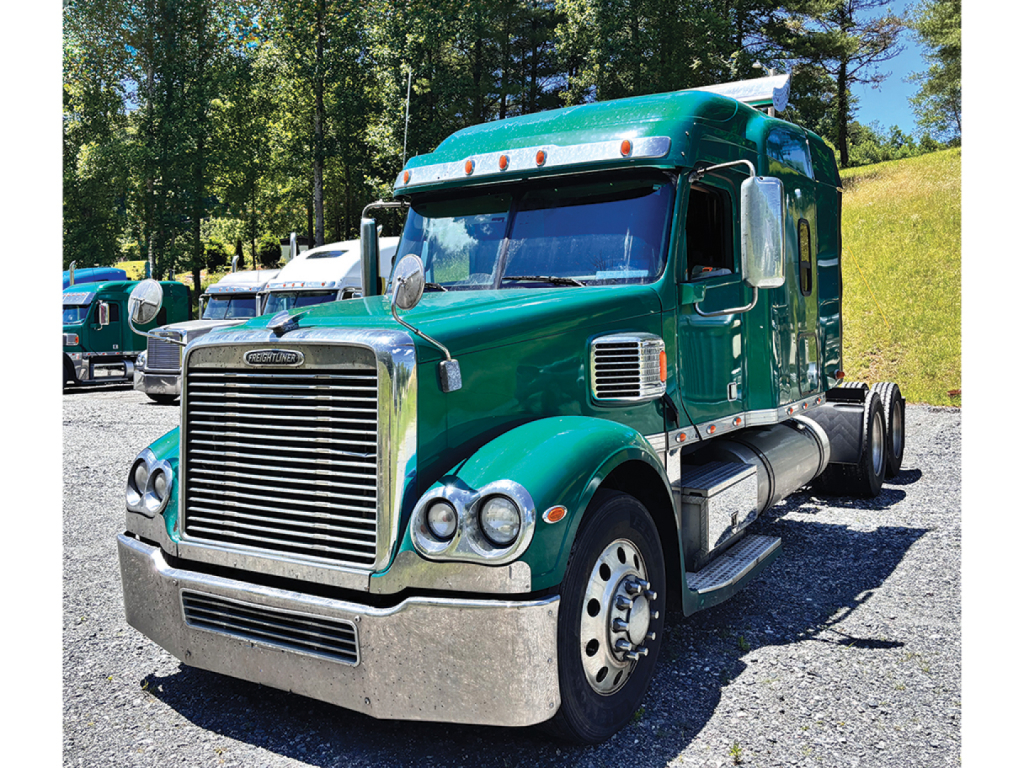
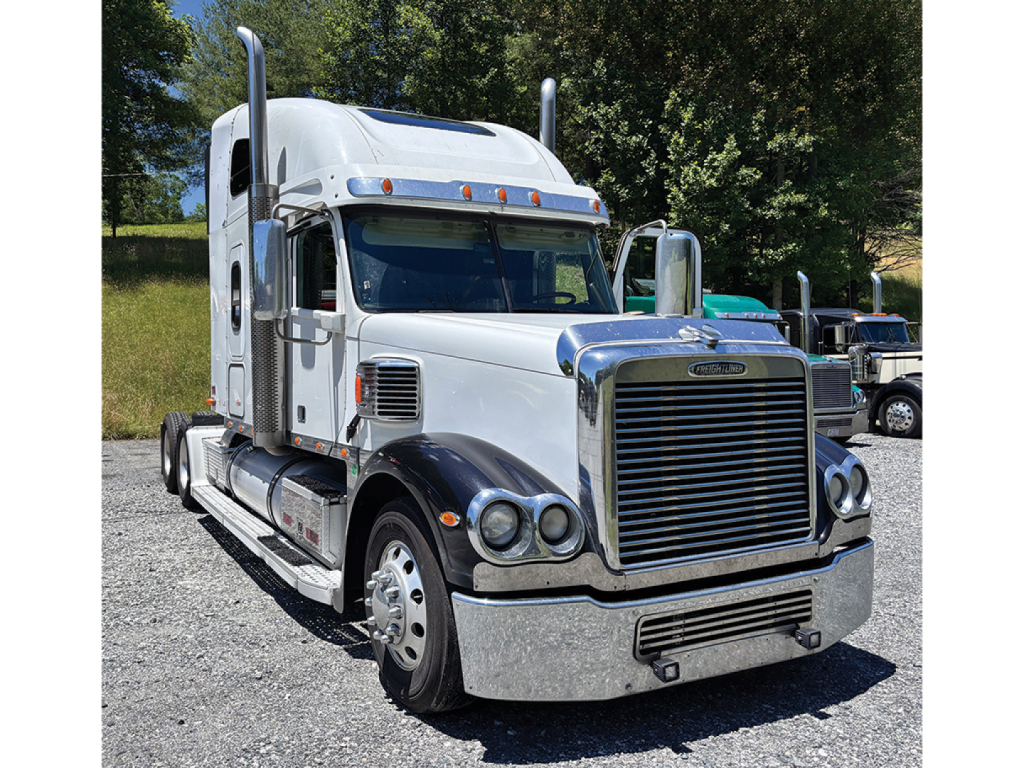
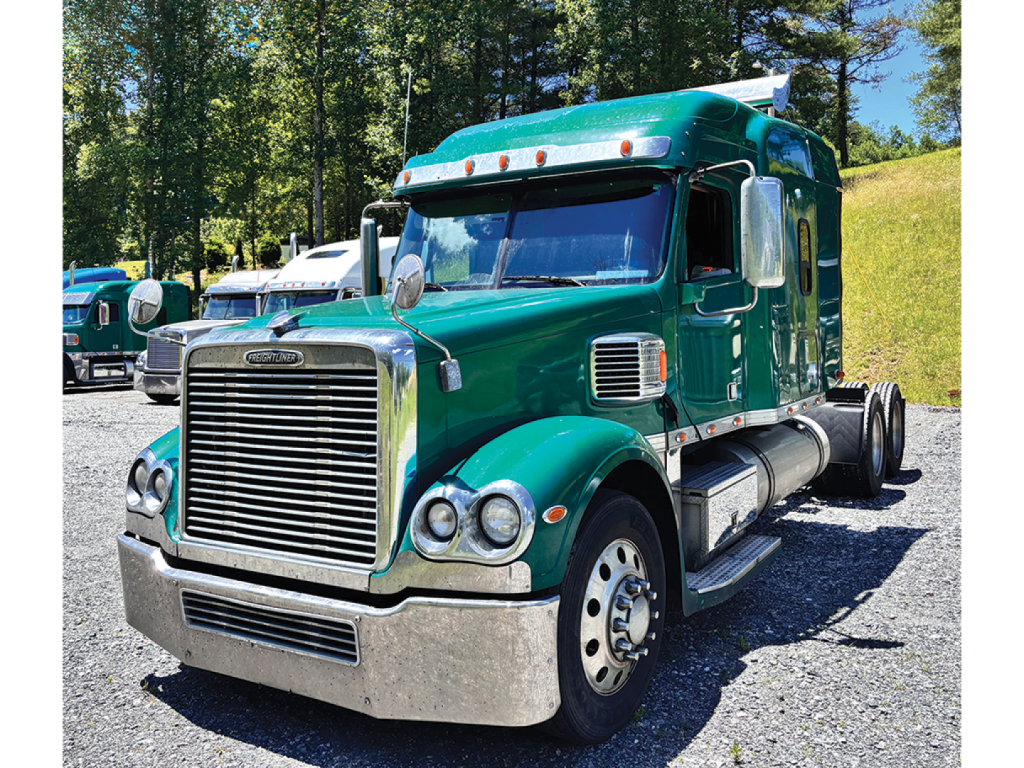
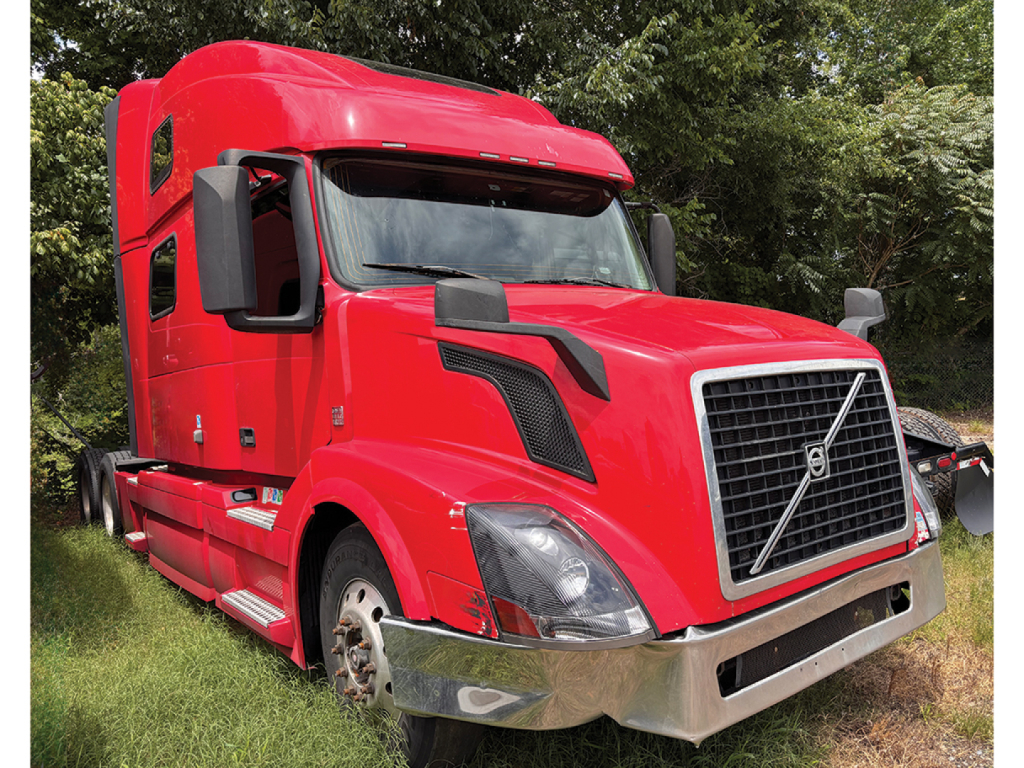
Have used 2015 conventional sleeper truck to sell? List it here to reach thousands of buyers.
About Used 2015 Conventional Sleeper Trucks in North Carolina
For a 2015 conventional sleeper, pay close attention to the powertrain before focusing on appearance. Common engine platforms in this era include Detroit, Cummins ISX, and Paccar MX families, often in ratings from roughly 400 to 500 plus horsepower. Manual 10-speed and 13-speed transmissions are common, while some trucks were spec'd with automated manuals for easier driver onboarding and better fuel economy consistency. Rear axle ratios such as 2.64, 3.08, 3.25, 3.42, or 3.55 tell you a lot about the truck's intended use. A taller highway ratio can keep RPM down for fuel mileage, while a deeper ratio may fit heavier loads, hill work, or more stop-and-go service. Many 2015 sleepers also carry 40,000 lb rears, air ride suspension, dual fuel tanks, and an air slide fifth wheel, which gives flexibility across trailer lengths and load distribution needs.
The sleeper itself deserves a close look because layout affects resale and day-to-day productivity. Mid-roof and raised-roof sleepers in the 60 to 80 inch range are common, with features such as upper bunks, bunk heaters, cabinets, refrigerator prep, and inverters showing up depending on original spec. If the truck will stay out for several nights at a time, storage, standing room, HVAC performance, and noise level matter more than chrome. If the truck is for regional or dedicated work, a smaller sleeper may make sense if it helps keep wheelbase shorter and payload flexibility higher. Wheelbase remains a practical buying factor because it affects turning radius, trailer gap, and how the truck fits certain vocational crossover applications.
On any used 2015 conventional sleeper truck, maintenance history and emissions condition are critical. This model year sits well into the modern emissions era, so buyers should evaluate EGR, DPF, and DEF system service records along with engine hours, idle time, and any evidence of repeated aftertreatment repairs. Front axle wear, suspension condition, clutch life on manual trucks, fifth wheel wear, and tire pattern can tell you a lot about how the truck was operated. A clean 2015 sleeper can still be a cost-effective way to add highway capacity, but the right truck is the one with a spec that matches the freight, the terrain, and the driver's time away from home.
Frequently Asked Questions
What should I look for first on a used 2015 conventional sleeper truck?
Start with the powertrain spec and service history. Engine make, horsepower, transmission type, rear axle ratio, and maintenance records will affect operating cost more than cosmetic features. On a 2015 truck, emissions-system history is especially important, including EGR, DPF, and DEF repairs, forced regens, sensor replacement, and any aftertreatment downtime. After that, look at sleeper size, wheelbase, tire wear, suspension condition, and signs of excessive idle hours or poor preventive maintenance.
Is a 2015 conventional sleeper truck good for long-haul freight?
Yes, a 2015 conventional sleeper truck is commonly used for long-haul and regional over-the-road service. Many were spec'd for dry van, reefer, and general freight with raised-roof sleepers, dual fuel tanks, air ride suspension, and highway-friendly gearing. The best fit depends on route length and freight weight. Trucks with larger sleepers and taller rear axle ratios are usually better suited for extended highway use, while shorter wheelbase or smaller sleeper units may be a better match for regional lanes with tighter maneuvering requirements.
What rear axle ratio is best in a 2015 sleeper truck?
The best rear axle ratio depends on the freight and the terrain. Ratios like 2.64 or 2.79 are typically chosen for fuel-efficient highway cruising at lower RPM, especially with direct or overdrive transmissions. Ratios such as 3.25, 3.42, or 3.55 are more flexible for heavier loads, rolling hills, and frequent starts. A buyer should match the ratio to gross combination weight, average speed, transmission setup, and where the truck will run. In mixed Southeast service, a balanced ratio often makes more sense than chasing the lowest RPM possible.
How important is sleeper size on a used conventional sleeper?
Sleeper size directly affects driver comfort, storage, and how the truck can be used. A 60 to 80 inch sleeper is common in this category, and the right choice depends on how many nights the truck will stay out. Larger raised-roof sleepers provide more room for standing, storage, and amenities like upper bunks or bunk heaters. Smaller flat-top or mid-roof sleepers can reduce overall length and sometimes improve maneuverability. For fleets and owner-operators alike, sleeper size should match route structure, driver expectations, and payload or wheelbase requirements.
Are emissions systems a major concern on used 2015 sleeper trucks?
Yes, emissions systems are one of the most important inspection points on a used 2015 sleeper truck. By this model year, trucks rely on EGR, DPF, and SCR with DEF to meet emissions standards, and neglected aftertreatment systems can lead to derates, fault codes, and expensive repairs. Buyers should review repair invoices, verify that the truck reaches and completes regens properly, and inspect for evidence of repeated downtime related to sensors, dosing components, or DPF cleaning intervals. A well-documented truck is usually a safer buy than one with an unclear emissions history.