
Used 2015 Freightliner Conventional Sleeper Trucks For Sale in North Carolina
Browse used 2015 Freightliner conventional sleeper trucks for sale in North Carolina with specs buyers compare for long-haul, regional, and fleet use.
Learn more
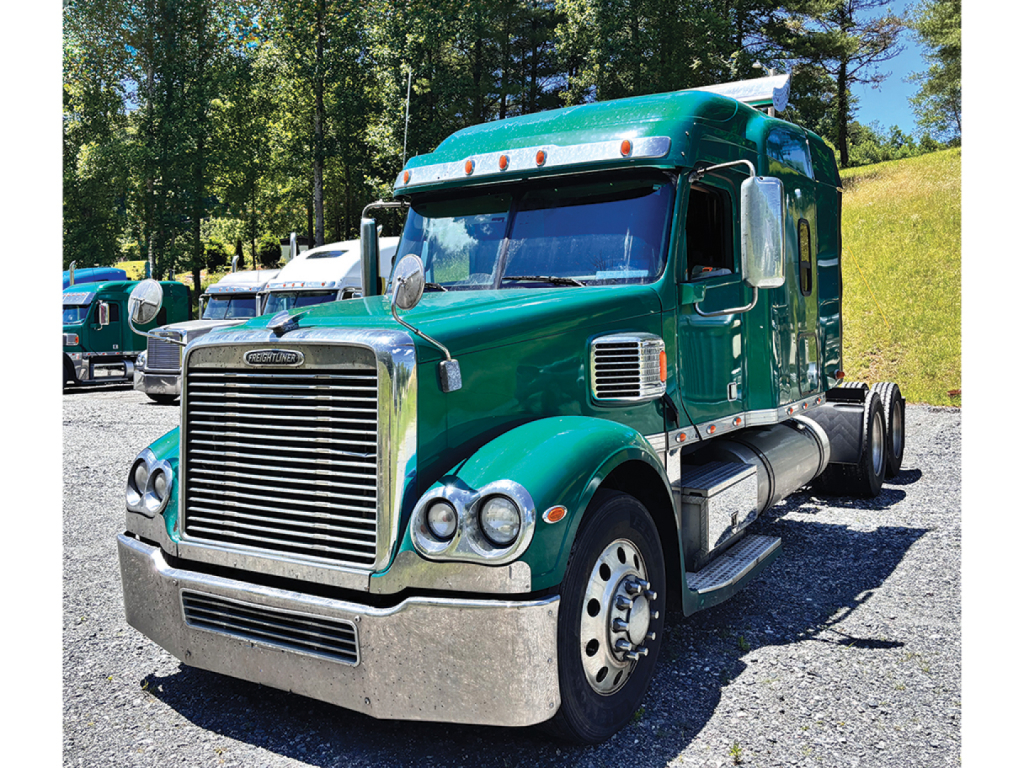
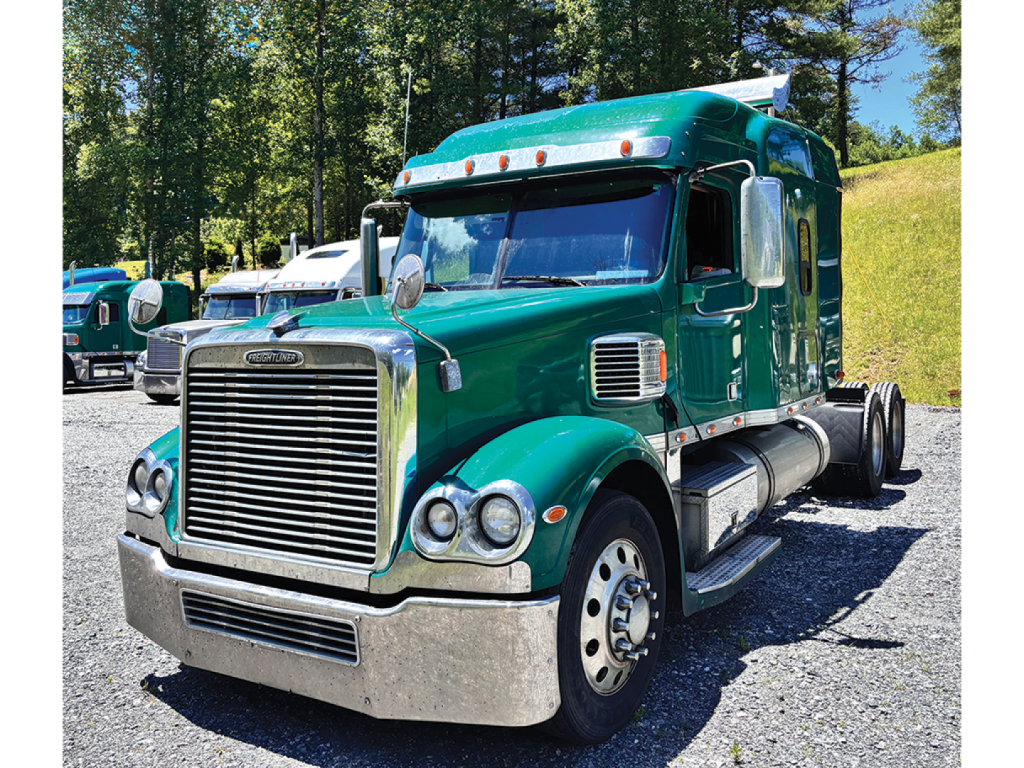
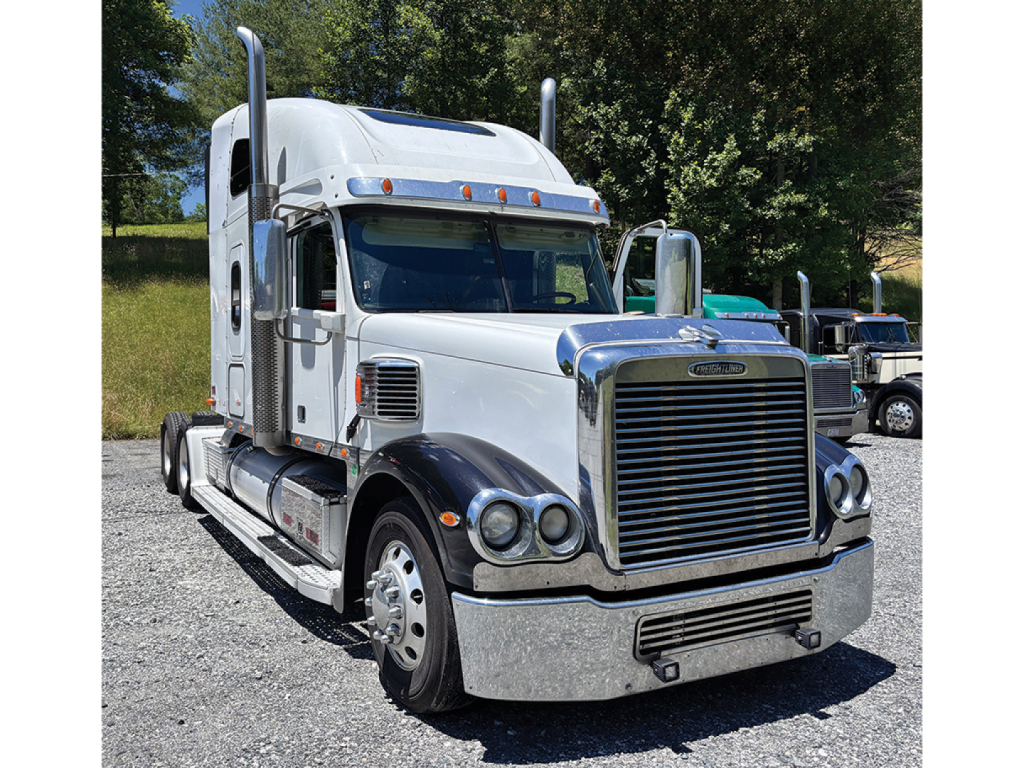
Have used 2015 freightliner conventional sleeper truck to sell? List it here to reach thousands of buyers.
About Used 2015 Freightliner Conventional Sleeper Trucks in North Carolina
The biggest buying decision is usually the powertrain. A 2015 Freightliner sleeper may be equipped with Detroit DD13 or DD15 power, often paired with a DT12 automated manual or a 10-speed manual depending on how the truck was originally ordered. Rear axle ratios and tire size have a major effect on cruise RPM, gradeability, and fuel burn, so those details matter as much as horsepower. Buyers should also check wheelbase, fifth wheel travel, and front axle rating to make sure the truck will fit the trailer lengths and kingpin settings they plan to run. For heavier or more specialized lanes, suspension type, locking differentials, and full maintenance history can be just as important as engine model.
Sleeper configuration drives day-to-day usability. Freightliner conventional sleepers from this period commonly range from mid-roof to raised-roof layouts, with options such as dual bunks, bunk heaters, cabinets, inverters, and auxiliary power provisions. For teams or extended over-the-road use, interior condition matters as much as drivetrain condition because HVAC performance, bunk integrity, and electrical function directly affect uptime and driver retention. Buyers in North Carolina often look closely at cooling system condition, tire wear, and emissions performance because regional humidity, stop-and-go freight patterns, and mixed highway duty can expose deferred maintenance quickly.
On a used 2015 model, inspection should center on emissions components, transmission calibration, suspension wear, and the usual Class 8 wear points such as brakes, steer tires, air system leaks, and fifth wheel condition. Freightliner conventional sleeper trucks are also known as road tractors or sleeper tractors, and they are built to pull standard semi-trailers in over-the-road service. A clean ECM report, documented maintenance, and evidence of recent work on DPF, DEF, turbo, clutch or actuator systems can separate a stronger truck from one that only looks good on first walk-around.
Frequently Asked Questions
What engine and transmission combinations are common in a used 2015 Freightliner conventional sleeper truck?
Many 2015 Freightliner conventional sleeper trucks were spec'd with Detroit DD13 or DD15 engines. Common transmission choices include the Detroit DT12 automated manual and traditional 10-speed manuals, with the final setup depending on fleet versus owner-operator use. The right combination depends on gross weight, terrain, average cruise speed, and how much importance you place on fuel economy versus driver preference.
What should I inspect first on a 2015 Freightliner sleeper tractor?
Start with the maintenance records, engine hours, and ECM data, then move to emissions components such as the DPF, DEF system, sensors, and related fault history. After that, check transmission operation, clutch or actuator condition, air suspension wear, brake life, tire condition, and any signs of coolant, oil, or air leaks. On a sleeper truck, HVAC performance and bunk electrical systems are also worth testing because those issues affect downtime and driver comfort.
Is a 2015 Freightliner conventional sleeper good for long-haul freight?
Yes, this category is commonly used for over-the-road van, reefer, and general freight service. Freightliner sleeper tractors from this era are popular because they offer good parts support, familiar serviceability, and a wide range of sleeper and powertrain specs. The truck is best suited for long-haul work when the rear axle ratio, horsepower, wheelbase, and sleeper size match the trailer and lanes being run.
Why do rear axle ratio and wheelbase matter on a sleeper truck?
Rear axle ratio affects engine RPM at highway speed, hill-climbing ability, and overall fuel consumption. Wheelbase affects trailer swing clearance, ride quality, weight distribution, and maneuverability at docks or fuel islands. Those two specs can make a major difference in how a used 2015 Freightliner performs in regional work compared with open-road, high-mileage applications.
Are used 2015 Freightliner sleeper trucks expensive to maintain?
Maintenance cost depends heavily on prior care, mileage, and emissions system condition. Freightliner usually benefits from broad dealer and aftermarket support, which helps with parts sourcing and repair familiarity, but deferred maintenance can quickly erase any purchase savings. A truck with documented service history and recent work on major wear items is usually a better value than a lower-priced unit with incomplete records.