
Used 2013 Conventional Sleeper Trucks For Sale in North Carolina
Browse used 2013 conventional sleeper trucks in North Carolina with specs, sleeper sizes, drivetrain options, and long-haul buying insights.
Learn more
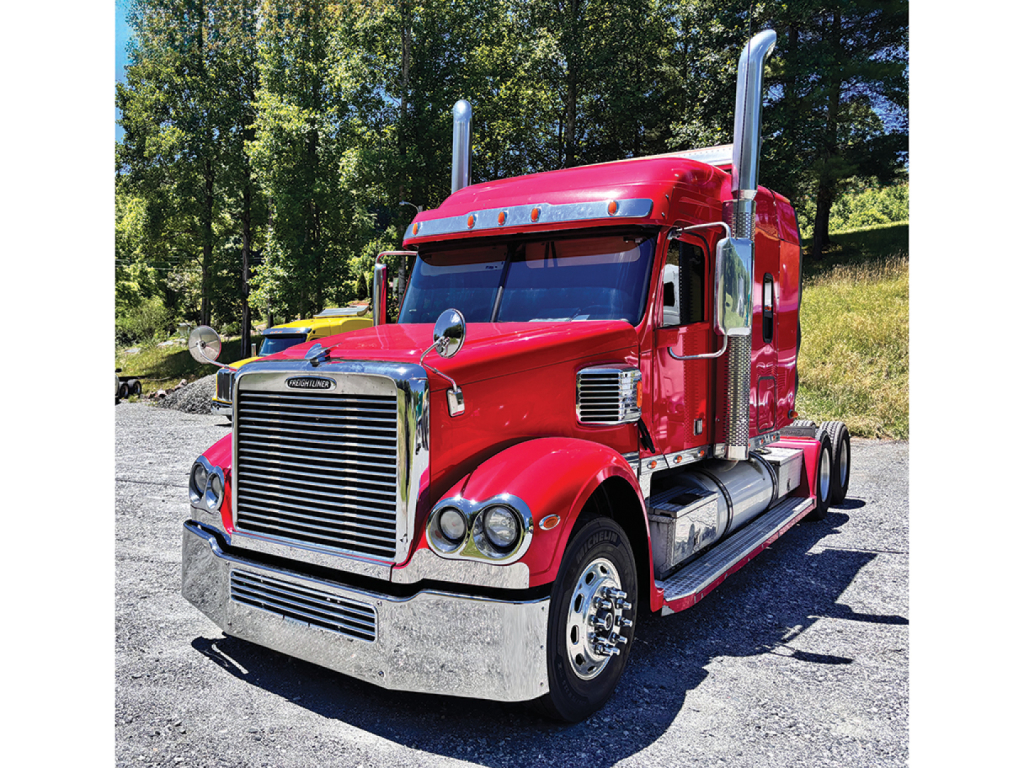
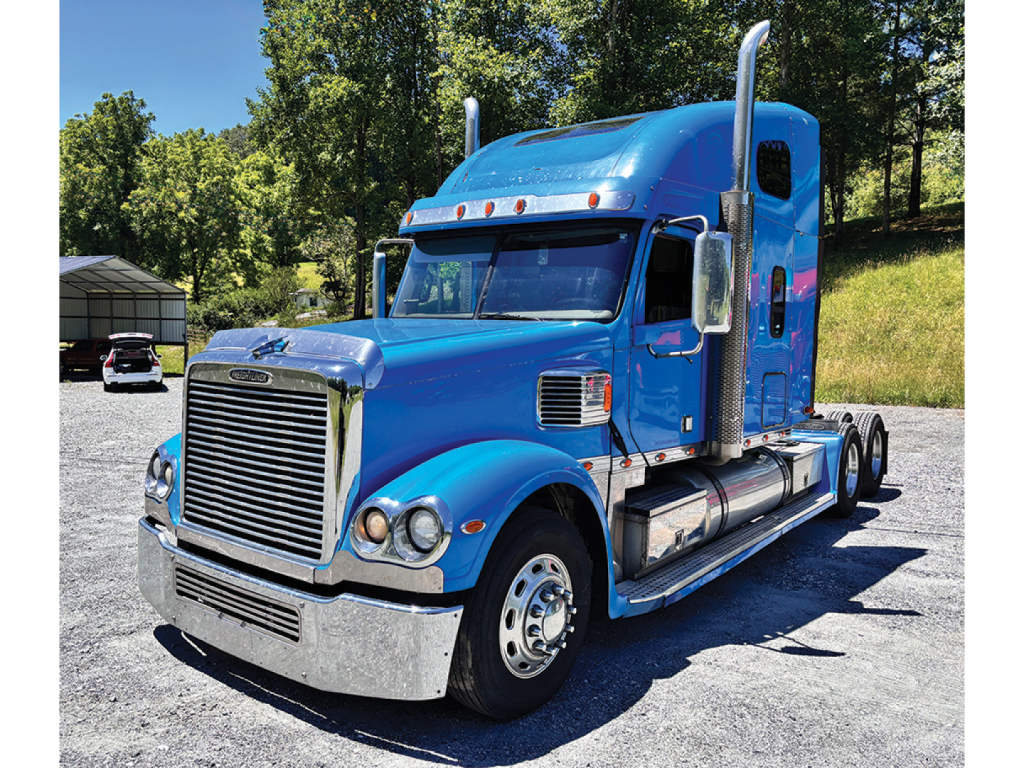
Have used 2013 conventional sleeper truck to sell? List it here to reach thousands of buyers.
About Used 2013 Conventional Sleeper Trucks in North Carolina
The biggest decision is usually spec alignment. A raised-roof sleeper with upper bunk gives better driver retention and more flexibility for team operations, while a mid-roof or flat-top sleeper can reduce overall height and empty weight. Rear axle ratio matters more than many buyers expect on a 2013 truck. Ratios in the 2.64 to 2.85 range generally favor fuel mileage on highway lanes when matched with an overdrive transmission, while 3.42 or similar gearing is better suited to heavier pulls, mixed terrain, or buyers who prefer stronger launch performance. Horsepower in this category commonly falls between 450 and 565 HP, so it is worth matching the engine rating, transmission type, and ratio to the freight profile instead of buying strictly on engine make.
For North Carolina buyers, conventional sleepers are often used across a wide mix of freight conditions, from port and distribution work to long interstate runs through the Southeast and into the Midwest. That makes aerodynamics, idle management, and cooling system condition especially important. Fairings, cab extenders, APUs, bunk heaters, and sliding fifth wheels can add real operating value depending on lane length and trailer mix. A used 2013 sleeper should be evaluated closely for emissions history, overhead and in-frame records, transmission calibration, suspension wear, and signs of heavy vocational use if the truck started life outside linehaul service. On premium-appearance models, chrome accessories and custom trim can help resale appeal, but drivetrain records and frame condition should carry more weight than cosmetics.
Buyers comparing used 2013 conventional sleeper trucks should pay close attention to sleeper length, engine brake performance, tire spec, wheelbase, and front axle set-back or set-forward layout where applicable. Interior condition matters because it often reflects how the truck was maintained overall. Look for clean dash electronics, working HVAC, bunk controls, and signs that the cab mounts, steering components, and air system have been serviced on schedule. A well-matched 2013 conventional sleeper can still deliver reliable service in dry van, refrigerated, flatbed, and specialized trailer work when the spec fits the route and the maintenance history supports the miles.
Frequently Asked Questions
What is a conventional sleeper truck used for?
A conventional sleeper truck is a highway tractor with a separate engine hood and an integrated sleeper compartment behind the cab. It is primarily used for over-the-road freight, regional hauling with overnight stays, and dedicated routes where the driver needs living space, more storage, and larger fuel capacity than a day cab provides.
What should I check first on a used 2013 conventional sleeper truck?
Start with the engine and emissions history, then verify transmission type, rear axle ratio, and maintenance records. On a 2013 model, buyers should also inspect DPF and SCR service history, look for evidence of major engine work, review suspension and steering wear, and confirm that the sleeper equipment, HVAC, and electrical systems function correctly.
Are 2013 conventional sleeper trucks good for long-haul operations?
Yes, many 2013 conventional sleeper trucks remain good long-haul candidates if the drivetrain is sound and the spec fits the route. Trucks from this year often offer proven engines, tandem air ride rears, and sleeper sizes suitable for solo or team driving. The key is to balance mileage, repair history, gearing, and fuel economy expectations against the freight being hauled.
What sleeper size is best on a conventional truck?
The best sleeper size depends on duty cycle and driver needs. A 70-inch to 76-inch raised-roof sleeper usually makes sense for over-the-road work, team operations, or extended time away from home because it provides more headroom and storage. Smaller flat-top or mid-roof sleepers can work well for regional freight where lower height, lower weight, or a simpler spec is more important.
Should I choose a manual or automated transmission in a used 2013 sleeper truck?
A manual transmission can still be attractive for buyers who want direct control, broad service familiarity, and certain heavy-haul or specialized applications. An automated transmission can improve driver accessibility and may support fuel economy on consistent lanes. The better choice depends on driver preference, terrain, maintenance support, and how well the transmission is matched to the engine and axle ratio.