
Used 2013 Freightliner Conventional Sleeper Trucks For Sale in North Carolina
Browse used 2013 Freightliner conventional sleeper trucks in North Carolina with specs buyers compare most: engine, sleeper size, wheelbase, axle ratio, and setup.
Learn more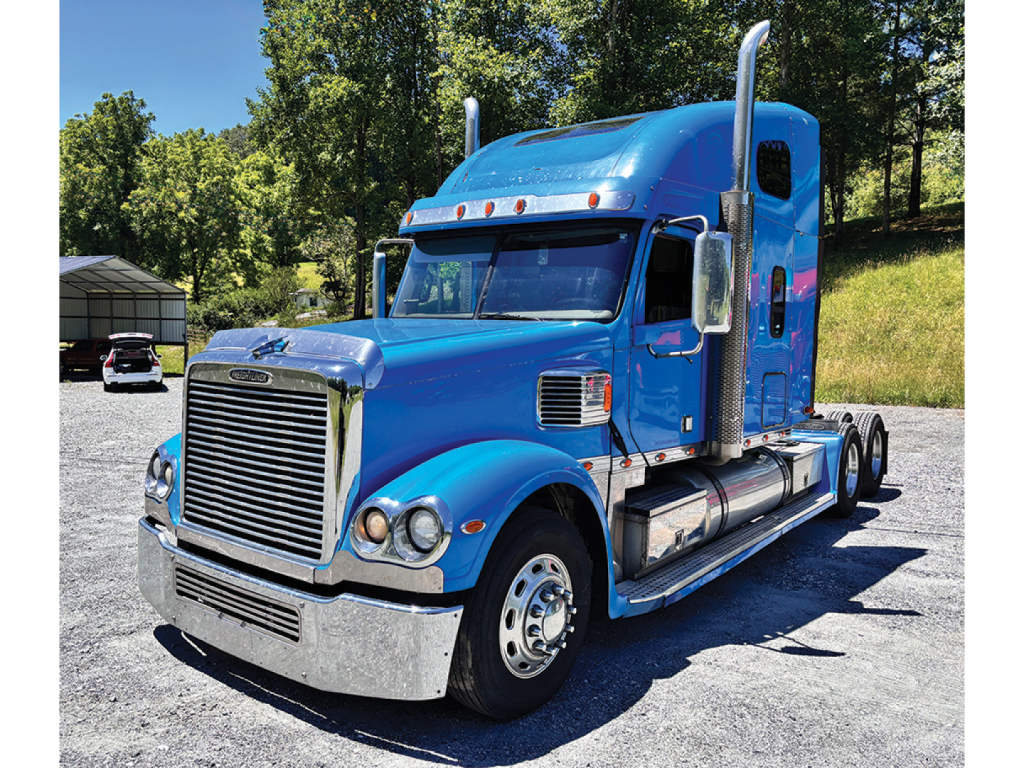
Have used 2013 freightliner conventional sleeper truck to sell? List it here to reach thousands of buyers.
About Used 2013 Freightliner Conventional Sleeper Trucks in North Carolina
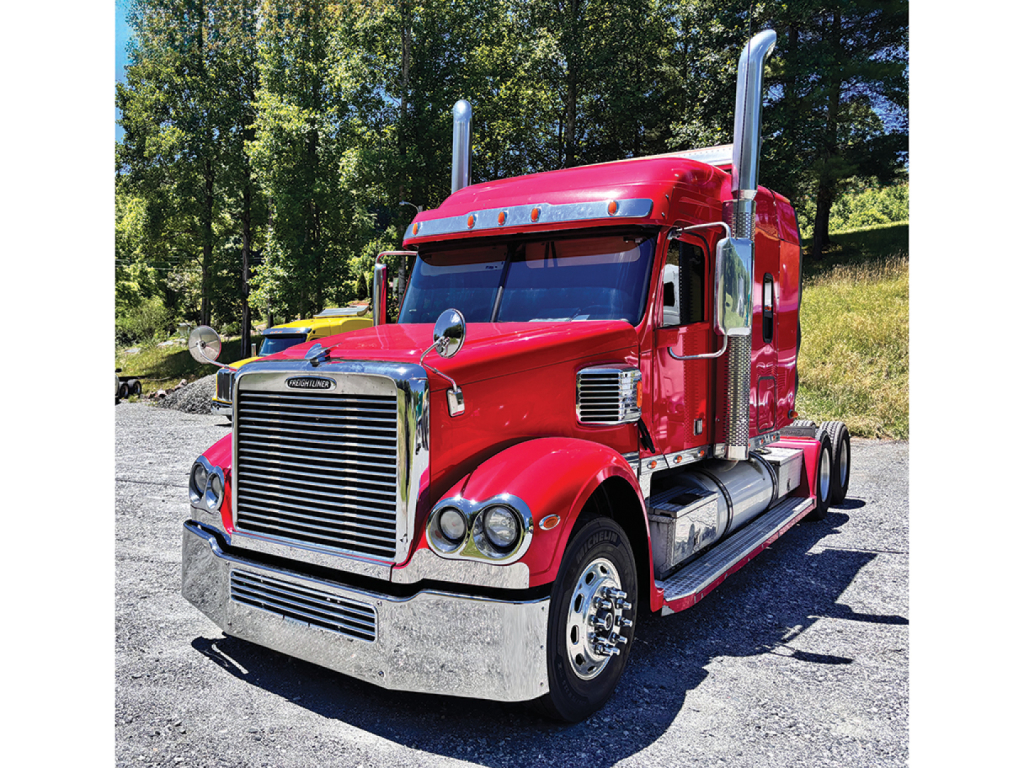
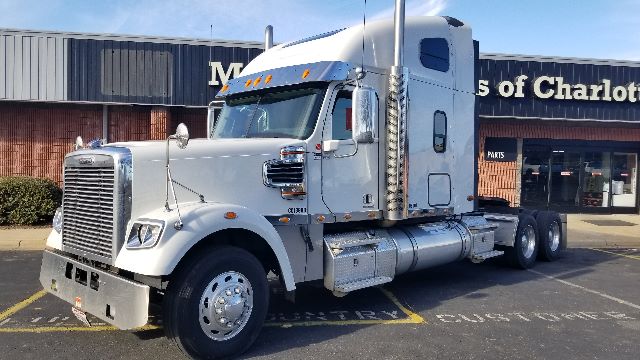
The sleeper itself matters as much as the engine when the truck is going to stay on the road. A 2013 Freightliner conventional sleeper may have a mid-roof or raised-roof configuration, often with a single or double bunk, storage cabinets, bunk heater, and enough room for over-the-road use without stepping up into a larger specialty cab. Buyers should compare sleeper length, interior condition, HVAC performance, and signs of water intrusion around seals and roof components. Cab extenders, fairings, and visor setups also affect aerodynamics and operating cost, especially on highway lanes across North Carolina and the Southeast where trucks may see a mix of coastal humidity, mountain grades, and steady interstate miles.
Spec details tell you how the truck was intended to work. A longer wheelbase can improve ride quality and accommodate larger sleepers or fuel capacity, but it can also limit maneuverability in tighter docks and urban deliveries. Rear axle ratings around 40,000 pounds are common in linehaul configurations, and axle ratio should match the job. Lower numerical ratios generally favor highway fuel economy, while deeper ratios help in heavier applications or more demanding terrain. Air ride suspension, sliding fifth wheel, dual aluminum fuel tanks, low-profile 22.5 tires, and engine brakes are all common features buyers compare because they directly affect comfort, payload flexibility, and operating efficiency.
Condition evaluation on a used 2013 Freightliner conventional sleeper should go beyond mileage. Check service records, ECM data, emissions system history, clutch or transmission wear, suspension condition, and evidence of frame repairs or corrosion. On trucks that have spent time in regional or port-related service, inspect the fifth wheel, driveline, and cab mounts closely. Freightliner remains a strong used-truck brand because of broad dealer support, familiar component spec'ing, and a large pool of technicians and aftermarket parts. For a buyer sorting through multiple listings, the best truck in this category is usually the one with a documented maintenance history, a drivetrain matched to the freight, and a sleeper setup that supports the driver's weekly operating pattern.
Frequently Asked Questions
What should I look for first on a used 2013 Freightliner conventional sleeper truck?
Start with the drivetrain and maintenance history. Engine model, horsepower, transmission type, axle ratio, and rear axle rating will tell you what the truck was built to do. After that, review service records, ECM information, emissions repairs, and major component replacements. A well-documented 2013 Freightliner sleeper with the right gearing and a clean service file is usually a better buy than a lower-priced truck with limited history.
Are 2013 Freightliner conventional sleeper trucks good for long-haul freight?
Yes, many are well-suited for over-the-road work if the spec matches the lane. Raised-roof sleepers, dual fuel tanks, air ride suspension, engine brakes, and highway-friendly axle ratios are common features that support long-distance hauling. The key is confirming that the truck's wheelbase, sleeper size, and drivetrain were spec'd for sustained highway use rather than shorter regional duty.
Which specs matter most when comparing used Freightliner sleeper trucks in North Carolina?
Buyers in North Carolina usually pay close attention to horsepower, transmission type, axle ratio, wheelbase, sleeper height, and fuel capacity. Terrain can vary from coastal plains to mountain grades, so gearing and engine brake performance matter. Trucks running Southeast freight also benefit from strong HVAC performance, good fairings, and a sleeper that is comfortable in hot, humid conditions.
How important is wheelbase on a conventional sleeper truck?
Wheelbase affects ride quality, trailer gap, fuel tank capacity, and maneuverability. A longer wheelbase often supports a larger sleeper and better highway ride, but it may be less convenient in tight yards or older docks. A shorter wheelbase can improve turning radius for regional work. The right choice depends on trailer length, lane type, and how often the truck needs to operate in confined spaces.
Do used 2013 Freightliner sleeper trucks hold value well?
They can hold value well when they have desirable engine and transmission combinations, clean frames, solid maintenance records, and sleepers in good condition. Freightliner has long-standing market acceptance, strong parts availability, and widespread service support, which helps buyer confidence in the used market. Value is strongest on trucks with consistent maintenance, no major corrosion issues, and a spec that fits common freight applications.