
Used 2023 Conventional Sleeper Trucks For Sale in North Carolina
Browse used 2023 conventional sleeper trucks in North Carolina. Compare raised-roof specs, powertrain options, wheelbase, and sleeper features.
Learn more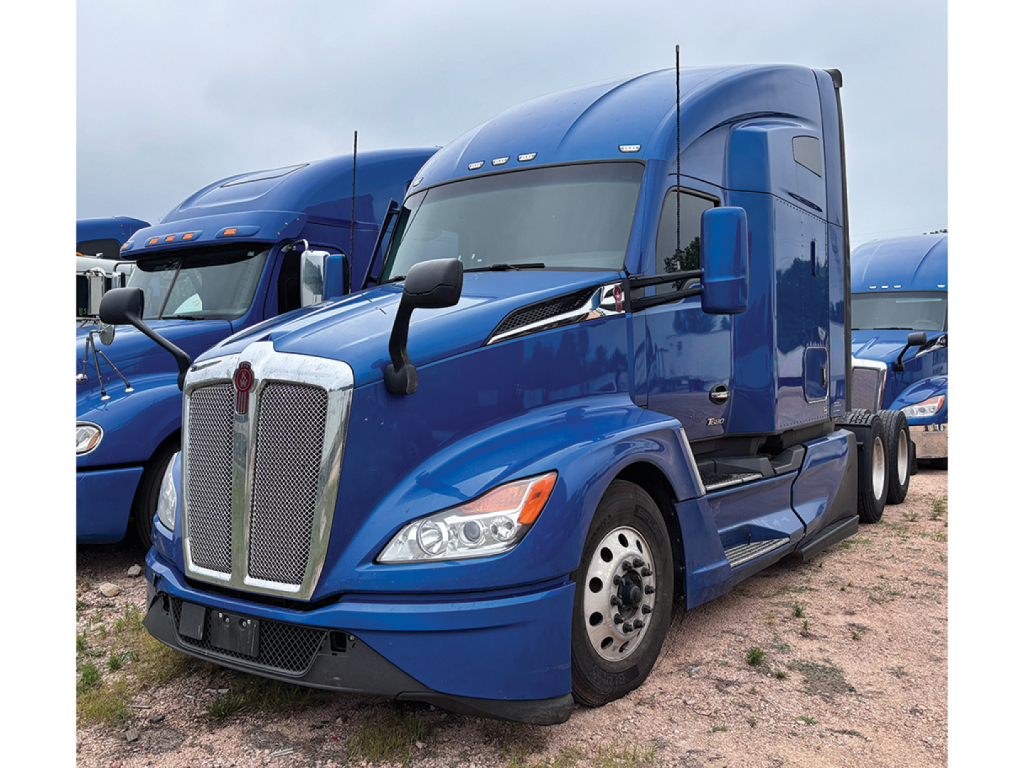
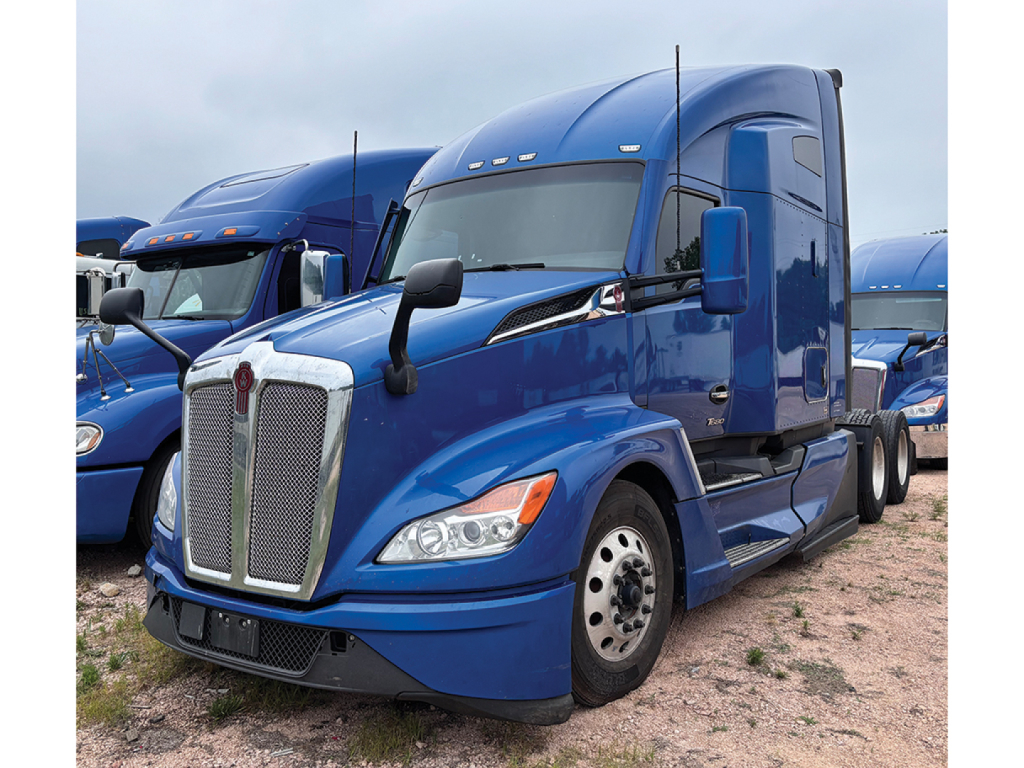
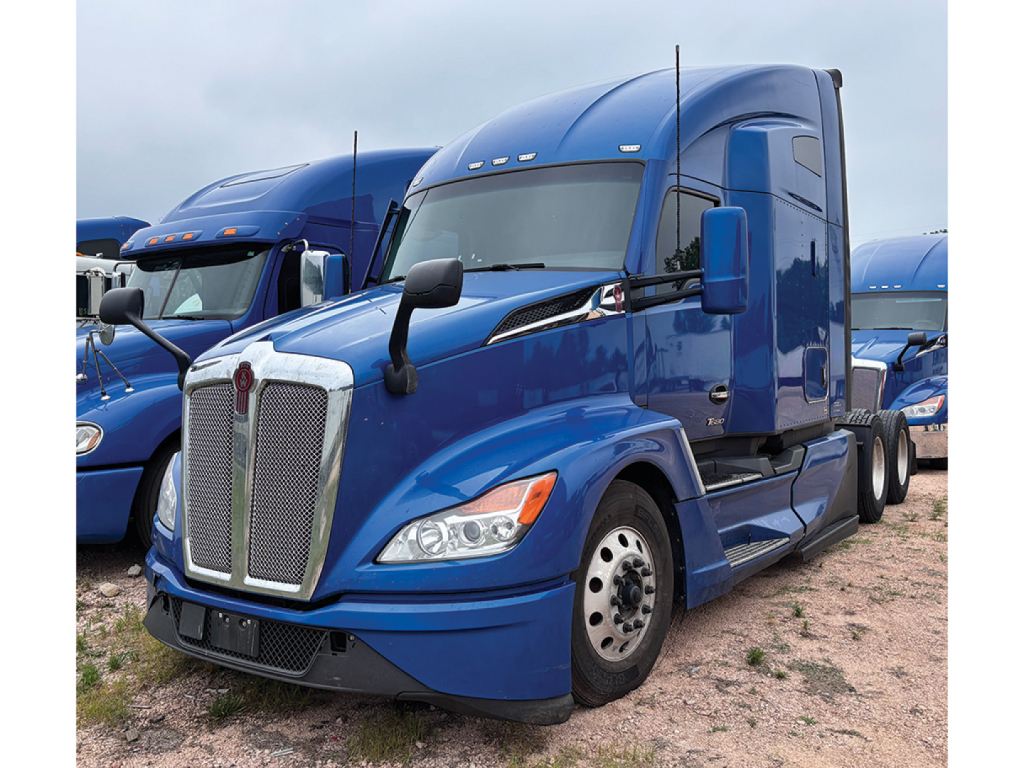
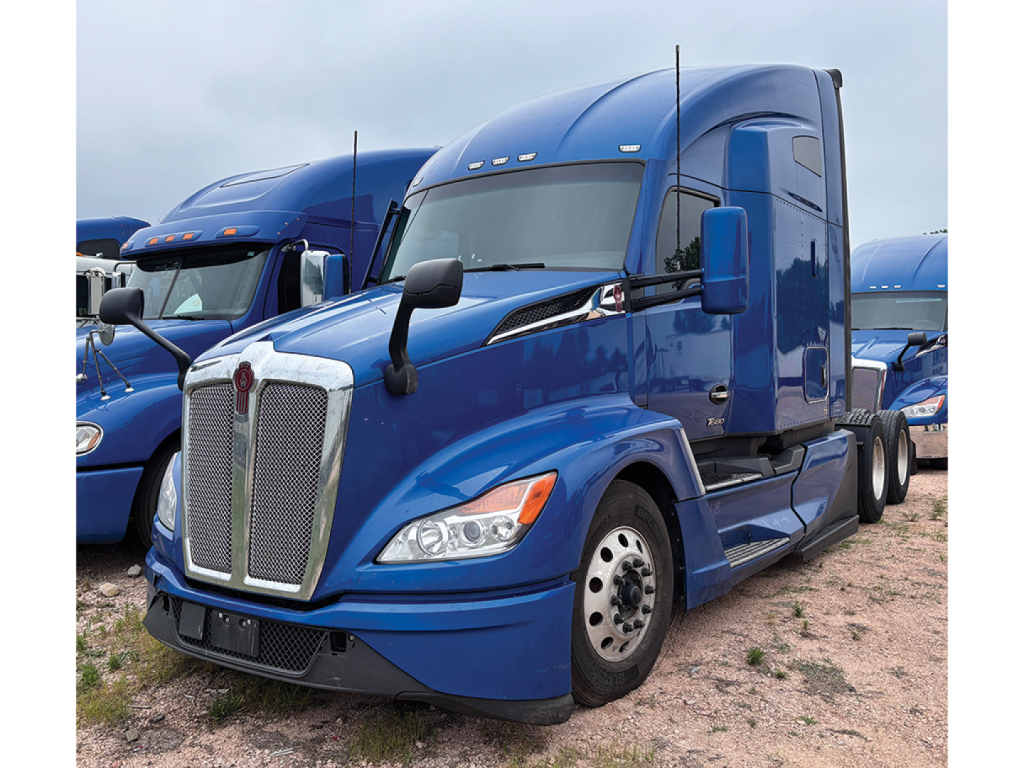
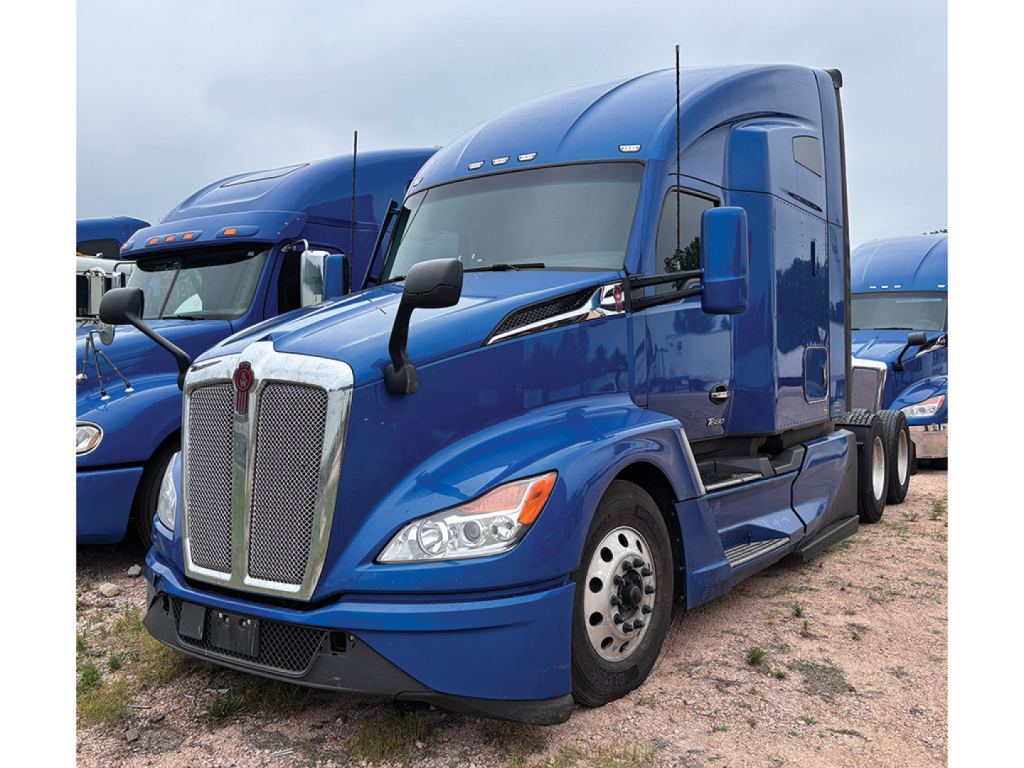
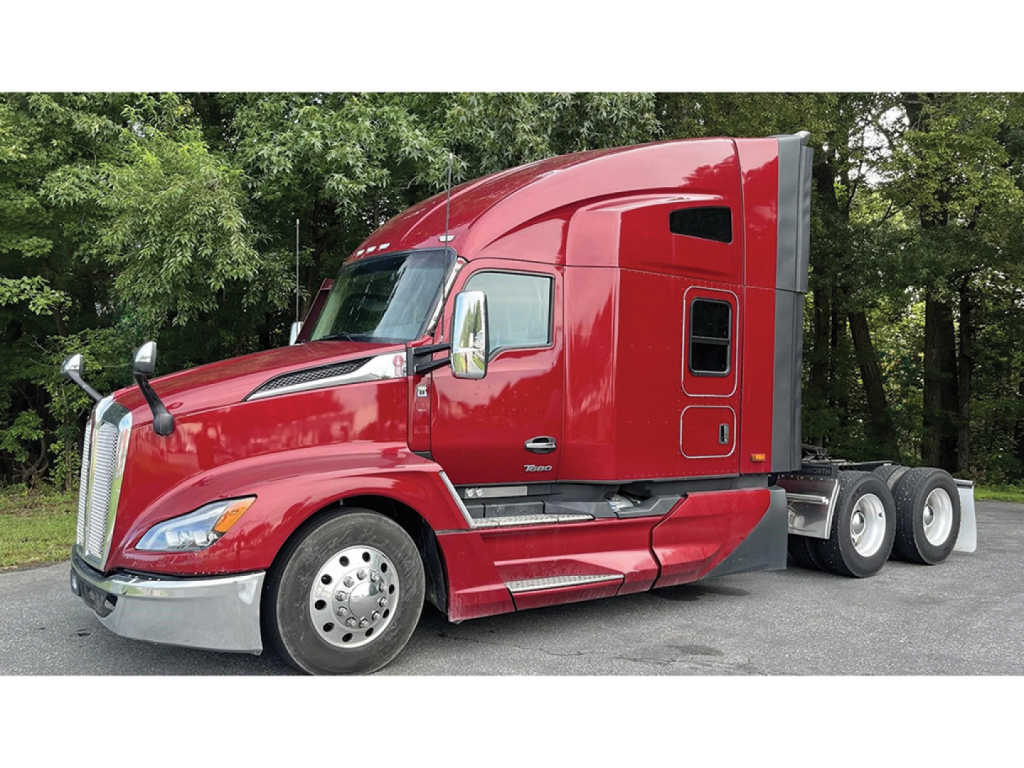

Have used 2023 conventional sleeper truck to sell? List it here to reach thousands of buyers.
About Used 2023 Conventional Sleeper Trucks in North Carolina
The biggest buying decisions usually come down to sleeper size, axle ratio, and powertrain history. A 60-inch to 72-inch sleeper works well for many single-driver operations, while larger double bunk layouts matter more for team service or longer dispatch cycles. Wheelbase, fairing package, and fuel capacity also matter because they affect trailer gap, maneuverability, and total range between stops. On many 2023 conventional sleepers, buyers will see features such as air ride suspension, air slide fifth wheels, engine brakes, collision mitigation systems, bunk heaters, APUs, and disc brakes. If the truck will stay on the East Coast, including North Carolina lanes with frequent port traffic, mixed interstate grades, and urban deliveries around Charlotte, Raleigh, or the Triad, turning radius and axle ratio deserve as much attention as horsepower.
For used buyers, emissions and maintenance records are critical on a 2023 sleeper tractor because these trucks are still modern, electronically managed platforms. Review engine hours, idle hours, aftertreatment service history, software campaign completion, and transmission calibration records. A truck with a strong DPF, SCR, and DEF system history can be a better value than one with a lower purchase price but poor maintenance documentation. Also check sleeper HVAC performance, inverter setup, bunk condition, fairing integrity, and tire wear across all axle positions. Common specs in this category include tandem 40,000 lb rears, ratios from around 2.47 to 3.36 for fuel-minded linehaul work, and wheelbases often running roughly 220 to 240 inches depending on sleeper length and tank package.
North Carolina buyers often compare aerodynamic conventional sleepers from Volvo, Freightliner, Kenworth, Peterbilt, International, and Mack based on dealer support, emissions familiarity, and expected resale. The right truck depends on freight and routing more than brand alone. A 2023 conventional sleeper meant for dry van linehaul may prioritize low rolling resistance tires, downsped gearing, and an automated transmission, while a truck expected to handle heavier freight or more mountain work may need a different ratio, higher horsepower, or a manual or performance-oriented AMT setup. The best used 2023 conventional sleeper is the one with a verified service record, a sleeper layout that fits the operation, and drivetrain specs matched to the load, terrain, and annual miles.
Frequently Asked Questions
What is a conventional sleeper truck?
A conventional sleeper truck is a highway tractor with the engine mounted ahead of the cab and a built-in sleeping compartment behind the driver area. It is designed for long-distance freight where the driver may stay in the truck overnight. In the used market, conventional sleepers are the standard choice for dry van, reefer, and many dedicated over-the-road operations because they balance serviceability, fuel economy, and driver comfort.
What should I check first on a used 2023 conventional sleeper truck?
Start with maintenance documentation, engine and idle hours, emissions system history, and fault code records. On a 2023 model, the aftertreatment system, transmission calibration, and electronic safety systems are major value points. After that, inspect tire wear, brake condition, fifth wheel operation, sleeper HVAC, bunk equipment, fairings, and signs of collision repair. A newer truck with incomplete service history can carry more risk than an older truck with clear records.
What horsepower and axle ratio are common on 2023 sleeper tractors?
Many 2023 conventional sleeper trucks are spec'd with 13-liter engines in the 400 to 500 horsepower range. Axle ratios often fall between about 2.47 and 3.36, depending on intended use. Lower numerical ratios usually support fuel-efficient linehaul work with automated manual transmissions, while higher ratios can be better for heavier loads, more stop-and-go operation, or routes with sustained grades.
Is an automated manual transmission a good choice in a used sleeper truck?
For many fleets and owner-operators, an automated manual transmission is a strong choice because it can improve shift consistency, reduce driver fatigue, and support fuel economy targets. It is especially common in late-model sleeper tractors. The key is to verify software updates, clutch and actuator condition where applicable, and the truck's service history. If the operation involves specialized heavy haul or driver preference strongly favors manual shifting, transmission choice should be matched to the work.
Why does sleeper size matter on a conventional truck?
Sleeper size affects driver comfort, storage, weight, wheelbase, and how the truck fits the operation. A mid-roof or smaller sleeper can reduce weight and keep the truck more maneuverable, while a raised-roof double bunk gives more living space for team driving or longer trips. The right choice depends on time away from home, available parking, and whether the truck is assigned to regional lanes or full OTR service.