
Used Peterbilt Conventional Sleeper Trucks For Sale in North Carolina
Shop used Peterbilt conventional sleeper trucks for sale, including 579 and 386 models with stand-up sleepers, MX-13 or ISX power, and aero specs.
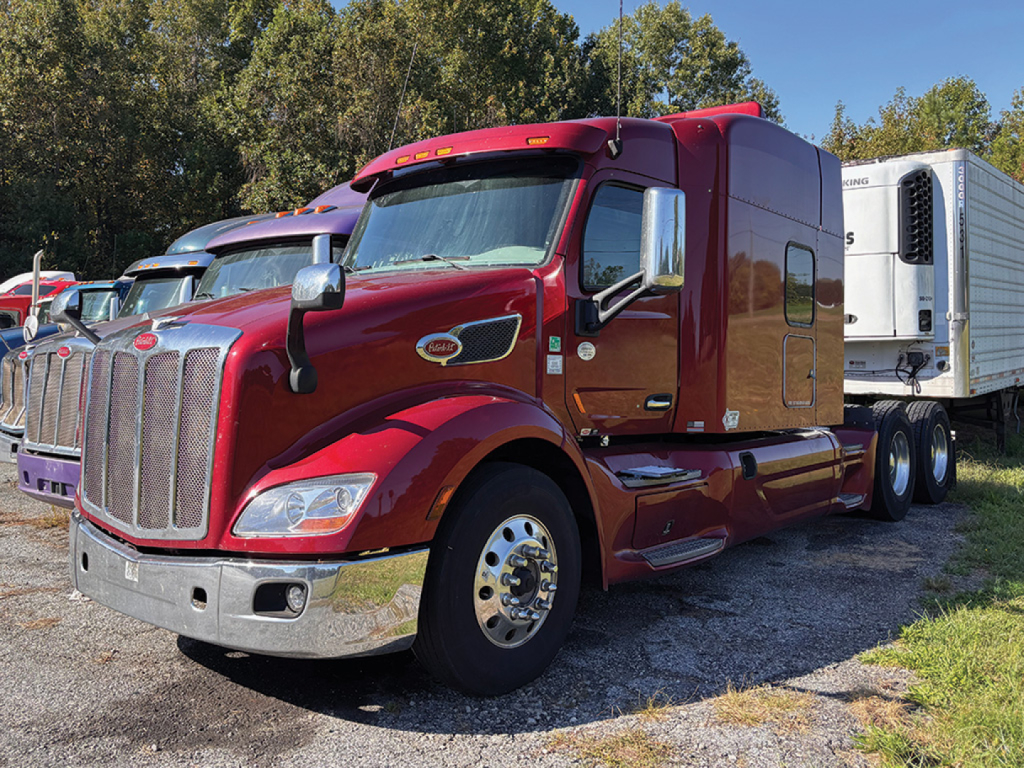
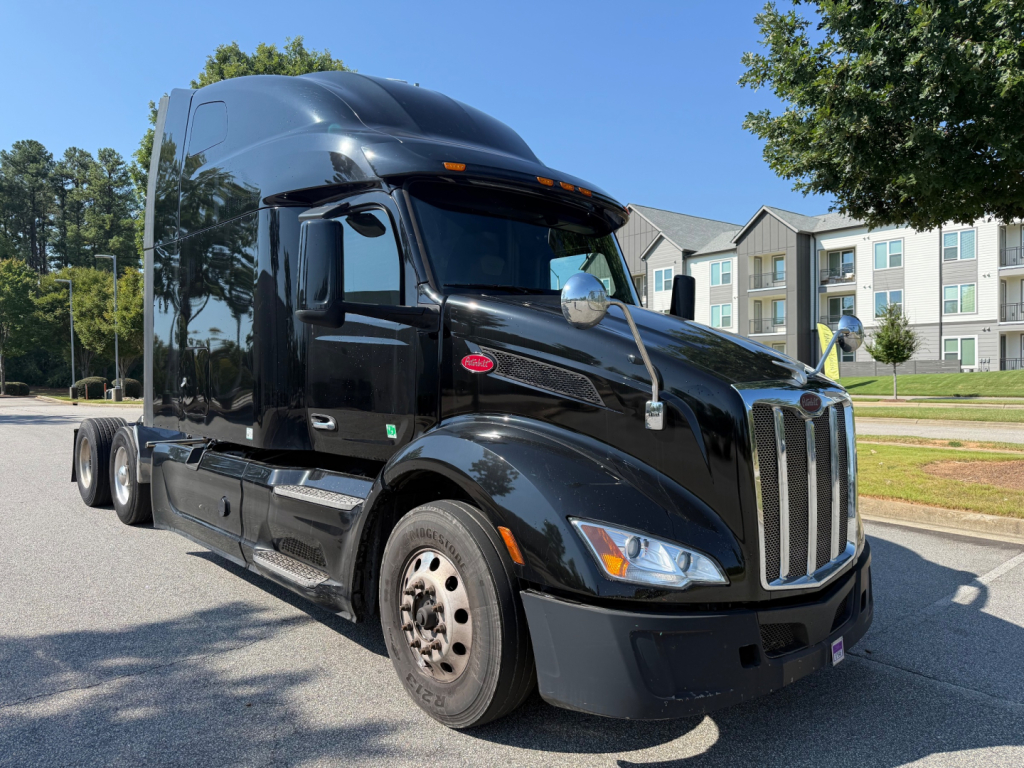

Selling a used peterbilt conventional sleeper truck? List your used peterbilt conventional sleeper truck for sale and reach thousands of commercial buyers.
Used Peterbilt Conventional Sleeper Trucks in North Carolina
The sleeper configuration matters as much as the engine. Common setups include 63-inch and 80-inch sleepers such as the Unibilt and UltraLoft, often with upper bunks, bunk heaters, storage cabinets, and space for an APU. For teams or extended over-the-road service, the 80-inch stand-up sleeper is usually the better fit because it improves livability and adds room for gear, microwave space, and more usable cabinet layout. A 63-inch sleeper can make more sense for lighter long-haul work or fleets trying to balance comfort with lower weight and slightly tighter wheelbase.
On the powertrain side, used Peterbilt conventional sleepers often show up with PACCAR MX-13 or Cummins ISX/X15 engines, typically in the 400 to 500 horsepower range, backed by automated manuals or traditional 10-speed and 13-speed transmissions. Rear axle ratings around 40,000 pounds are common, with highway gearing in ratios like 2.64 or 2.79 aimed at fuel economy and lower cruise RPM. Buyers should match axle ratio, transmission, and tire size to the intended lane. A tall overdrive with a fuel-minded ratio works well for dry van and reefer freight on flatter interstate routes, while mixed terrain or heavier payloads may call for a more flexible ratio and a transmission spec that holds the engine in its torque band on grades.
For North Carolina buyers, aerodynamic packages with side fairings, cab extenders, quarter fenders, and air slide fifth wheels are common because they suit Southeast freight lanes and high-mileage interstate use. Pay close attention to wheelbase, sleeper length, brake type, and idle-management equipment. Disc brakes, low-profile 22.5 tires, aluminum wheels, dual aluminum fuel tanks, and APUs are all features that can improve uptime, fuel planning, and operating cost. On any used Peterbilt sleeper, the key checks are engine history, aftertreatment maintenance, transmission calibration, suspension wear, bunk HVAC performance, and signs of hard fifth-wheel or frame use. A well-spec'd conventional sleeper should fit the freight first, then the driver, then the look of the truck.
Frequently Asked Questions about Used Peterbilt Conventional Sleeper Trucks in North Carolina
What is the difference between a Peterbilt 579 and an older Peterbilt 386 sleeper truck?
The Peterbilt 579 is a newer aerodynamic conventional sleeper designed with more emphasis on fuel economy, driver ergonomics, and integrated electronics. The older 386 is also a highway tractor, but it comes from an earlier design generation and may have a different interior layout, emissions package, and aero profile. In the used market, a 579 often appeals to fleets focused on lower operating cost and newer spec features, while a 386 can attract buyers who want a simpler truck, a manual transmission option, or a lower acquisition cost.
What sleeper size is best in a used Peterbilt conventional sleeper?
The best sleeper size depends on the length of haul and how the truck will be dispatched. A 63-inch sleeper is often enough for solo drivers running shorter over-the-road lanes or regional freight with occasional overnight stays. An 80-inch stand-up sleeper is a better choice for team operations, extended trips, or fleets that prioritize driver retention and comfort. Larger sleepers add storage and living space, but they also affect wheelbase, weight, and sometimes maneuverability.
Which engines are common in used Peterbilt sleeper trucks?
Used Peterbilt conventional sleepers commonly come with PACCAR MX-13 and Cummins ISX or X15 engines. These engines are typically spec'd in the 400 to 500 horsepower range for linehaul work. The right choice depends on service history, local dealer support, and how the truck is geared. Buyers should look closely at maintenance records for the emissions system, overhead history, oil analysis if available, and any major repairs involving the turbocharger, fuel system, or aftertreatment components.
What axle ratio works best for a Peterbilt sleeper used in highway freight?
For typical highway freight such as van and reefer service, fuel-economy ratios like 2.64 or 2.79 are common in Peterbilt sleeper tractors. These ratios help keep engine RPM down at cruise speed when paired correctly with an automated transmission and low-profile tires. The tradeoff is startability and grade performance under heavier loads or in hillier terrain. Buyers should consider the actual freight, gross combination weight, and route profile before choosing a tall highway gear set.
What should I inspect first on a used Peterbilt conventional sleeper truck?
Start with the powertrain and emissions records, then move to chassis wear and sleeper functionality. Confirm engine hours, idle hours, fault history, transmission operation, clutch condition if manual, and maintenance performed on the DPF, DEF system, and EGR components. Check suspension bushings, steering play, air leaks, brake condition, tire wear pattern, and fifth-wheel movement. Inside the sleeper, test the HVAC, bunk heater, APU if equipped, electrical accessories, and signs of water intrusion or heavy interior wear.