
Used Volvo Conventional Sleeper Trucks For Sale in North Carolina
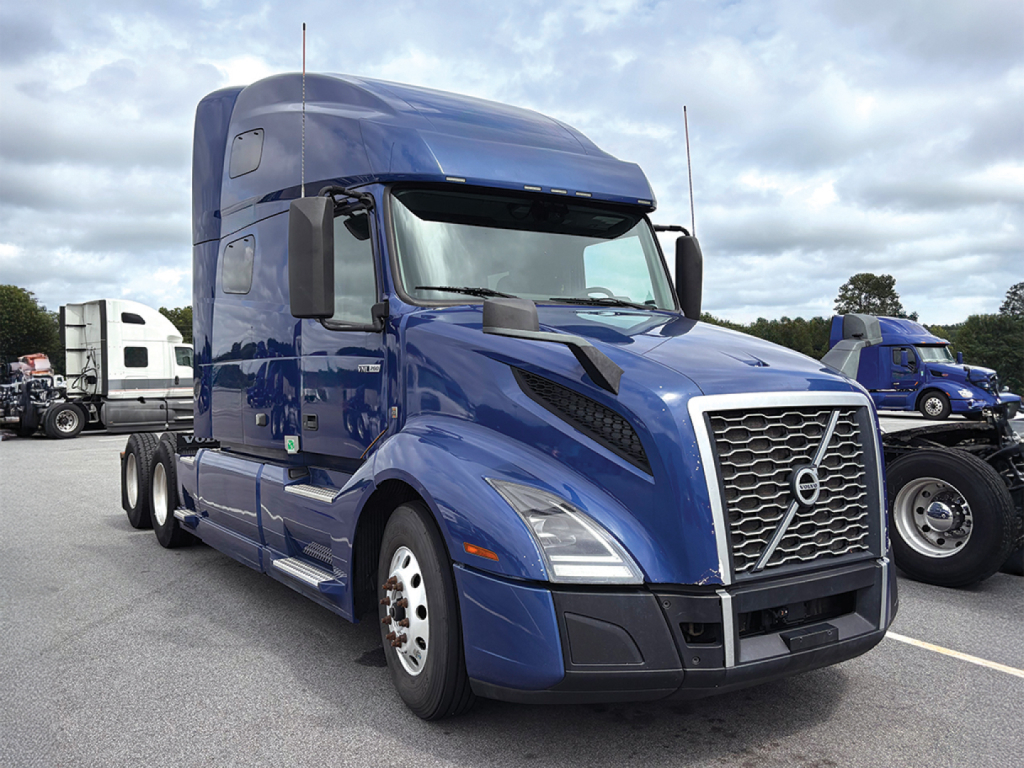
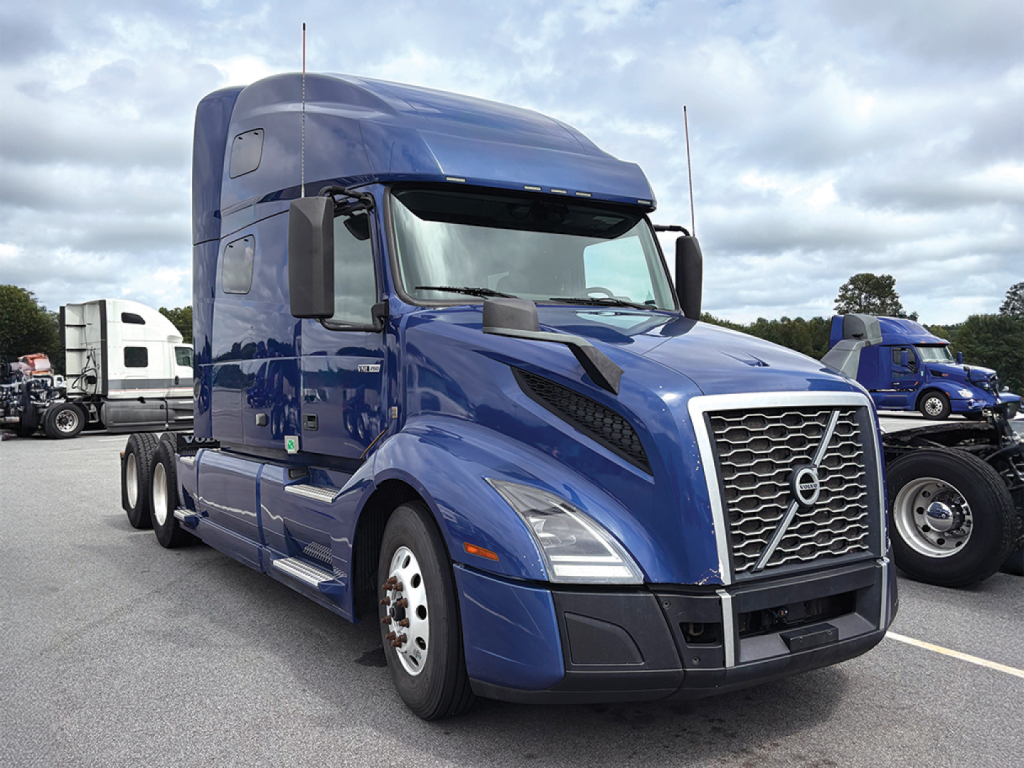
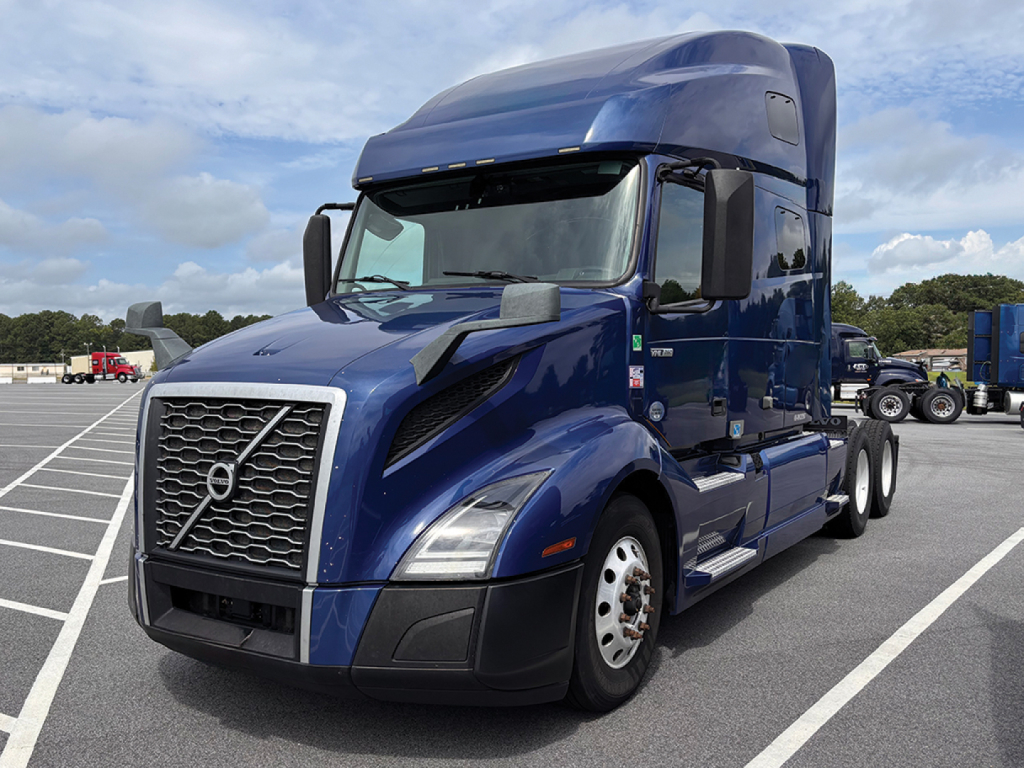
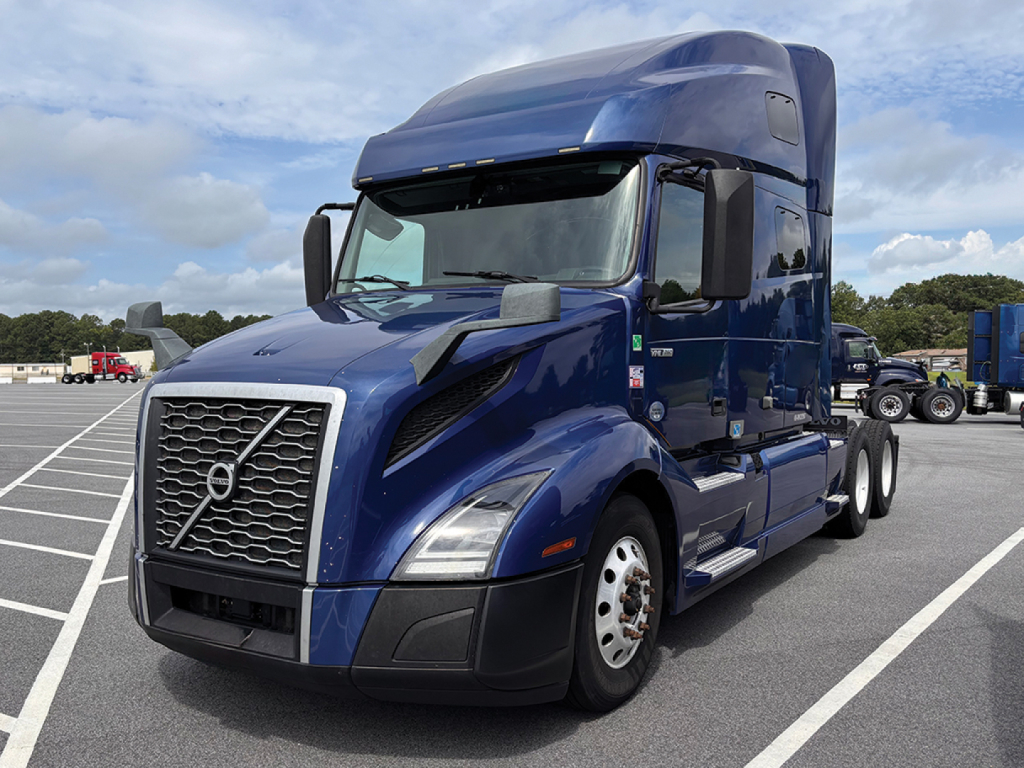
Have used volvo conventional sleeper truck to sell? List it here to reach thousands of buyers.
Used Volvo Conventional Sleeper Trucks in North Carolina
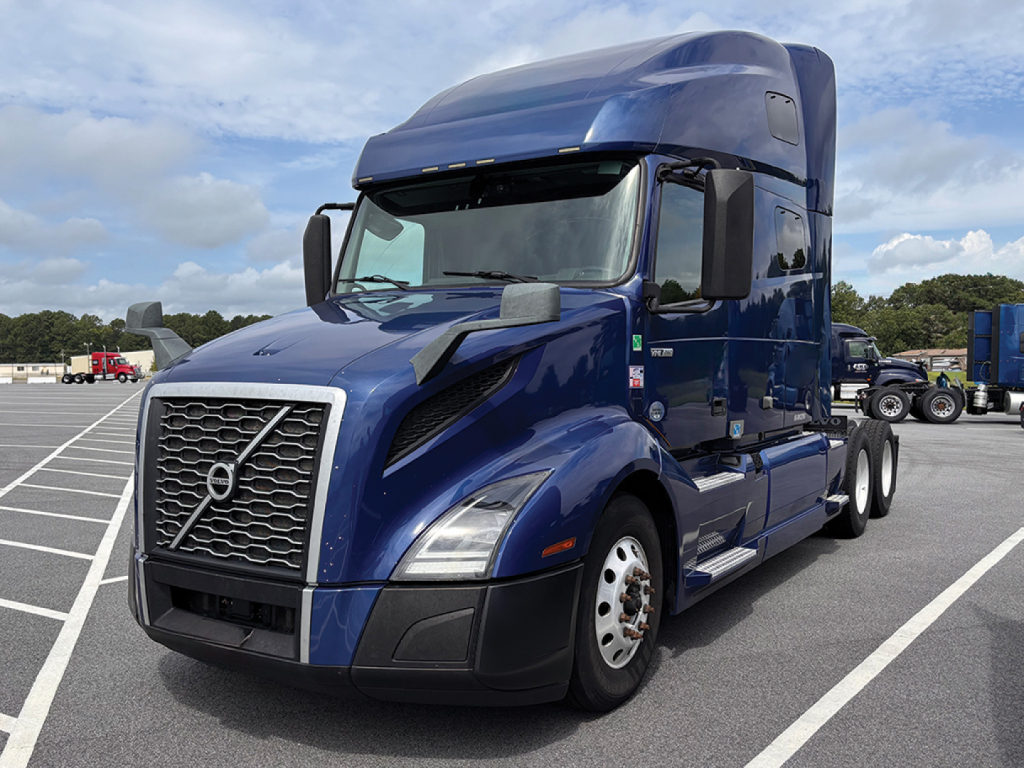
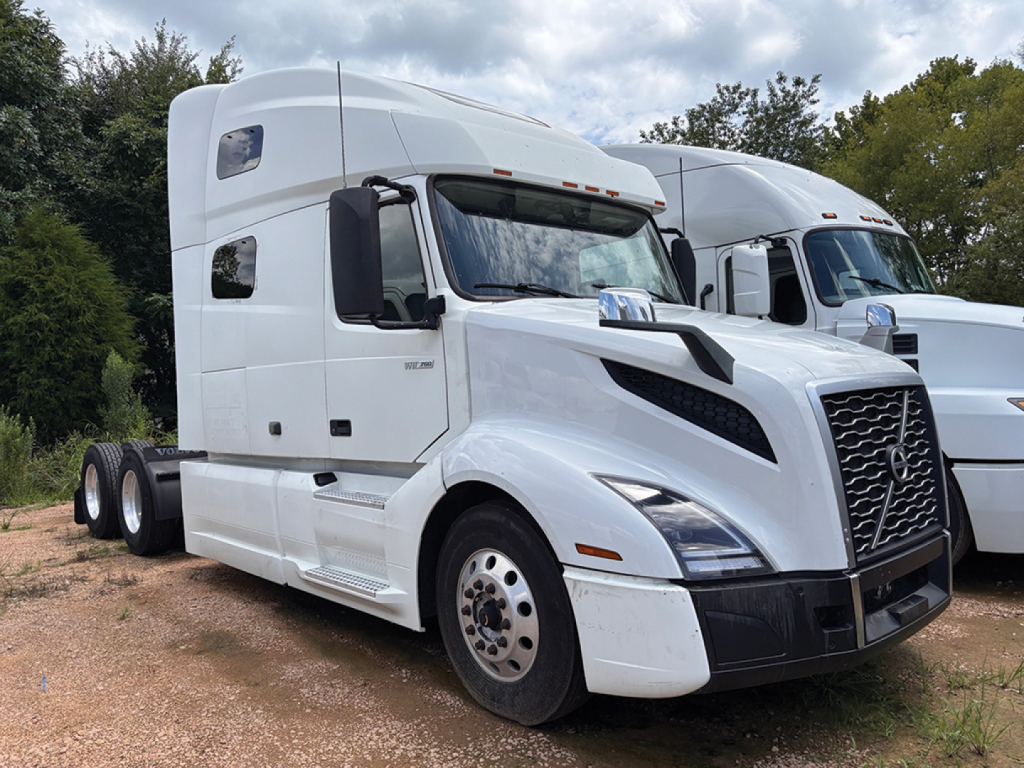
The Volvo D13 is one of the most common engine choices in used Volvo sleeper trucks, typically in the 425 to 455 horsepower range. Buyers should pay close attention to horsepower, torque rating, rear axle ratio, and transmission spec because those four items determine how the truck will perform on your freight and terrain. Many later-model VNL sleepers are paired with the Volvo I-Shift automated manual transmission, often an ATO2612F, which is well regarded for fuel-efficient shift logic and easier driver onboarding. Older units may carry a manual transmission, which can still be attractive for certain owner-operators and buyers who prefer direct control or simpler service preferences. Ratios like 2.64 usually favor highway fuel economy, while 3.08 can offer better pull for heavier or more varied loads.
Sleeper size and chassis layout should be matched to the work. A VNL 760 is commonly chosen as a practical balance of sleeper room, wheelbase, and payload flexibility. A VNL 780 or VNL 860 typically appeals to buyers who want more interior space, larger bunks, and a premium over-the-road environment for extended time away from home. Common specs in this category include 40,000 lb rears, air ride suspension, air slide fifth wheel, dual aluminum fuel tanks, side fairings, cab extenders, and 22.5 low-profile tires. Disc brakes, collision mitigation, cruise control, climate control, and upper bunk configurations are also worth comparing because they influence safety, driver retention, and resale. Wheelbase, often in the 220 to 240 inch range, should be checked against trailer swing clearance, kingpin setting, and the kind of terminals or customer yards the truck will regularly enter.
When evaluating a used Volvo conventional sleeper, buyers should look beyond model year and focus on service history, emissions system condition, aftertreatment maintenance, and signs of hard idle or poor regen management. Inspect the DPF, DEF system, turbo response, clutch actuation on manual units, and I-Shift calibration and fault history on automated trucks. Also verify bunk HVAC performance, cab mount condition, suspension wear, steer tire pattern, and any wear around the fifth wheel and frame from prior trailer settings. Volvo sleepers have a loyal following because they combine a quiet cab, driver-friendly ergonomics, and efficient highway manners, but the best value comes from matching the spec to the lane, trailer, and gross combination weight you actually run.
Frequently Asked Questions about Used Volvo Conventional Sleeper Trucks in North Carolina
What is the difference between a Volvo VNL 760, VNL 780, and VNL 860?
The main differences are sleeper size, interior layout, and overall living space. A Volvo VNL 760 is typically the most common fleet and owner-operator choice because it balances sleeper comfort with manageable wheelbase and weight. The VNL 780 and VNL 860 generally provide more room for over-the-road use, with larger sleeper accommodations and more storage for drivers spending extended time in the truck. Buyers should compare bunk configuration, interior height, wheelbase, and tractor weight to see which model fits the freight and operating style.
Is the Volvo I-Shift a good transmission in a used Volvo sleeper truck?
The Volvo I-Shift is widely considered a strong choice in a used conventional sleeper truck, especially for highway applications. It improves shift consistency, supports fuel economy, and reduces driver fatigue compared with a traditional manual. The key on a used truck is confirming software updates, clutch wear status, calibration history, and fault codes. A well-maintained I-Shift can be a major advantage for fleets that need easier driver training and for owner-operators focused on efficiency.
What rear axle ratio is best in a used Volvo VNL sleeper?
The best rear axle ratio depends on your freight, terrain, and cruise speed. A 2.64 ratio is commonly selected for fuel-efficient highway operation and lighter to moderate long-haul work. A 3.08 ratio usually offers stronger launch and better flexibility for heavier loads, mixed terrain, or more stop-and-go service. Buyers should look at the complete drivetrain package, including engine horsepower, transmission gearing, tire size, and expected gross combination weight, rather than choosing the axle ratio by itself.
What should I inspect first on a used Volvo conventional sleeper truck?
Start with maintenance records, engine hours, and fault code history. On Volvo VNL sleepers, pay close attention to the D13 engine, aftertreatment system, DEF components, transmission operation, and any signs of poor idle management. Then inspect suspension, brakes, steer axle tire wear, cab and sleeper HVAC, fifth wheel condition, and frame integrity. A truck with the right spec but weak emissions or transmission history can cost more in downtime than a higher-priced unit with documented maintenance.
Are used Volvo sleeper trucks a good fit for North Carolina freight operations?
Yes, used Volvo conventional sleepers are well suited for North Carolina lanes because they perform well in regional and long-haul service tied to manufacturing, distribution, agriculture, and East Coast freight corridors. Their aerodynamic design and comfortable sleeper layouts work well for runs connecting Charlotte, the Triad, Raleigh, Wilmington, and major interstate routes into neighboring states. Buyers should still spec the truck carefully for the actual lane, especially if they run mountains to the west, port freight, or dense urban pickups where wheelbase and axle ratio matter more.