
Used Conventional Sleeper Trucks For Sale in Nebraska
Browse used conventional sleeper trucks in Nebraska. Compare raised-roof and flat-top specs, powertrains, wheelbases, and sleeper features.
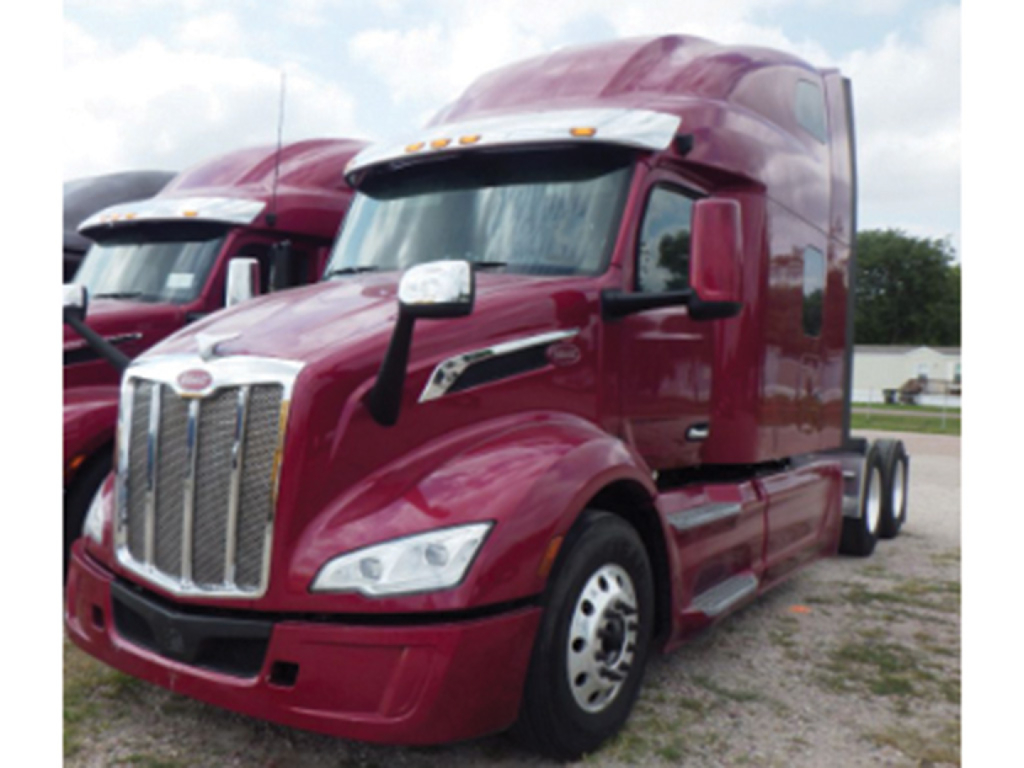
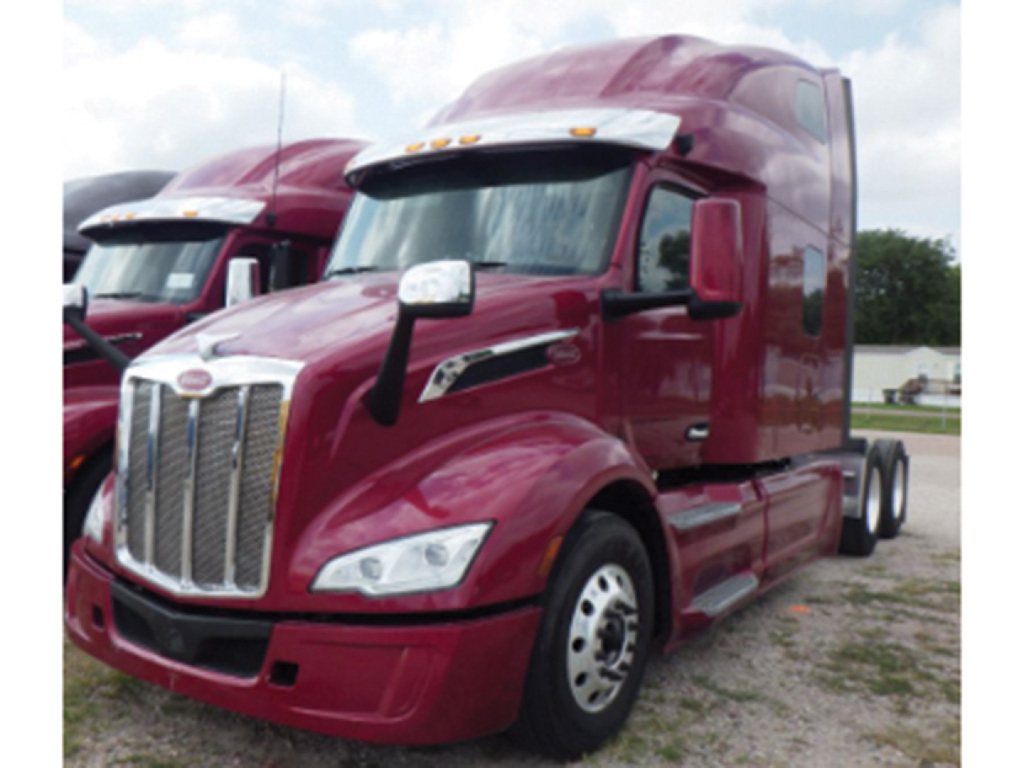
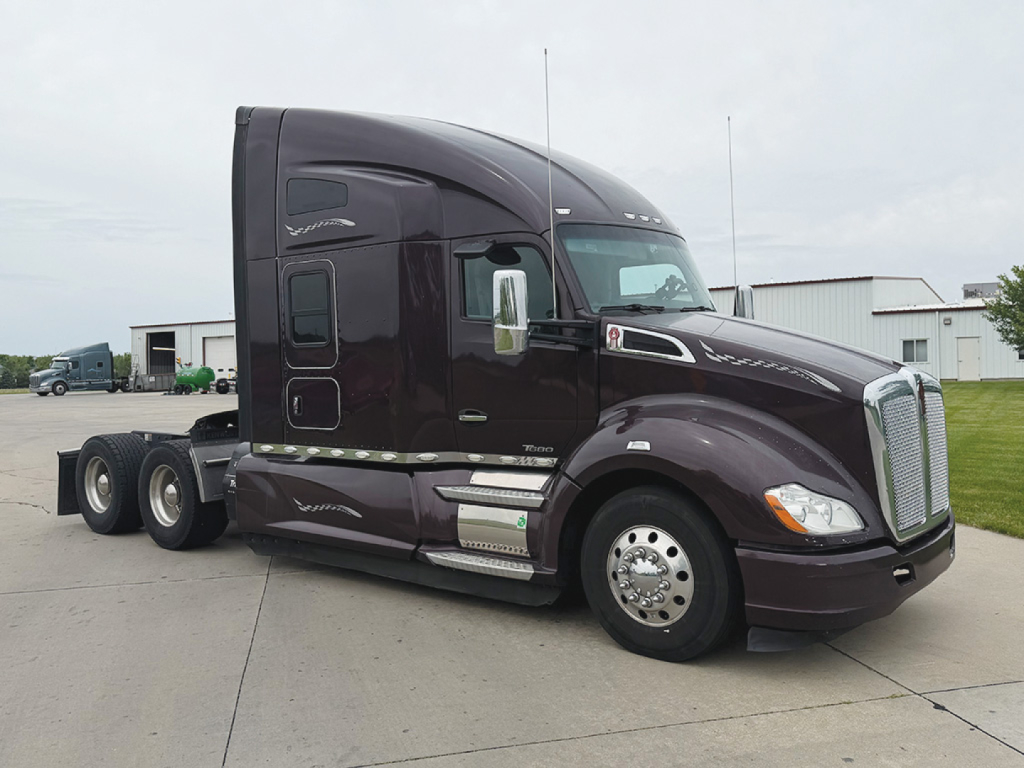
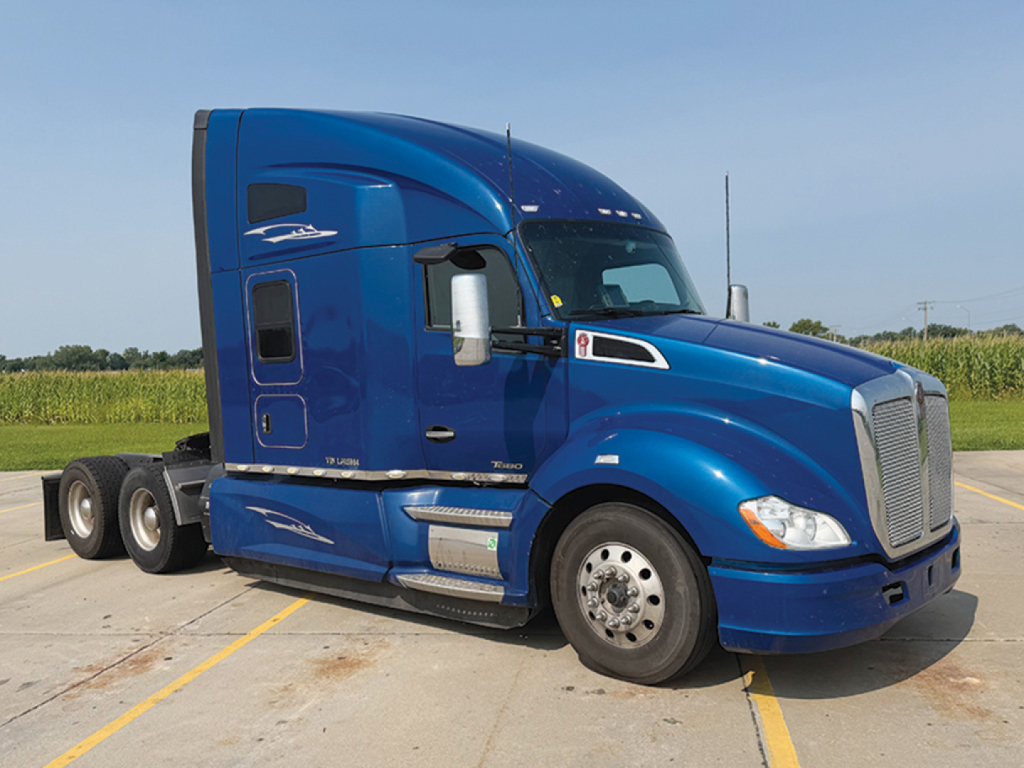
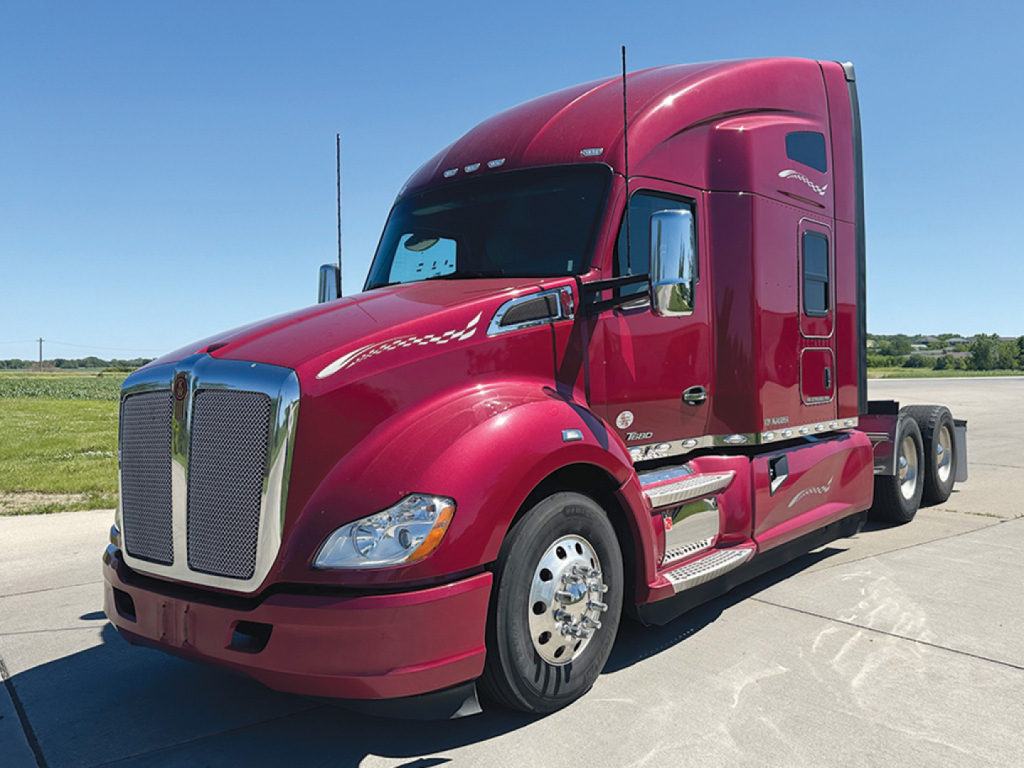
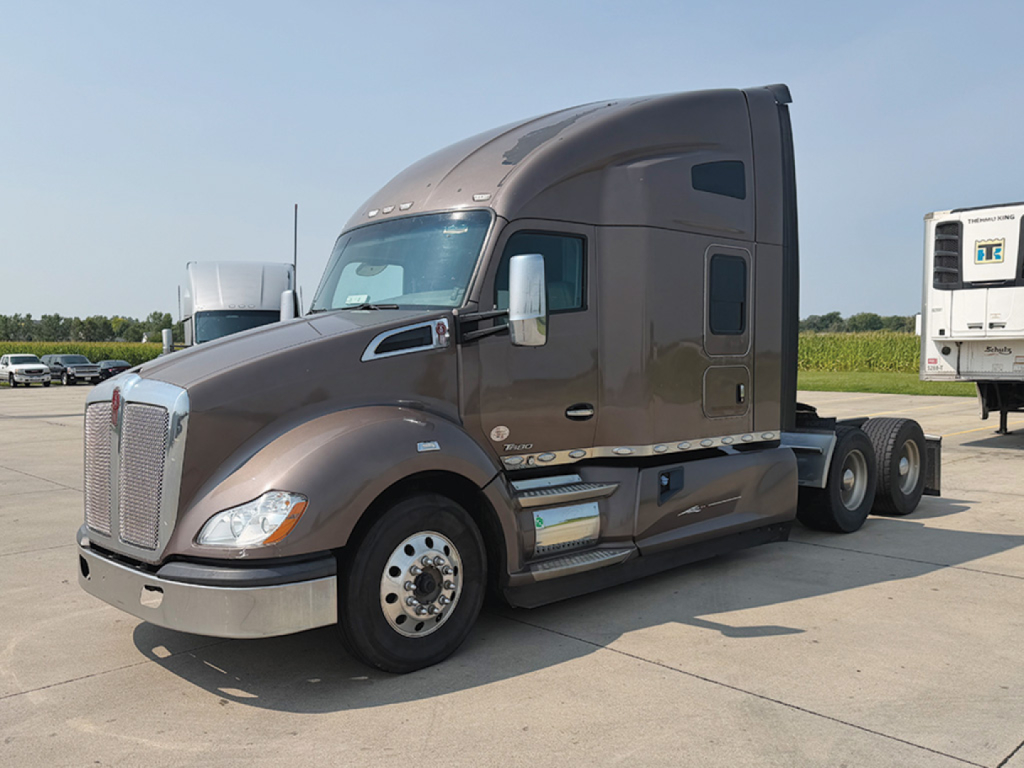
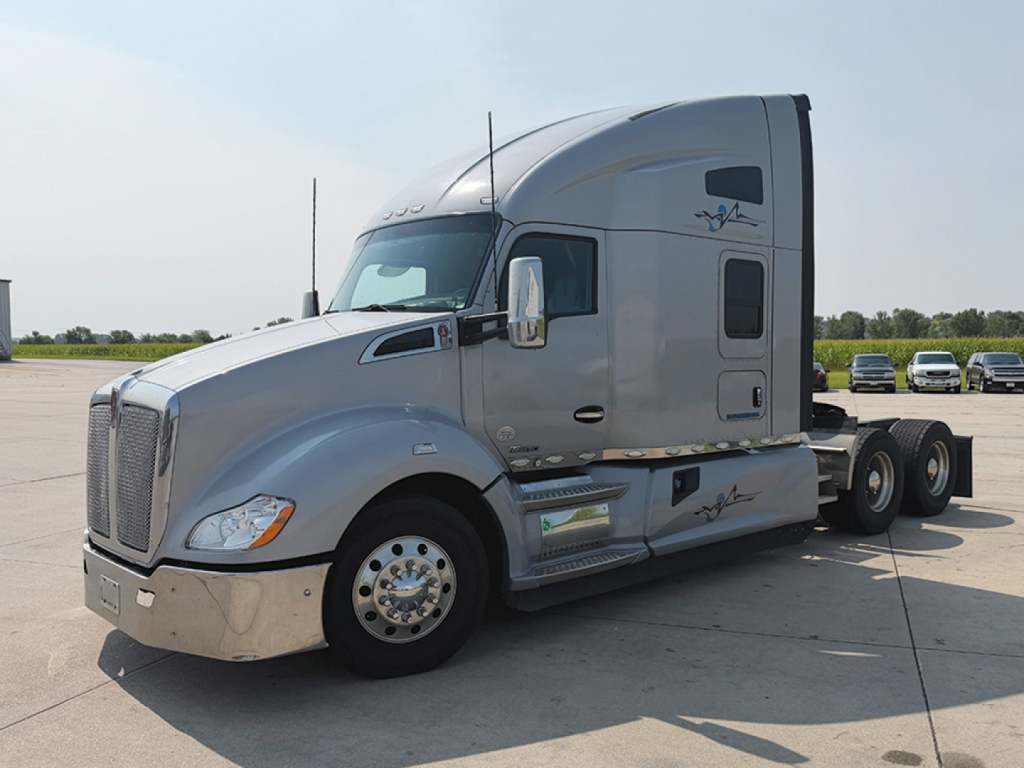
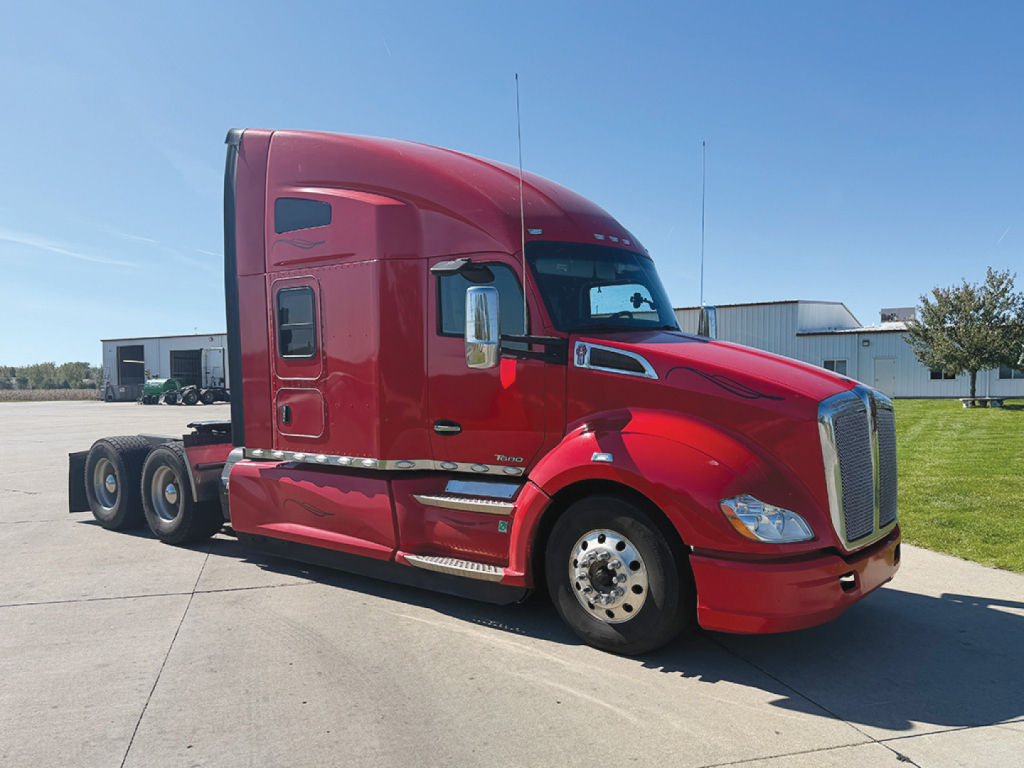
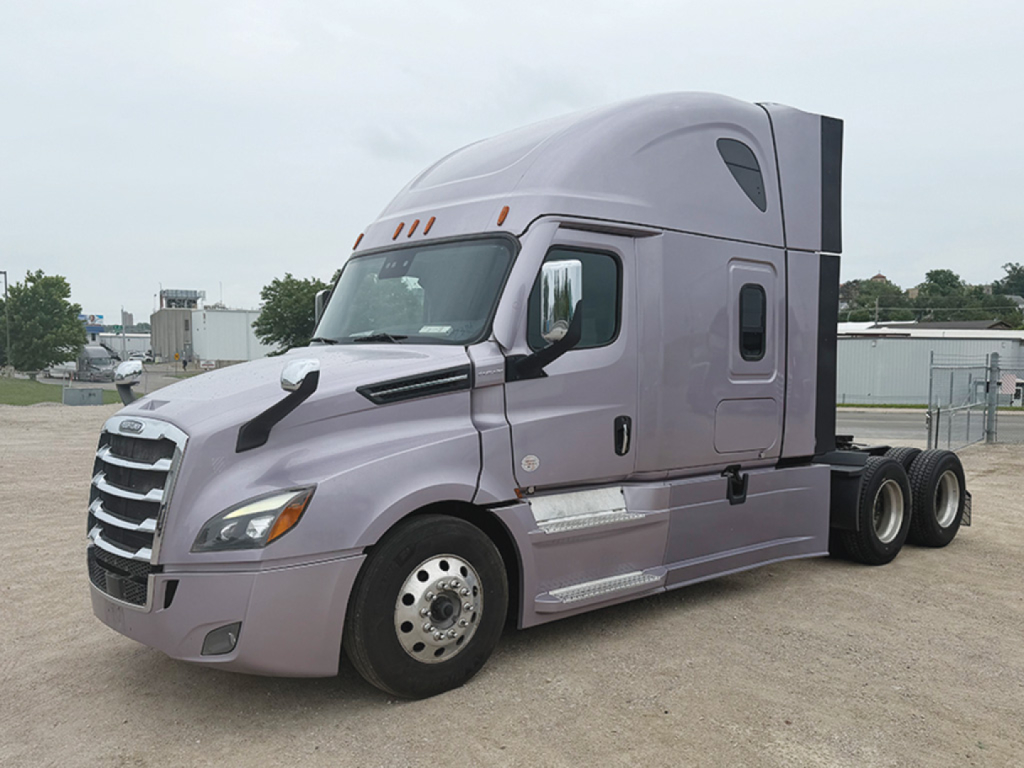
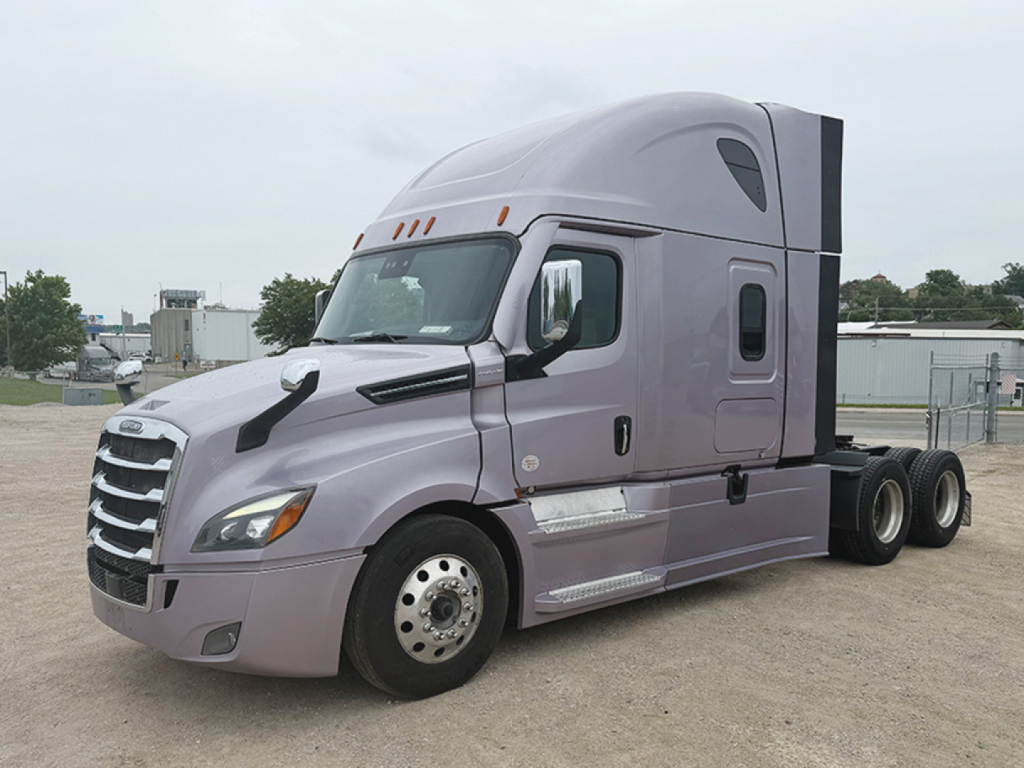
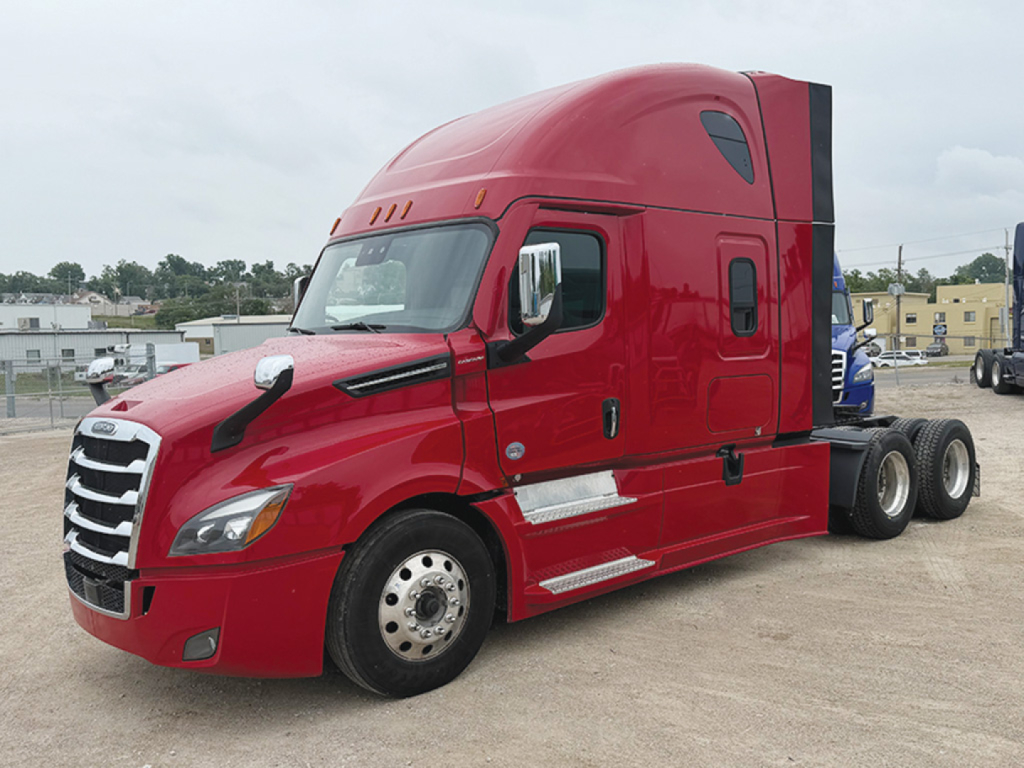
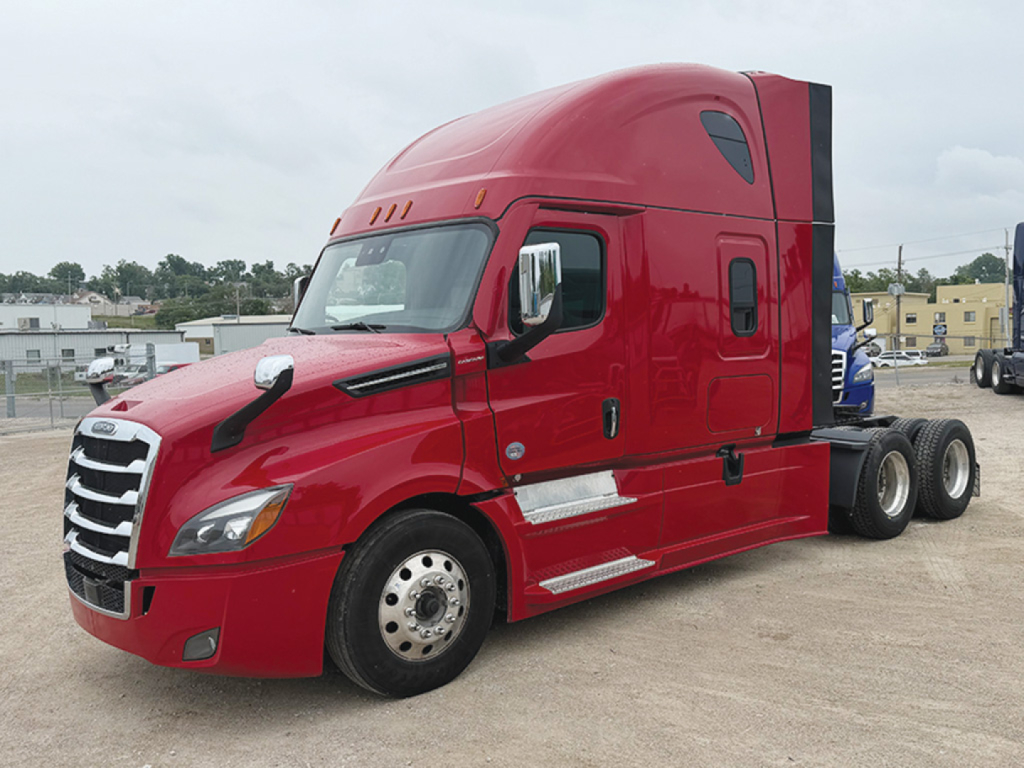
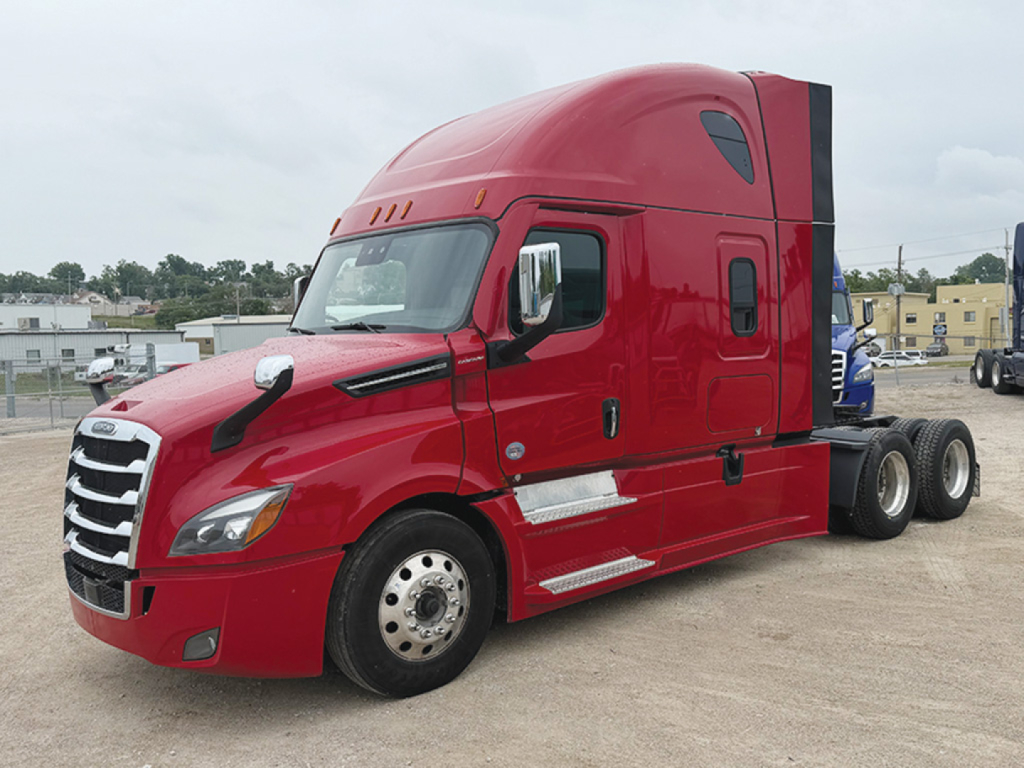
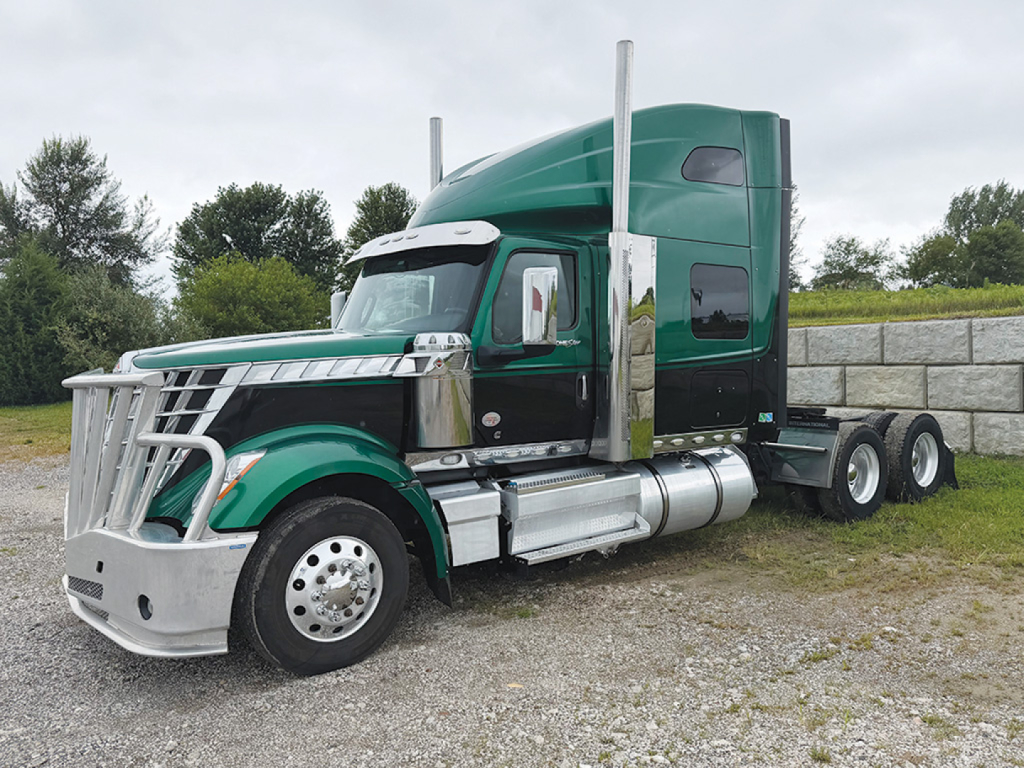
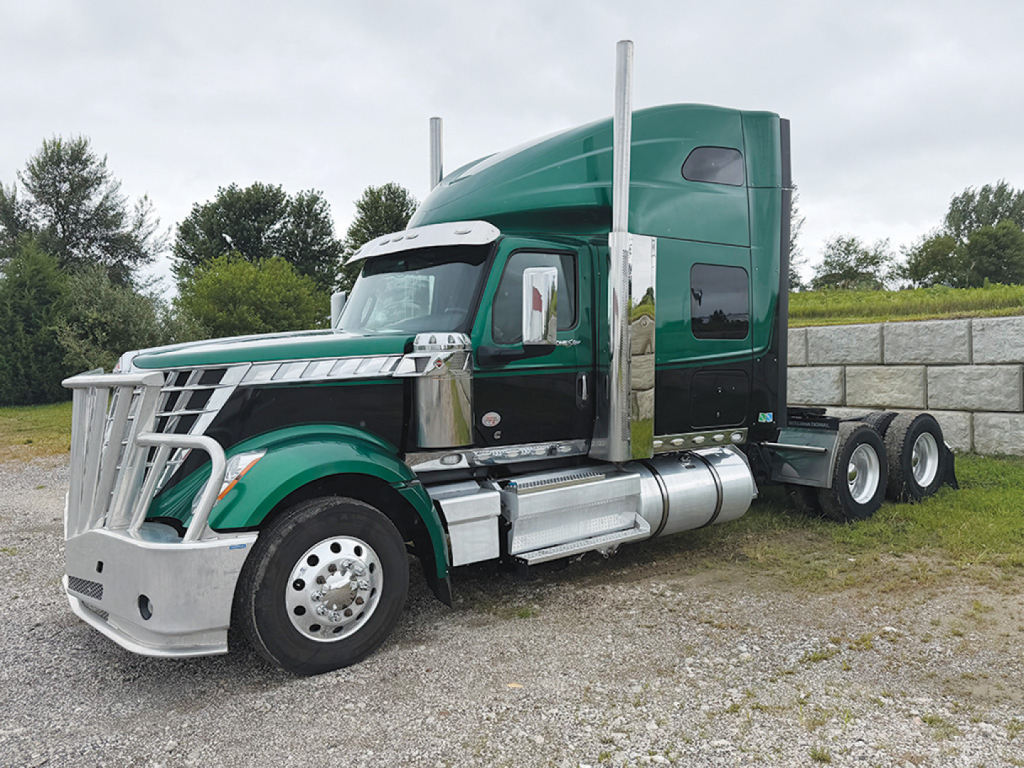
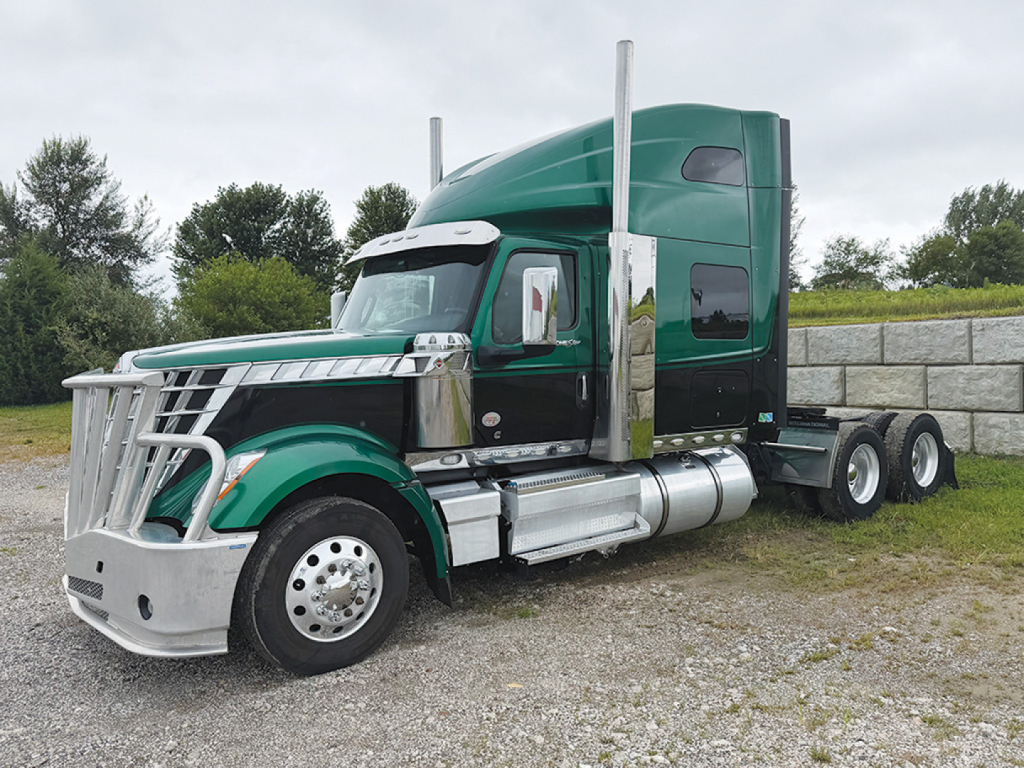
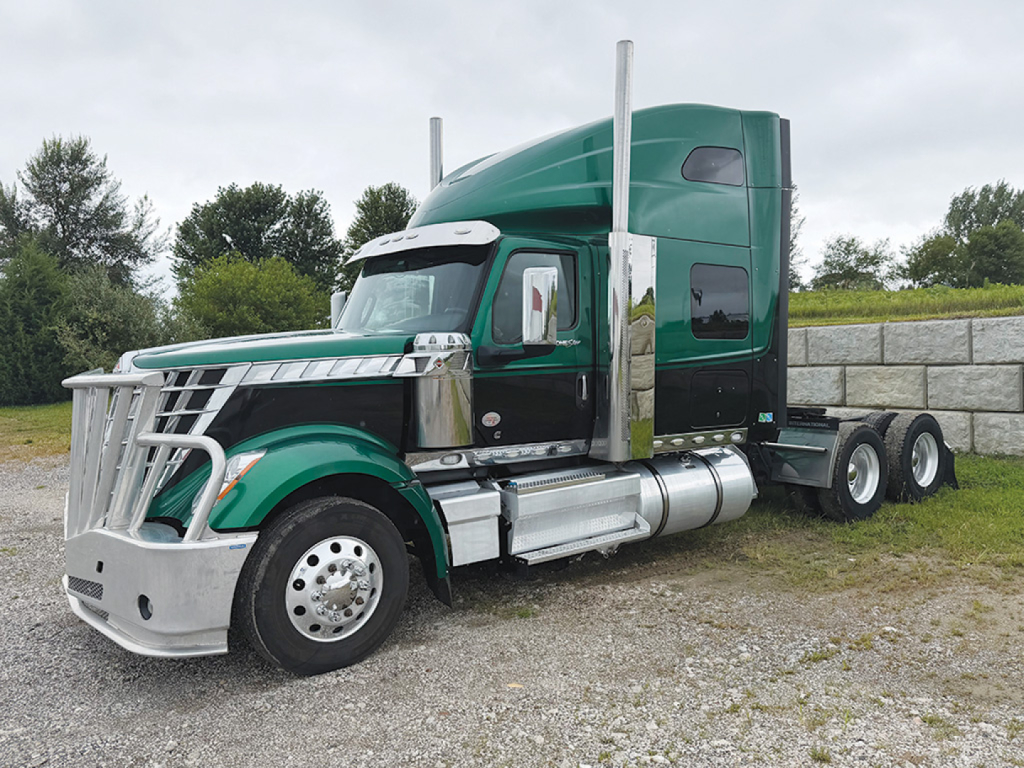
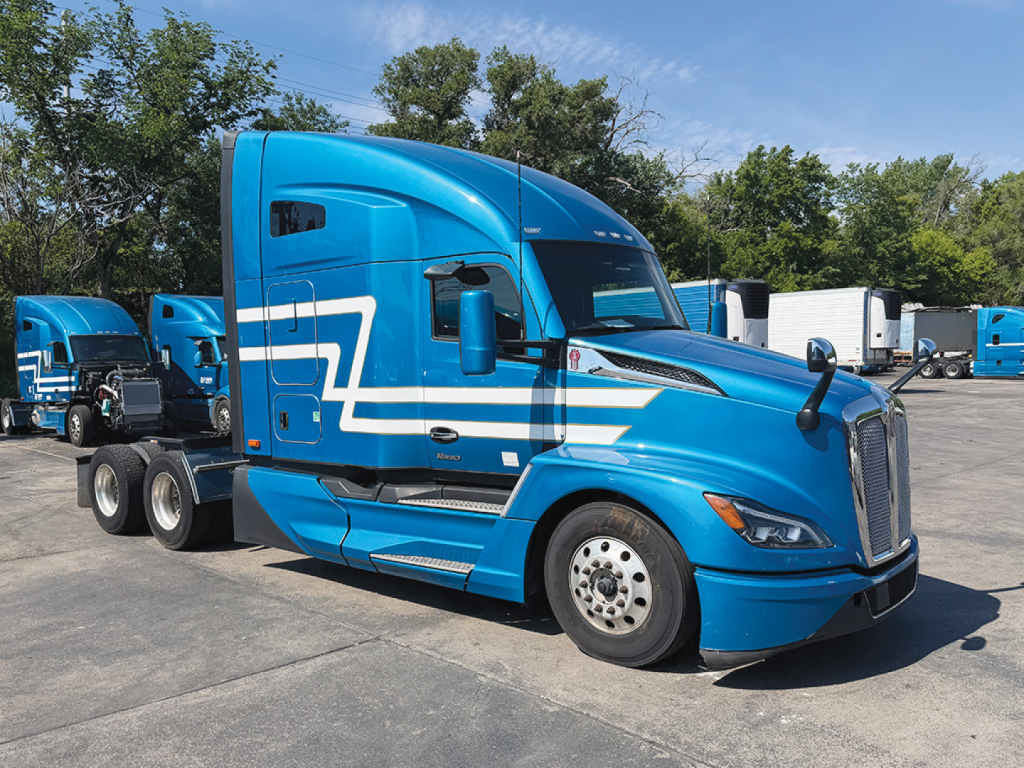
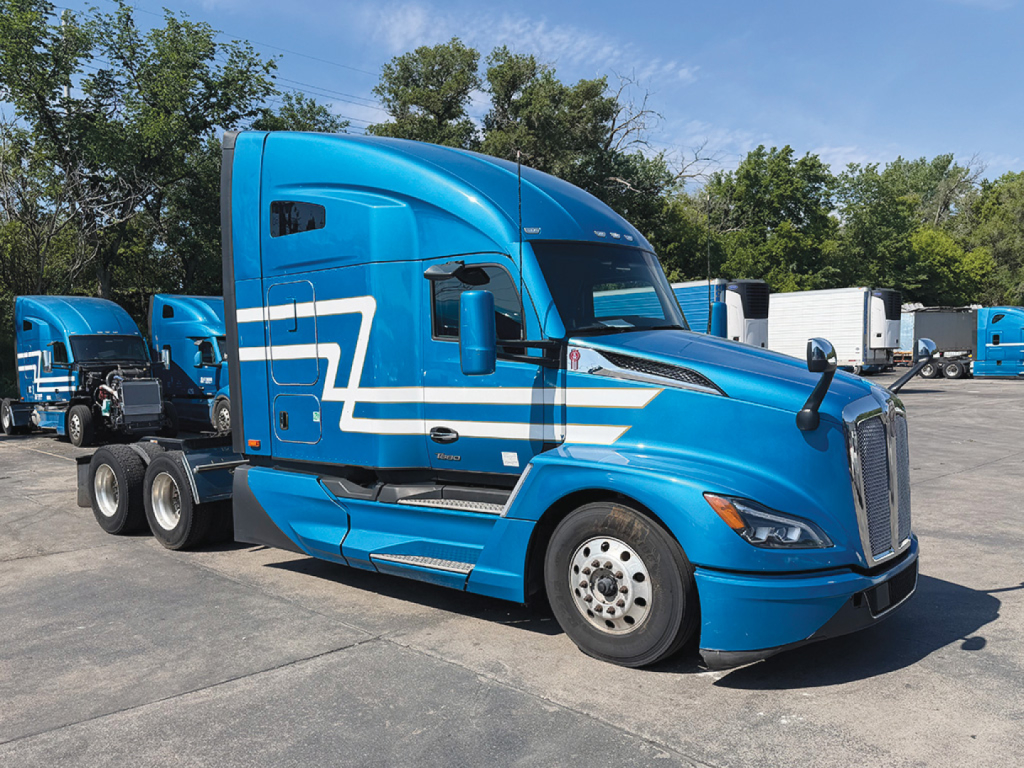
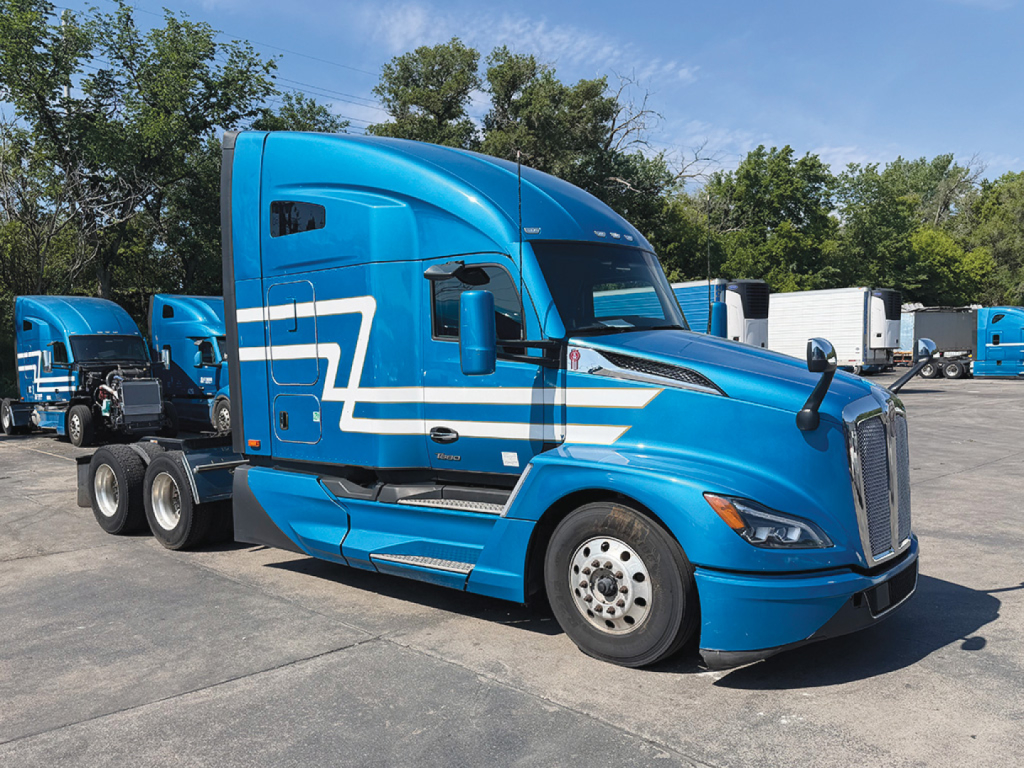
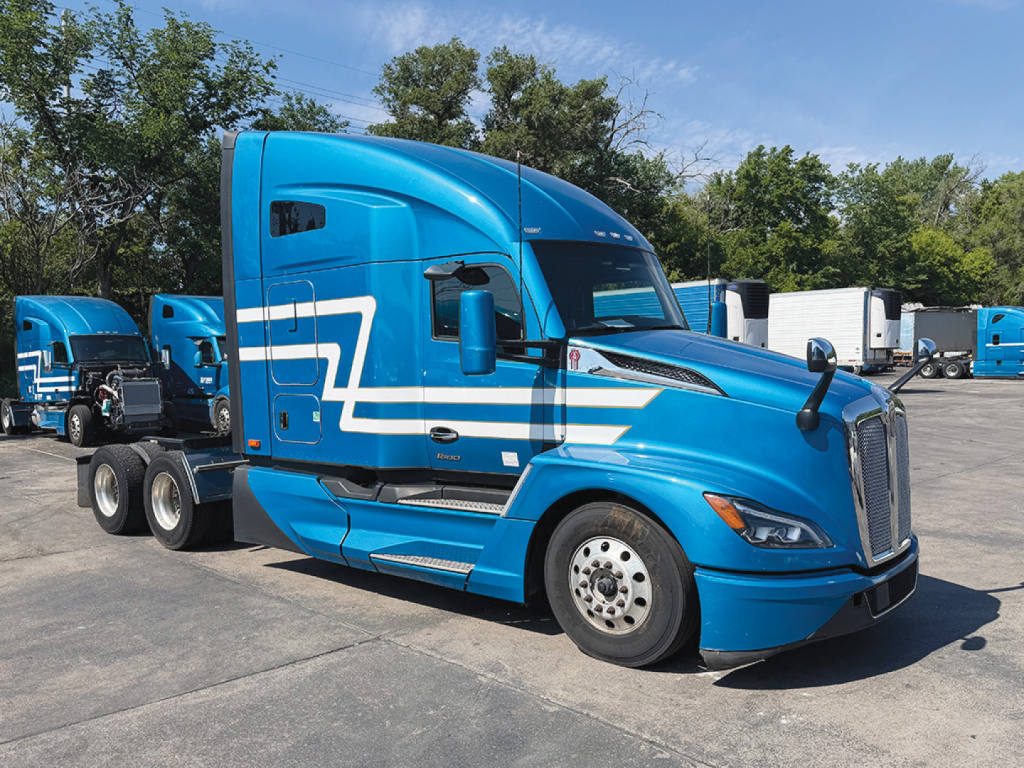
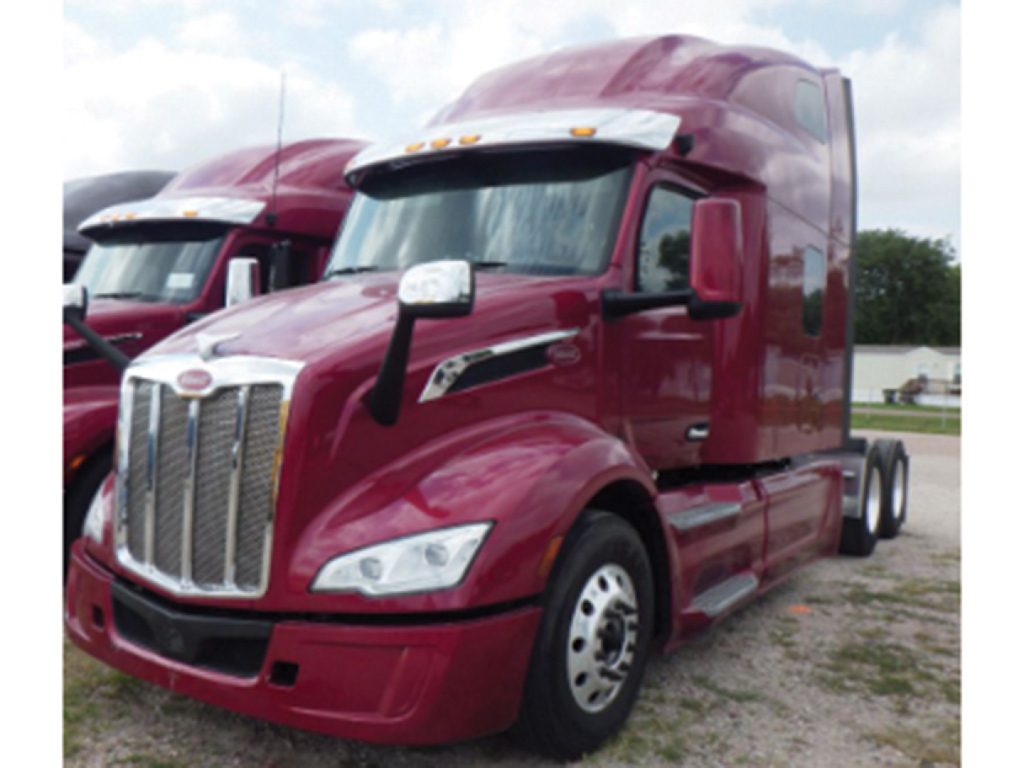
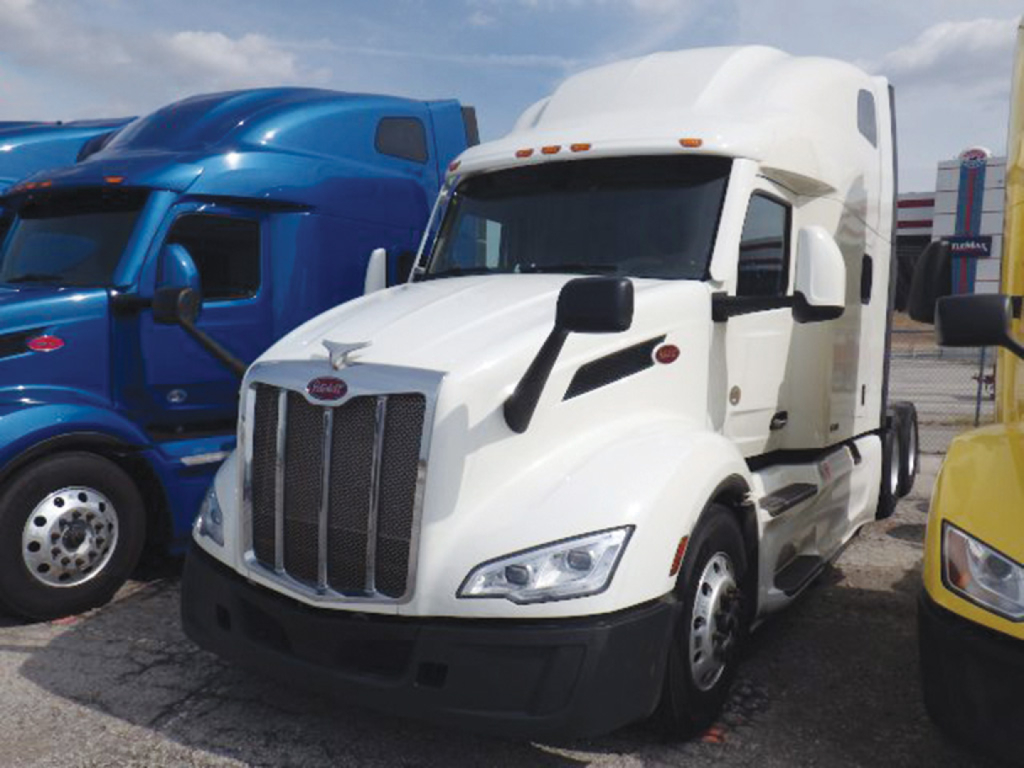
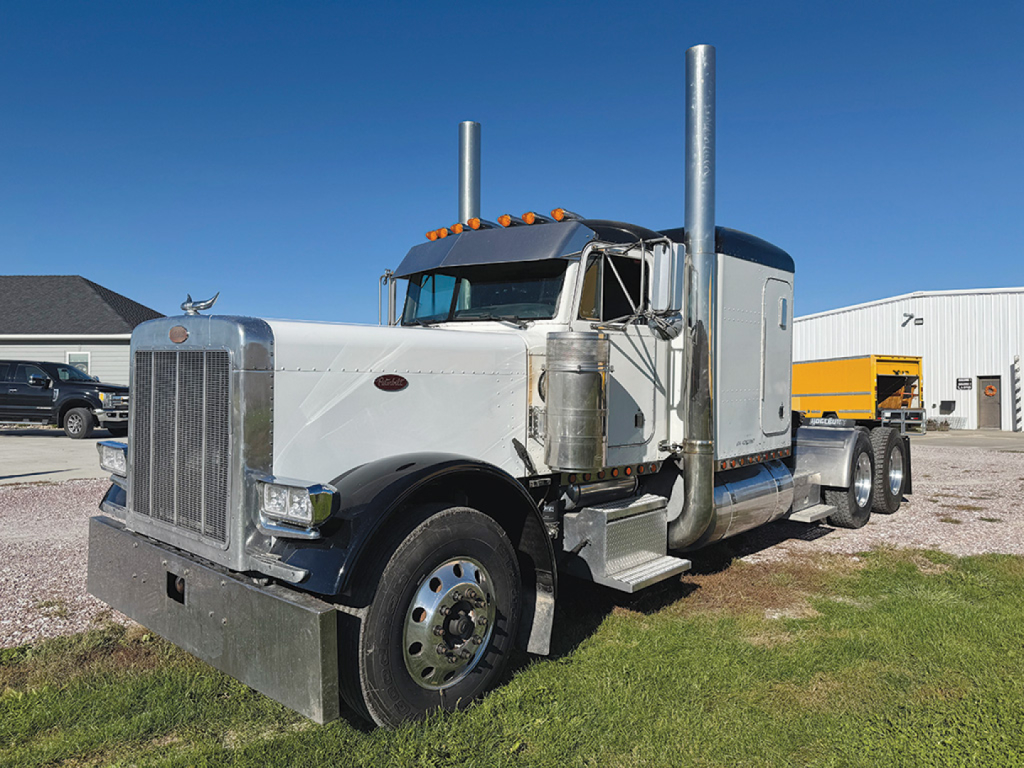
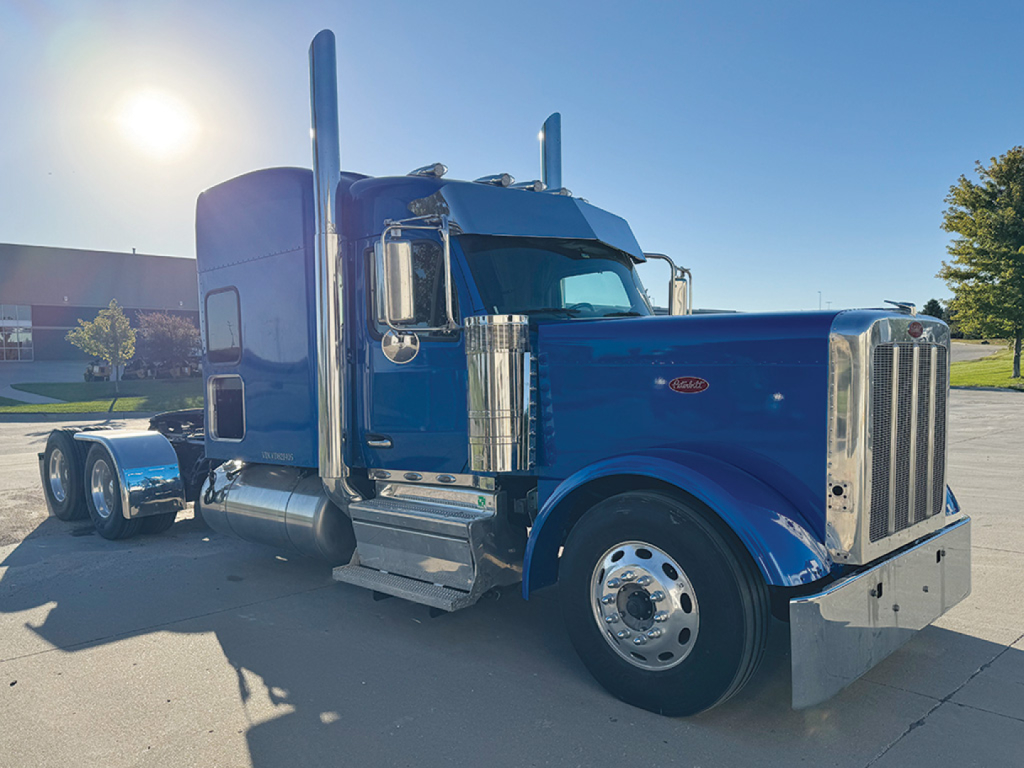
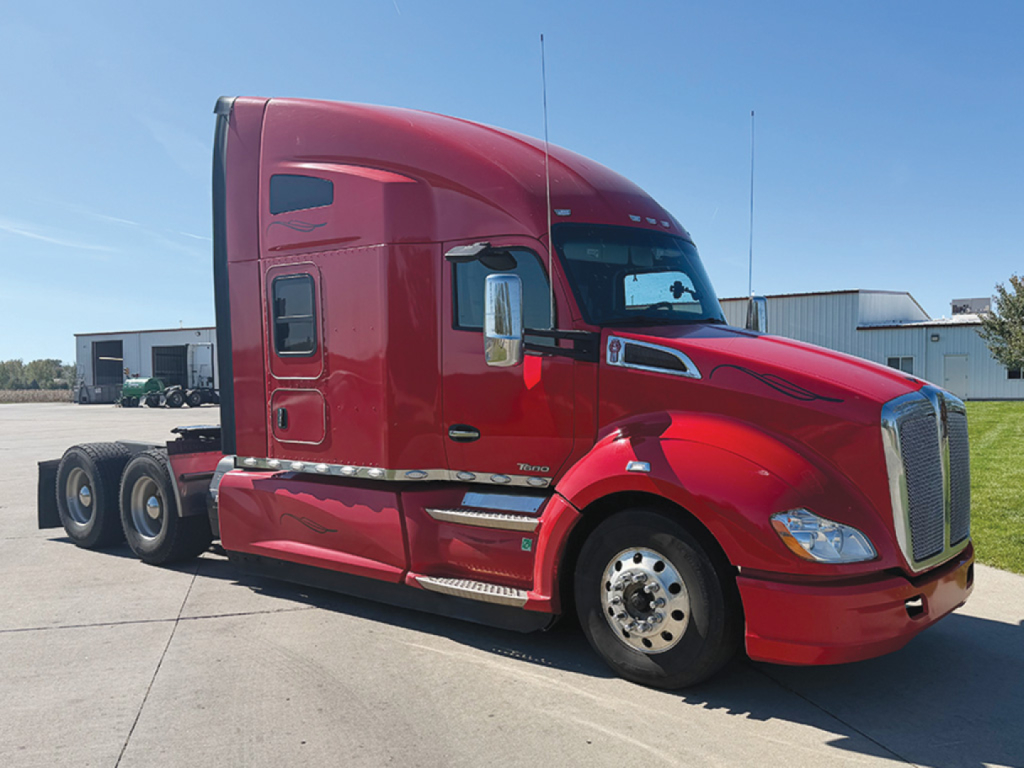
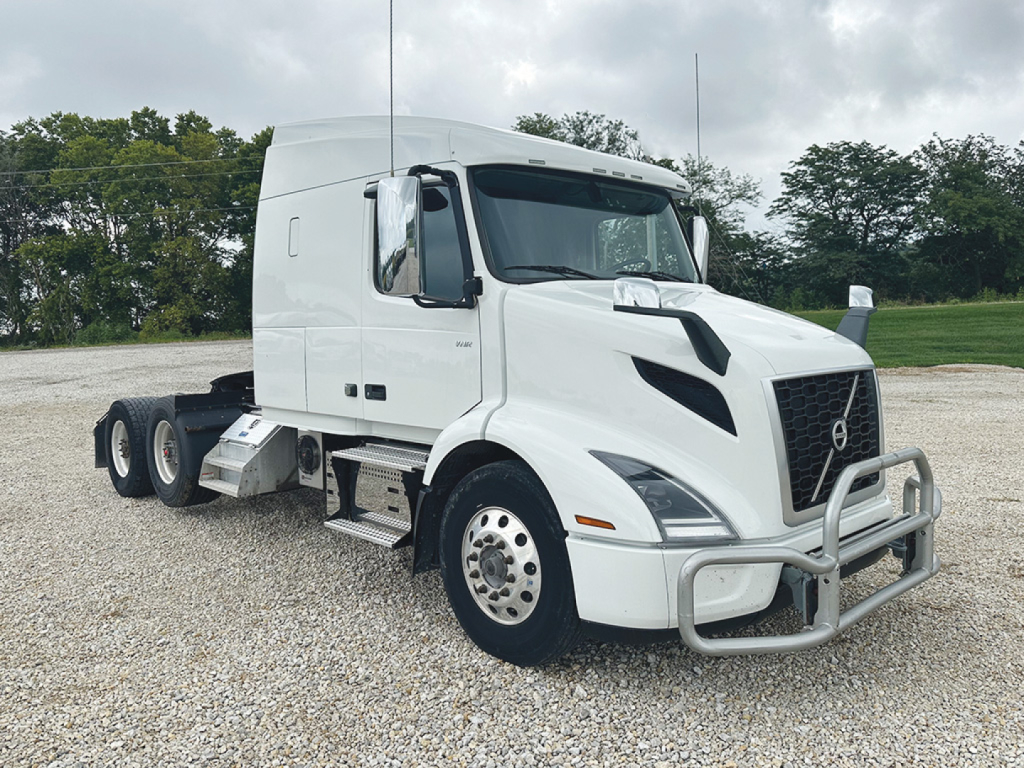
Showing 1 to 28 of 95 results
Selling a used conventional sleeper truck? List your used conventional sleeper truck for sale and reach thousands of commercial buyers.
Used Conventional Sleeper Trucks in Nebraska
Start with the powertrain because it determines how the truck will live on your route. Common engines in used conventional sleepers include the Volvo D13, Detroit DD15, and Cummins X15, usually in the 425 to 565 horsepower range. Rear axle ratios such as 2.64, 2.85, 3.36, and 3.42 make a major difference in cruise RPM, gradeability, and fuel burn. For mostly interstate freight across Nebraska and the Plains, a taller ratio paired with an overdrive automated transmission can lower engine speed and improve fuel economy. For heavier loads, more aggressive terrain, or a buyer who prefers stronger pulling power off the line, a deeper rear ratio and higher horsepower spec may be the better choice. Most trucks in this class run tandem 40,000 lb rear axles, air ride suspension, and air slide fifth wheels, which gives flexibility for axle spacing and trailer balance.
Sleeper layout matters as much as engine spec if the truck is going to spend real time on the road. Raised-roof 72-inch and larger sleepers usually offer better stand-up room, more storage, and room for upper bunks, refrigerators, workstations, bunk heaters, or APUs. Flat-top sleepers keep overall height lower and are often favored in classic long-hood specs, but they typically give up some interior volume. Buyers should also pay attention to wheelbase, fuel capacity, brake type, and tire package. A 225 to 229 inch wheelbase is common on aerodynamic highway tractors and usually easier to work with in tighter yards, while 280 inch wheelbases are more common on extended-hood trucks and can affect turning radius and trailer gap. Disc brakes, aluminum wheels, low-profile 22.5 tires, dual aluminum tanks, side fairings, and cab extenders all influence maintenance cost, fuel economy, and daily drivability.
On a used truck, condition and specification history matter more than badge alone. Check engine hours against mileage, review maintenance records, confirm transmission calibration and clutch life where applicable, inspect emissions system service history, and look closely at bunk HVAC, APU operation, fifth wheel wear, suspension bushings, and tire wear patterns. Nebraska buyers often prioritize trucks that can hold speed in crosswinds, stay efficient on long interstate runs, and still handle winter starts and idle-management needs. A well-matched used conventional sleeper should fit the freight first, then the driver, then the image. That approach usually leads to lower cost per mile and fewer regrets after the truck goes to work.
Frequently Asked Questions about Used Conventional Sleeper Trucks in Nebraska
What is a conventional sleeper truck?
A conventional sleeper truck is a highway tractor with the engine mounted ahead of the cab and a built-in sleeping compartment behind the driver area. It is designed for over-the-road operation where drivers need overnight accommodations, storage, and enough fuel capacity and comfort features for multi-day runs. Compared with day cabs, conventional sleeper trucks typically offer longer wheelbases, more fairing options, and better suitability for long-haul freight.
What engine and transmission setup is best in a used conventional sleeper?
The best setup depends on freight weight, route profile, and operating style. For general long-haul van or reefer work, engines in the 425 to 455 horsepower range with an automated manual transmission and a tall rear axle ratio are common because they support good fuel economy and lower driver fatigue. For heavier hauling, specialized flatbed work, or buyers who prefer more reserve power, a Cummins X15 or similar engine with 500 horsepower or more and a deeper rear ratio may make more sense. The key is matching horsepower, transmission gearing, and rear ratio to cruise speed and load demand.
Are raised-roof sleepers better than flat-top sleepers?
Raised-roof sleepers are usually better for teams, long-haul operations, and any application where the driver spends significant time living in the truck. They provide more headroom, more cabinet space, and more room for upper bunks, refrigerators, and workstations. Flat-top sleepers are lower in profile and often found on classic owner-operator trucks, but they generally offer less interior space. The better choice depends on how often the truck is used for extended trips and how important interior comfort is to the operation.
What should I inspect first on a used conventional sleeper truck?
Start with maintenance records, engine hours, mileage, and emissions system history because those items shape risk and future repair cost. Then inspect the fifth wheel, suspension, brakes, tires, driveline, and signs of frame or cab damage. Inside the sleeper, verify that the bunk HVAC, heater, refrigerator, APU, and electrical accessories function correctly. On automated transmission trucks, shift quality and software calibration matter. On manual transmission trucks, clutch condition and linkage feel are important.
What specs matter most for Nebraska long-haul trucking?
For Nebraska-based operation, buyers often focus on fuel economy at interstate speeds, stable highway manners in wind, reliable cold-weather starting, and enough sleeper equipment to manage long runs across the Plains and Midwest. Rear axle ratio, fuel tank size, wheelbase, and sleeper amenities all matter. Trucks with aerodynamic fairings, efficient automated transmissions, and 40,000 lb rears are common choices for I-80 freight, while higher-horsepower long-hood trucks may be preferred for specialized freight, image-driven operations, or heavier pulling requirements.