
Used Volvo Conventional Sleeper Trucks For Sale in Nebraska
Browse used Volvo conventional sleeper trucks in Nebraska, including VNL 760 and VNL 860 models built for long-haul comfort and fuel efficiency.
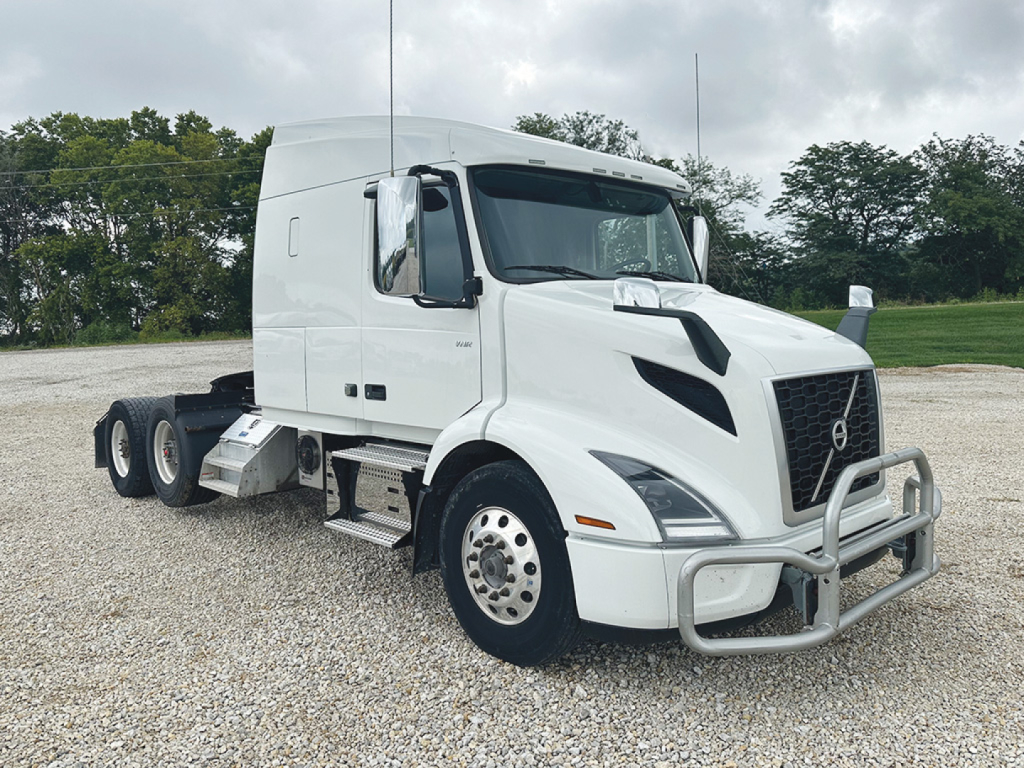
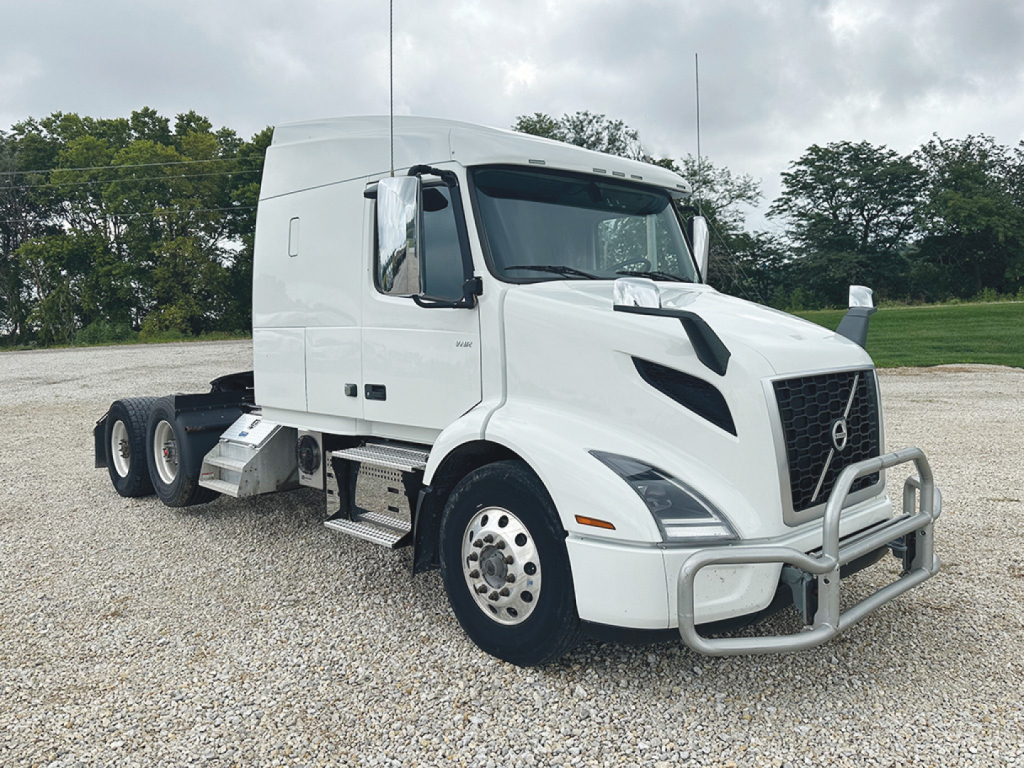
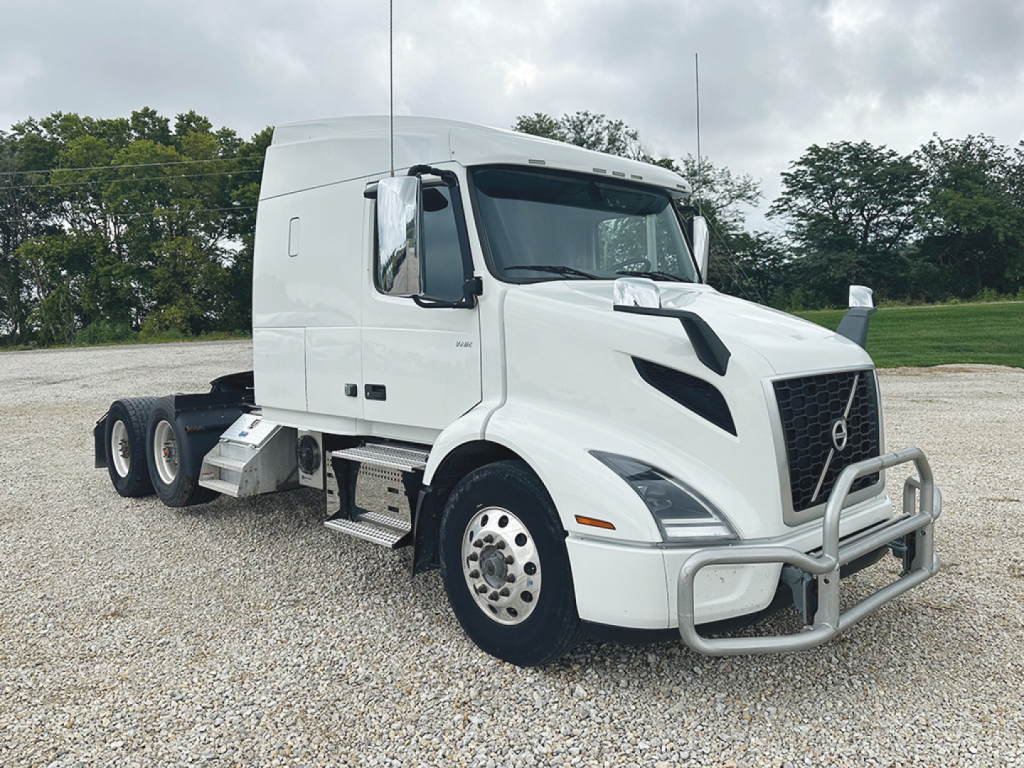
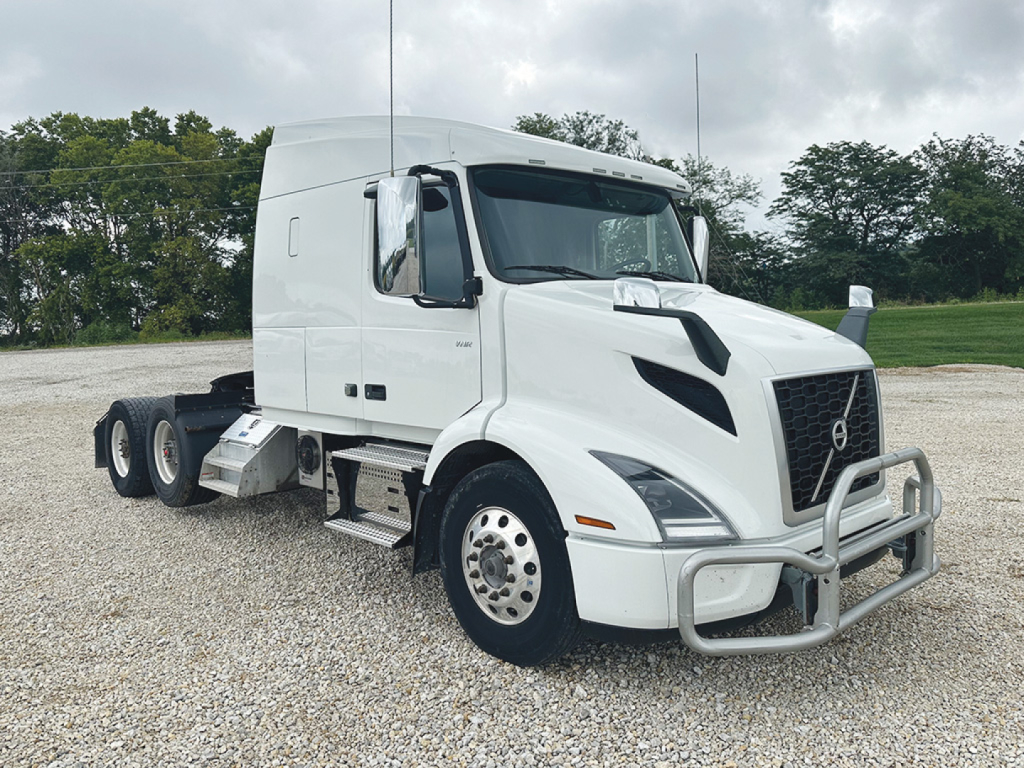
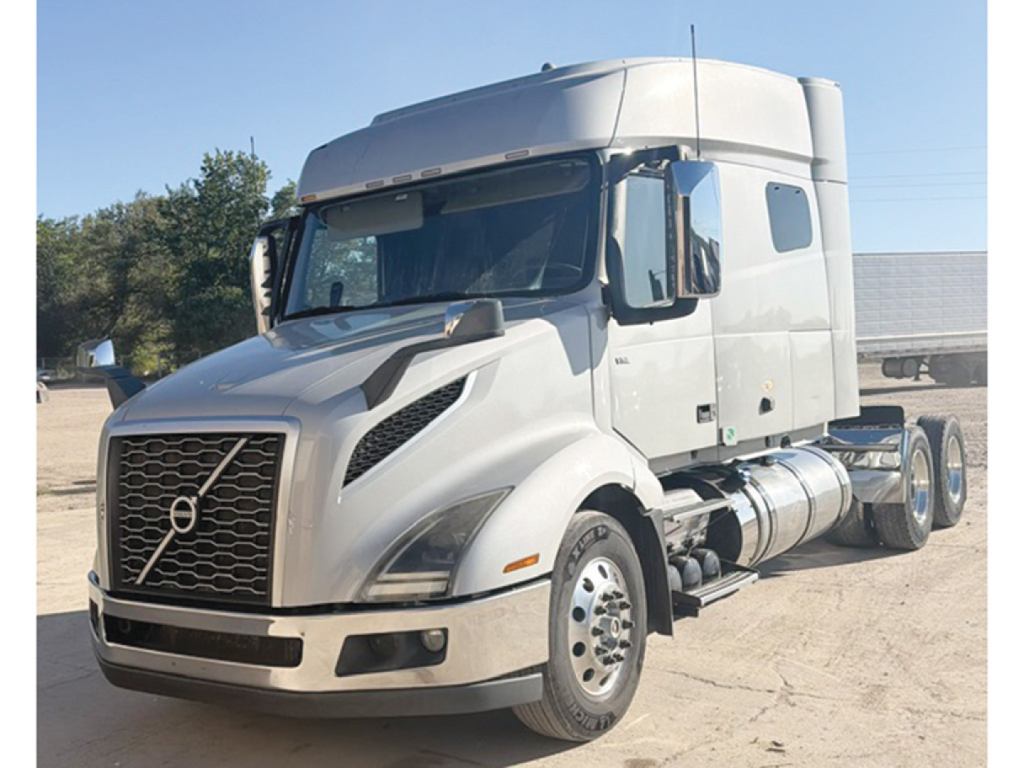
Selling a used volvo conventional sleeper truck? List your used volvo conventional sleeper truck for sale and reach thousands of commercial buyers.
Used Volvo Conventional Sleeper Trucks in Nebraska
The first spec decision is usually sleeper size and cab layout. A VNL 760 gives buyers a practical high-roof sleeper with solid storage and room for regional or over-the-road service, while a VNL 860 adds more living space for teams or drivers spending extended time on the road. Common used specs include 425 to 455 horsepower, 12-speed I-Shift transmissions, 40,000 lb rear axles, air ride suspension, and tall overdrive ratios such as 2.64 for fuel-conscious highway operation. Wheelbases often land in the 229 to 235 inch range, and many trucks are equipped with air slide fifth wheels, dual aluminum fuel tanks, side fairings, cab extenders, and low-profile 22.5 tires. Disc brakes are also common on newer VNL sleepers and can be a meaningful advantage in stopping performance and maintenance consistency.
For Nebraska buyers, these trucks make sense for interstate freight moving across long, open highway stretches where aerodynamics, gearing, and driver comfort directly affect operating cost. Look closely at bunk heater operation, APU or idle-management setup if equipped, refrigerator and workstation condition, and the overall state of the sleeper interior. On the chassis side, pay attention to fairing condition, quarter fenders, suspension wear, brake spec, and any signs of collision repair around the hood, cab extenders, or rear sleeper corners. If the truck is set up with a downsped drivetrain, confirm the rear axle ratio, tire size, and transmission model match the intended freight and terrain.
A used Volvo sleeper should also be evaluated as a complete emissions and software package, not just as an engine and cab. Service history on the D13, aftertreatment maintenance, clutch calibration history in the I-Shift, and any active fault codes matter more than cosmetic condition alone. Buyers comparing similar model years should weigh remaining factory warranty, if any, against mileage, idle hours, and evidence of consistent preventive maintenance. A well-spec'd Volvo conventional sleeper can be an efficient linehaul tractor with strong resale appeal, especially when the drivetrain, sleeper amenities, and axle ratio are aligned with the work it is expected to do.
Frequently Asked Questions about Used Volvo Conventional Sleeper Trucks in Nebraska
What is the difference between a Volvo VNL 760 and a VNL 860 sleeper?
The main difference is sleeper size and interior space. A Volvo VNL 760 is a high-roof conventional sleeper with enough room for over-the-road use while keeping overall weight and length practical. A VNL 860 adds more stand-up room, storage, and living space, which can be important for team operations or drivers who stay out for longer periods. Buyers should choose based on haul length, driver preference, and how much value they place on interior comfort versus a slightly more compact tractor.
What engine and transmission are most common in used Volvo conventional sleeper trucks?
Most late-model used Volvo conventional sleepers are equipped with the Volvo D13 engine and Volvo I-Shift automated manual transmission. Horsepower ratings commonly fall in the 425 to 455 HP range, which is well suited for general freight and long-haul van or reefer work. The integrated Volvo powertrain is popular because the engine, transmission, and software are calibrated to work together for fuel economy, shift quality, and highway drivability.
Are Volvo sleeper trucks good for fuel-efficient long-haul service?
Yes. Volvo VNL sleepers are widely chosen for fuel-efficient over-the-road applications because of their aerodynamic design, downsped drivetrain options, and integrated powertrain controls. Many used units are spec'd with overdrive automated transmissions, low rear axle ratios like 2.64, and fairing packages that help reduce fuel burn at highway speeds. Actual results still depend on load profile, terrain, speed, idle time, and maintenance condition.
What should I inspect first on a used Volvo sleeper truck?
Start with service records, engine hours, mileage, fault codes, and aftertreatment history. Then inspect the D13 for leaks, cooling system condition, and signs of deferred maintenance, followed by an I-Shift road test to confirm smooth engagement and proper shift logic. On the chassis, review brake type, suspension wear, tire wear pattern, fifth wheel condition, and axle ratio. Inside the sleeper, check the bunk heater, HVAC performance, refrigerator, storage latches, and any electronic features that matter to driver uptime and comfort.
Why do axle ratio and wheelbase matter on a Volvo conventional sleeper?
Axle ratio and wheelbase directly affect fuel economy, maneuverability, and how the truck matches its intended trailer and freight. A highway-focused sleeper with a 2.64 ratio and a 12-speed I-Shift is typically optimized for steady interstate cruising and lower engine rpm. Wheelbases around 229 to 235 inches are common on these tractors and usually balance ride quality with trailer swing clearance and fifth wheel placement. Buyers should confirm the ratio and wheelbase fit the lanes, trailer lengths, and operating weights they expect to run.