
Used 2020 Volvo Conventional Sleeper Trucks For Sale in Nebraska
Shop used 2020 Volvo conventional sleeper trucks with VNL and VNR specs, I-Shift automation, sleeper comfort, and fuel-efficient highway setups.
Selling a used 2020 volvo conventional sleeper truck? List your used 2020 volvo conventional sleeper truck for sale and reach thousands of commercial buyers.
Used 2020 Volvo Conventional Sleeper Trucks in Nebraska
The big spec decision usually starts with engine and drivetrain. A 2020 Volvo sleeper may be powered by a Volvo D11 or D13, commonly paired with the Volvo I-Shift automated manual transmission. D11 trucks often appeal to buyers running lighter payloads, regional freight, or routes where fuel burn matters more than maximum horsepower. D13-equipped sleepers are more common for heavier van, reefer, and general freight applications where torque, cruising efficiency, and resale appeal are priorities. Pay attention to horsepower and torque ratings, rear axle ratio, and whether the truck is set up as a tandem axle or a lighter single-drive configuration with a pusher. In Nebraska and across the Plains, those gearing and axle choices matter because a truck may spend long hours at highway speed, then still need to handle wind, rolling grades, and seasonal weather.
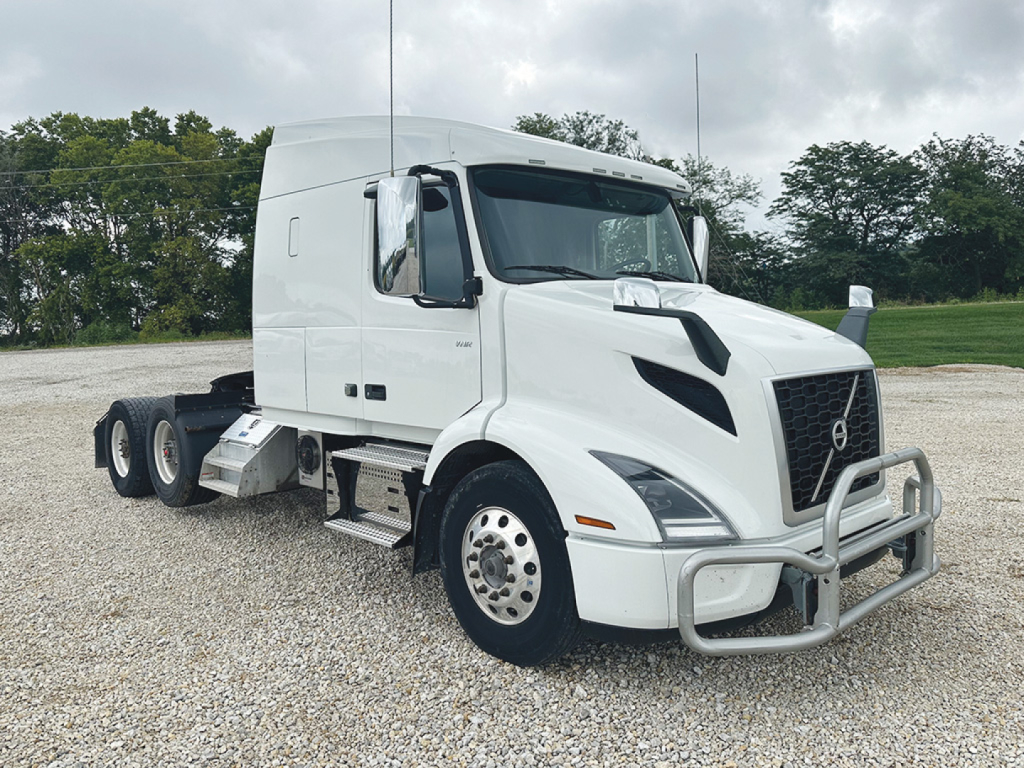
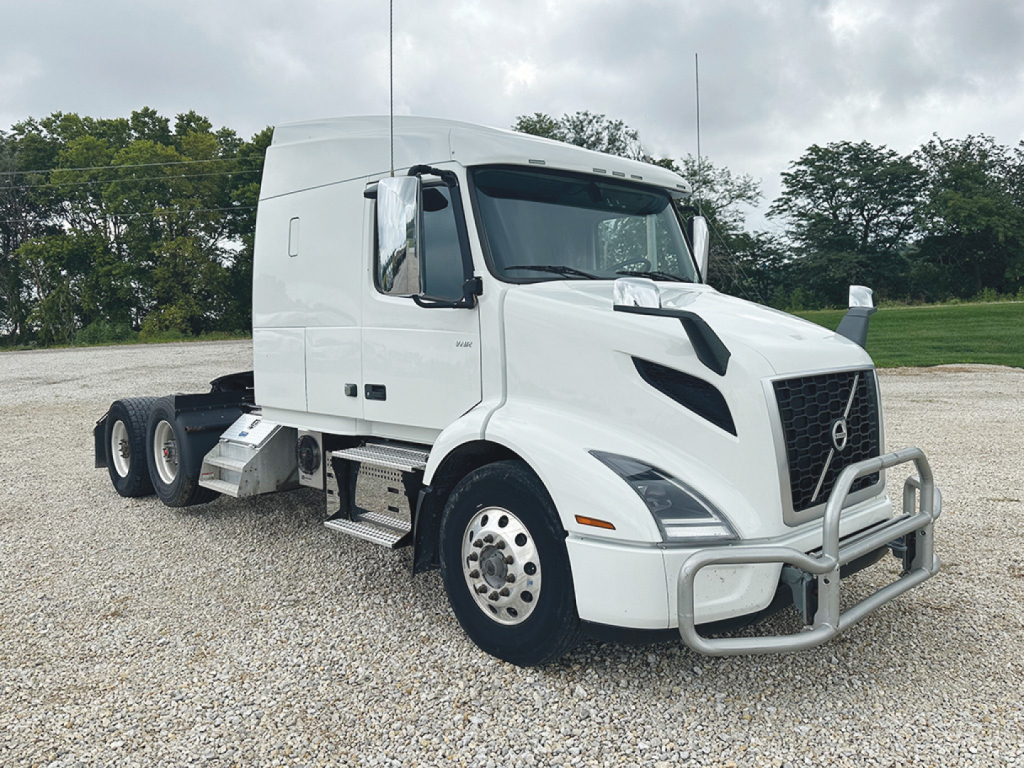
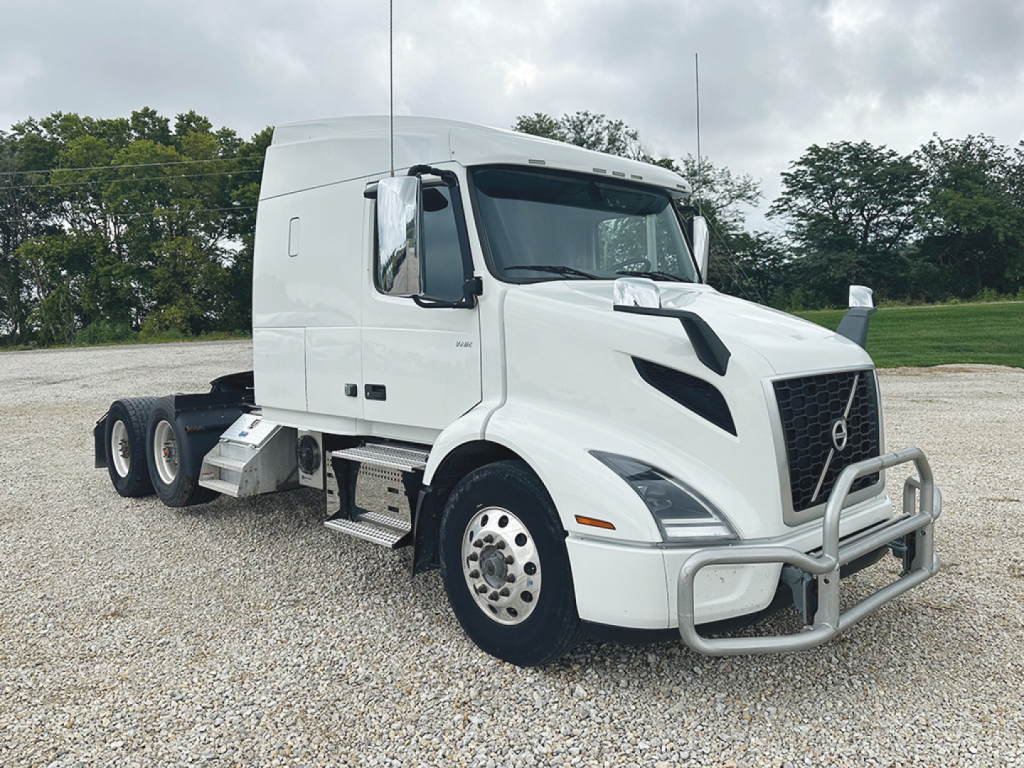
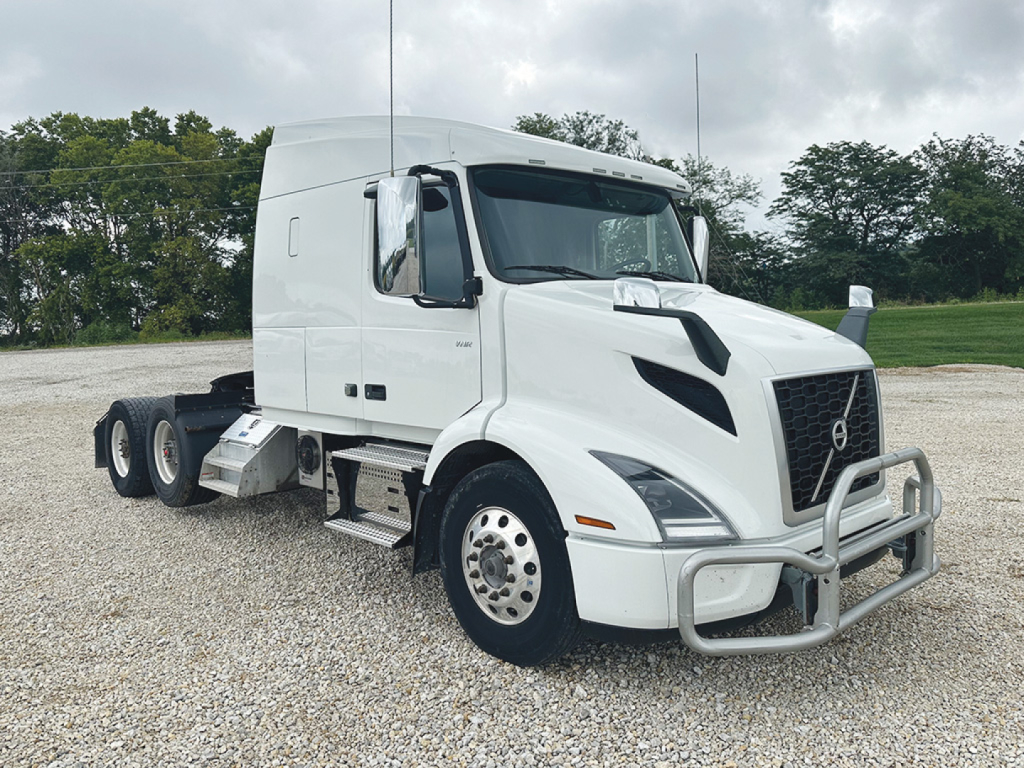
Cab and chassis specs deserve a close look because they directly affect application fit. Common items on 2020 Volvo conventional sleepers include air ride suspension, air slide fifth wheel, disc brakes, aluminum wheels, dual fuel tanks, and sleeper amenities such as bunk heaters, upper bunks, refrigerators, and workstation layouts. Wheelbase, fuel capacity, tire setup, and fairing package all influence maneuverability and operating cost. Some VNR sleepers are spec'd with super singles, pusher axles, or PTO provisions, which can make them useful for specialized regional work. Buyers should also evaluate collision mitigation features, brake type, and interior condition, especially on trucks that saw team service or higher annual miles.
A good used 2020 Volvo sleeper should be judged on service history as much as on the badge and sleeper size. Look for DPF and aftertreatment maintenance records, I-Shift software and clutch calibration history, brake wear, suspension condition, and signs of consistent PM intervals. Volvo conventional sleepers are well known for a quiet cab, strong visibility, and a driver-friendly layout, but the right truck still comes down to matching the spec to the lane. A shorter VNR sleeper can be a smart regional tractor with overnight flexibility, while a VNL sleeper is often better suited to longer interstate runs where living space, fuel range, and tall gearing have more value.
Frequently Asked Questions about Used 2020 Volvo Conventional Sleeper Trucks in Nebraska
What is the difference between a 2020 Volvo VNL sleeper and a 2020 Volvo VNR sleeper?
The VNL is Volvo's primary long-haul conventional sleeper platform and is usually spec'd with larger sleepers, longer wheelbases, and fuel-focused highway gearing. The VNR sleeper is typically built for regional haul and urban-access freight where maneuverability matters more. A VNR can still handle overnight runs, but it is generally easier to place in tighter docks, shorter yards, and dedicated lane work than a larger VNL.
Is the Volvo D11 or D13 better in a used 2020 Volvo sleeper truck?
It depends on the job. The D11 is a solid choice for regional freight, lighter gross weights, and buyers prioritizing fuel economy and lower tare weight. The D13 is usually the better fit for long-haul applications, heavier loads, and buyers who want broader torque and stronger resale demand. Reviewing horsepower, torque rating, rear axle ratio, and typical gross combination weight is more important than choosing by engine badge alone.
Are 2020 Volvo sleeper trucks commonly equipped with the I-Shift transmission?
Yes. Many 2020 Volvo conventional sleeper trucks are equipped with the Volvo I-Shift automated manual transmission. It is popular because it delivers consistent shifting, supports fuel-efficient operation, and reduces driver fatigue in both highway and stop-and-go service. Buyers should still confirm transmission model, software history, and how the truck was geared, because those factors affect performance just as much as the transmission nameplate.
What should I inspect on a used 2020 Volvo conventional sleeper before buying?
Start with maintenance records, engine hours, and fault code history. Then inspect the aftertreatment system, including DPF service intervals, along with brake condition, suspension wear, tire wear pattern, and fifth wheel movement. On a Volvo sleeper, it is also smart to verify I-Shift operation, bunk HVAC performance, electrical accessories, and signs of water intrusion or excessive interior wear. A clean service history usually tells more than cosmetics on a late-model highway tractor.
Are used 2020 Volvo sleeper trucks a good fit for Nebraska and Midwest freight?
Yes, especially when the spec matches the route structure. Nebraska and surrounding Midwest lanes often reward aerodynamic sleepers with efficient highway gearing, strong HVAC performance, and stable ride quality for long stretches of interstate travel. A VNL sleeper is often a strong match for longer regional and over-the-road lanes, while a VNR sleeper can work well for shorter dedicated routes, agricultural support freight, and regional distribution that still requires sleeper capability.