
Used 2019 Conventional Sleeper Trucks For Sale in Nebraska
Shop used 2019 conventional sleeper trucks in Nebraska. Compare sleeper size, engine, transmission, axle ratio, wheelbase, and spec fit.
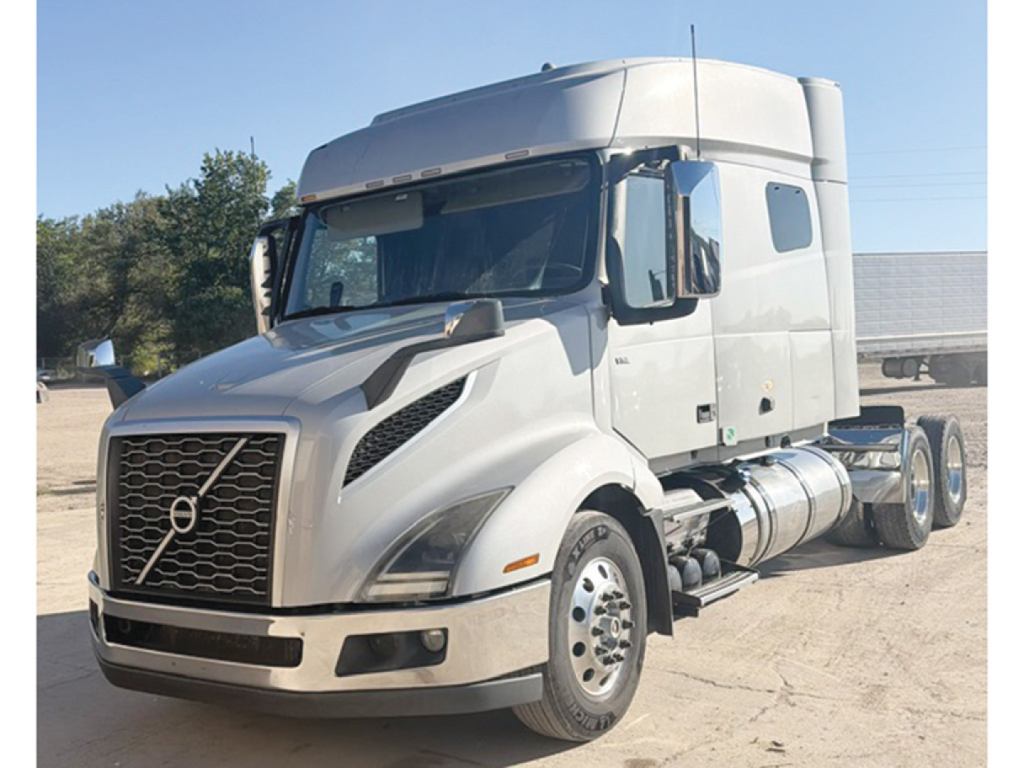
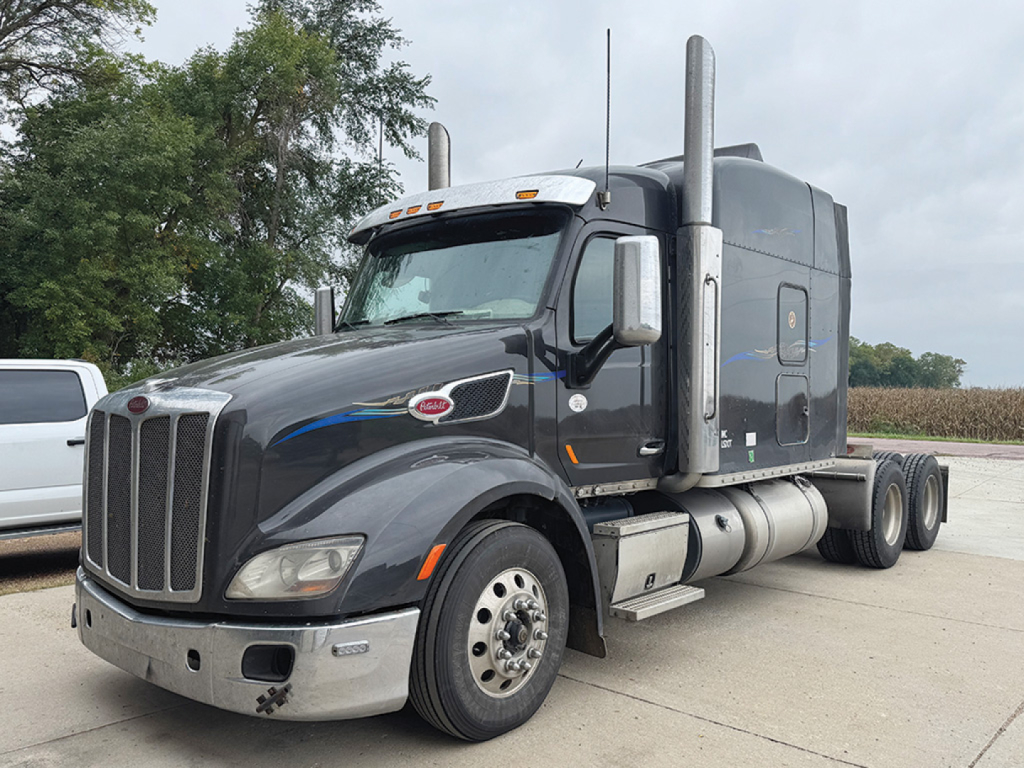

Selling a used 2019 conventional sleeper truck? List your used 2019 conventional sleeper truck for sale and reach thousands of commercial buyers.
Used 2019 Conventional Sleeper Trucks in Nebraska
The biggest buying decisions usually come down to powertrain and sleeper configuration. In this class, buyers will commonly see 72-inch to 76-inch sleepers, often with stand-up room, upper bunks, bunk heaters, refrigerators, and sometimes an APU. Engines typically fall in the 450 to 500 horsepower range, with popular platforms including the Cummins X15, Detroit DD13, Detroit DD15, and PACCAR MX-13. Automated manual transmissions are common in 2019 highway specs, though some trucks still carry a manual gearbox. Rear axle ratings are often 40,000 pounds, and axle ratios such as 2.79, 3.08, 3.25, or 3.36 can tell you a lot about whether the truck was set up for fuel-efficient van freight, heavier pulling, or a mixed-duty application.
Nebraska buyers often look closely at highway gearing, wheelbase, and fuel capacity because these trucks spend time on long interstate lanes, open plains, and year-round weather swings. Wheelbases in this segment often run roughly 229 to 240 inches, which affects trailer swing clearance, ride quality, and weight distribution. Dual aluminum fuel tanks, air ride suspension, engine brakes, sliding fifth wheels, and disc brakes are all common features worth comparing across listings. If the truck will stay in over-the-road service, aero package details such as side fairings, cab extenders, quarter fenders, and tire choice can make a measurable difference in operating cost.
Condition matters more than badge alone on a used 2019 sleeper. Buyers should review engine hours versus odometer miles, maintenance history, emissions system service, clutch or transmission calibration records, APU runtime, and tire wear pattern. It is also smart to verify sleeper amenities, fifth wheel type, suspension spec, and whether the truck has collision mitigation, navigation, or driver-assist electronics that match the intended operation. A well-spec'd 2019 conventional sleeper truck can still be a productive revenue unit for dry van, reefer, dedicated contract freight, and many regional or coast-to-coast applications.
Frequently Asked Questions about Used 2019 Conventional Sleeper Trucks in Nebraska
What is a conventional sleeper truck?
A conventional sleeper truck is a highway tractor with a standard hooded cab and a built-in sleeper compartment mounted behind the driver and passenger seats. It is designed for over-the-road work where the driver may stay with the truck for overnight or multi-day trips. In the used 2019 market, this usually means an aerodynamic Class 8 tractor with a raised-roof or high-roof sleeper and a spec focused on fuel economy, driver comfort, and interstate freight.
What engine and transmission specs are common in used 2019 conventional sleeper trucks?
Many used 2019 conventional sleepers are equipped with 13-liter to 15-liter diesel engines in the 450 to 500 horsepower range. Common engine families include the Cummins X15, Detroit DD13, Detroit DD15, and PACCAR MX-13. Automated manual transmissions are very common because fleets spec'd them heavily for fuel economy and driver standardization, but some 2019 trucks still have manual transmissions. Rear axle ratios and horsepower should be matched to the freight and terrain, not just chosen by brand preference.
What sleeper size should I look for in a 2019 highway tractor?
A 72-inch to 76-inch sleeper is common in this category and works well for most long-haul applications. A larger sleeper generally improves driver comfort and retention by allowing more standing room and space for features like an upper bunk, refrigerator, storage cabinets, bunk heater, or APU. Buyers running regional routes may accept a simpler sleeper, while teams or extended over-the-road operations usually benefit from a larger, better-equipped cab.
How important is axle ratio on a used 2019 conventional sleeper?
Axle ratio is one of the most important spec details because it affects cruise RPM, gradeability, fuel economy, and startability. A numerically lower ratio such as 2.79 is often chosen for fuel-efficient highway operation with lighter or moderate freight. Ratios like 3.08, 3.25, or 3.36 can offer better pulling performance depending on transmission gearing, tire size, and load profile. The right ratio depends on gross weight, route terrain, and target road speed.
What should I inspect before buying a used 2019 conventional sleeper truck in Nebraska?
Focus on maintenance records, fault code history, emissions system repairs, engine hours, and any evidence of chronic downtime. Inspect the sleeper equipment, APU if fitted, bunk HVAC, wheelbase and fifth wheel setup, brake type, suspension condition, and tire wear across all positions. In Nebraska service, it is also wise to look for signs of corrosion, winter exposure, and wind-related body wear on fairings and cab extenders. A complete review of service history and a proper ECM read can tell more than appearance alone.