
Used 2026 Conventional Sleeper Trucks For Sale in Nebraska
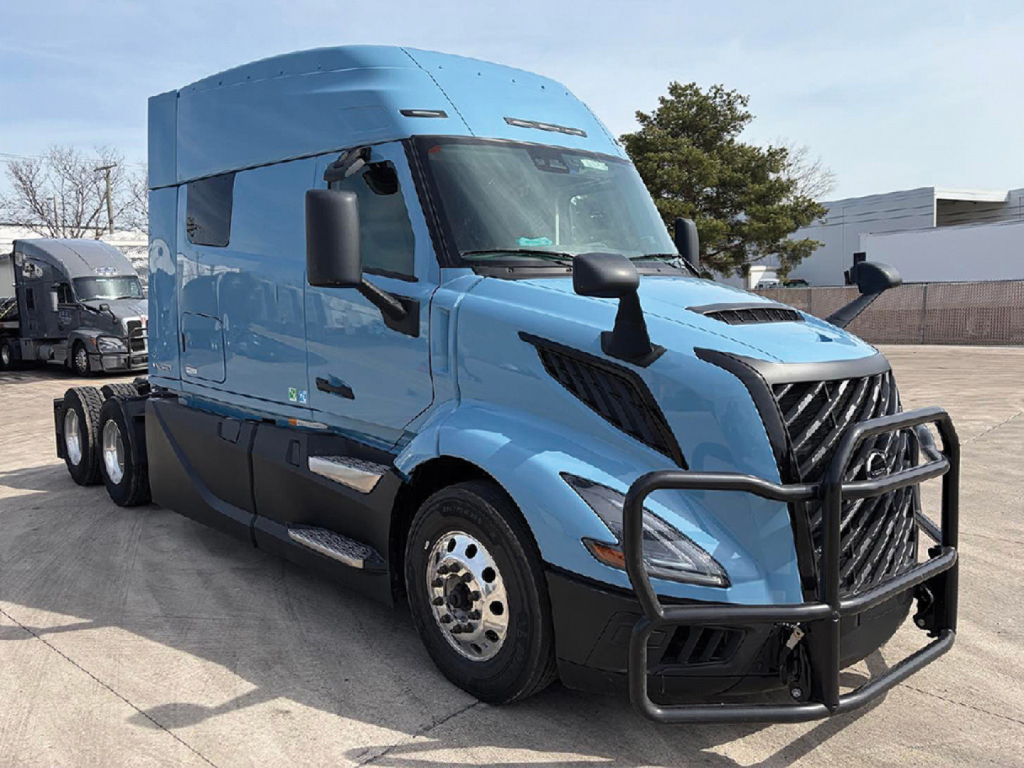
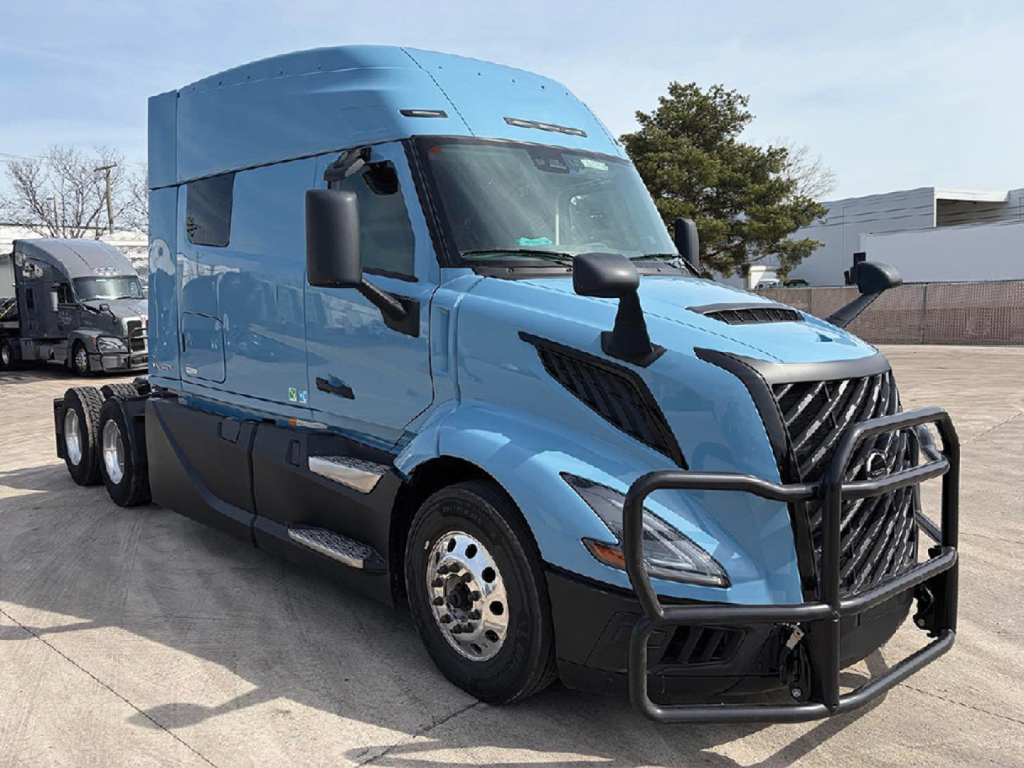

Have used 2026 conventional sleeper truck to sell? List it here to reach thousands of buyers.
Used 2026 Conventional Sleeper Trucks in Nebraska
For most buyers, the key decisions start with sleeper size, powertrain, and axle ratio. Raised-roof and high-roof sleepers in the 72-inch to 76-inch range are common, often with upper bunks, refrigerators, bunk heaters, and room for an APU. Engines in this category typically fall in the 400 to 500 horsepower range, with popular platforms including the Detroit DD13 and DD15, Cummins X15, PACCAR MX-13, and International A26. Automated manual transmissions are now standard across much of the market, though some buyers still prefer a manual for specialized lanes or driver preference. Rear axle ratings around 40,000 pounds, ratios such as 2.79, 3.08, 3.20, 3.25, or 3.36, and wheelbases in the mid-220-inch to upper-230-inch range are all normal depending on trailer type, payload, and fuel economy targets.
A strong conventional sleeper spec balances aerodynamics with everyday usability. Side fairings, cab extenders, quarter fenders, low-profile 22.5 rubber, and sliding fifth wheels are typical on fleet-oriented highway tractors. Disc brakes are increasingly attractive to buyers focused on stopping performance and maintenance consistency. Dual aluminum fuel tanks remain a major consideration for route planning, especially on long western and Midwest runs. Buyers should also look closely at suspension type, tire setup, and interior features that affect uptime and driver retention, including inverter prep, storage layout, HVAC performance, and sleeper insulation for hot summers and cold Plains winters.
When comparing used 2026 conventional sleeper trucks, pay close attention to mileage, idle hours, warranty transferability, emissions history, service records, and any recent major component work. A truck with the right sleeper configuration but the wrong axle ratio or wheelbase can be a poor match for your lane. It also helps to confirm fifth wheel travel, frame layout, fairing condition, and tire wear pattern, since those details say a lot about prior trailer pairing and maintenance discipline. For buyers shopping Nebraska conventional sleeper trucks, the best value usually comes from matching the truck’s cab, engine, gearing, and sleeper amenities to the exact freight cycle it will run.
Frequently Asked Questions about Used 2026 Conventional Sleeper Trucks in Nebraska
What is a conventional sleeper truck?
A conventional sleeper truck is a highway tractor with a forward hood and an integrated sleeping compartment mounted behind the cab. It is designed for regional and long-haul operation where drivers need off-duty space, more storage, and greater fuel capacity than a day cab typically provides. In the used market, this category usually includes aerodynamic Class 8 tractors with raised-roof or high-roof sleeper configurations.
What sleeper size is most common on a used conventional sleeper truck?
The most common sleeper sizes are usually in the 72-inch to 76-inch range, especially on late-model aerodynamic tractors. That size gives enough room for a bunk, storage cabinets, and often options like an upper bunk, refrigerator, bunk heater, or APU. Buyers should choose sleeper size based on haul length, team versus solo operation, and the level of driver comfort needed to support retention.
What engine and transmission specs are typical in this category?
Most conventional sleeper trucks are spec'd with diesel engines in roughly the 400 to 500 horsepower range and paired with either an automated manual transmission or a traditional manual. Common engines include the Detroit DD13 or DD15, Cummins X15, PACCAR MX-13, and International A26. The right setup depends on average gross weight, terrain, cruise speed expectations, and whether the truck will prioritize fuel economy or stronger pulling performance.
How important are axle ratio and wheelbase on a sleeper tractor?
Axle ratio and wheelbase have a direct effect on fuel economy, drivability, trailer compatibility, and payload application. A faster ratio such as 2.79 or 3.08 generally supports lower cruise RPM and better highway efficiency, while a deeper ratio may be better for heavier freight or more demanding terrain. Wheelbase affects turning radius, ride quality, and the ability to balance sleeper size, fuel capacity, and fifth wheel placement.
What should I inspect first on a used 2026 conventional sleeper truck?
Start with service history, engine and aftertreatment records, mileage and idle hours, brake and tire condition, and any remaining factory or extended warranty coverage. After that, inspect the sleeper systems, HVAC performance, bunk equipment, fifth wheel function, frame condition, and signs of uneven tire wear or fairing damage. Those areas reveal how the truck was maintained and whether its current spec truly matches the work you need it to do.