
Used 2020 Conventional Sleeper Trucks For Sale in Nebraska
Browse used 2020 conventional sleeper trucks in Nebraska. Compare aero sleeper specs, powertrains, wheelbases, and long-haul features.
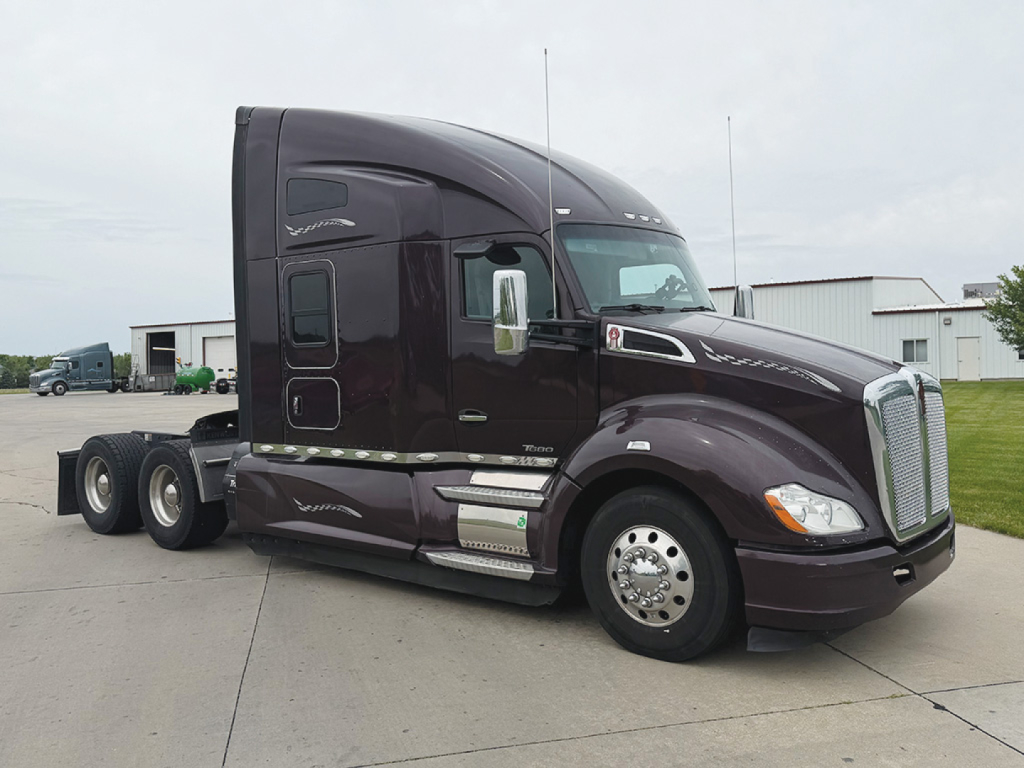
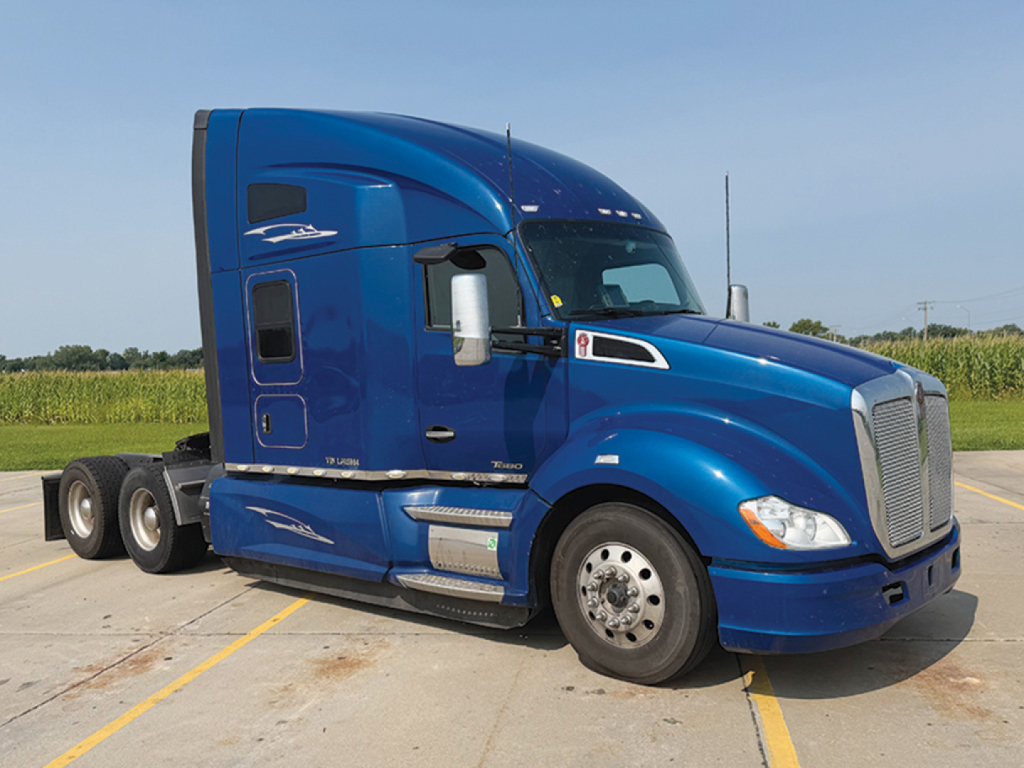
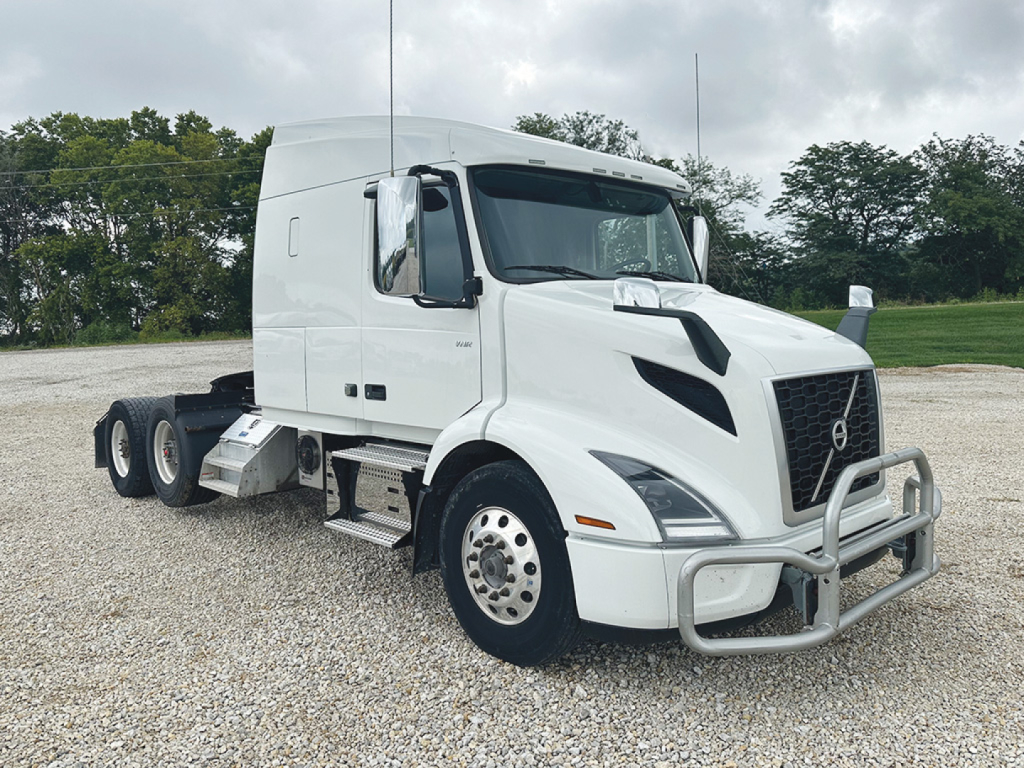
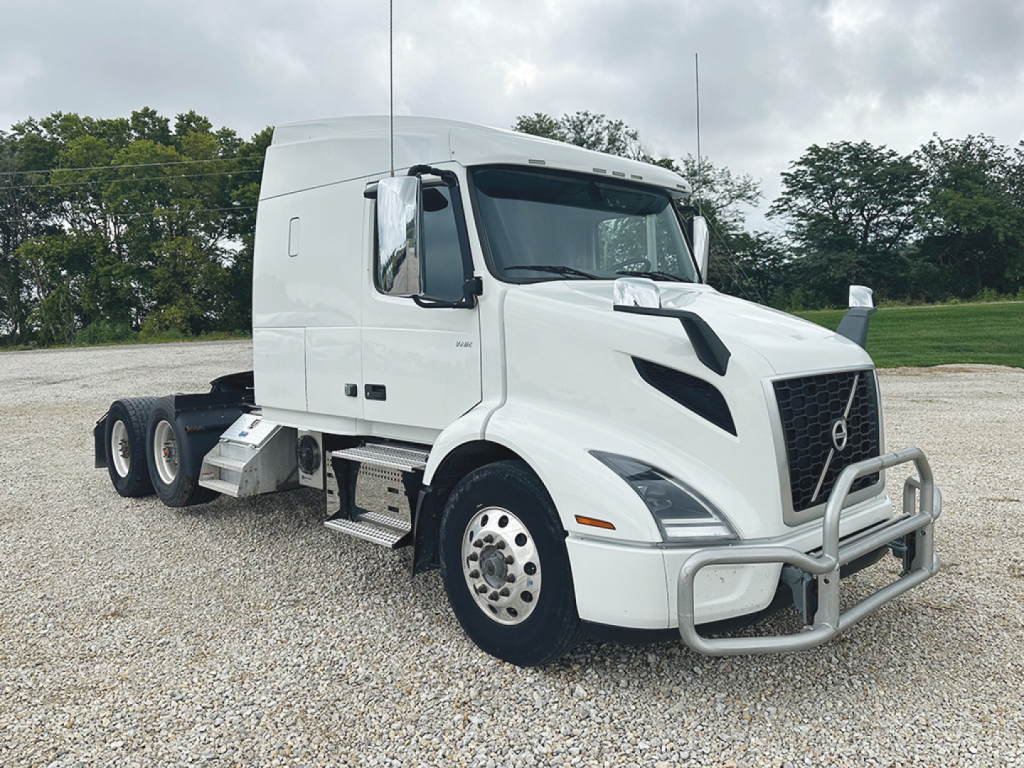
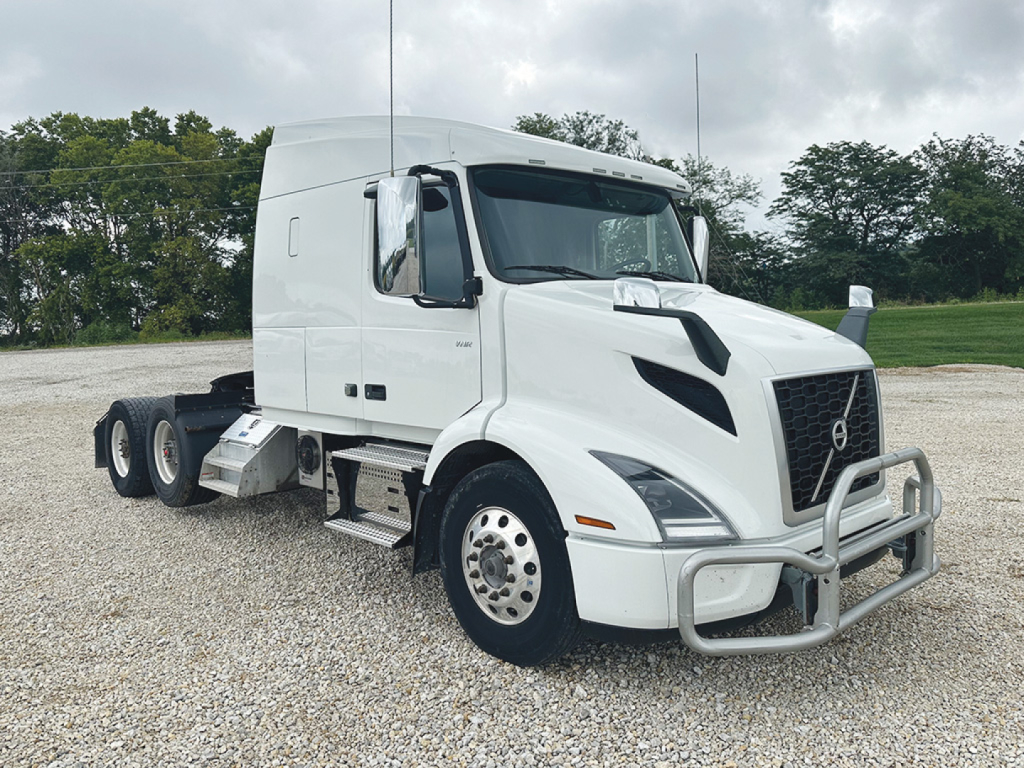
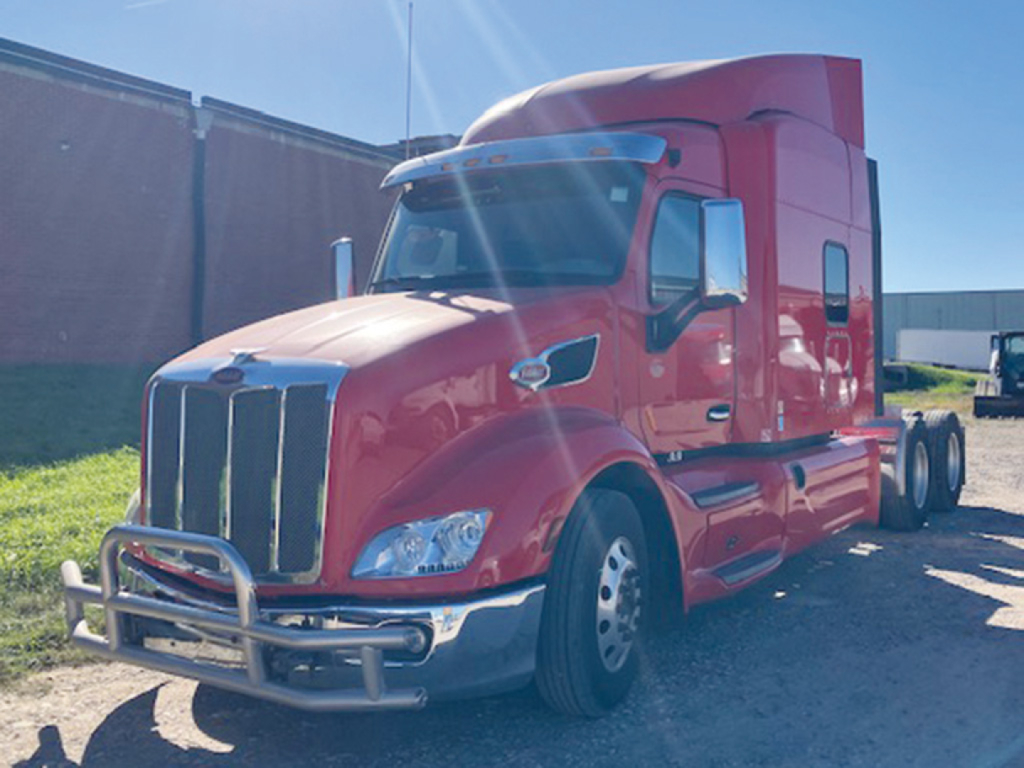
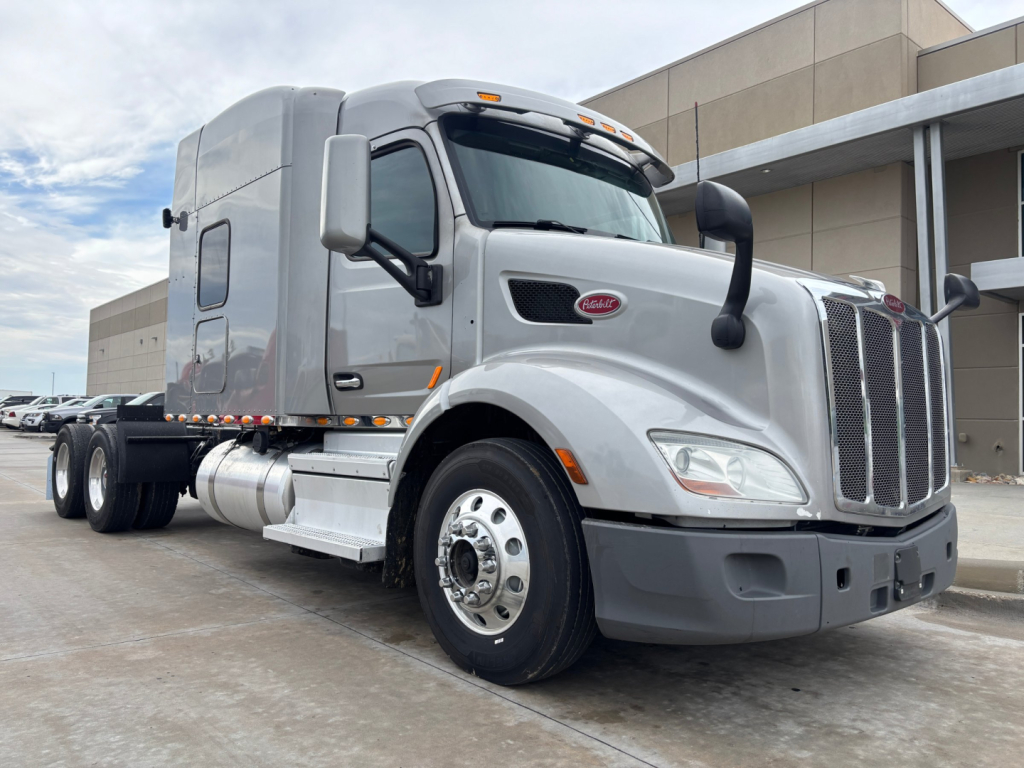

Selling a used 2020 conventional sleeper truck? List your used 2020 conventional sleeper truck for sale and reach thousands of commercial buyers.
Used 2020 Conventional Sleeper Trucks in Nebraska
Most 2020 conventional sleepers on the market are spec'd with 12.8L to 15L diesel engines in the 400 to 455 horsepower range, paired with automated manual transmissions such as Detroit DT12, Volvo I-Shift, or similar platforms. Common rear axle ratings are around 40,000 pounds, with ratios like 2.47, 2.64, or 2.85 showing up often on fuel-conscious fleet trucks. Lower numerical ratios generally favor highway speed and mpg, while gearing choice should still match your average gross weight and terrain. Wheelbases in the 225-inch to 235-inch range are common for sleeper tractors in this category, and that can influence trailer gap, ride quality, turning radius, and usable frame space for APUs or other accessories.
For Nebraska buyers, aero conventional sleepers make sense for long interstate runs, agricultural freight, refrigerated lanes, and cross-country dry van work. Wind exposure, winter starts, and long distances between stops make practical sleeper features more important than they look on paper. Raised-roof sleepers, upper bunks, bunk heaters, refrigerators, dual fuel tanks, and air slide 5th wheels all add day-to-day value in real service. Fairings, cab extenders, and quarter fenders help with fuel efficiency and road spray control, while disc brakes, low-profile 22.5 tires, and aluminum wheels are often part of later-model fleet specs aimed at reducing downtime and improving serviceability.
A smart evaluation goes beyond engine brand and mileage. Check idle hours, aftertreatment history, transmission calibration records, suspension wear, and signs of fairing or bumper damage that may point to repeated trailer contact or route abuse. Sleeper condition matters too, especially on trucks that ran team service. Look at bunk HVAC performance, seals, cabinets, inverter or APU setup, and the condition of the mattress platform and interior trim. On a used 2020 conventional sleeper truck, the best value is usually a well-documented spec that matches your freight and operating radius, not simply the highest horsepower or the largest bunk.
Frequently Asked Questions about Used 2020 Conventional Sleeper Trucks in Nebraska
What is the typical spec range for a used 2020 conventional sleeper truck?
A used 2020 conventional sleeper truck typically falls into a highway fleet spec with 400 to 455 horsepower, a 12-speed or similar automated manual transmission, 40,000-pound rear axles, air ride suspension, and a raised-roof or mid-roof sleeper. Many are built with aerodynamic packages, dual fuel tanks, low-profile 22.5 tires, and wheelbases around 225 to 235 inches. Exact configuration should be matched to trailer type, gross weight, and terrain rather than judged by model year alone.
Is a 72-inch sleeper better than a smaller sleeper on a 2020 highway tractor?
A 72-inch sleeper is usually the better fit for long-haul and team applications because it provides more storage, more living space, and often room for an upper bunk, refrigerator, or additional climate-control equipment. A smaller sleeper can still be the right choice for regional operations where weight, wheelbase, or lower acquisition cost matters more than interior room. The right decision depends on trip length, home-time schedule, and whether the truck will run solo or team.
What rear axle ratio works best on a used 2020 conventional sleeper?
Common ratios such as 2.47, 2.64, and 2.85 each suit a different operating profile. A 2.47 ratio generally favors fuel-efficient highway cruising on flatter lanes and moderate gross weights. A 2.64 ratio is a balanced choice for mixed terrain and general van or reefer work. A 2.85 ratio can help when the truck regularly pulls heavier loads or sees more grades. The best ratio is the one matched to tire size, transmission gearing, cruise speed, and average payload.
What should I inspect closely on a used 2020 sleeper tractor before buying?
Pay close attention to maintenance records, engine hours, aftertreatment service history, transmission software updates, and any fault-code history. Inspect the sleeper for HVAC performance, bunk heater operation, water leaks, interior wear, and electrical add-ons such as APUs or inverters. Outside the cab, check fairings, cab extenders, hood alignment, fifth wheel wear, brake type and condition, suspension bushings, and tire wear patterns. On a 2020 truck, documented service history often tells more than appearance.
Are used 2020 conventional sleeper trucks a good fit for Nebraska operations?
Yes, they are a strong fit for Nebraska freight because the category is designed for interstate mileage, variable weather, and long stretches between terminals or customer stops. Conventional sleepers handle dry van, reefer, and general freight lanes well, and common aero specs help control fuel costs on open highway routes. Buyers operating in Nebraska should pay particular attention to cold-weather starting systems, bunk heat, tire condition, and gearing that matches both plains driving and occasional heavier regional work.