
Used 2020 Peterbilt Conventional Sleeper Trucks For Sale in Nebraska
Shop used 2020 Peterbilt conventional sleeper trucks in Nebraska. Compare 579 and 389 specs, sleeper sizes, engines, wheelbases, and drivetrain setups.
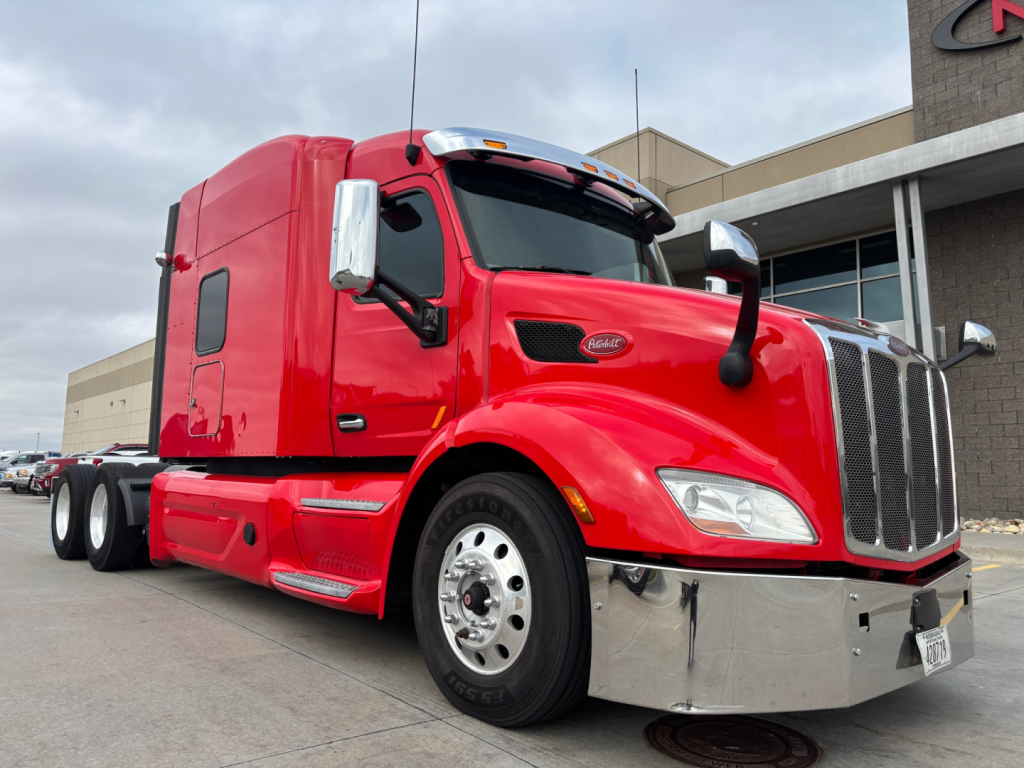
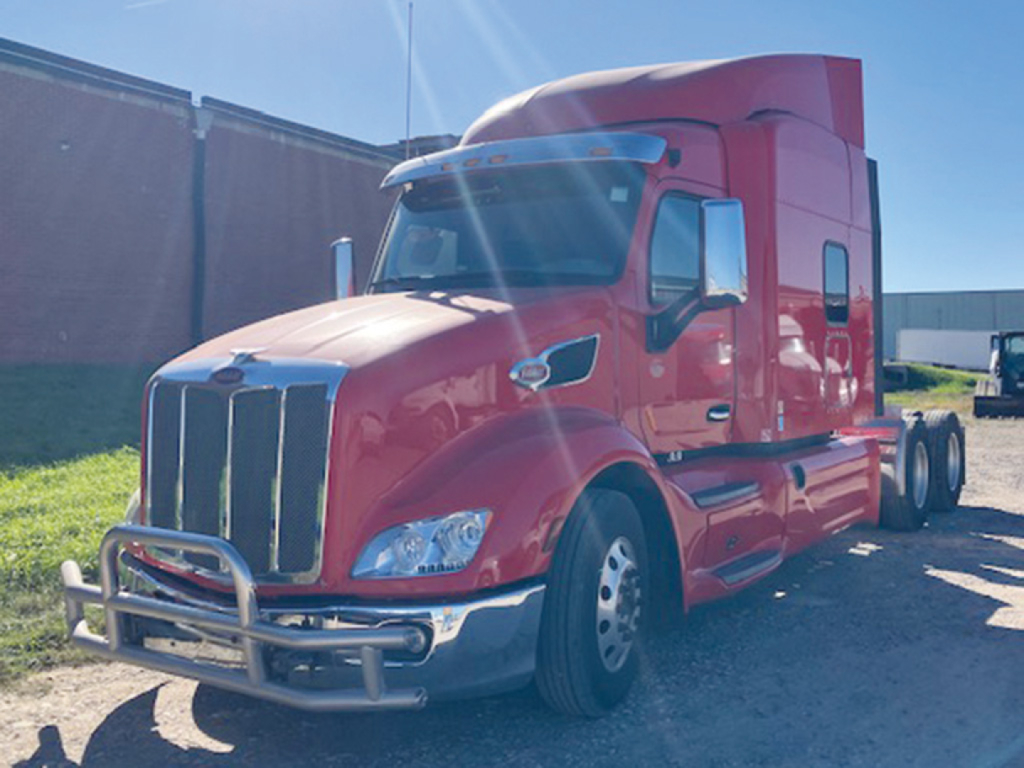
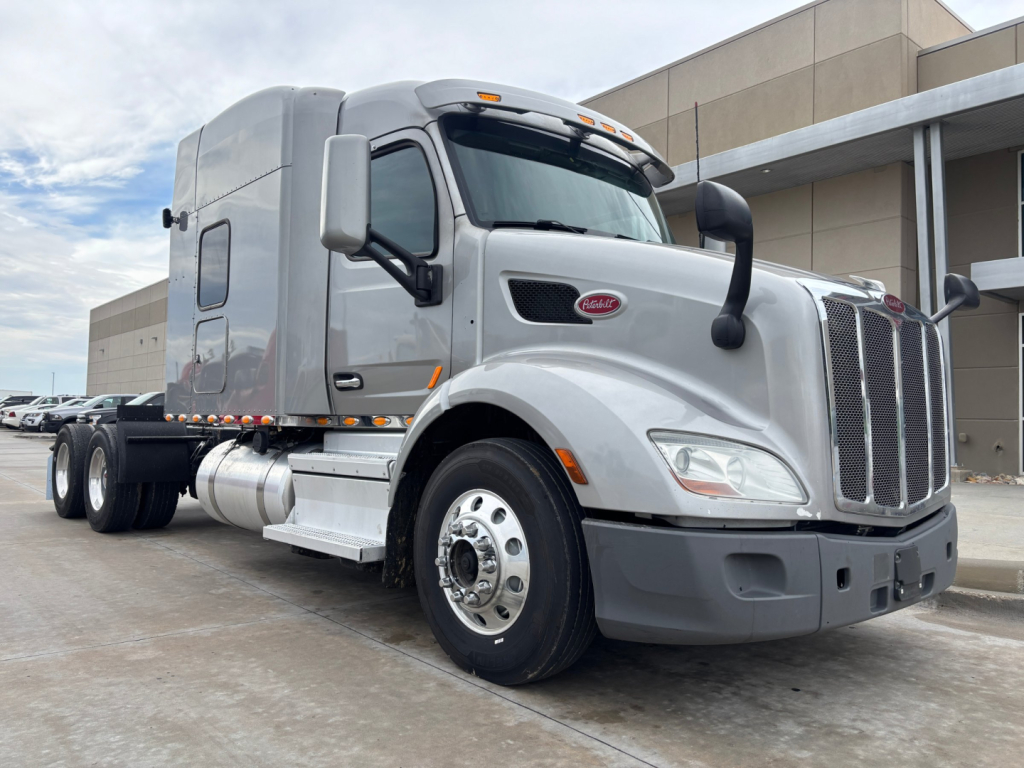
Selling a used 2020 peterbilt conventional sleeper truck? List your used 2020 peterbilt conventional sleeper truck for sale and reach thousands of commercial buyers.
Used 2020 Peterbilt Conventional Sleeper Trucks in Nebraska
On 2020 Peterbilt conventional sleepers, the most common engine choices are the Cummins X15 and PACCAR MX-13, usually in the 455 to 565 horsepower range. That spread covers very different applications. A 455 hp MX-13 in a 579 is often aimed at fuel-conscious highway freight, while a 510 to 565 hp X15 or MX-13 in a 389 may be set up for heavier pulls, higher cruise speeds, or a more performance-oriented spec. Many trucks in this class are paired with 13-speed or 18-speed manual transmissions, 3.25 to 3.65 rear axle ratios, and 40,000 lb rear axles on air ride suspension. Those details affect gradeability, rpm at cruise, startability under load, and how well the truck fits flatbed, hopper, livestock, reefer, or general van service.
Sleeper and chassis configuration deserve close attention on any used 2020 Peterbilt sleeper. Wheelbases can vary widely, from fleet-friendly highway specs in the mid-230-inch range to stretched 280-inch-plus trucks intended for appearance, ride quality, or specialized trailer setups. Buyers should confirm fifth wheel type and travel, fuel capacity, exhaust layout, brake spec, tire size, and any weight-saving or maintenance-related options such as aluminum wheels, disc brakes, or super singles. Driver comfort features also matter in resale and retention. High-roof sleepers with APUs, refrigerators, power windows, navigation, bunk heaters, and tilt-telescoping steering are common in well-optioned trucks and can reduce idle time while improving day-to-day usability.
The best used 2020 Peterbilt conventional sleeper is the one whose spec sheet matches the freight. A 579 generally appeals to buyers prioritizing aerodynamics, tighter wheelbase options, and highway efficiency. A 389 usually attracts buyers who want a premium long-hood truck with strong resale appeal, easy access to owner-operator style trim, and specs that often lean heavier or more customized. Service history, emissions maintenance, clutch and transmission condition, suspension wear, and signs of fifth wheel or frame stress should all be reviewed before purchase. On a sleeper truck, the cab and bunk condition matter almost as much as drivetrain health because downtime, driver acceptance, and long-term operating cost are tied directly to both.
Frequently Asked Questions about Used 2020 Peterbilt Conventional Sleeper Trucks in Nebraska
What is the difference between a 2020 Peterbilt 579 sleeper and a 2020 Peterbilt 389 sleeper?
The biggest difference is purpose and layout. The Peterbilt 579 is an aerodynamic conventional sleeper built primarily for fuel-efficient highway operation, while the Peterbilt 389 is a long-hood conventional sleeper that emphasizes classic styling, owner-operator appeal, and heavier custom-style specs. In the used market, 579s are often found with MX-13 or X15 engines in efficiency-oriented configurations, while 389s more commonly show higher horsepower ratings, longer wheelbases, and 13-speed or 18-speed manual transmissions geared toward specialized freight or buyers who want a premium traditional truck.
What engines are common in used 2020 Peterbilt conventional sleeper trucks?
The most common engines are the Cummins X15 and the PACCAR MX-13. In a 2020 sleeper truck, these engines are typically rated from about 455 to 565 horsepower depending on the intended application. The MX-13 is frequently chosen for linehaul fuel economy and lighter drivetrain specs, while the X15 is often selected for stronger pull, broad parts support, and heavy-haul or performance-oriented use. Buyers should verify horsepower, torque rating, engine brake configuration, emissions service records, and any major repairs or reman history before making a decision.
What sleeper size is typical on a 2020 Peterbilt conventional sleeper?
A 2020 Peterbilt conventional sleeper commonly has a 78-inch to 80-inch high-roof Unibilt sleeper. That size gives most over-the-road drivers enough room for stand-up movement, storage, and typical long-haul amenities such as a refrigerator, upper bunk, or bunk heater. Sleeper size matters because it affects driver comfort, resale value, and suitability for solo versus team operation. Buyers should also look at interior condition, HVAC performance, APU installation, and signs of water intrusion or bunk equipment wear.
What specs matter most when buying a used 2020 Peterbilt sleeper in Nebraska?
The most important specs are engine family, transmission, rear axle ratio, wheelbase, rear axle rating, and fifth wheel setup. In Nebraska, many buyers are matching trucks to regional grain, livestock, van, reefer, or flatbed work, so gearing and wheelbase can make a major difference in maneuverability, legal payload, and cruise rpm. Fuel tank capacity, suspension type, brake specification, and tire setup also deserve close review. A truck that looks right but is geared wrong for the route will usually cost more to run over time.
Are manual transmissions common in used 2020 Peterbilt conventional sleepers?
Yes. Manual transmissions, especially 13-speed and 18-speed Eaton Fuller setups, are still common in this class, particularly on Peterbilt 389s and on sleepers spec'd for heavier or more specialized work. Buyers who prefer full driver control, off-pavement versatility, or heavy-load flexibility often seek these transmissions out. The tradeoff is that driver availability can be narrower, and clutch condition becomes a more important inspection item. Transmission model, shift quality, clutch brake performance, and maintenance records should all be checked carefully on a used unit.