
Used 2020 Peterbilt Conventional Sleeper Trucks For Sale
Shop used 2020 Peterbilt conventional sleeper trucks, including highway-focused models with sleeper options, aero cabs, and long-haul specs.
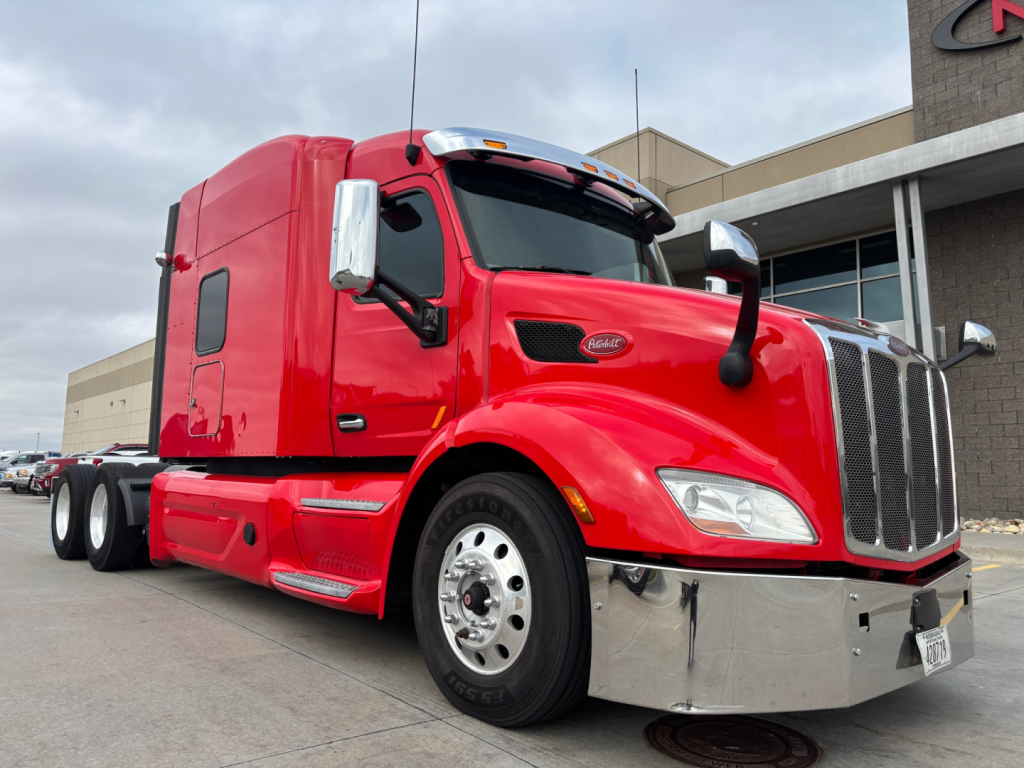
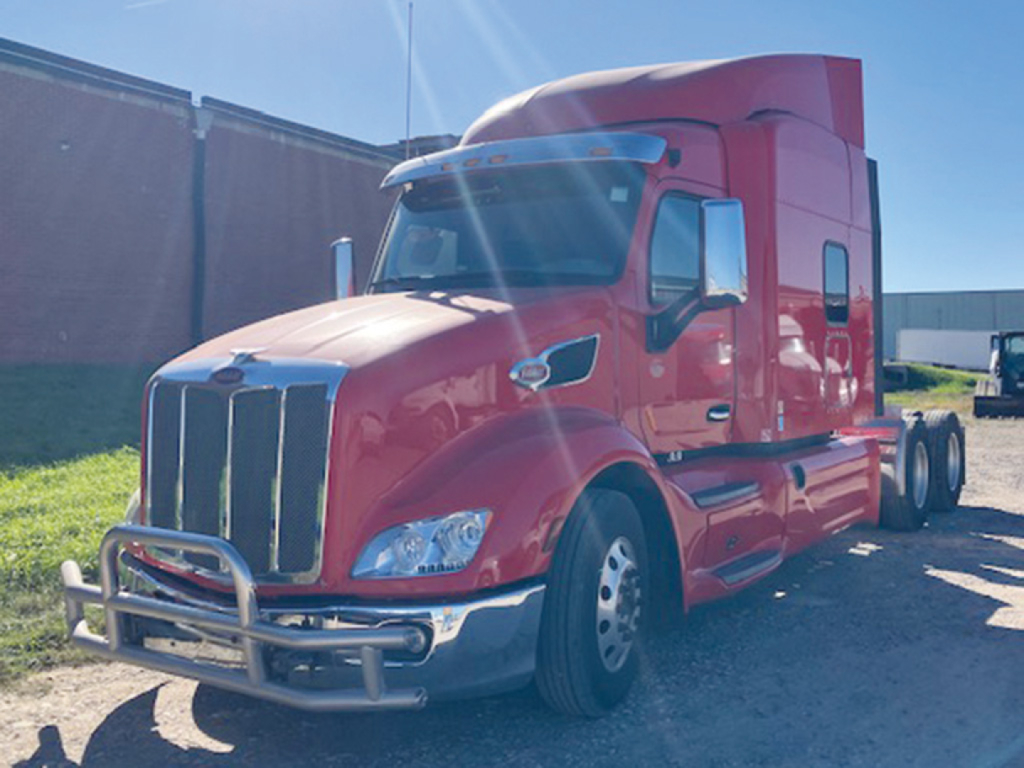
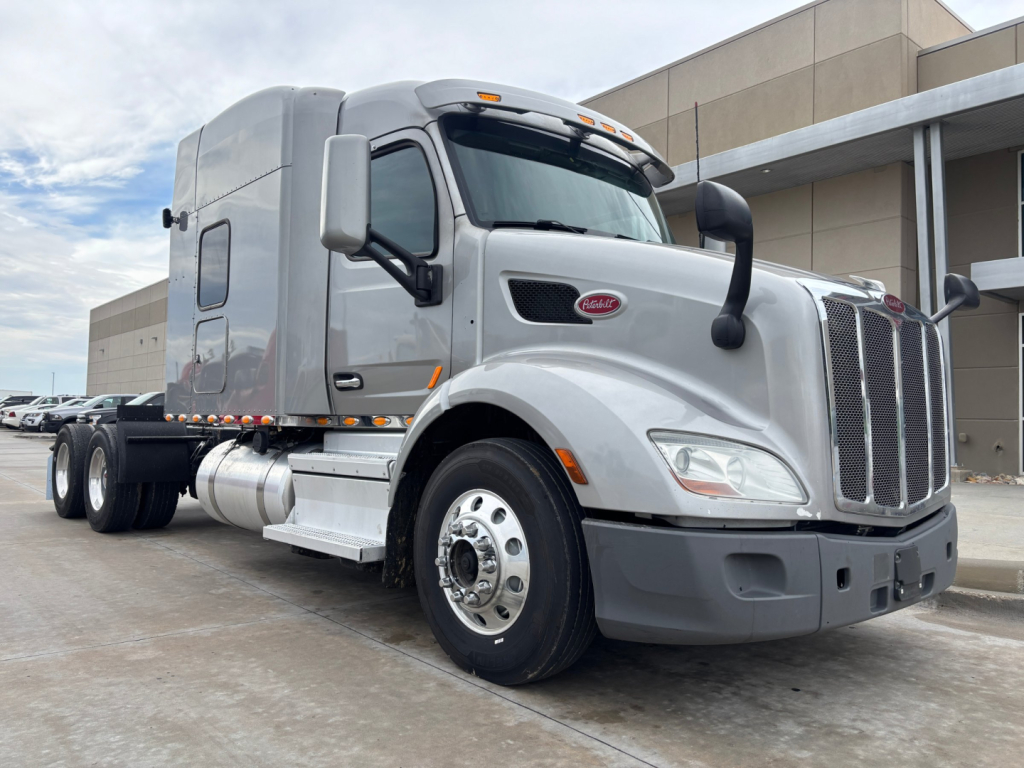
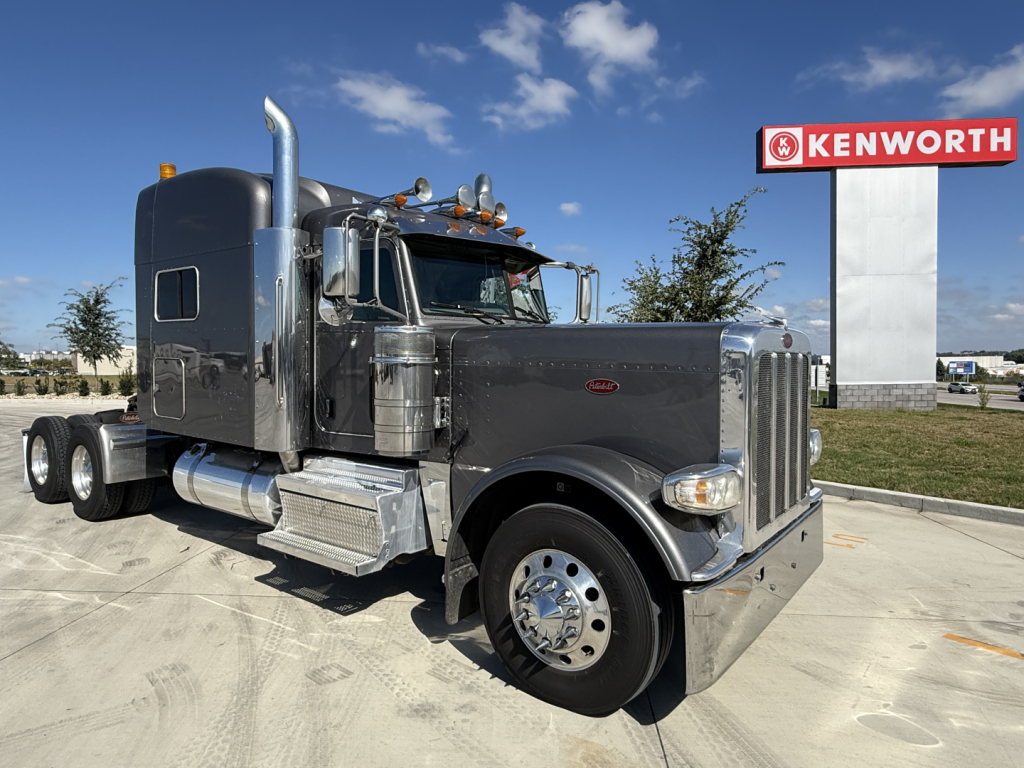
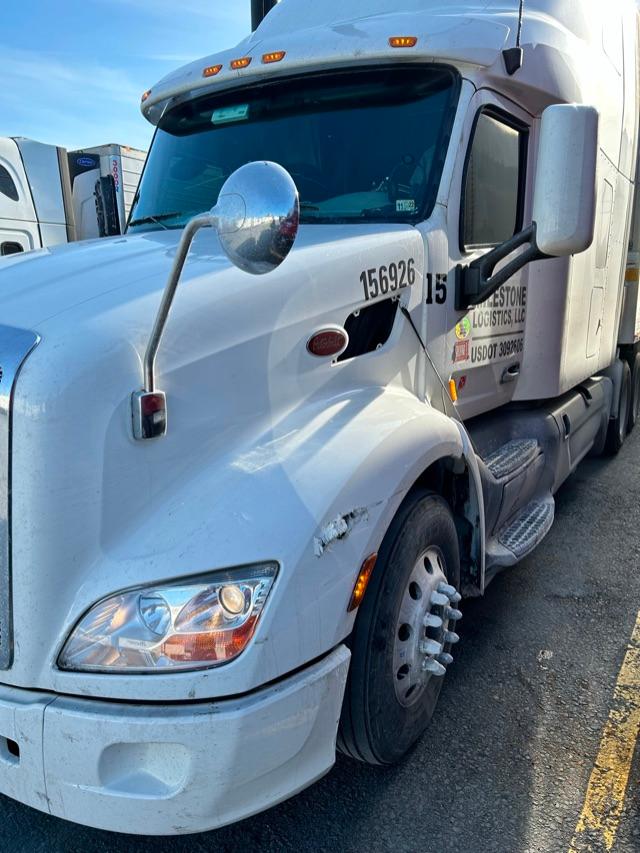

Selling a used 2020 peterbilt conventional sleeper truck? List your used 2020 peterbilt conventional sleeper truck for sale and reach thousands of commercial buyers.
Used 2020 Peterbilt Conventional Sleeper Trucks
The biggest buying decision usually starts with the powertrain. Many 2020 Peterbilt sleepers are spec'd with the PACCAR MX-13, often in the 455 to 510 horsepower range, paired with an automated manual transmission such as the PACCAR TX-12 or an Eaton automated unit. Some trucks may be equipped with a Cummins X15, especially in heavier-haul or customer-preference applications. Rear axle ratios, often in the low 2s to mid 3s, matter just as much as horsepower because they affect cruise RPM, gradeability, and fuel economy. Buyers should also look closely at GCWR, suspension spec, wheelbase, and fifth-wheel setup, especially if the truck will be pulling different trailer lengths or operating in tight terminals where a shorter wheelbase and proper kingpin-to-rear-axle relationship matter.
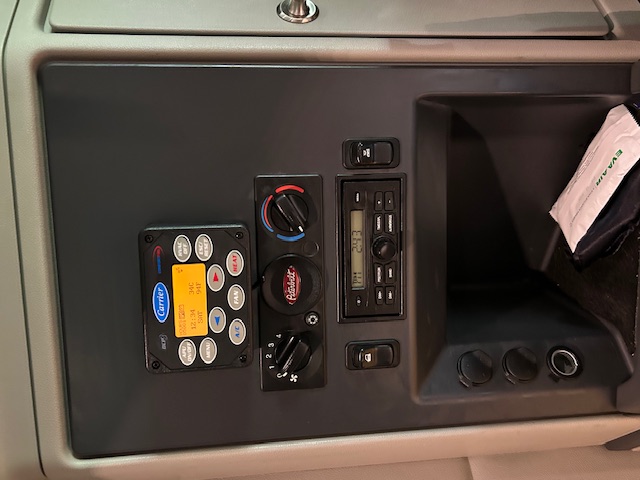
Sleeper configuration is another practical separator. In Peterbilt conventionals, common sleeper sizes range from mid-roof sleepers for regional lanes to larger high-roof sleepers with double bunks, more cabinet space, inverter prep, and idle-management systems for team or extended-haul service. Interior condition matters more than many buyers expect because wear in bunks, cabinets, dash switches, HVAC controls, and driver seats often tells the real story of how the truck was used. On a used 2020 unit, it also pays to review emissions system history, aftertreatment service records, software updates, and any downtime tied to DPF, DEF, SCR, or sensor issues. A clean maintenance file can be worth more than a flashy cosmetic spec.
For buyers comparing multiple listings, focus on total operating fit rather than badge value alone. Check engine hours against miles, verify tire and brake life, inspect the frame and crossmembers for corrosion or repairs, and confirm whether the truck has useful linehaul options like collision mitigation, adaptive cruise, lane departure warning, tire pressure monitoring, full fairings, and an APU or bunk heater. Peterbilt sleeper trucks from 2020 are often chosen for driver appeal, resale strength, and a balance of comfort and efficiency, but the right one is still the truck with the correct sleeper size, axle ratio, maintenance history, and drivetrain spec for the lanes it will actually run.
Frequently Asked Questions about Used 2020 Peterbilt Conventional Sleeper Trucks
What engine is most common in a used 2020 Peterbilt conventional sleeper truck?
The PACCAR MX-13 is the engine most commonly found in 2020 Peterbilt conventional sleeper trucks, especially in the 579. It was widely spec'd for over-the-road freight because it offered competitive fuel economy, strong torque, and good integration with Peterbilt electronics and automated transmissions. Some 2020 trucks may also have a Cummins X15, which is often preferred by buyers who prioritize broader service familiarity, heavier-haul applications, or specific fleet maintenance standards.
Is a 2020 Peterbilt 579 a good choice for long-haul trucking?
A 2020 Peterbilt 579 is generally a strong long-haul platform because it was designed as an aerodynamic conventional sleeper with a focus on fuel efficiency, ride quality, and driver comfort. Typical specs include a raised-roof sleeper, air ride suspension, integrated fairings, and an automated transmission that helps maintain fuel-efficient cruise operation. The real value depends on the exact sleeper size, axle ratio, mileage, maintenance history, and whether the truck has comfort and safety options that match the intended route length and driver expectations.
What should I inspect first on a used 2020 Peterbilt sleeper?
Start with maintenance records, engine hours, and aftertreatment history because those items usually reveal more than exterior appearance. Then inspect the DPF and SCR service record, check for fault codes, review clutch and transmission operation if equipped with an automated manual, and look at suspension wear, tire condition, brake life, and fifth-wheel wear. Inside the cab, test HVAC performance, bunk equipment, sleeper controls, dash electronics, and any idle-management system because these are expensive and important on a highway sleeper.
What sleeper size is best for a 2020 Peterbilt conventional?
The best sleeper size depends on the freight cycle and time away from home. Smaller sleepers work well for regional operations with occasional overnight runs because they reduce weight and can help maneuverability. Larger high-roof sleepers are better for long-haul or team applications where storage, bunk comfort, stand-up room, and hotel load capacity matter. Buyers should match the sleeper to the work instead of assuming a bigger sleeper always adds value.
Are used 2020 Peterbilt conventional sleeper trucks expensive to maintain?
Maintenance costs on a used 2020 Peterbilt sleeper depend more on prior care and drivetrain spec than on the model year alone. A well-maintained truck with documented fluid intervals, aftertreatment service, and updated software can be a predictable ownership unit. Costs rise when emissions components have been neglected, suspension wear has been deferred, or electrical issues were not properly diagnosed. Buyers who confirm service history and inspect the truck with a heavy-duty technician usually get a clearer picture of true operating cost.