
Used International Conventional Sleeper Trucks For Sale in Nebraska
Shop used International conventional sleeper trucks in Nebraska, including LT and LoneStar models with Cummins power and long-haul specs.
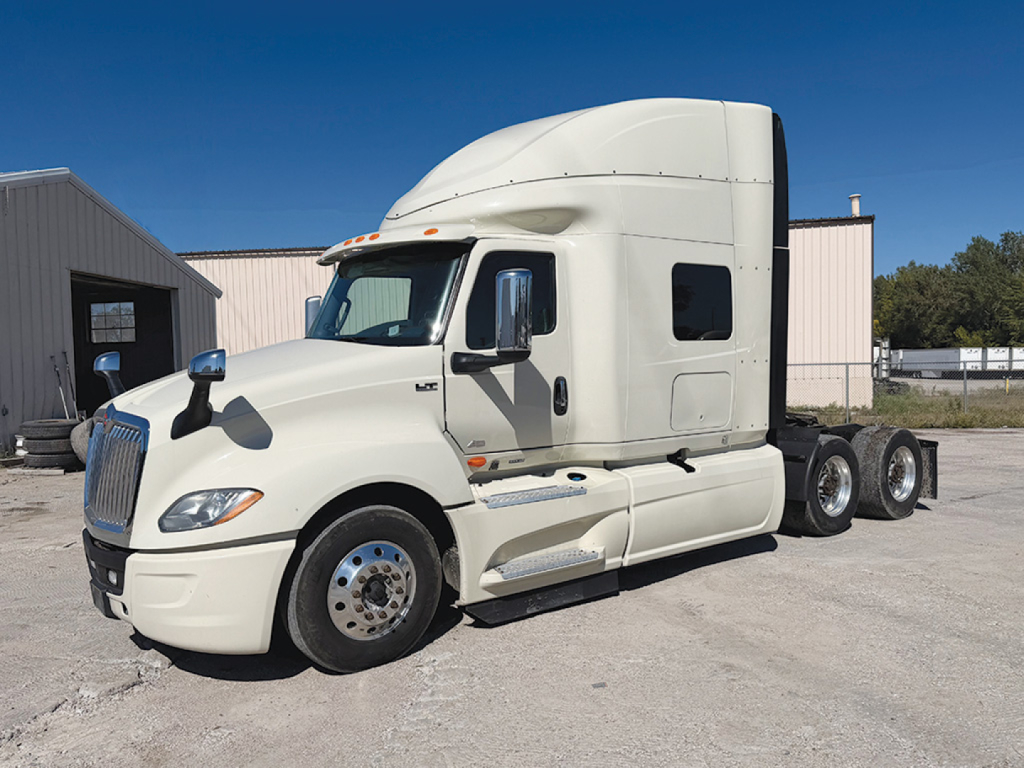
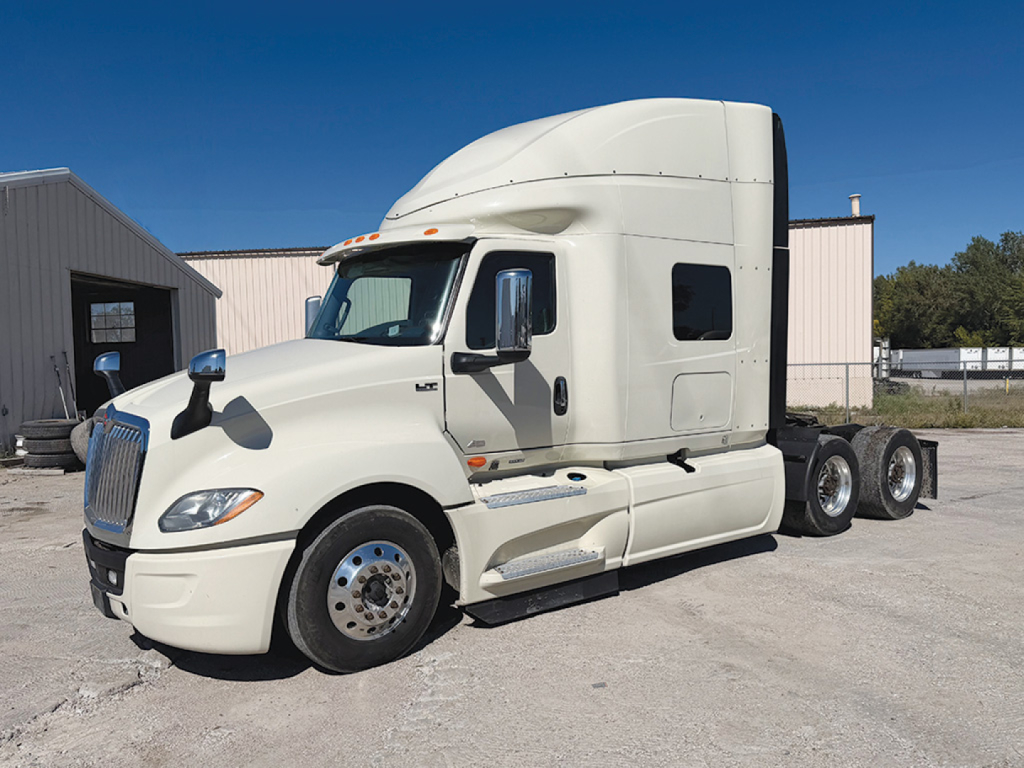
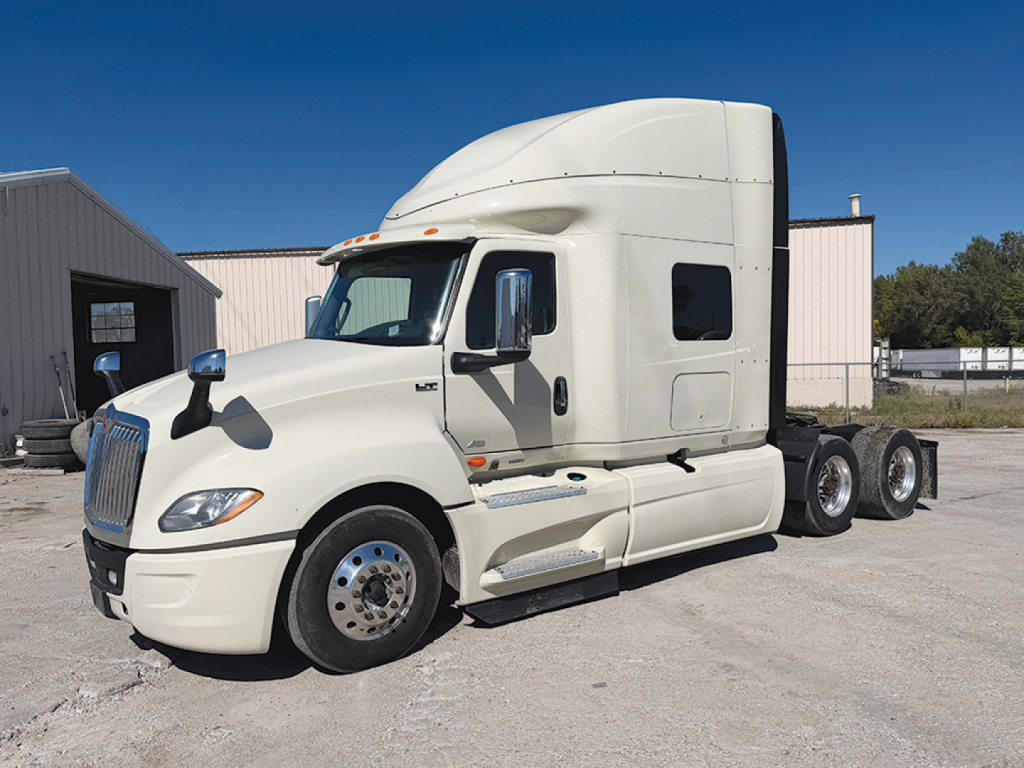
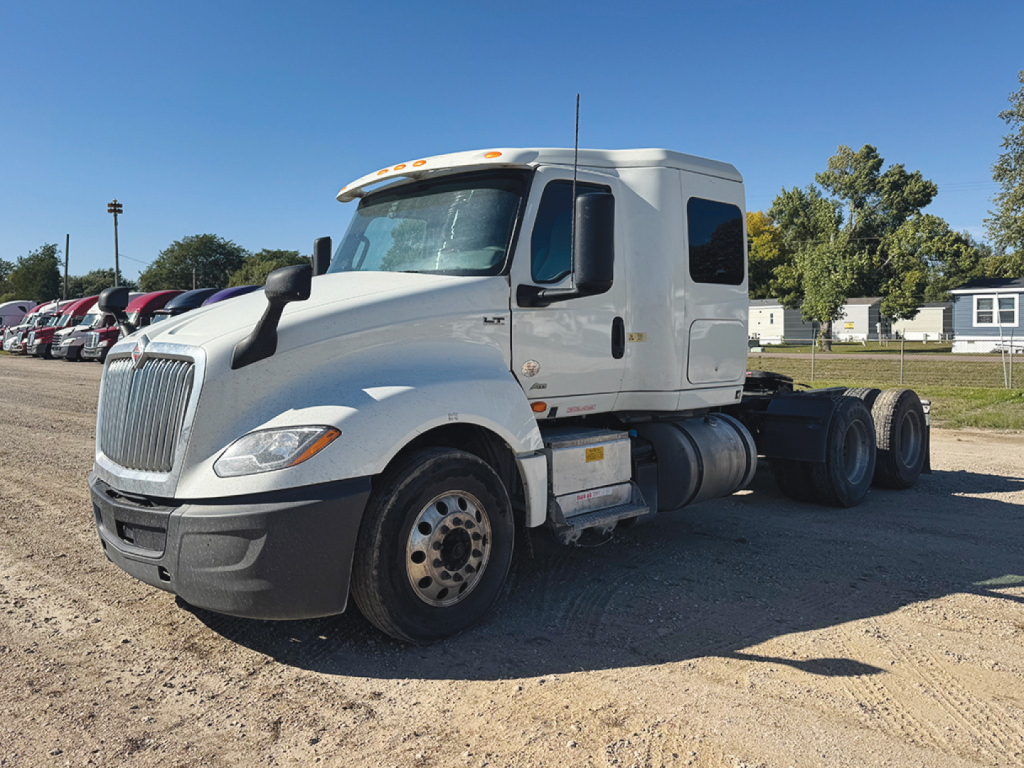
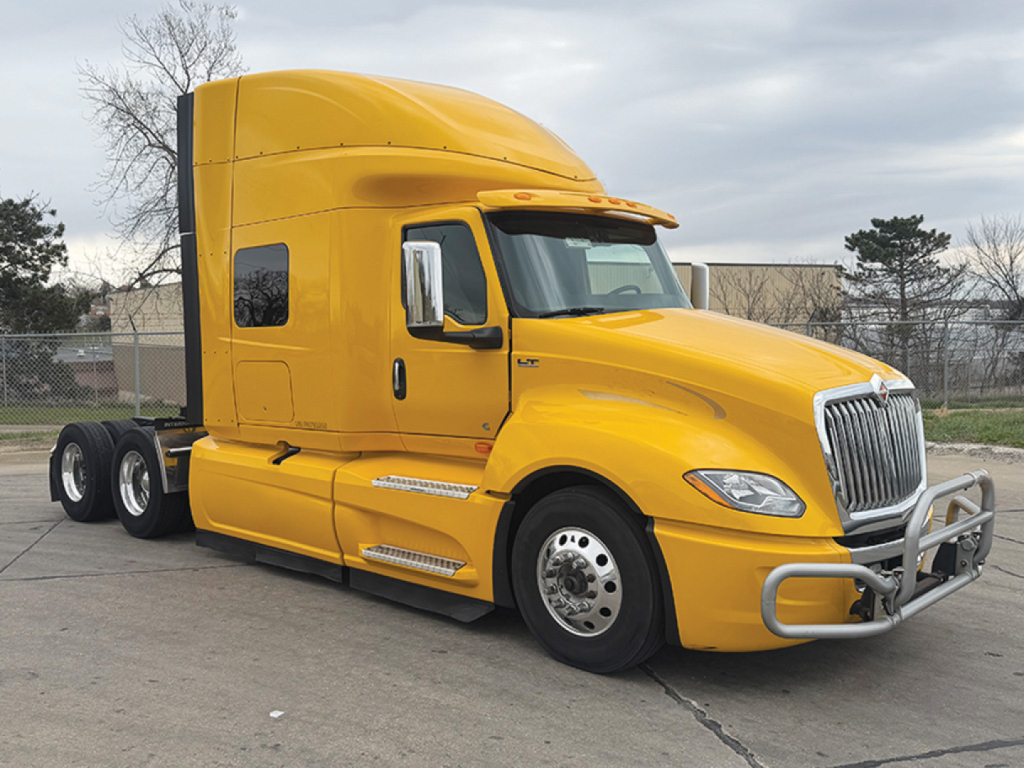
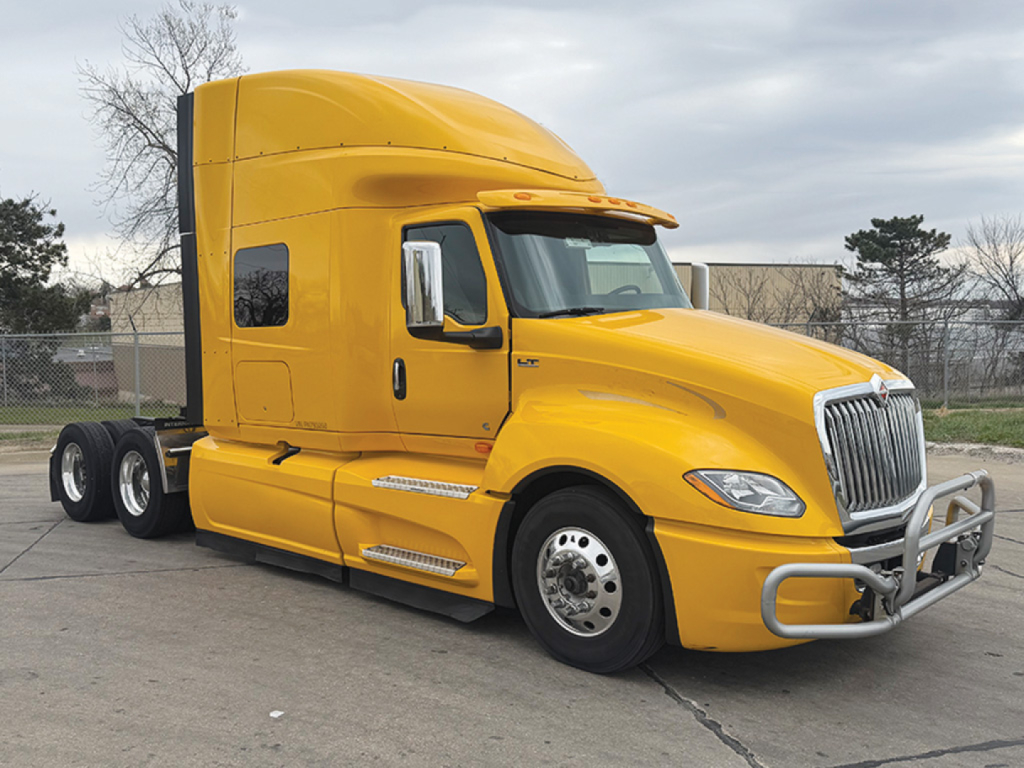
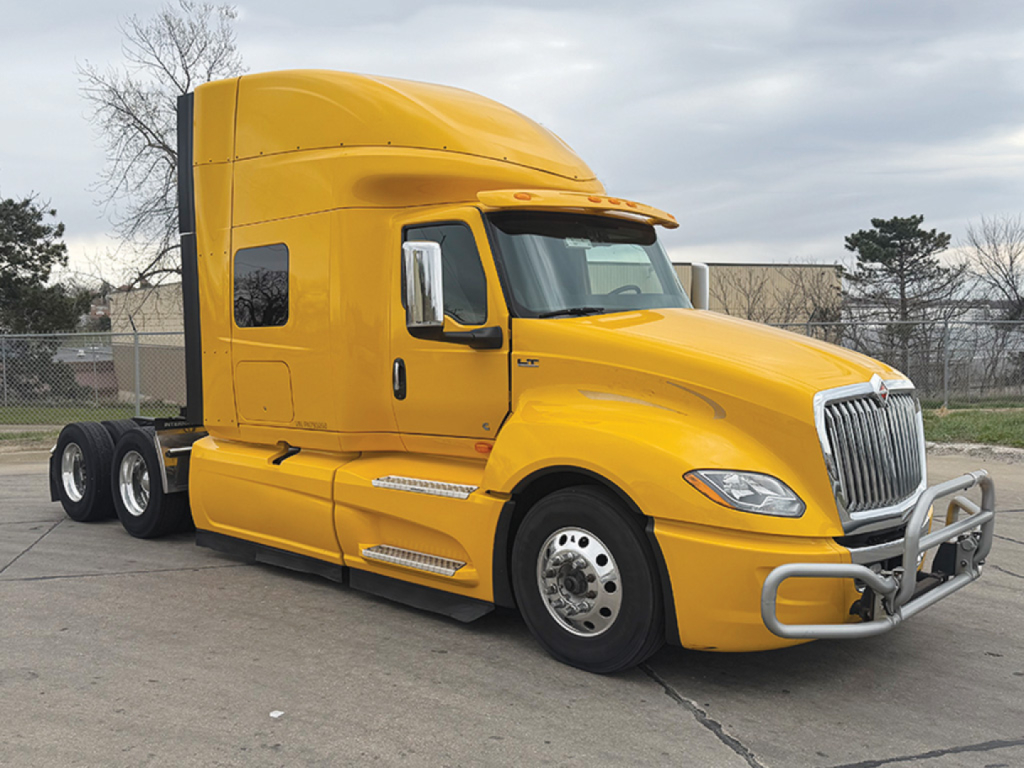
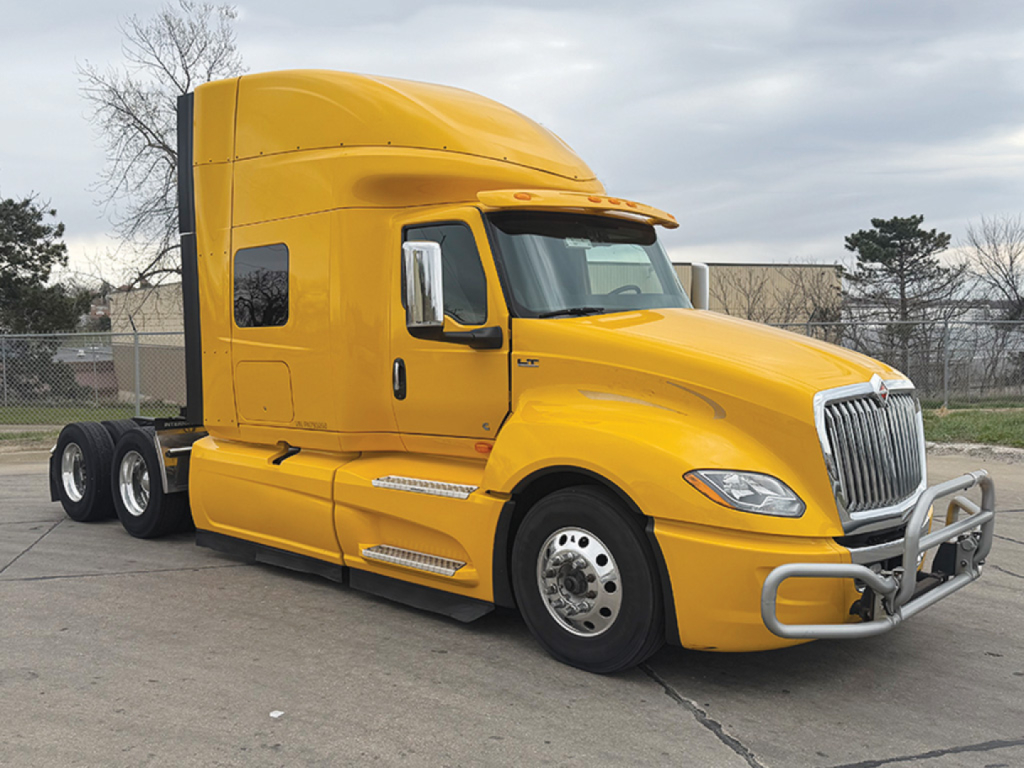

Selling a used international conventional sleeper truck? List your used international conventional sleeper truck for sale and reach thousands of commercial buyers.
Used International Conventional Sleeper Trucks in Nebraska
A lot of buyers start with the powertrain, and that is the right place to compare used International sleepers. Late-model units often carry the Cummins X15 in 400 to 485 horsepower ratings, paired with automated manual transmissions such as Eaton Endurant 12-speed variants, though some LoneStar trucks are still spec'd with manual gearboxes. Rear axle ratings around 40,000 pounds are common, along with ratios like 2.64 for fuel-efficient highway cruising or 3.25 for buyers who want a little more startability and flexibility in mixed terrain. Wheelbases typically run from the low 220-inch range into the 250-inch range depending on sleeper size, fairing package, and fifth wheel position. Buyers comparing trucks for van, reefer, or light flatbed service should pay close attention to wheelbase, sliding fifth wheel travel, fuel capacity, and tire size because those details affect bridge law compliance, trailer swing clearance, and overall maneuverability.
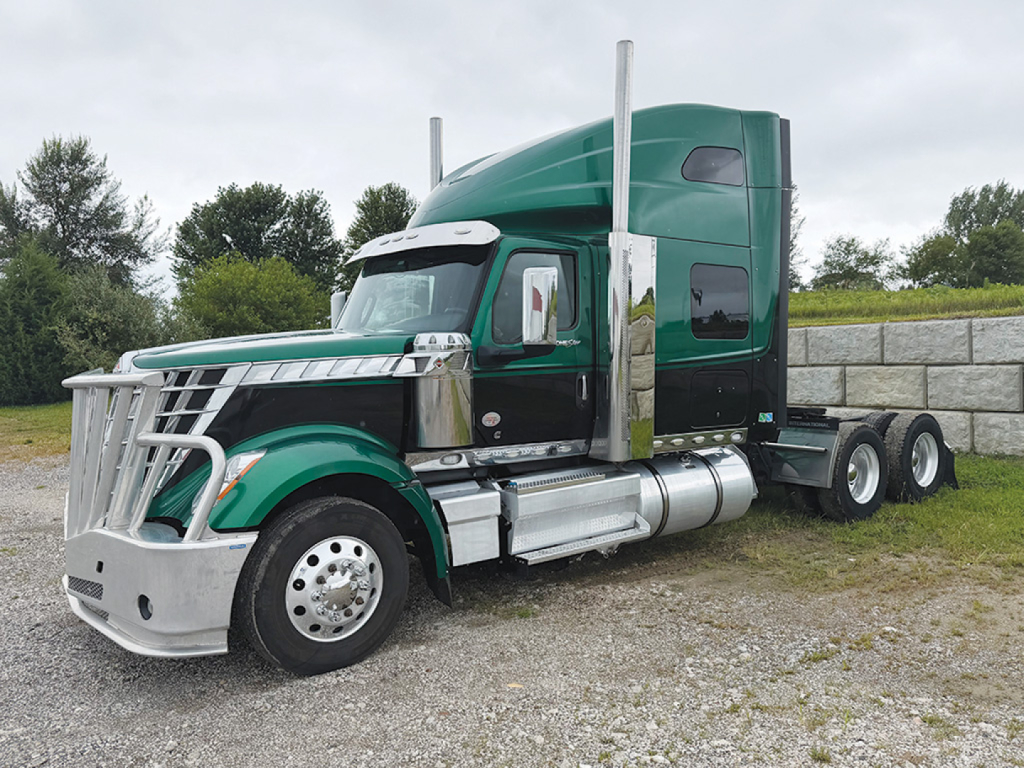
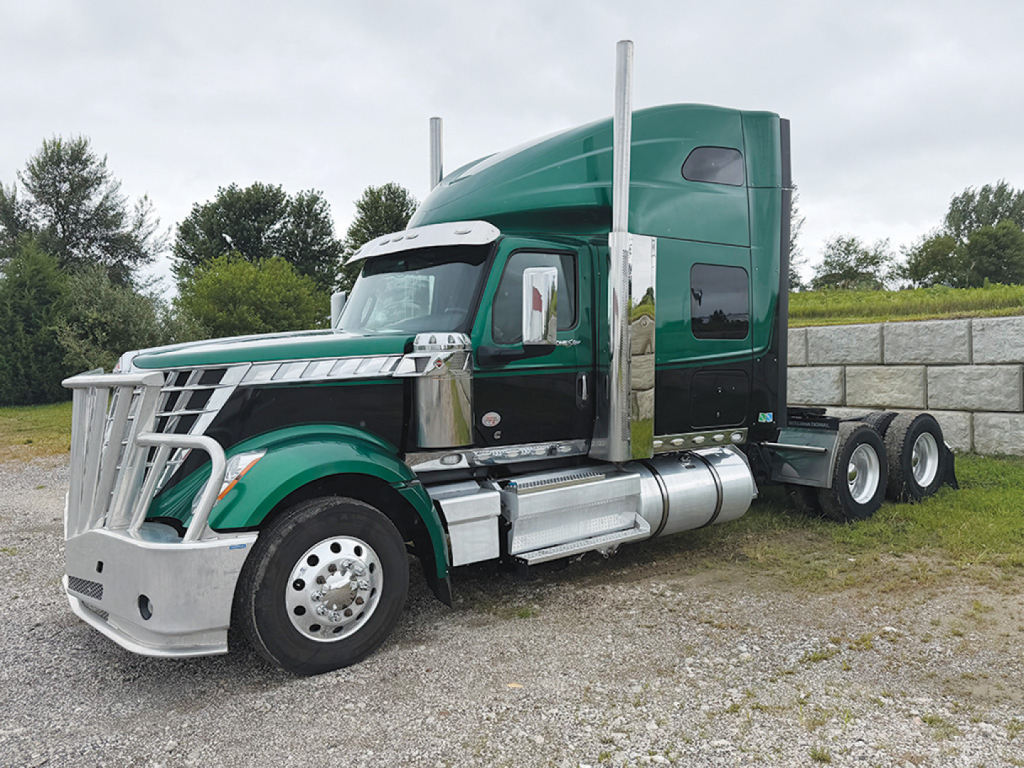
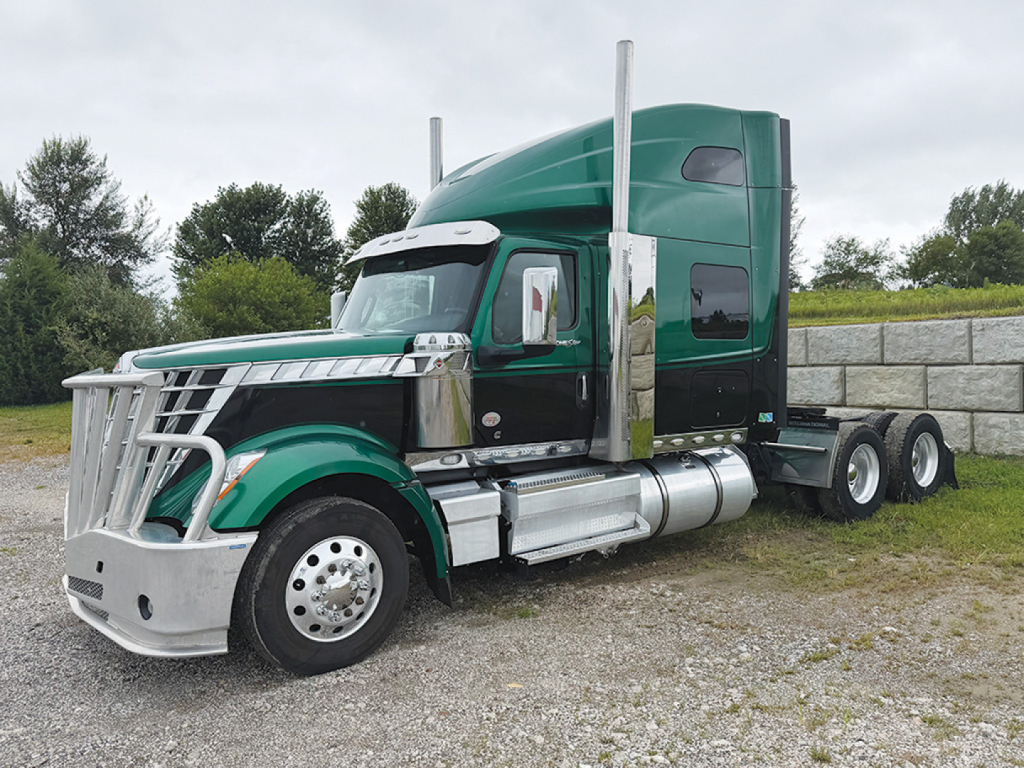
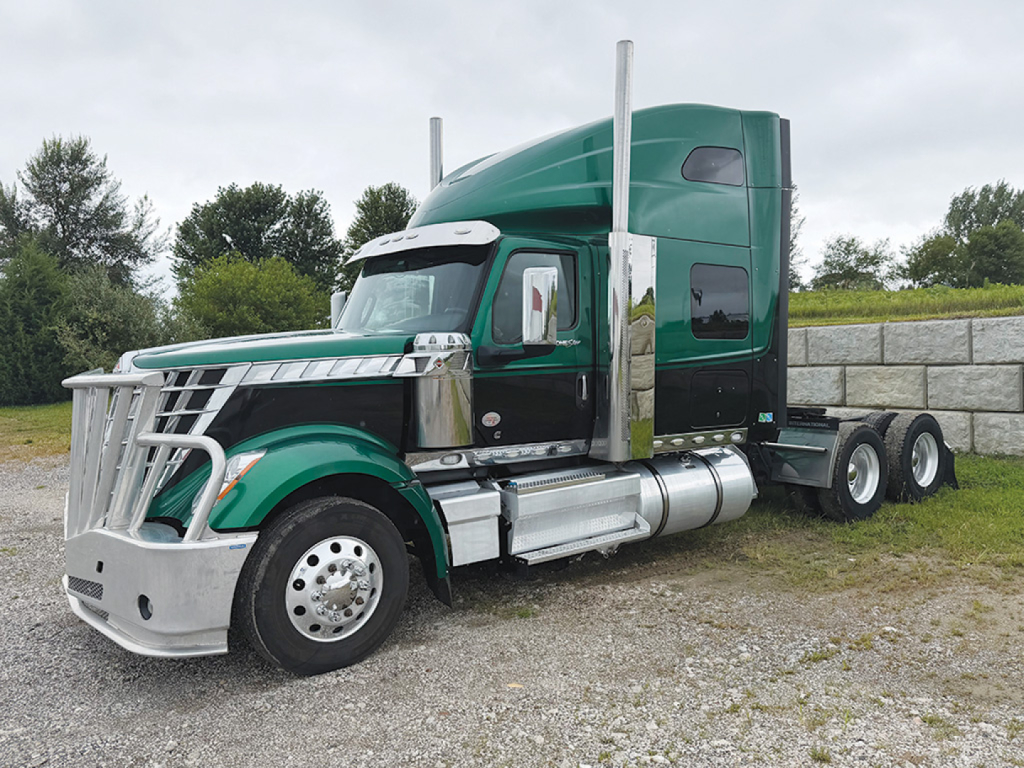
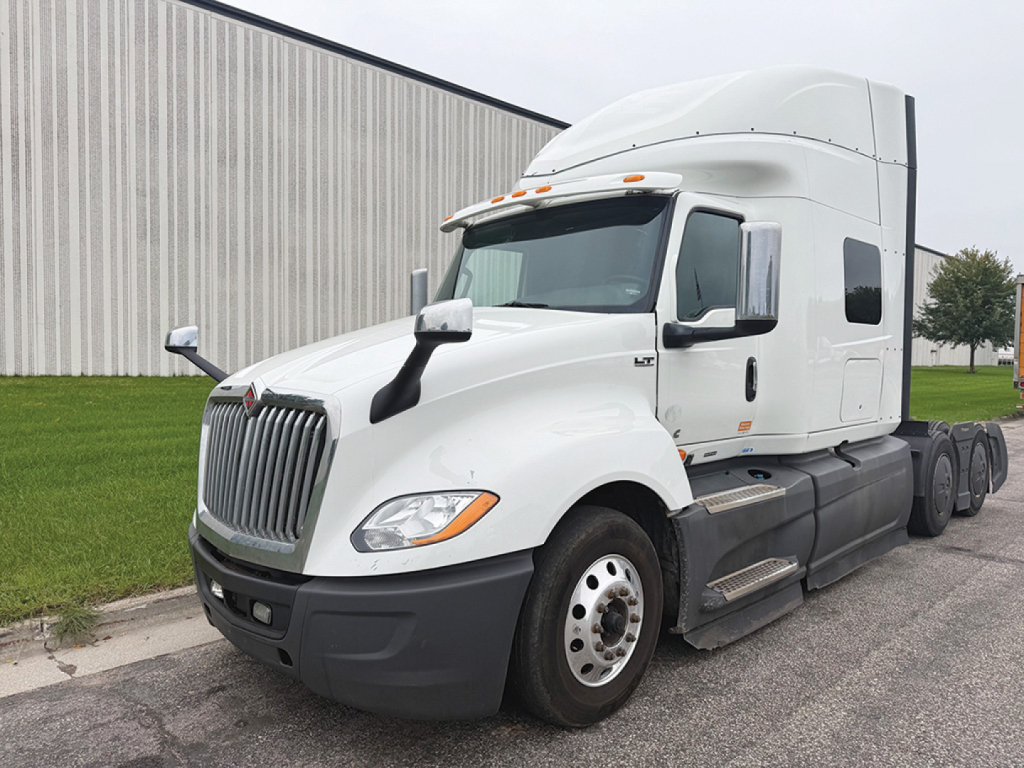
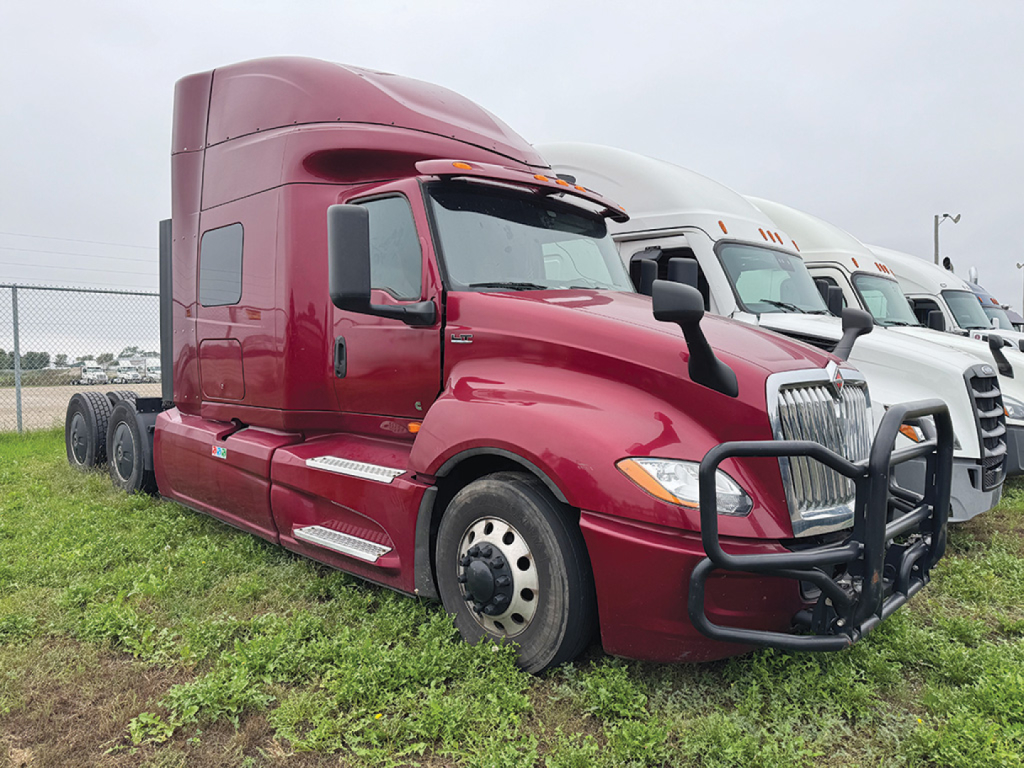
Sleeper configuration matters just as much as engine spec. International conventional sleepers are frequently equipped with 73-inch Hi-Rise or Sky-Rise bunks, and many include upper bunks, refrigerators, bunk heaters, APUs, and idle reduction systems that help with driver retention and anti-idle compliance. Aerodynamic packages usually include side fairings, cab extenders, quarter fenders, and horizontal exhaust on LT models, while LoneStar trucks may lean more toward owner-operator styling with exterior visors, dual stacks, and chrome trim. Inside the cab, features such as tilt and telescoping steering, cruise control, power windows, collision mitigation, and updated dash layouts can make a real difference for long-duty-cycle use. For fleets, these comfort and safety items are not just conveniences. They affect utilization, uptime, and how easy the truck is to assign across multiple drivers.
When evaluating a used International sleeper, buyers should look past model year and focus on vocational fit, maintenance history, and how the spec matches the intended trailer and lane. Disc brakes, aluminum wheels, air slide fifth wheels, and low-profile tires may be ideal for linehaul work, while a manual transmission or higher axle ratio may appeal to a more specialized operation. On used LT625 and LoneStar tractors, it is also smart to review emissions service records, engine brake operation, tire wear patterns, suspension condition, and any signs of fairing or sleeper damage from trailer contact. A well-matched conventional sleeper truck can deliver solid operating economics, strong driver acceptance, and the flexibility to handle the broad mix of freight common across Nebraska and surrounding states.
Frequently Asked Questions about Used International Conventional Sleeper Trucks in Nebraska
What engines are commonly found in used International conventional sleeper trucks?
Most late-model used International conventional sleeper trucks are equipped with the Cummins X15, typically in ratings from about 400 to 485 horsepower. That engine is a common choice for long-haul fleets because it offers broad service support, strong torque for highway freight, and compatibility with both automated manual and manual transmissions depending on the truck's original spec.
What is the difference between an International LT sleeper and an International LoneStar sleeper?
The International LT is generally the more aerodynamic and fleet-oriented conventional sleeper tractor, designed around fuel economy, driver comfort, and highway efficiency. The LoneStar uses a similar basic heavy-duty platform but is styled more toward owner-operators and image-conscious fleets, often with more chrome, distinctive exterior features, and in some cases different transmission or axle specs.
What sleeper size is common on used International long-haul tractors?
A 73-inch sleeper is one of the most common configurations on used International conventional sleeper trucks. Buyers will often see Hi-Rise or Sky-Rise versions with features such as an upper bunk, refrigerator, bunk heater, storage cabinets, and idle reduction equipment. That size works well for teams, extended over-the-road runs, and fleets that want a comfortable sleeper without moving into a larger specialty cab.
Which axle ratio is better for a used International sleeper truck, 2.64 or 3.25?
A 2.64 ratio is usually preferred for fuel-efficient highway service where the truck spends most of its time at cruising speed with standard van or reefer freight. A 3.25 ratio generally provides better launch feel and can be a better fit for heavier loads, mixed terrain, or operations with more stop-and-go work. The best choice depends on trailer type, average gross weight, transmission gearing, and route profile.
What should buyers inspect on a used International sleeper tractor before purchase?
Key inspection points include engine and emissions service history, transmission operation, engine brake function, suspension wear, brake type and condition, tire wear patterns, and fifth wheel travel. Buyers should also inspect the sleeper interior, APU or idle reduction equipment, fairings, cab extenders, and any signs of trailer contact around the back of the cab. On a road tractor, spec match and maintenance quality usually matter more than cosmetic condition alone.