
Used Kenworth Conventional Sleeper Trucks For Sale in Nebraska
Browse used Kenworth conventional sleeper trucks in Nebraska, including T680 and T660 models with aero cabs, sleeper options, and highway specs.
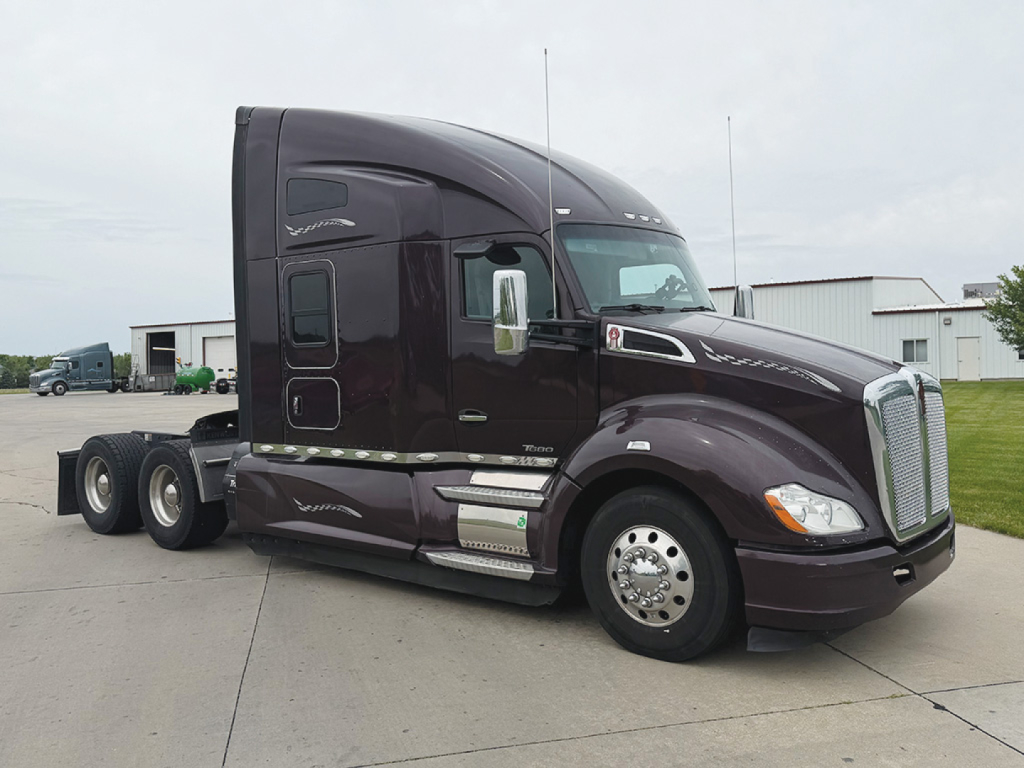
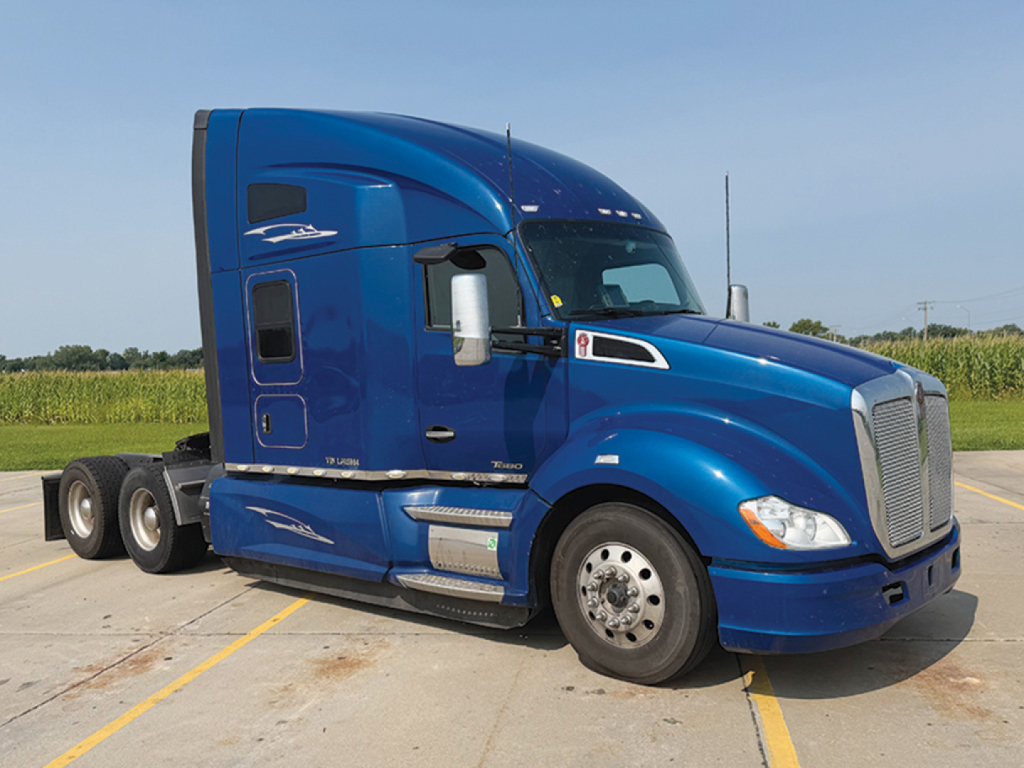
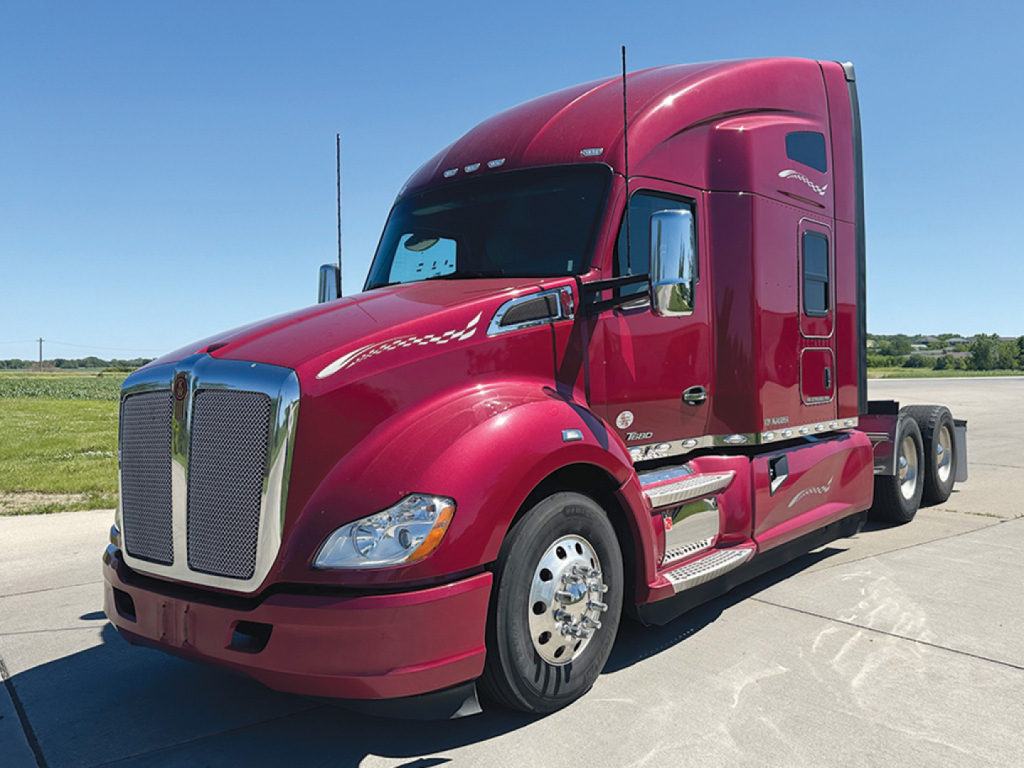
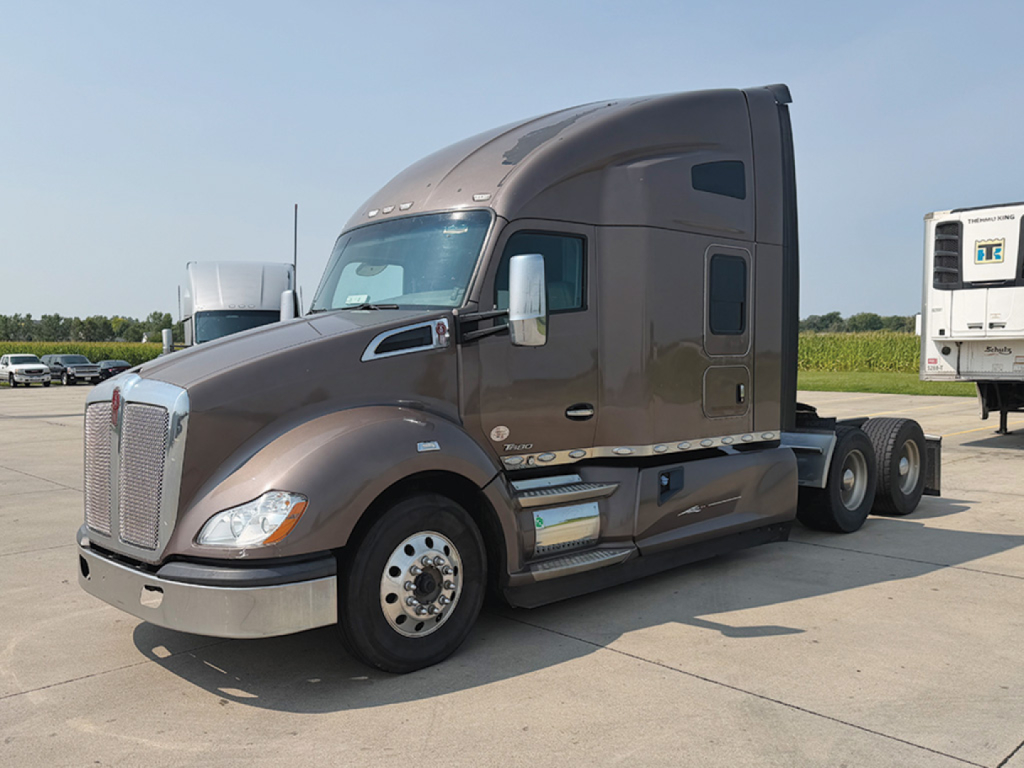
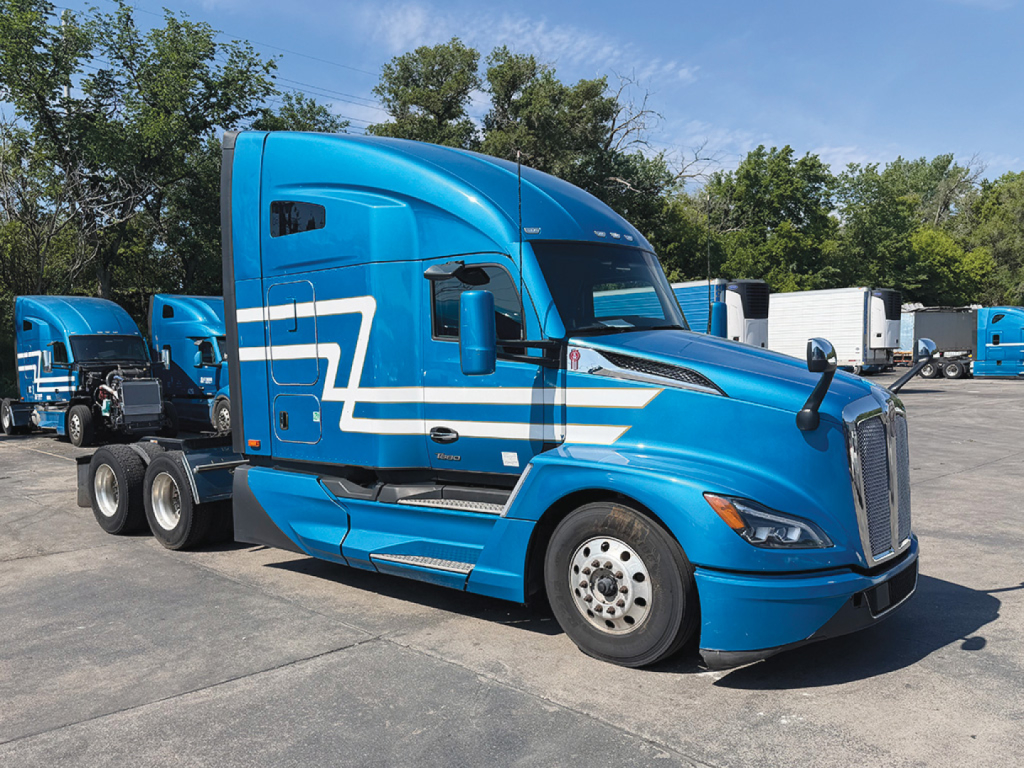
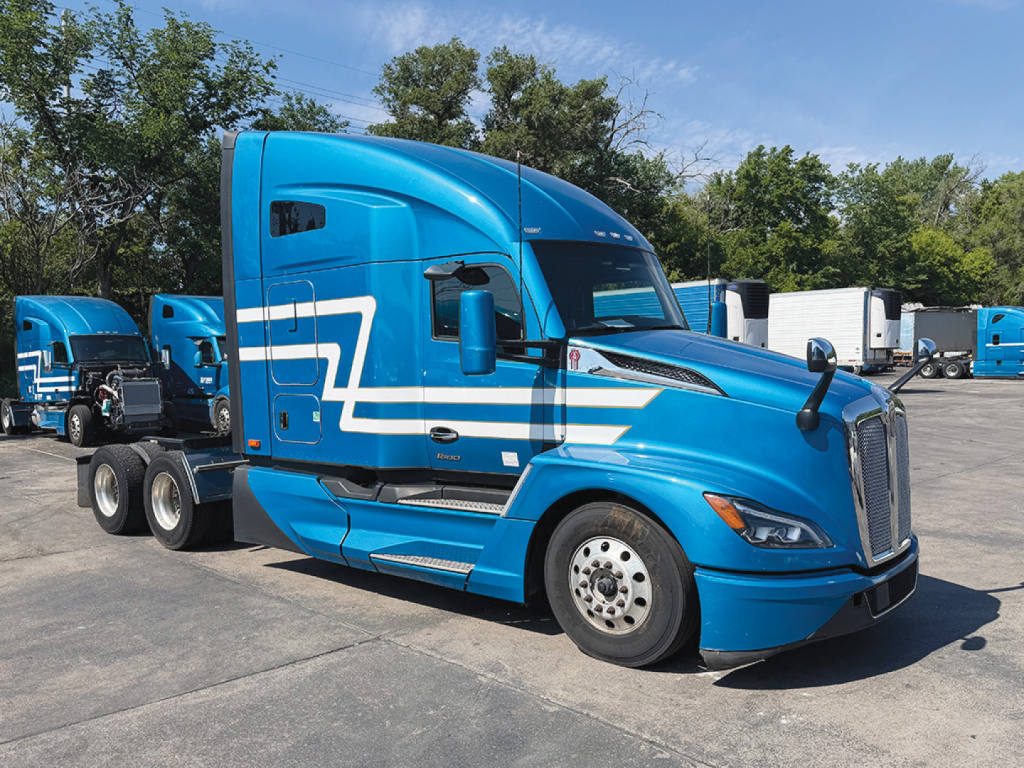
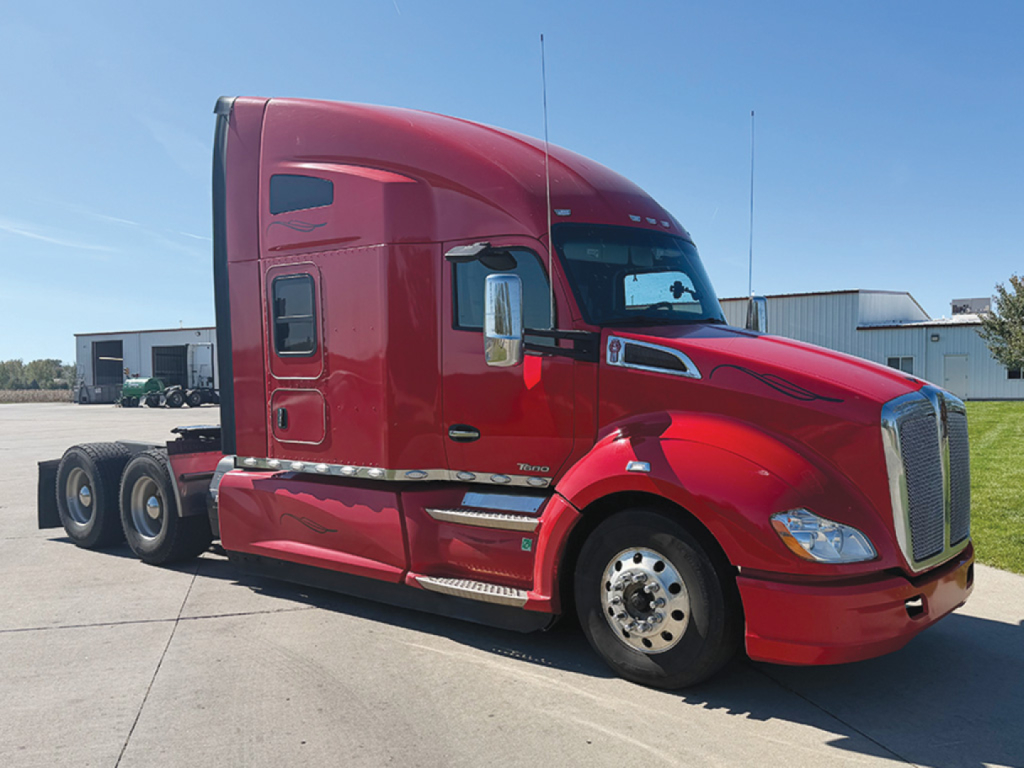
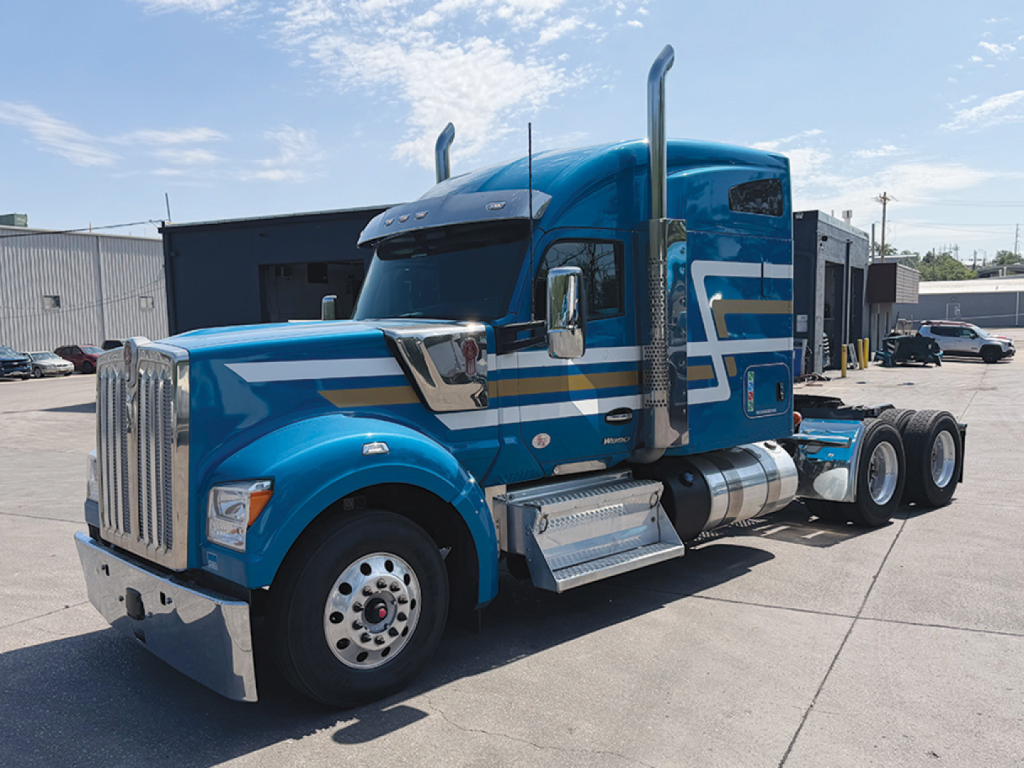
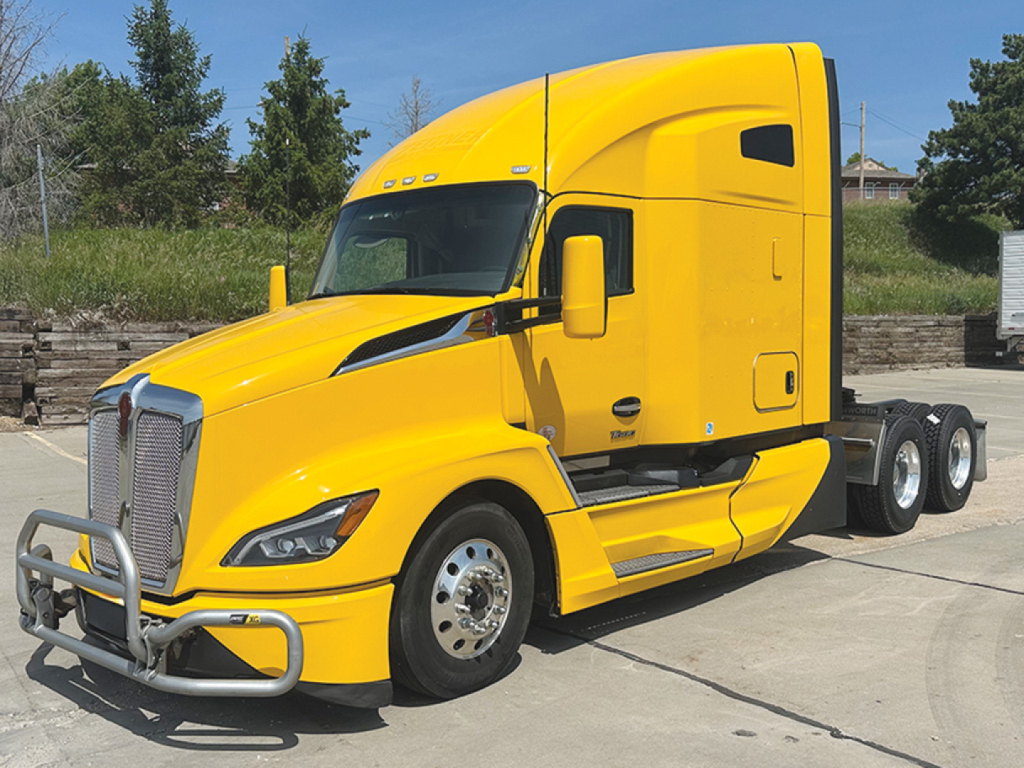
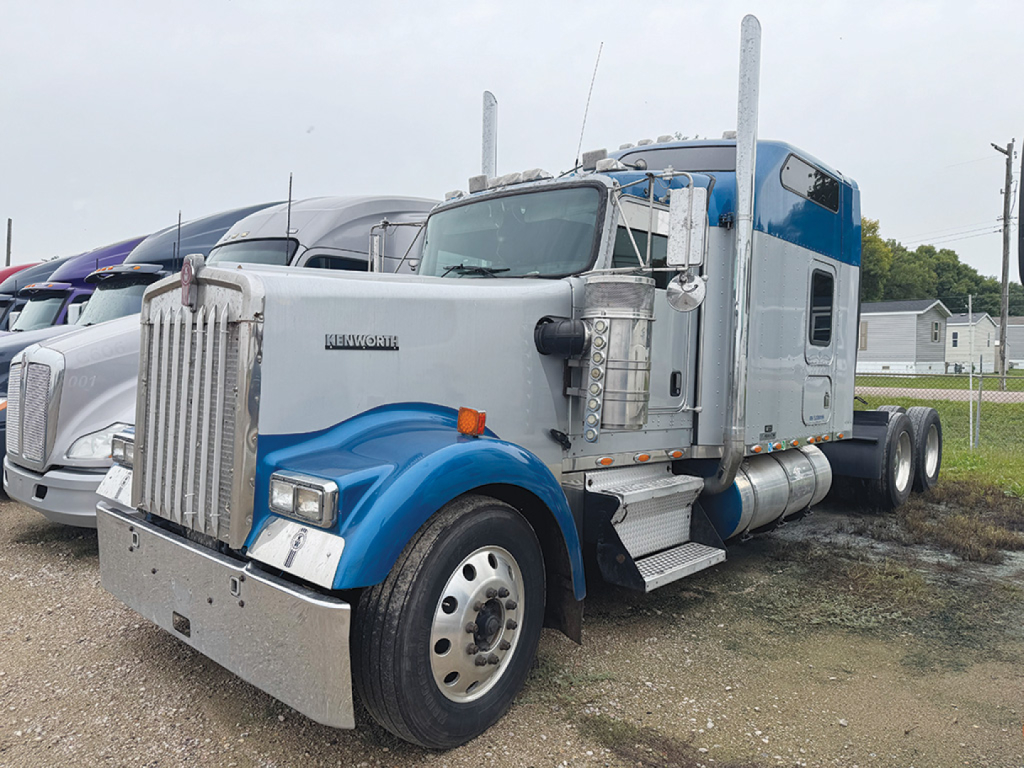
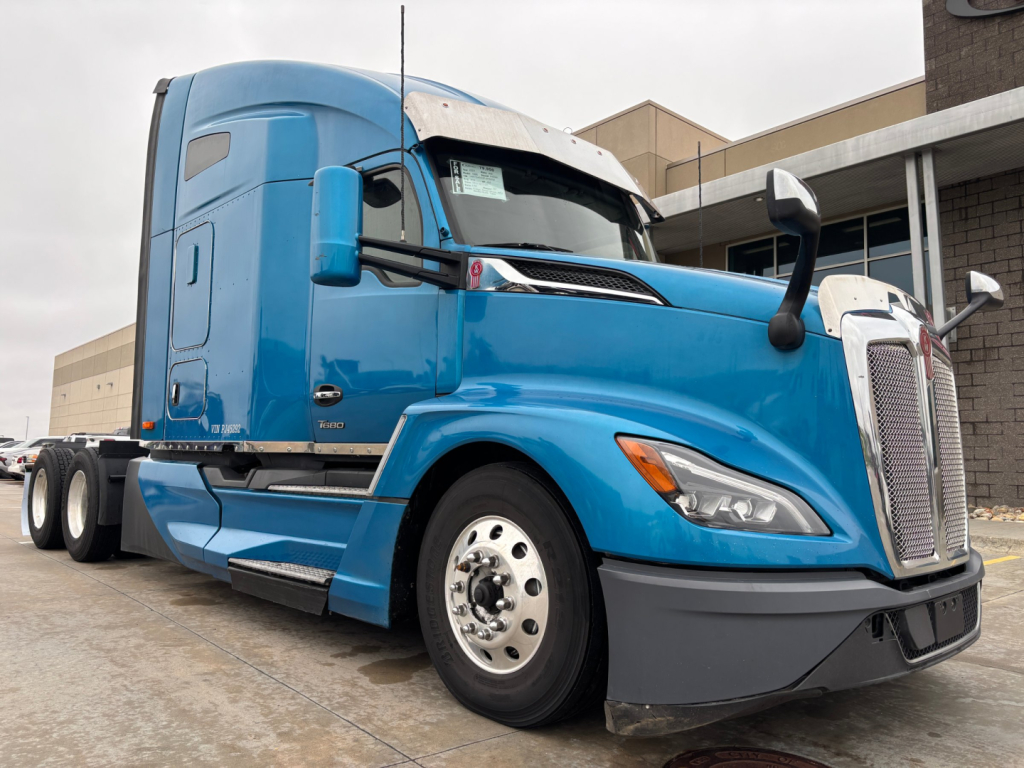
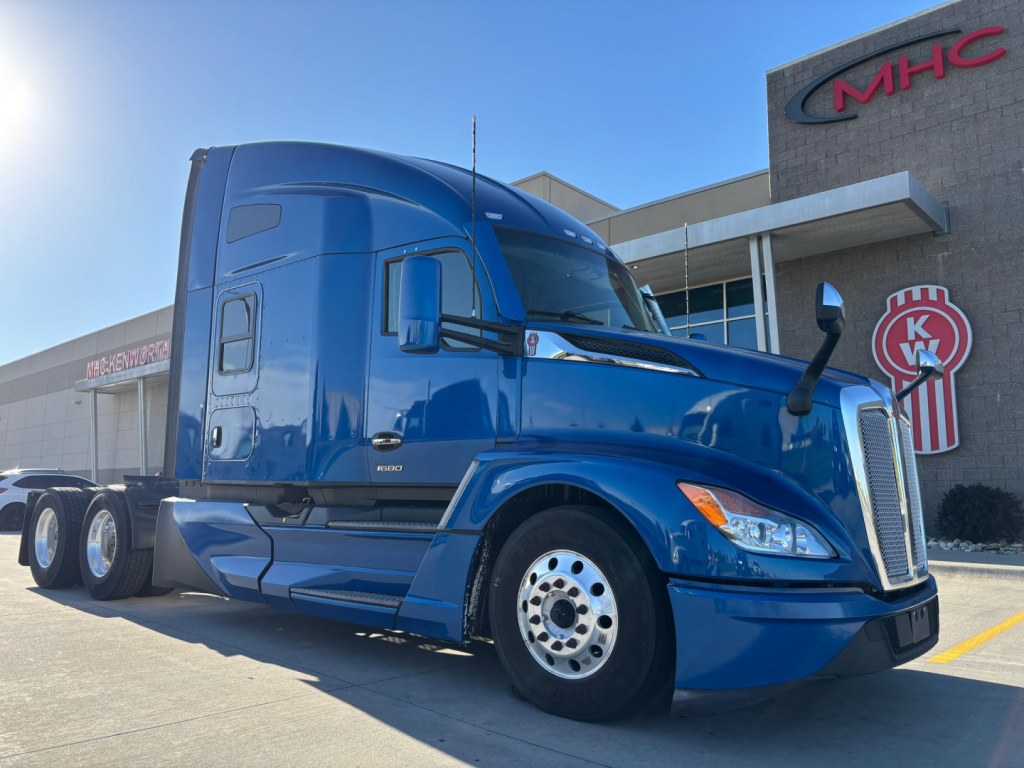
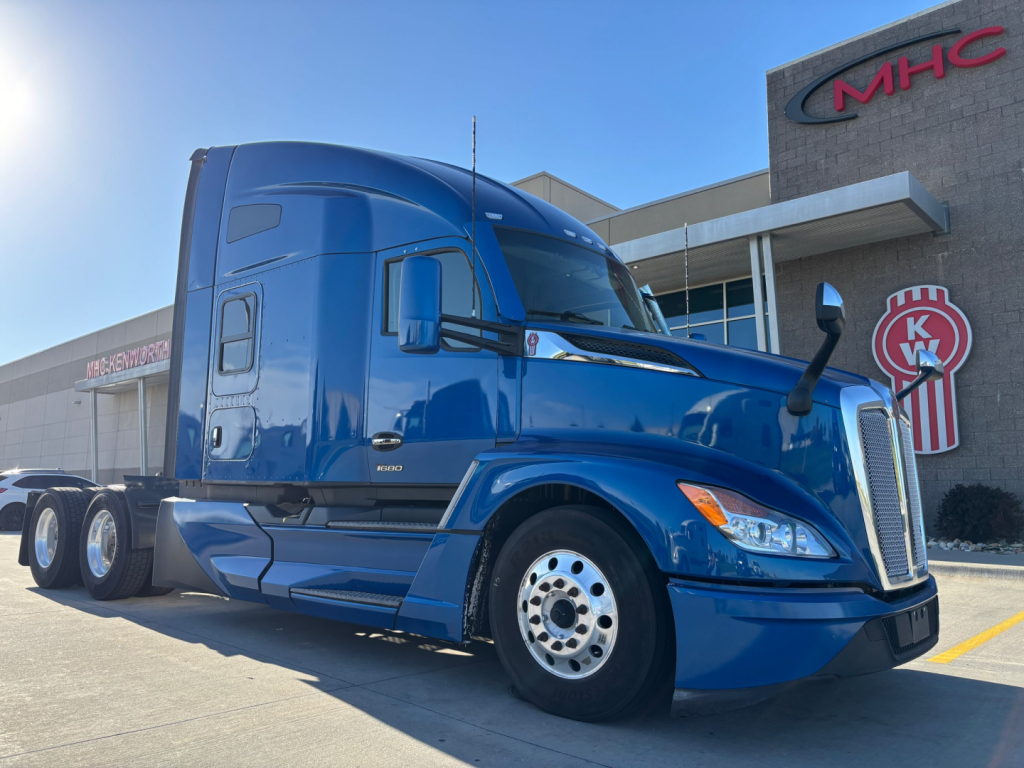
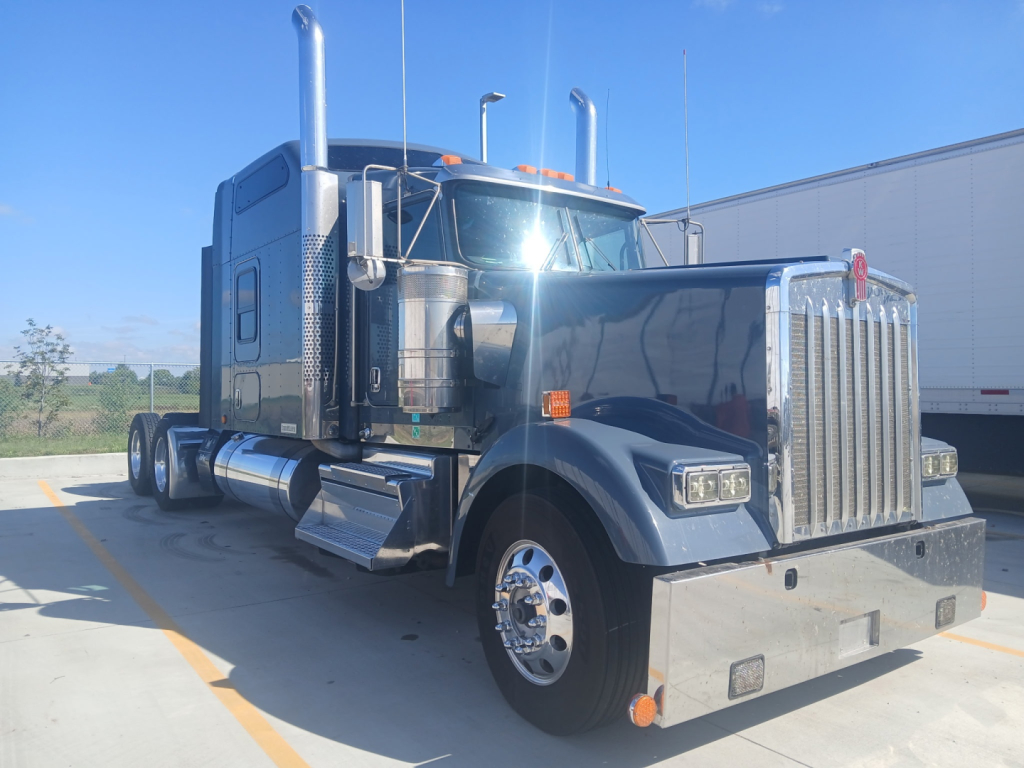
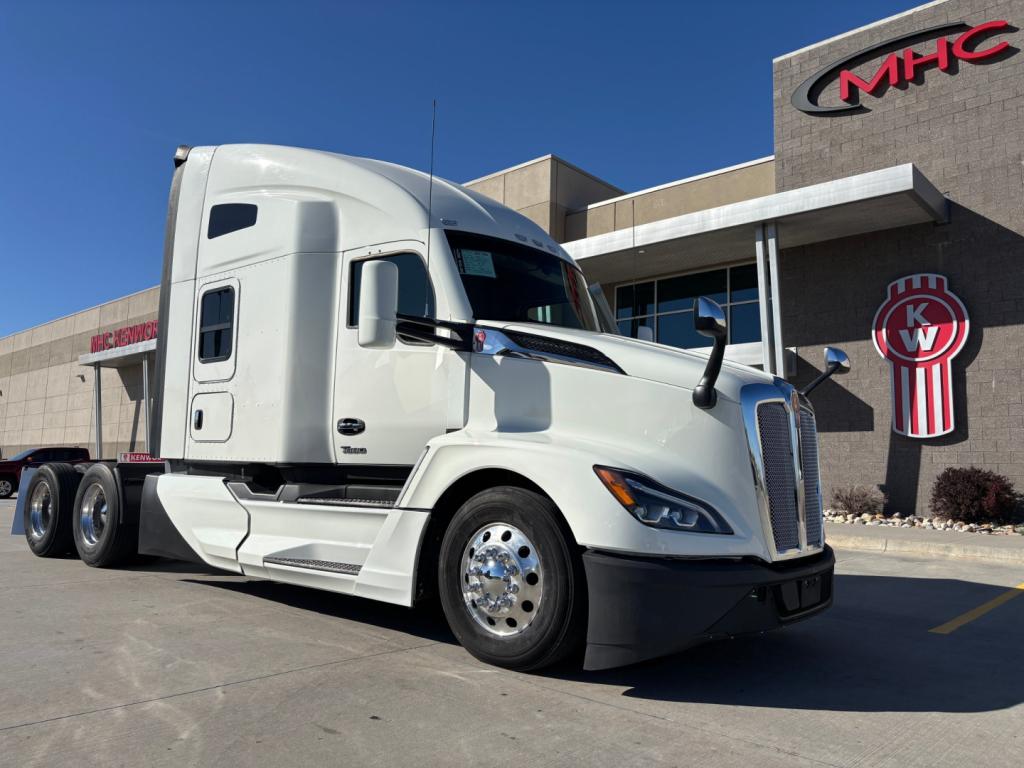
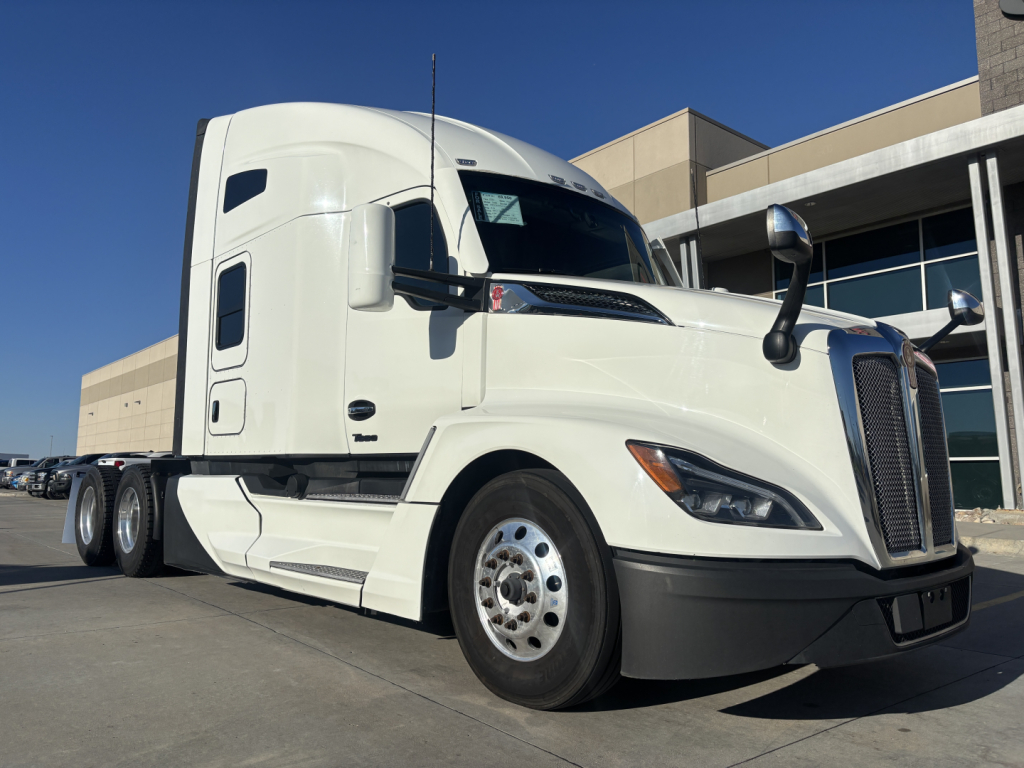
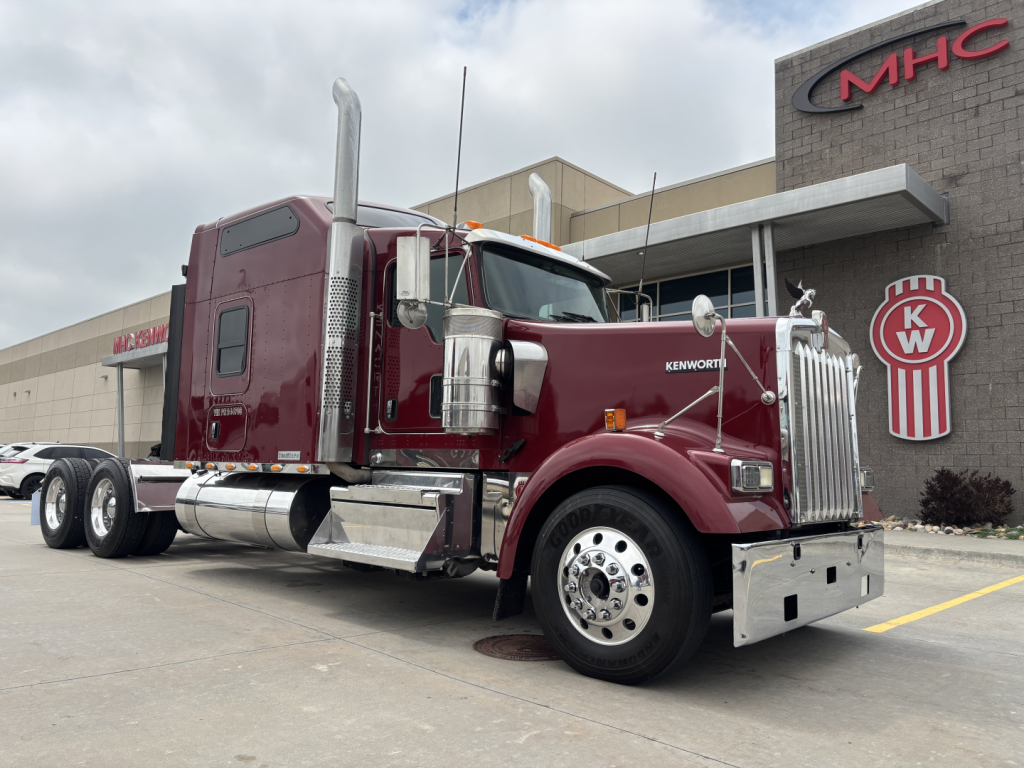
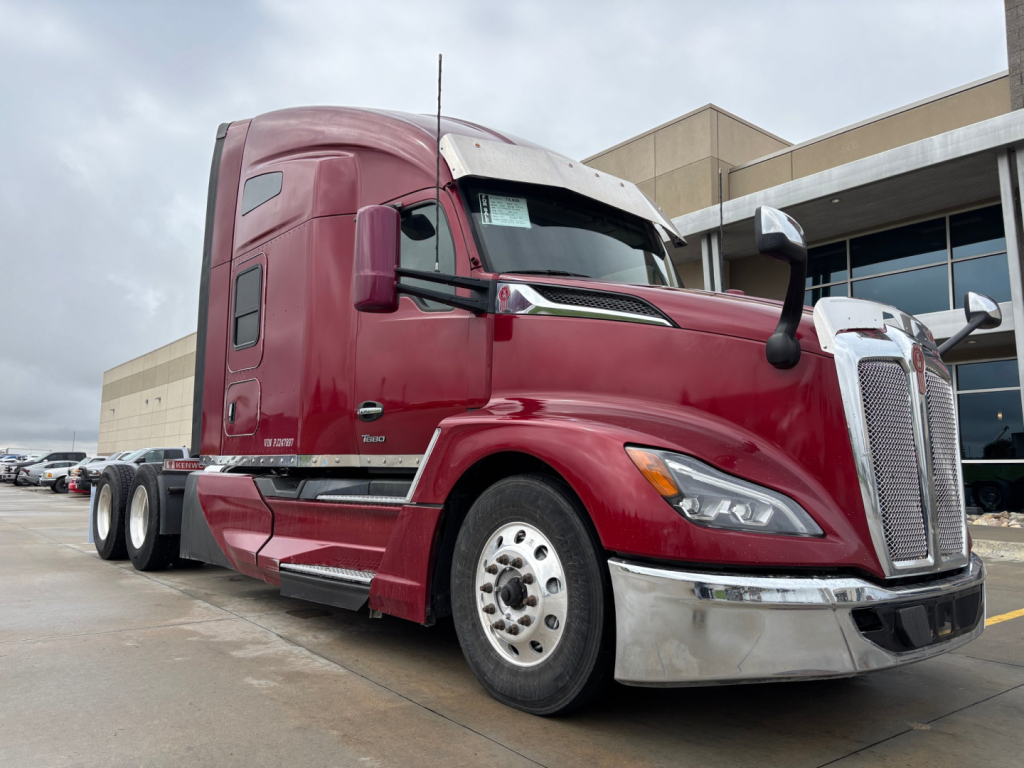

Showing 1 to 28 of 36 results
Selling a used kenworth conventional sleeper truck? List your used kenworth conventional sleeper truck for sale and reach thousands of commercial buyers.
Used Kenworth Conventional Sleeper Trucks in Nebraska
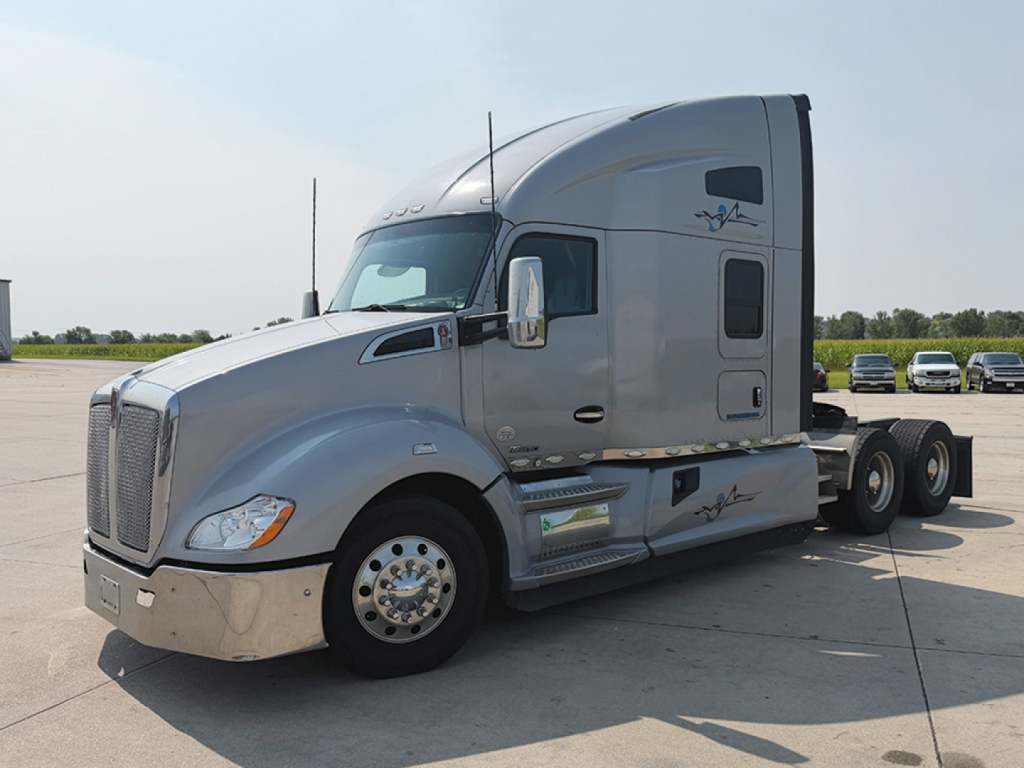
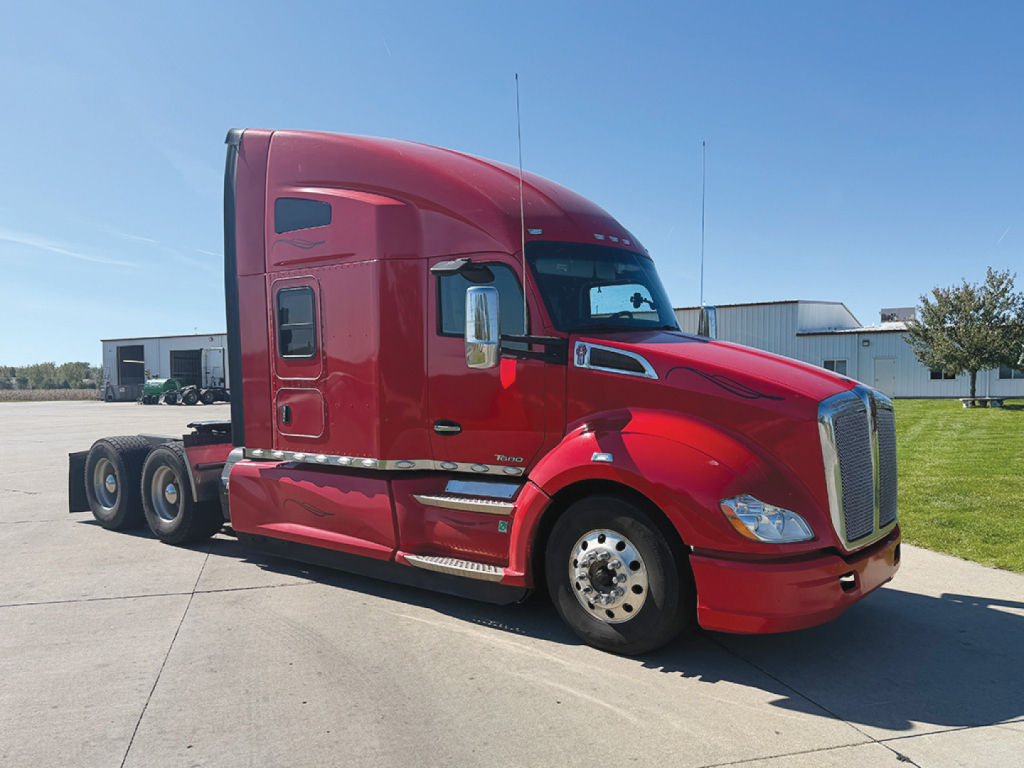
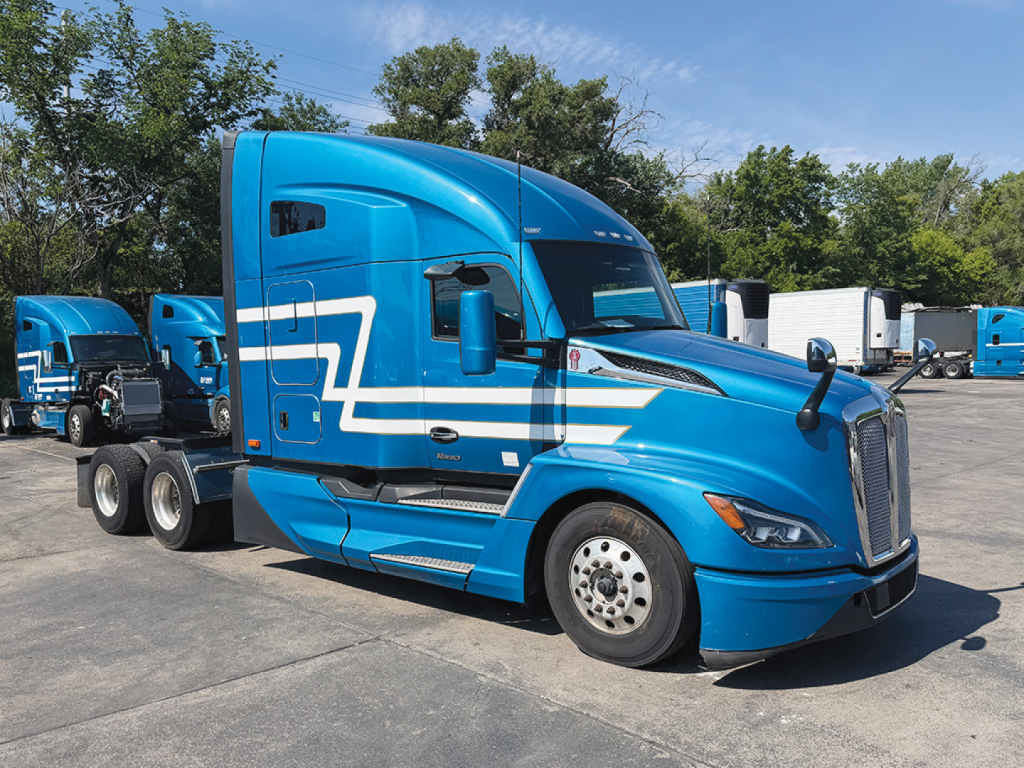
The first buying decision is usually sleeper size and powertrain. Used Kenworth sleeper trucks often show up with 62-inch, 72-inch, or 76-inch sleepers in flat-top, mid-roof, or high-roof configurations. A 76-inch high-roof setup is typically better for over-the-road teams or solo drivers who want stand-up room, storage, and space for a refrigerator or auxiliary power unit. Many used units are equipped with Cummins X15, Cummins ISX12, or PACCAR MX-13 engines, commonly paired with 10-, 13-, or 18-speed manual transmissions, though automated manual options are also common in the broader market. Rear axle ratings around 40,000 pounds, ratios such as 3.25, 3.36, or 3.55, and air ride suspension are typical highway specs that affect cruise rpm, startability, and how the truck fits your freight mix.
Aerodynamics and chassis layout are just as important as engine badge. T680 and T660 sleepers are often spec'd with side fairings, cab extenders, roof fairings, and quarter fenders to reduce drag and keep the tractor cleaner in bad weather. Wheelbase, fifth wheel style, and tire setup can materially change trailer compatibility and payload strategy. Buyers should pay attention to adjustable or air-slide fifth wheels, wheelbases in the mid-220s to 250 inches, low-profile rubber versus 11R22.5, and whether the truck runs duals or super singles. Disc brakes, aluminum wheels, dual fuel tanks, engine brakes, and bunk heaters are all meaningful value points in a used highway tractor because they affect maintenance cost, driver acceptance, and all-season usability.
A used Kenworth conventional sleeper should be evaluated as a complete operating package, not just by model year or horsepower. Service history, emissions system condition, clutch and transmission wear, suspension bushing life, and signs of fairing or cab mount damage all deserve close attention. Interior condition also matters more than many buyers admit, especially on sleeper tractors with VIT-style interiors, upper bunks, driver lounge layouts, or added hotel features. For Nebraska buyers running open interstate miles, a clean aero sleeper with the right gearing and sleeper spec can be a strong fit for fuel-conscious long-haul work. For heavier or more specialized applications, the better truck is usually the one with the right wheelbase, fifth wheel travel, and driveline spec for the trailers you actually pull.
Frequently Asked Questions about Used Kenworth Conventional Sleeper Trucks in Nebraska
What are the most common used Kenworth conventional sleeper models?
The most common used Kenworth conventional sleeper models are the T680 and the earlier T660. The T680 is generally favored for its newer aerodynamic design, updated interior, and broad availability in fleet highway specs. The T660 remains popular in the used market because it is a proven aero tractor with straightforward linehaul configurations and often attractive price points compared with newer equipment.
What sleeper size is best on a used Kenworth highway tractor?
The right sleeper size depends on route length, driver count, and onboard living requirements. A 62-inch flat-top sleeper can work well for regional runs or operations that do not require much interior standing room. A 72-inch or 76-inch sleeper is better suited for over-the-road service, especially when buyers want more cabinet space, room for a refrigerator, upper bunk capacity, or comfort features like a bunk heater or auxiliary power unit.
Which engine and gearing combinations are common in used Kenworth sleeper trucks?
Used Kenworth conventional sleepers are commonly equipped with Cummins X15, PACCAR MX-13, or Cummins ISX-series engines. Horsepower often falls in the 400 to 565 range depending on the application. Rear axle ratios such as 3.25, 3.36, and 3.55 are typical. Lower numerical ratios usually support lower cruise rpm and fuel economy on interstate lanes, while higher ratios can help with heavier loads, more frequent starts, or mixed terrain.
What should I inspect first on a used Kenworth sleeper truck?
Start with the engine, emissions system, transmission, and rear axle service records because those systems drive operating cost. Then inspect the sleeper and cab for signs of hard use, water intrusion, electrical accessory issues, and bunk HVAC problems. Chassis items such as suspension wear, brake type and condition, fifth wheel movement, wheelbase suitability, and tire setup should also be checked closely. On aerodynamic Kenworth models, fairing condition matters because damaged panels can affect both appearance and fuel economy.
Are used Kenworth conventional sleepers a good fit for Nebraska freight?
Yes, used Kenworth conventional sleeper trucks are well suited to Nebraska freight patterns because they match the needs of interstate linehaul, agricultural support lanes, refrigerated freight, and longer regional hauls across the Midwest. Nebraska operators often benefit from aerodynamic highway specs, larger fuel capacity, and sleeper amenities that make long stretches on I-80 more efficient and more comfortable for the driver. The best fit depends on trailer type, average gross weight, and how much time the truck will spend in true over-the-road service.