
Used 2022 Conventional Sleeper Trucks For Sale in Nebraska
Browse used 2022 conventional sleeper trucks in Nebraska. Compare raised-roof specs, powertrains, wheelbase, sleeper features, and axle setups.
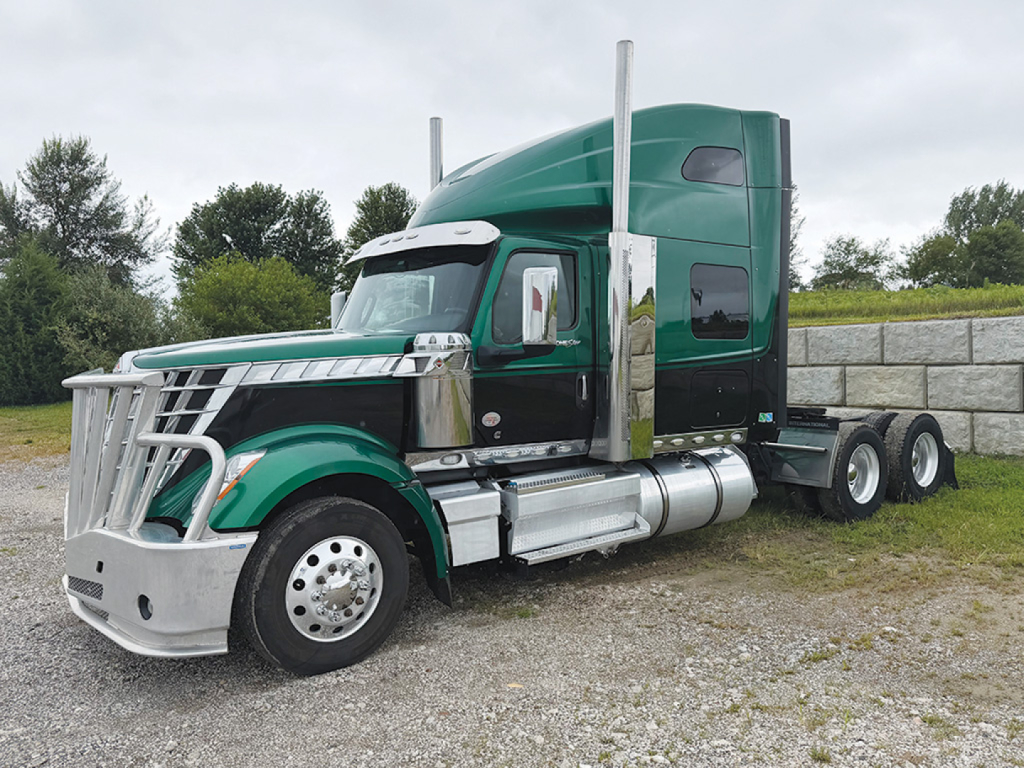
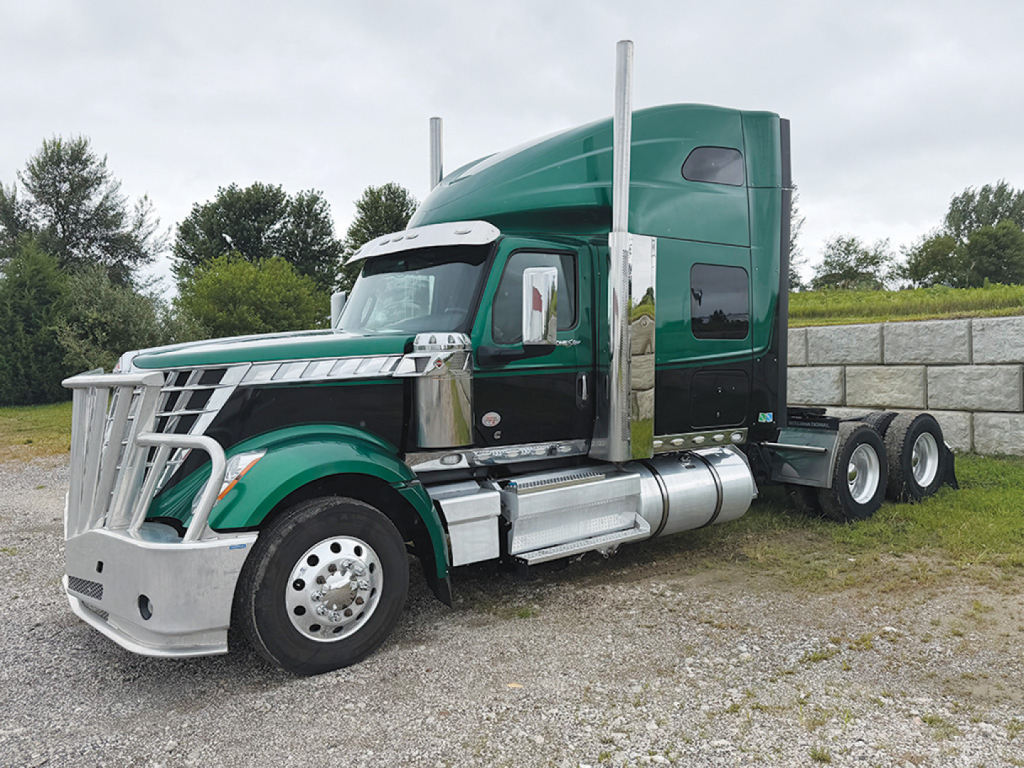
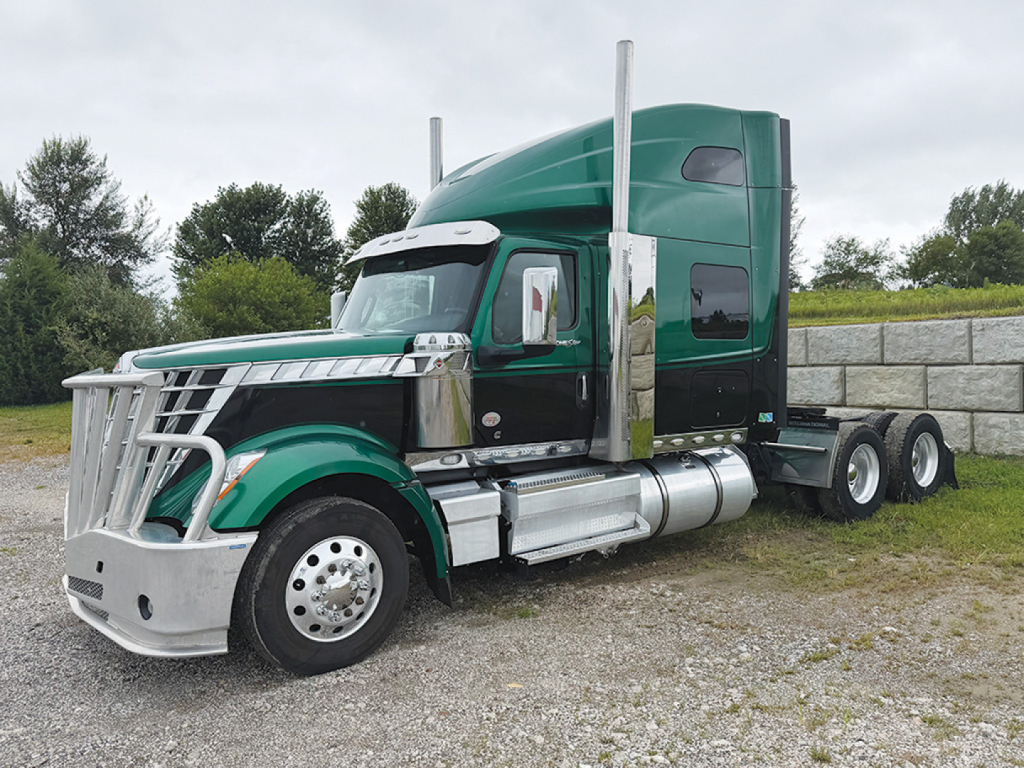
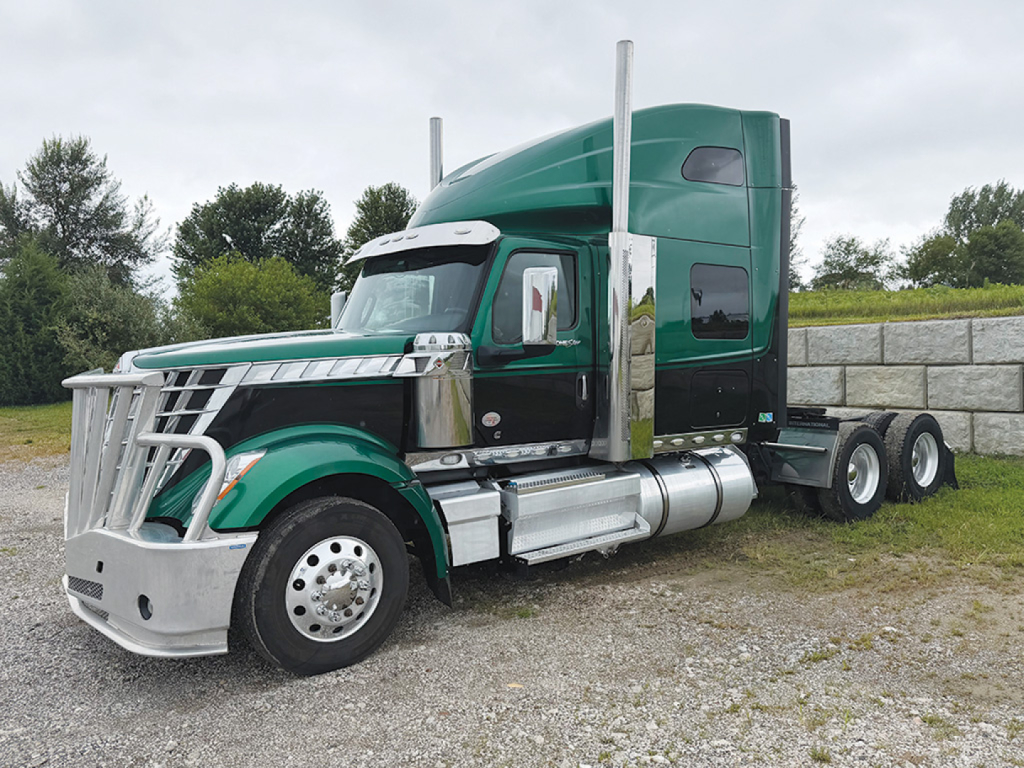
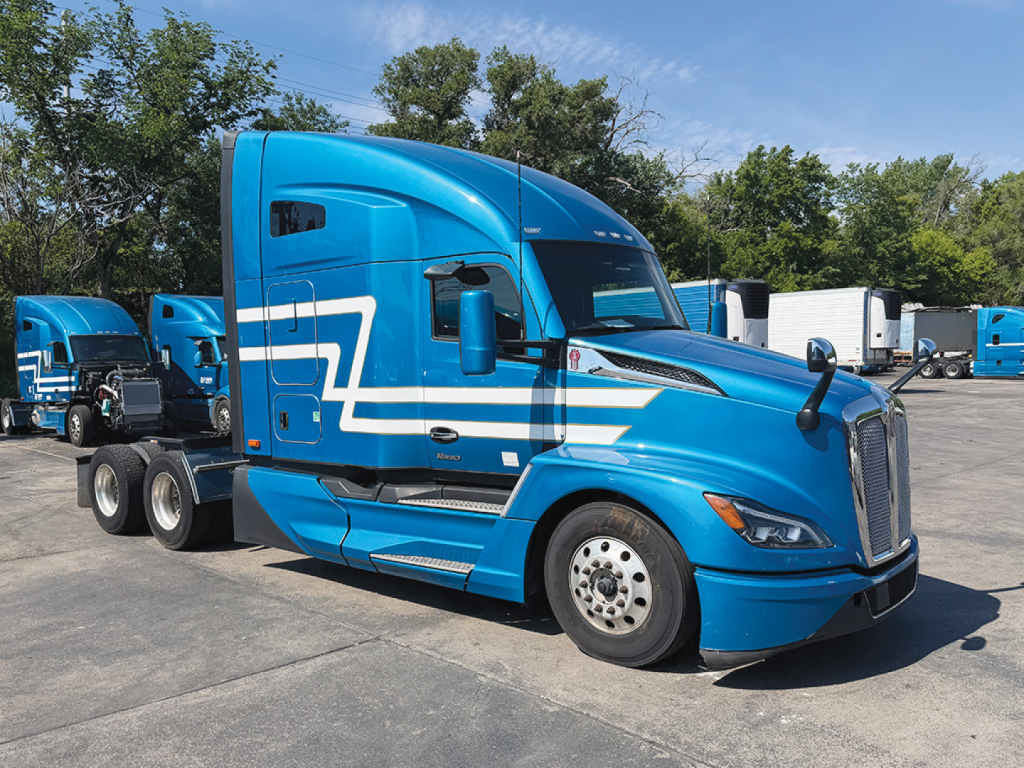
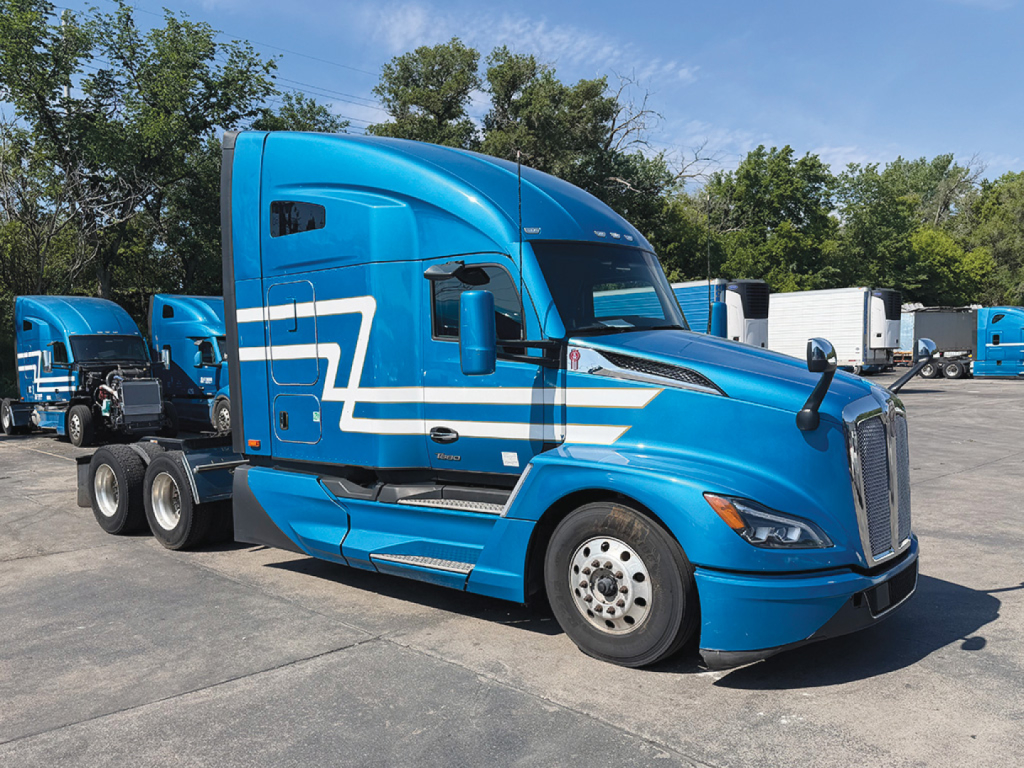
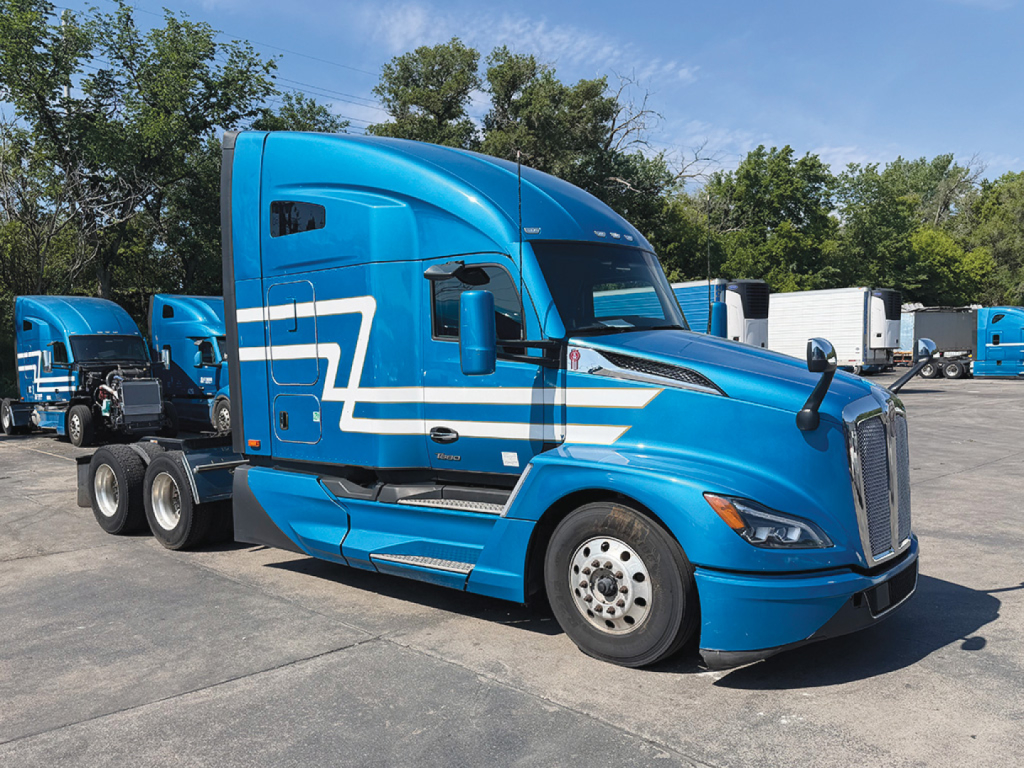
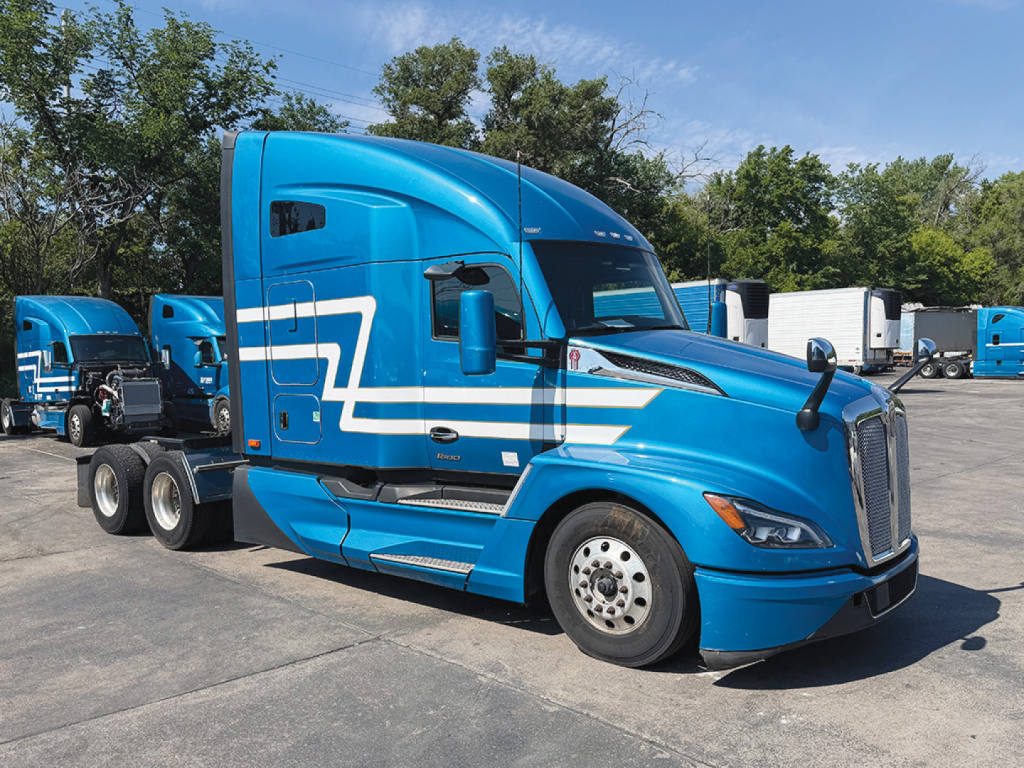
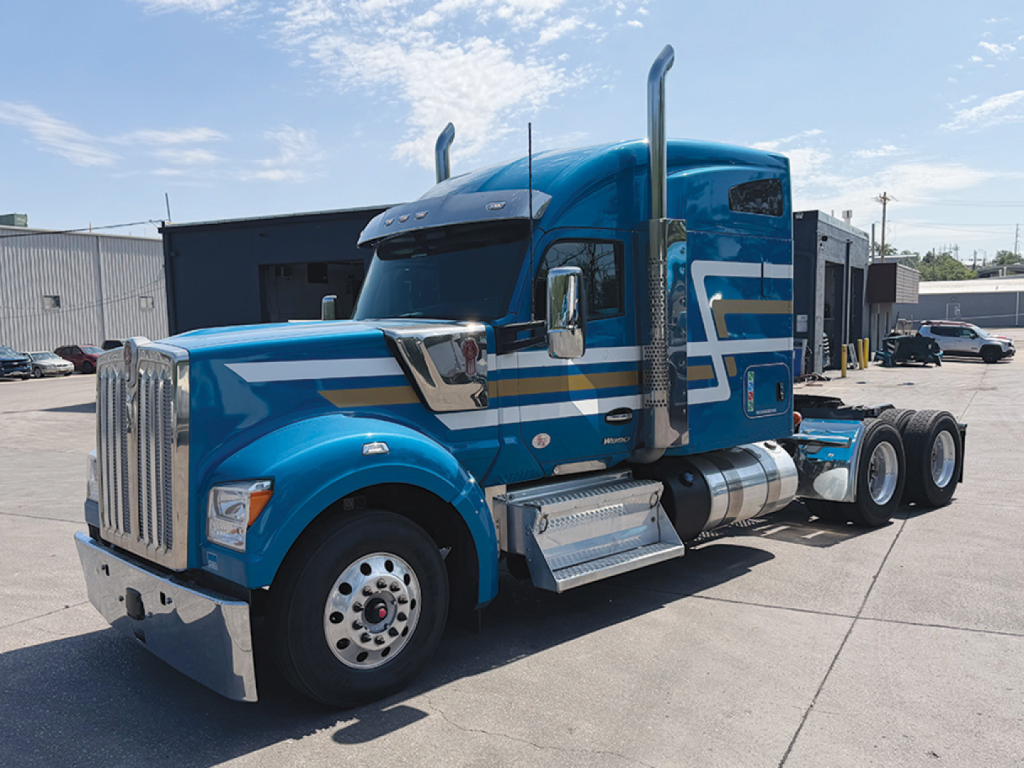
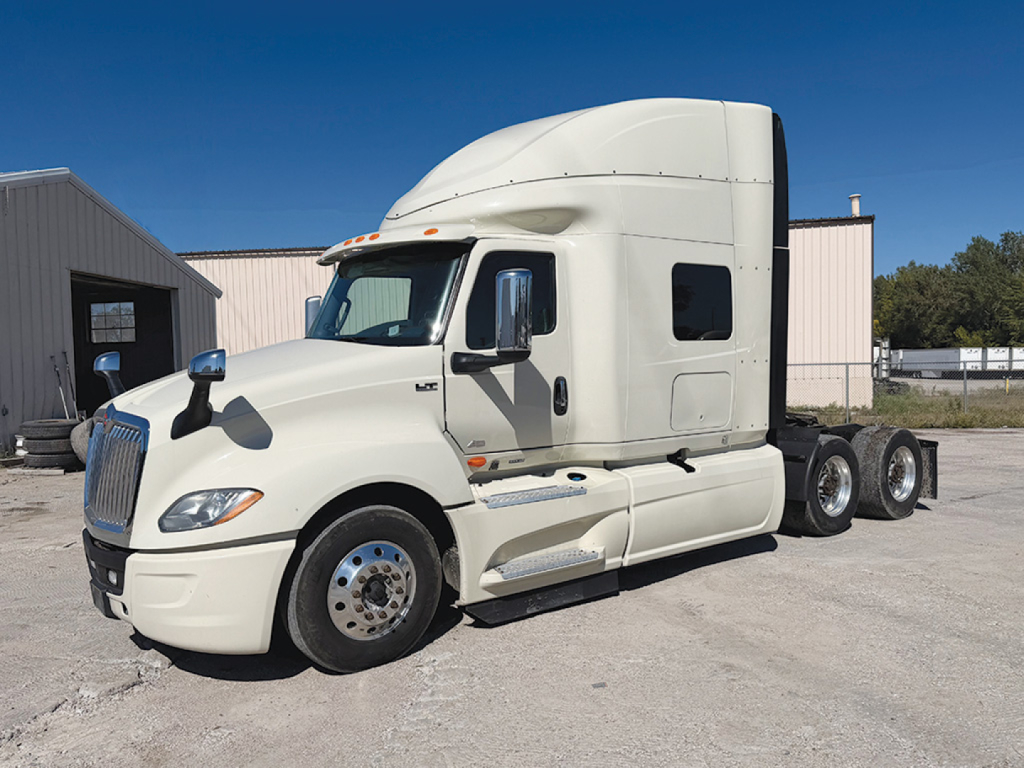
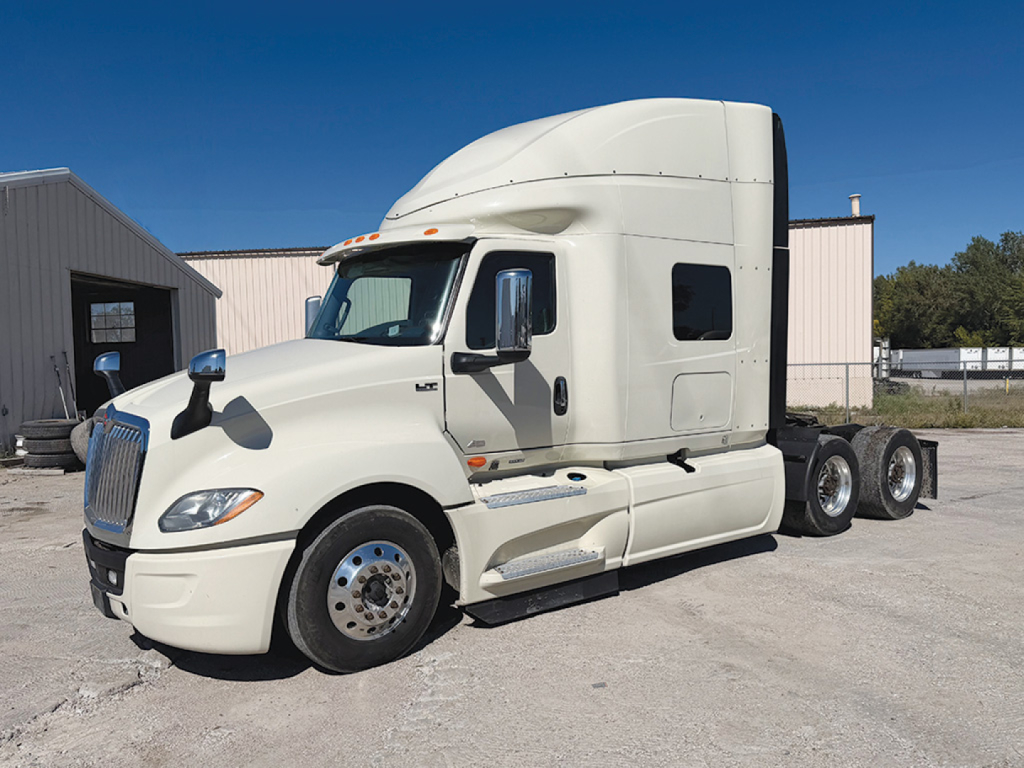
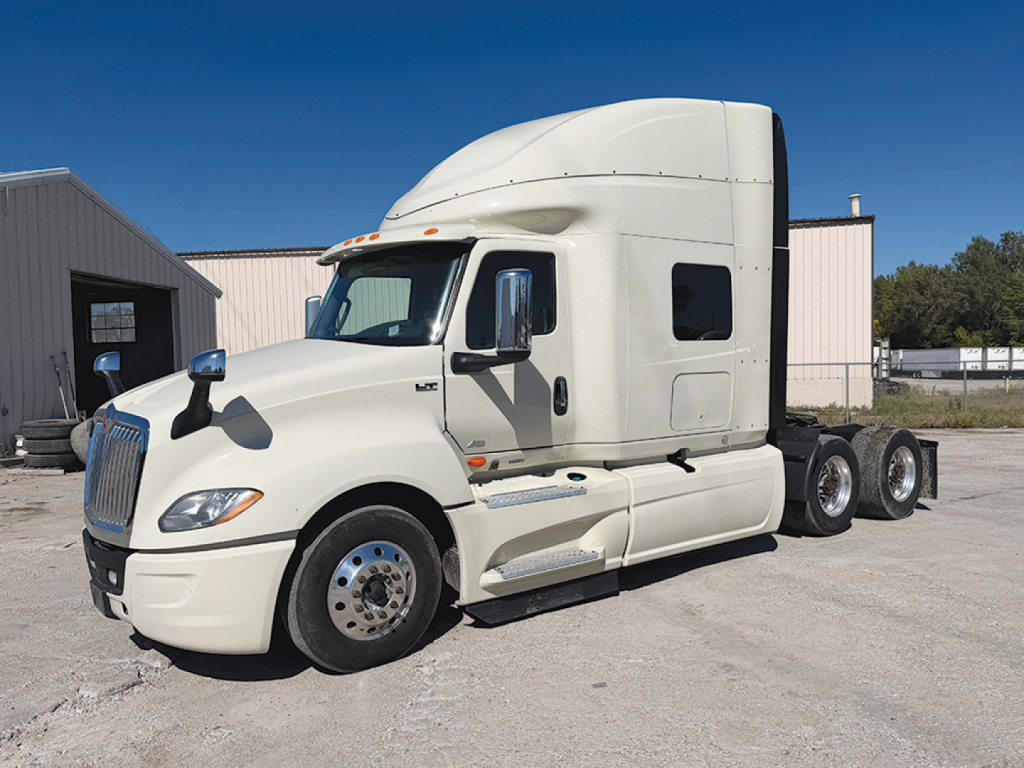

Selling a used 2022 conventional sleeper truck? List your used 2022 conventional sleeper truck for sale and reach thousands of commercial buyers.
Used 2022 Conventional Sleeper Trucks in Nebraska
Most 2022 conventional sleepers in this segment are aerodynamic highway tractors such as the Volvo VNL, Freightliner Cascadia, and similar 6x4 sleeper configurations. Typical power comes from engines in the 425 to 500-plus horsepower range, paired with automated manual transmissions like the Volvo I-Shift or Detroit DT12, though some owner-operator focused trucks still carry a manual gearbox. A 40,000-pound tandem, air ride suspension, and disc brakes are common specs worth confirming because they affect payload flexibility, ride quality, and stopping performance. Rear axle ratios in the mid-2s to low-3s are common for fuel economy focused linehaul work, while higher ratios make more sense when the truck is expected to pull heavier freight or operate in more varied terrain.
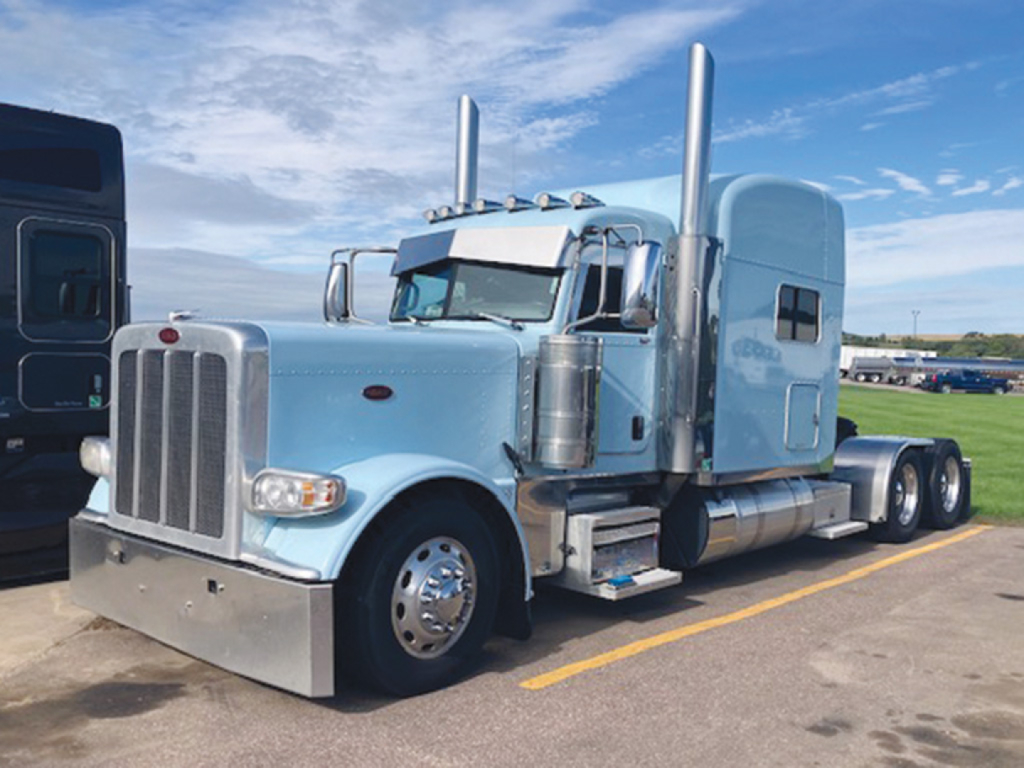
Sleeper configuration matters as much as drivetrain. A 72-inch raised-roof sleeper is one of the most practical layouts for general over-the-road use, while larger premium sleepers add comfort for teams and drivers staying out for longer stretches. Check for an APU or bunk heater if idle reduction matters, and pay attention to details like air-slide fifth wheel, fuel capacity, wheelbase, fairings, and tire size. A wheelbase around the high-220-inch range is common on fleet-spec aero sleepers and usually balances trailer swing clearance with manageable maneuverability. Longer wheelbase conventionals, including extended-hood models, trade some turning ease for ride quality, appearance, and room for owner-operator style customization.
When comparing used 2022 conventional sleeper trucks, focus on how the original spec lines up with the freight you actually haul. A fuel-efficient aero tractor with a 425 to 455 horsepower engine and automated transmission works well for van, reefer, and general interstate freight. A higher-horsepower setup, heavier gearing, or longer hood can be better suited to specialized hauling or buyers who prioritize serviceability and driver preference. Maintenance history, aftertreatment condition, brake and tire wear, warranty carryover, and cab condition are just as important as brand. On a late-model sleeper, the right combination of drivetrain, sleeper amenities, and axle spec usually determines long-term operating cost more than the badge on the grille.
Frequently Asked Questions about Used 2022 Conventional Sleeper Trucks in Nebraska
What is a conventional sleeper truck?
A conventional sleeper truck is a highway tractor with the engine mounted ahead of the cab and a built-in sleeping compartment behind the seats. It is also commonly called a sleeper tractor or sleeper semi truck. Compared with a day cab, a conventional sleeper is designed for over-the-road service, team driving, and runs that require overnight rest in the truck.
What specs matter most on a used 2022 conventional sleeper truck?
The most important specs are engine make and horsepower, transmission type, rear axle ratio, tandem rating, wheelbase, sleeper size, and idle reduction equipment. Buyers should also confirm brake type, fuel tank capacity, suspension, fifth wheel setup, and tire size. On a 2022 model, those choices have a direct effect on fuel economy, drivability, payload suitability, and resale appeal.
Is an automated manual transmission a good choice in a sleeper tractor?
For many fleets and many owner-operators, yes. Automated manual transmissions such as the Volvo I-Shift and Detroit DT12 are common in late-model conventional sleepers because they improve shift consistency, reduce driver fatigue, and can help fuel economy. A manual transmission may still appeal to buyers in specialized applications or those who prefer direct control, but the market for 2022 highway sleepers is heavily automated.
What sleeper size is best for over-the-road hauling?
A 72-inch raised-roof sleeper is one of the most common and practical choices for over-the-road freight. It provides enough space for an upper bunk, storage, and comfort features like a refrigerator or workstation without becoming too specialized. Larger premium sleepers make sense for team operations or drivers who stay out for long periods, while smaller sleepers may be adequate for regional work with fewer nights on the road.
What should Nebraska buyers watch for on a used sleeper truck?
Nebraska buyers should pay close attention to gearing, idle reduction equipment, and overall highway spec because many trucks in the state spend time on long, open interstate routes and in winter conditions. A bunk heater or APU can reduce idle time during cold weather, while the right axle ratio supports efficient cruising across the Plains. It is also smart to inspect fairings, brakes, tires, and aftertreatment condition closely because those items strongly affect operating cost on high-mileage road tractors.