
Used Peterbilt Conventional Sleeper Trucks For Sale in Nebraska
Shop used Peterbilt conventional sleeper trucks for sale, including 389, 579, and 587 models with high-roof sleepers for long-haul work.
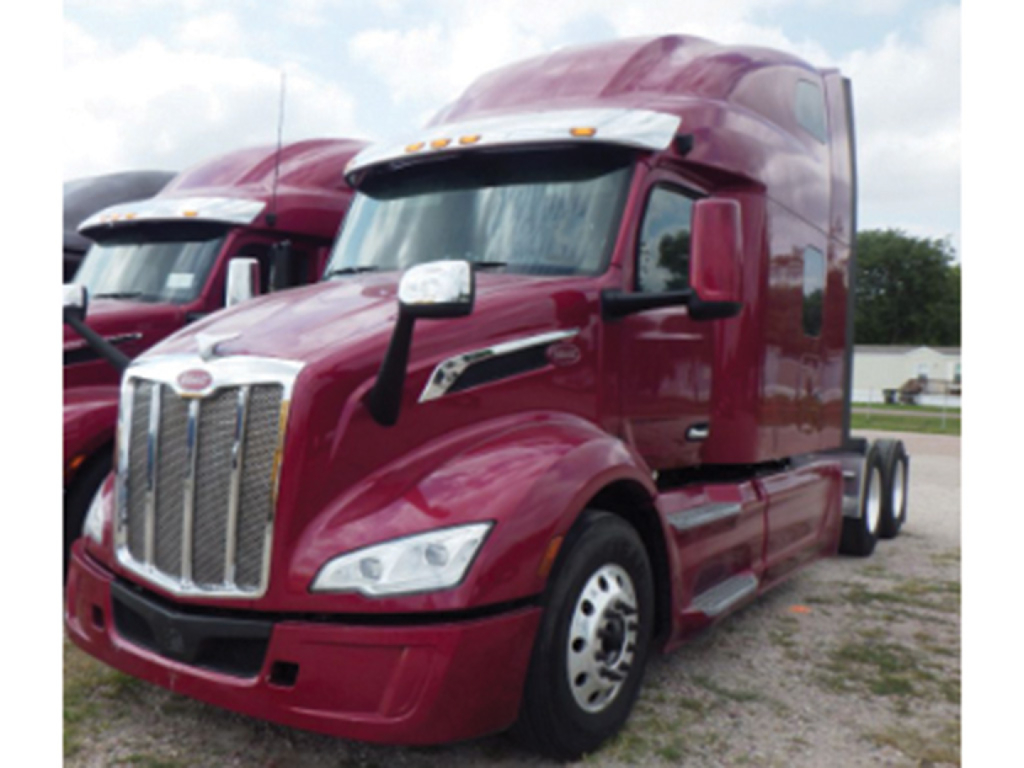
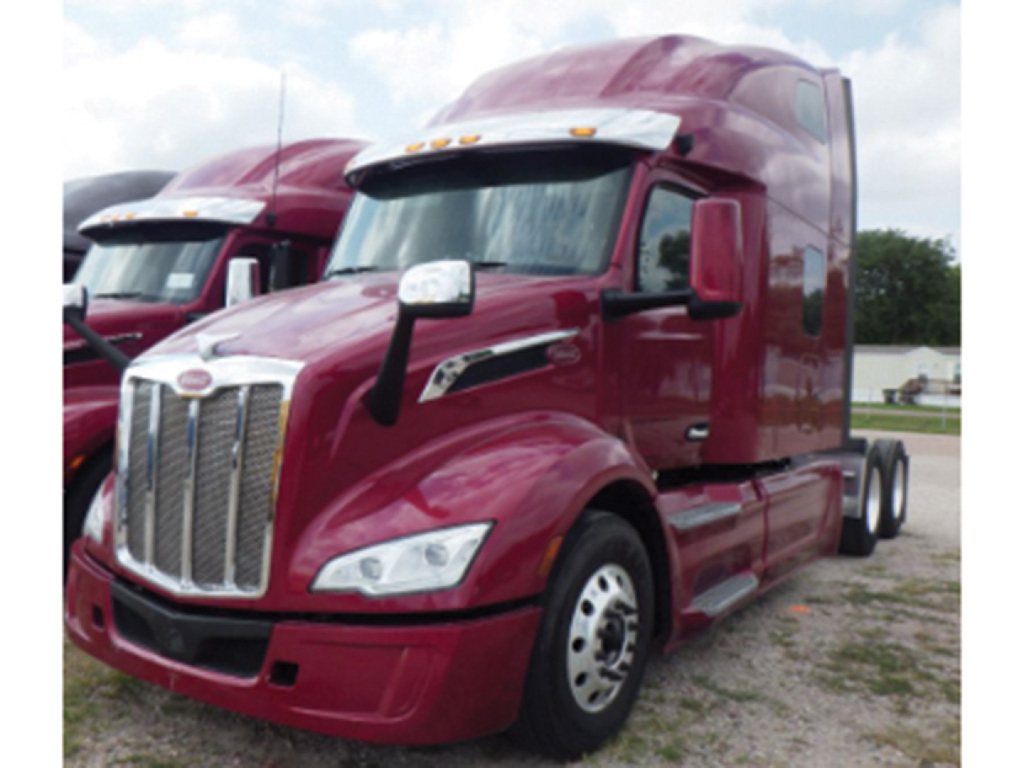
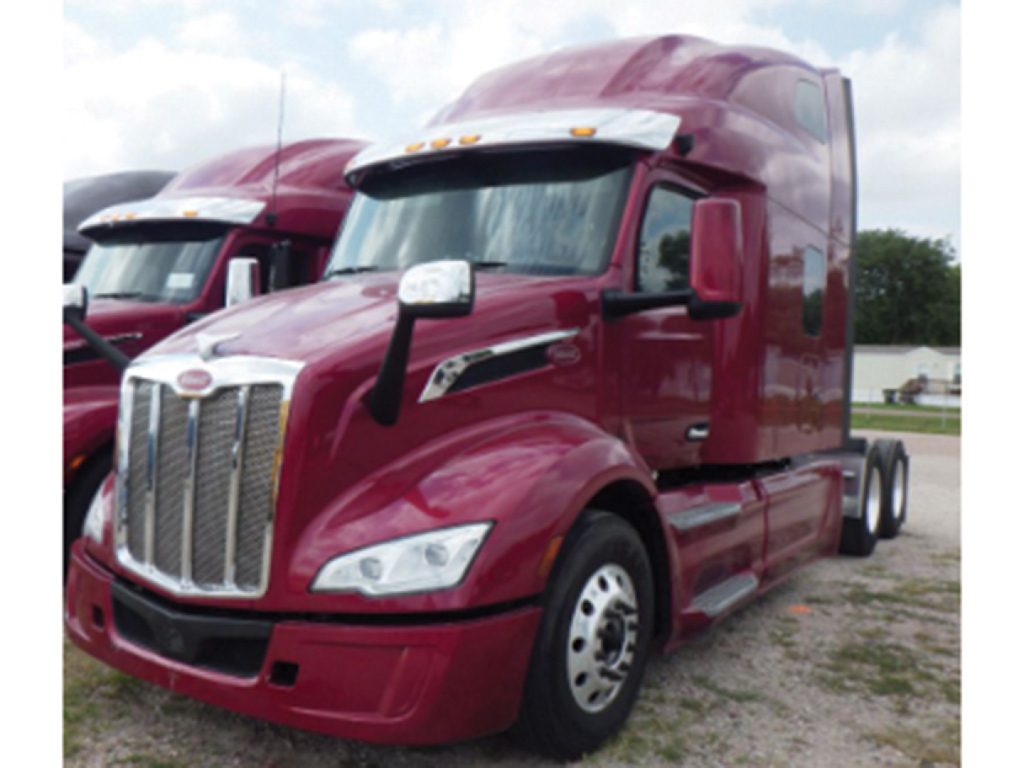
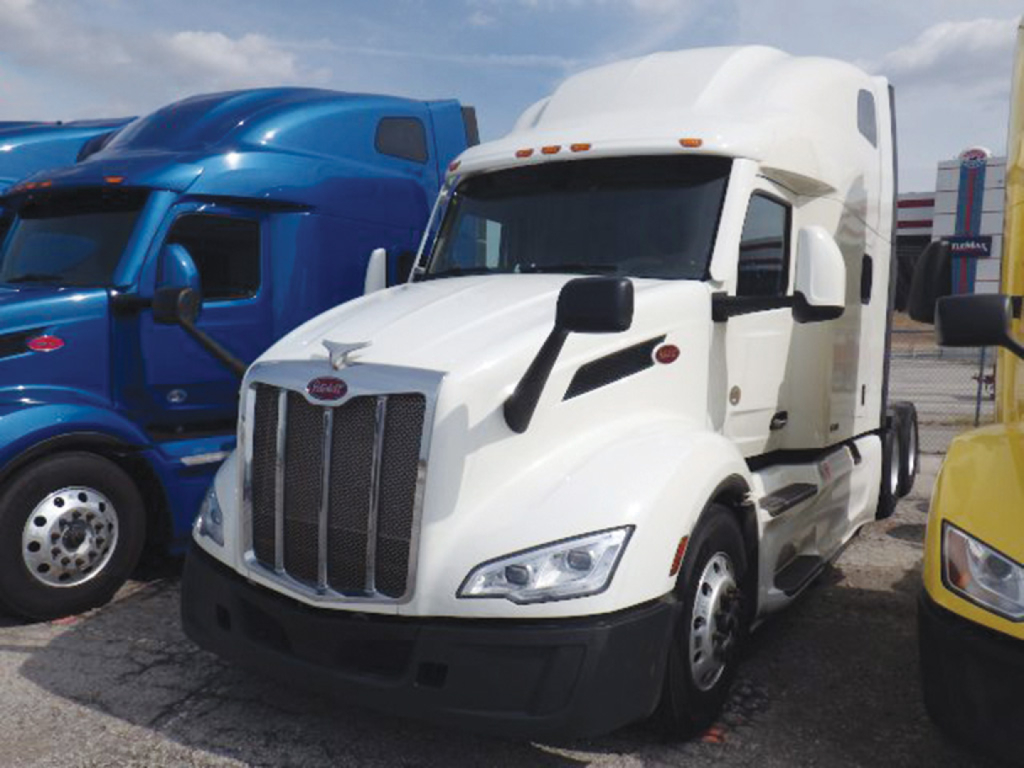
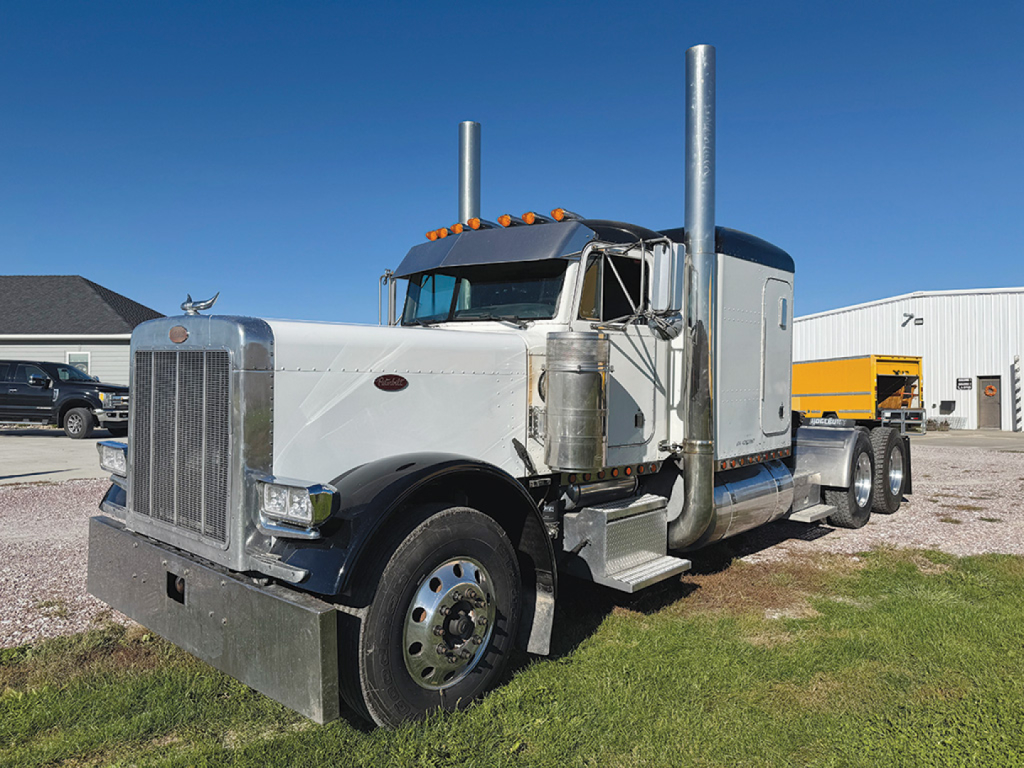
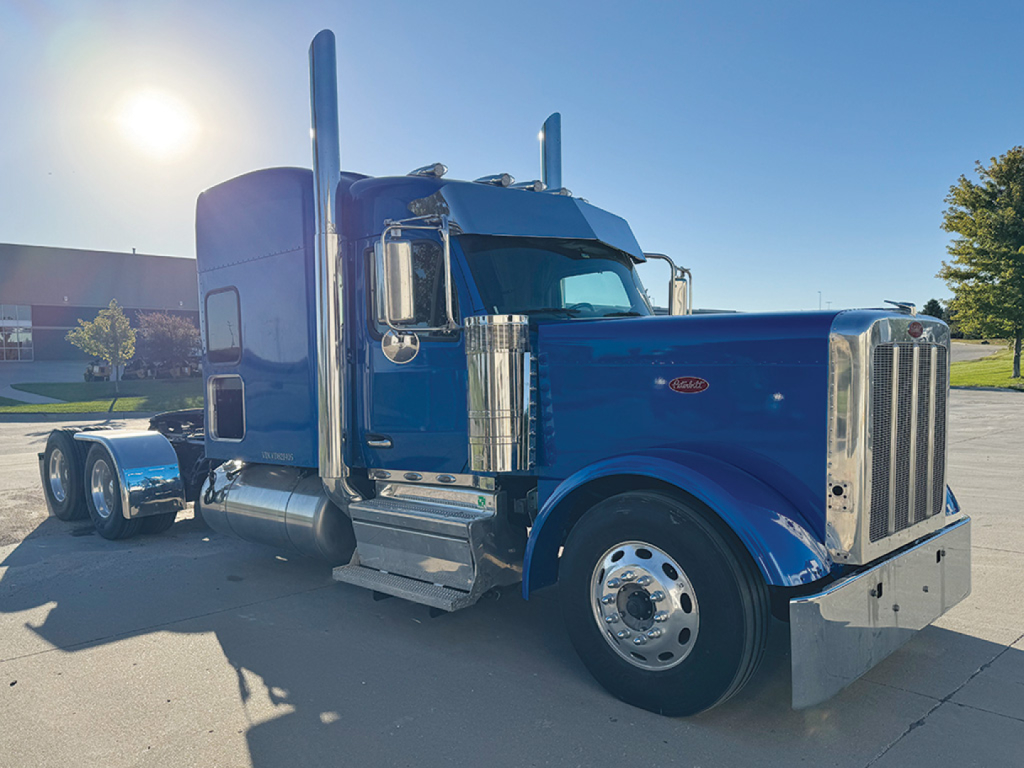
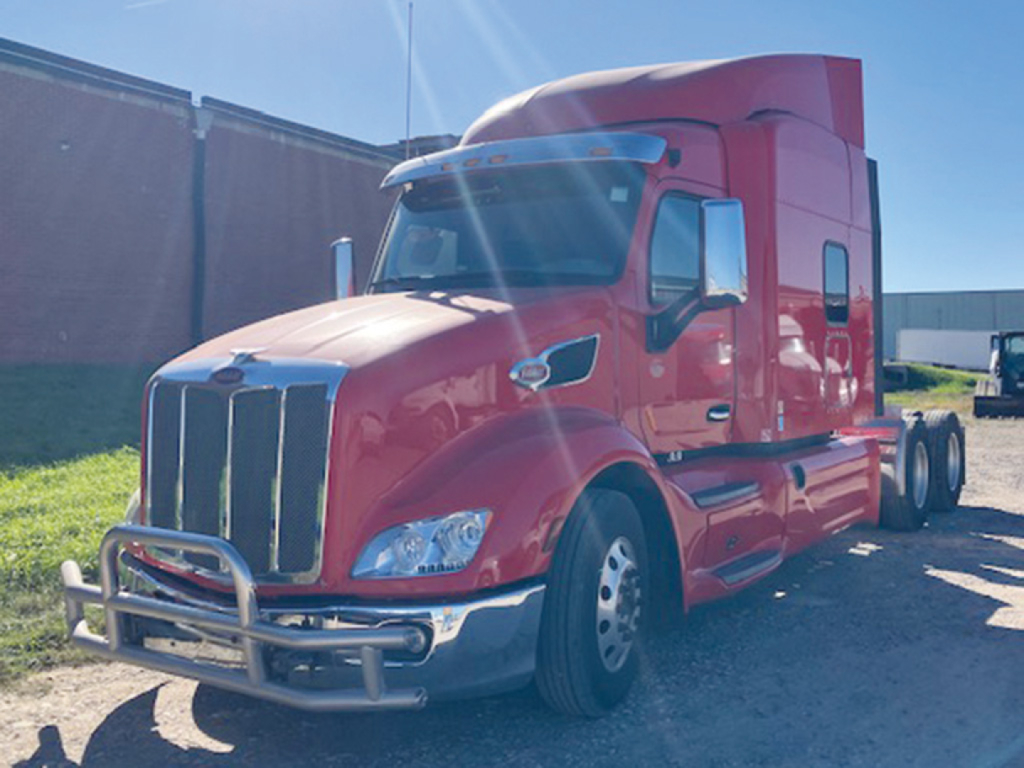
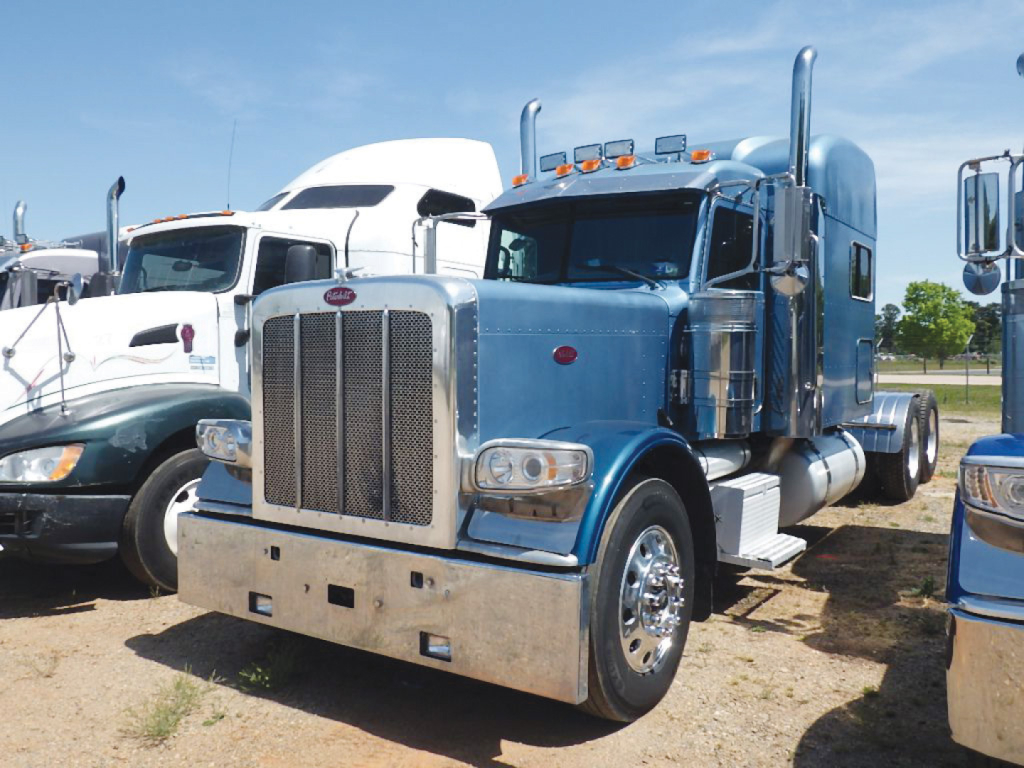
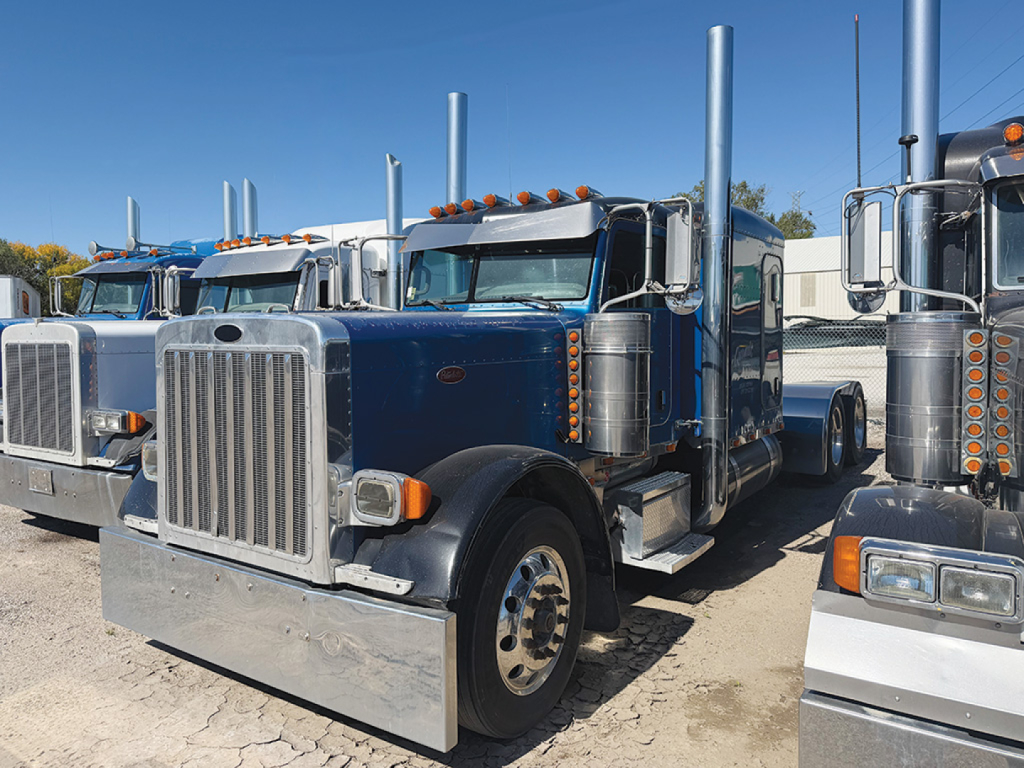
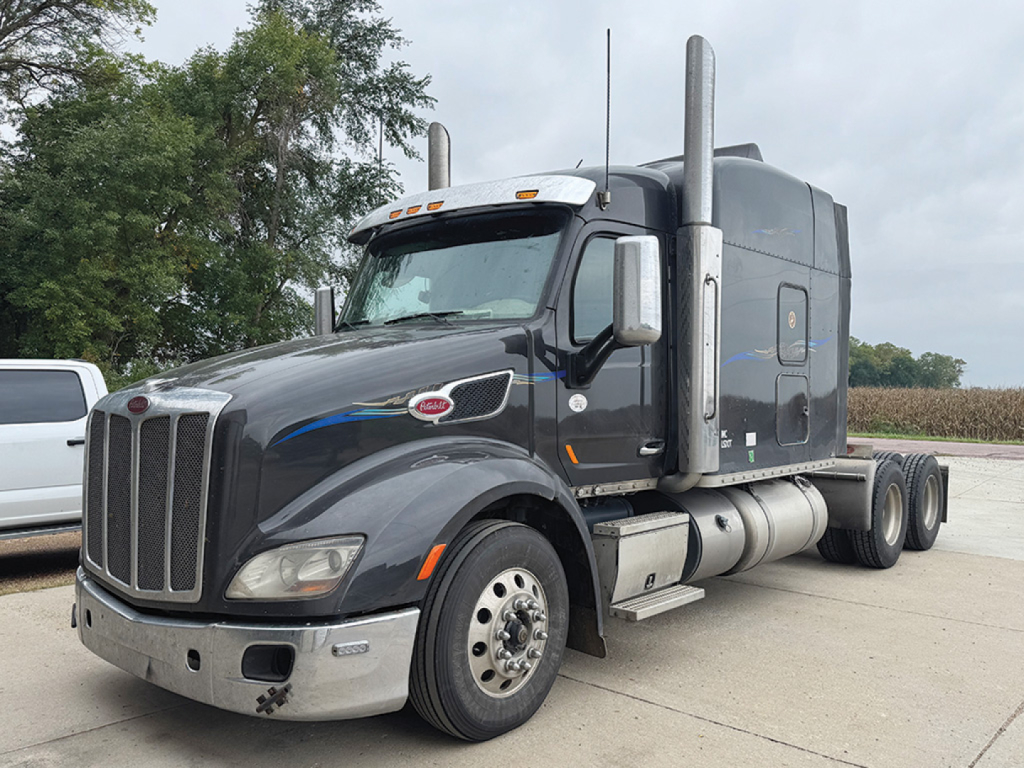
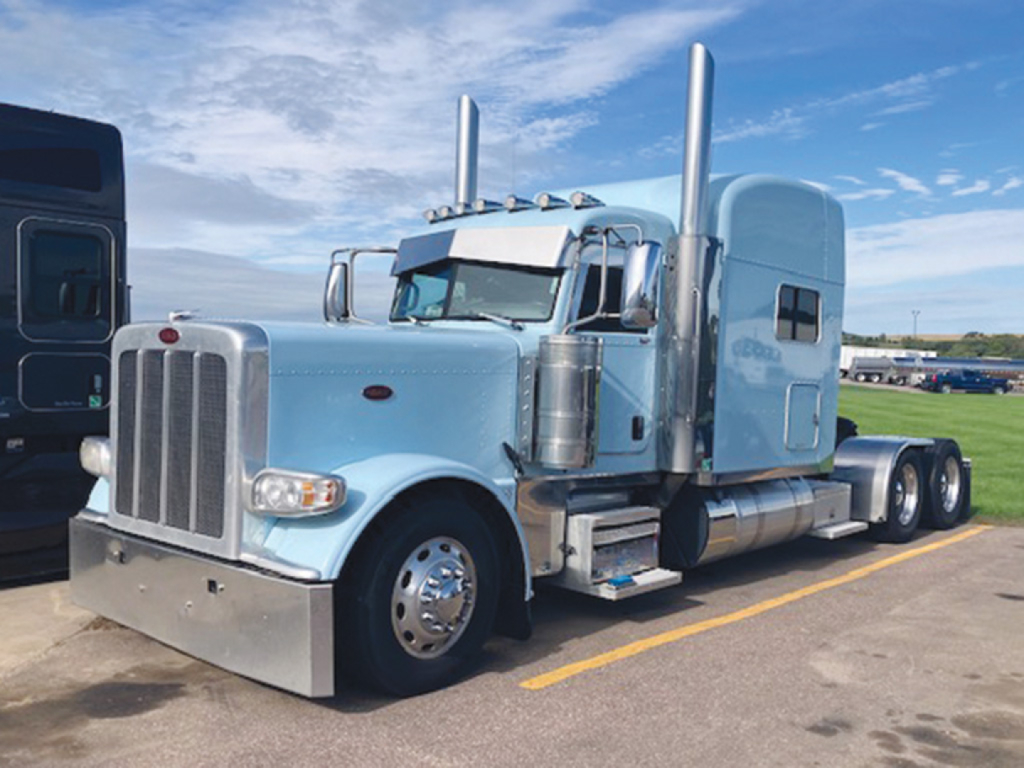
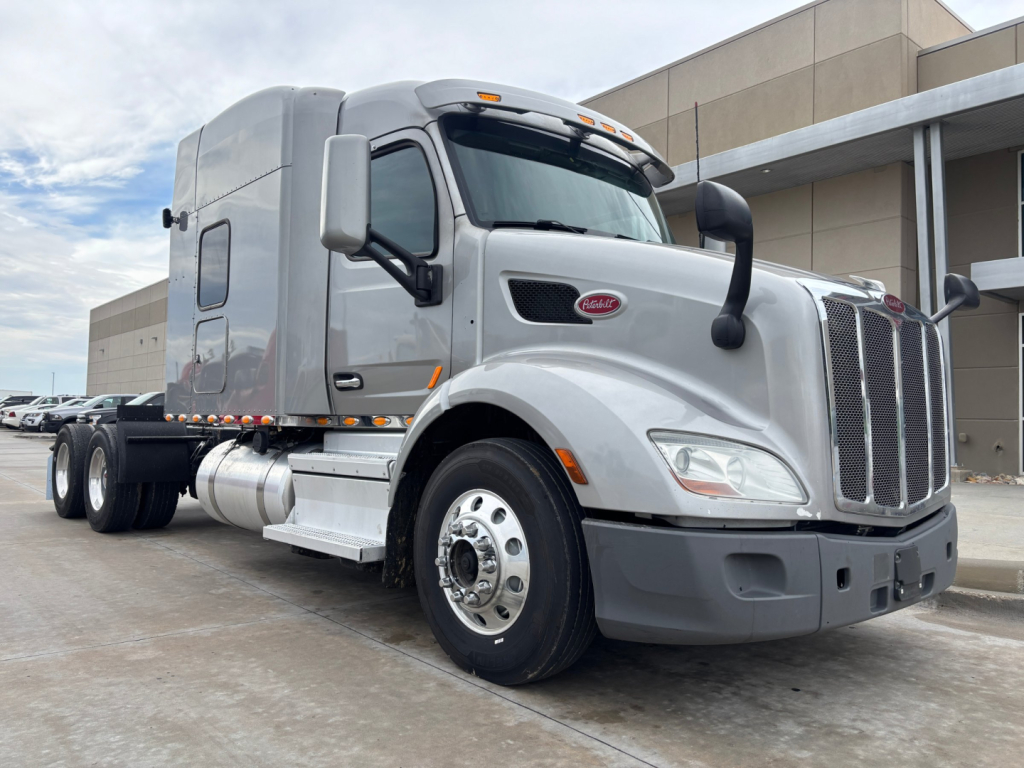

Selling a used peterbilt conventional sleeper truck? List your used peterbilt conventional sleeper truck for sale and reach thousands of commercial buyers.
Used Peterbilt Conventional Sleeper Trucks in Nebraska
The spec sheet tells you where a Peterbilt sleeper will fit best. Common engines in this category include the PACCAR MX-13, Cummins ISX15, and Cummins X15, typically in the 450 to 510 horsepower range with engine brakes. Transmissions can range from 10-speed and 13-speed manuals to automated options, and that choice affects both driver availability and duty cycle. Rear axle ratings around 40,000 pounds are common, along with ratios such as 2.79, 3.36, 3.42, and 3.73. Lower ratios generally favor fuel economy and highway speed, while deeper ratios better suit heavier loads, vocational crossover work, or buyers who want stronger pull with a manual transmission. Wheelbases in the 240-inch to 280-inch range are also common, so it is worth checking turning radius, bridge law needs, and trailer compatibility before narrowing your search.
Sleeper configuration is a major value point in this category. Peterbilt Unibilt sleepers in 72-inch and 78-inch stand-up or high-roof layouts are common on used conventional sleepers, often equipped with upper bunks, refrigerators, bunk heaters, APUs, and premium interior trim. Those features directly affect idle reduction, driver comfort, and retention, especially for teams or fleets running multi-day lanes. Other useful details include air-ride suspension, air-slide or adjustable fifth wheels, aluminum fuel tanks, power windows, tilt and telescoping steering, and disc or drum brake setups depending on the spec. Buyers comparing a 389 to a 579 should also pay attention to exterior setup like dual stacks, horizontal exhaust, cab extenders, headache racks, and fairings, since those choices influence both appearance and operational efficiency.
Condition matters more than badge loyalty in the used market, so the best buy is usually the truck with the right maintenance history and driveline match for the freight. Look closely at emissions system service records, clutch life on manual units, suspension wear, tire spec consistency, and any signs of frame or fifth wheel abuse. On aerodynamic Peterbilts, inspect fairings, hood alignment, and sleeper seals. On 389 models, pay extra attention to wheelbase-dependent applications, steer tire wear, and how cosmetic accessories may or may not reflect mechanical upkeep. A used Peterbilt conventional sleeper with a solid service file, sensible gearing, and a sleeper package that matches the route can deliver strong uptime and hold value well over the long term.
Frequently Asked Questions about Used Peterbilt Conventional Sleeper Trucks in Nebraska
What is the difference between a Peterbilt 389 and a Peterbilt 579 sleeper truck?
The Peterbilt 389 is a long-hood conventional that is commonly chosen for owner-operator appeal, traditional styling, and heavier or more specialized specs. The Peterbilt 579 is an aerodynamic highway tractor designed with fuel efficiency, visibility, and long-haul fleet use in mind. A 389 often carries longer wheelbases, more chrome, and manual transmission combinations, while a 579 more often appears with aero bodywork, automated transmissions, and fuel economy-focused axle ratios.
What engine and horsepower ranges are common in used Peterbilt conventional sleeper trucks?
Used Peterbilt conventional sleepers are commonly equipped with PACCAR MX-13, Cummins ISX15, or Cummins X15 engines. Horsepower often falls in the 450 to 510 HP range, which is suitable for most over-the-road freight, refrigerated hauling, and many heavier applications. The right choice depends less on peak horsepower alone and more on torque rating, axle ratio, transmission pairing, and the type of trailer and terrain the truck will handle.
What sleeper size is best for over-the-road use?
A 72-inch to 78-inch stand-up or high-roof sleeper is a common sweet spot for over-the-road operation because it balances driver comfort with tractor weight and wheelbase. A larger sleeper with an upper bunk, refrigerator, bunk heater, and APU can be especially valuable for teams or trucks staying out for extended periods. Buyers should match sleeper size to route length, home time, storage needs, and any bridge or overall length considerations.
Are manual or automatic transmissions better in a used Peterbilt sleeper?
Manual transmissions still appeal to many buyers in models like the 389 because they offer driver control and are often paired with performance-oriented or heavy-haul-friendly specs. Automated transmissions can improve consistency, reduce driver fatigue, and widen the potential driver pool, especially in fleet service. The better choice depends on driver preference, maintenance support, terrain, and whether the truck is being bought for a single experienced operator or a broader hiring environment.
What should I inspect first on a used Peterbilt conventional sleeper truck?
Start with maintenance records, engine and emissions history, transmission condition, and axle ratio confirmation. Then inspect suspension components, brakes, tire wear patterns, fifth wheel operation, frame condition, and sleeper equipment such as HVAC, bunk heater, refrigerator, and APU if equipped. On aerodynamic models, damaged fairings and poor hood alignment can signal expensive neglected repairs, while on long-wheelbase 389 trucks, steer axle wear and driveline setup deserve close attention.