
Used Trailers For Sale in Ohio
Browse used trailers for sale in Ohio, including flatbeds, lowboys, dry bulk tanks, and other spec-driven options for regional and over-the-road work.
Showing 29 to 34 of 34 results
Selling a used trailer? List your used trailer for sale and reach thousands of commercial buyers.
Used Trailers in Ohio
Flatbed trailers remain one of the most common used trailer types in the state, especially 48-foot and 53-foot aluminum models built for steel, building products, machinery, and general freight. Key details include aluminum versus steel construction, air ride suspension, fixed or sliding tandem setups, kingpin setting, crossmember spacing, coil package reinforcement, winch tracks, sliding winches, pipe spools, nail strips, and stake pockets. On lightweight flats, buyers usually compare empty weight against payload capacity, then check deck condition, side rail wear, and whether the trailer has disc brakes or tire inflation systems. In Ohio freight lanes, a well-spec'd flatbed with a coil package and legal axle spread can be especially valuable for steel and manufacturing freight.
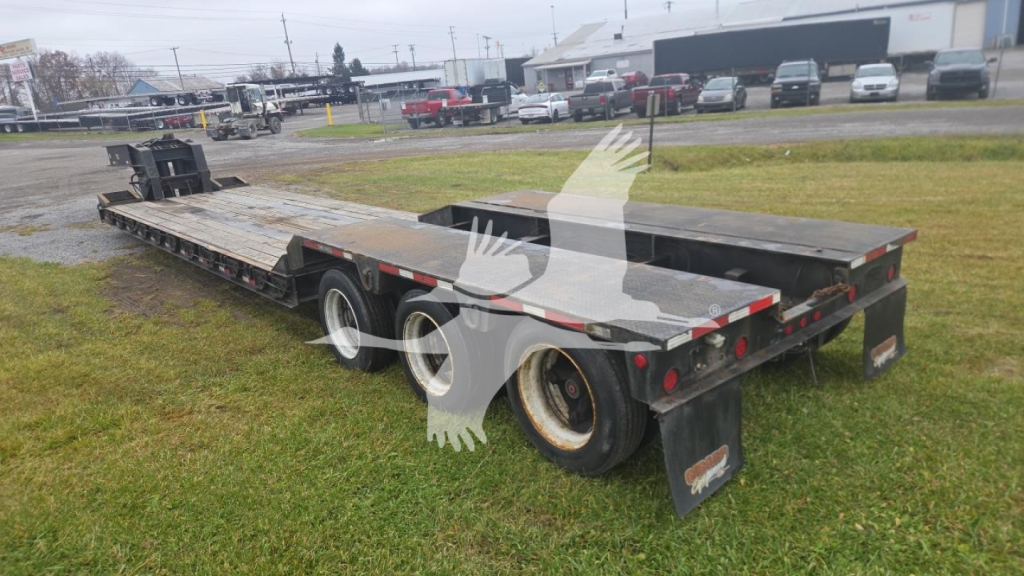
Lowboy trailers, including removable gooseneck and ground-bearing RGN configurations, are built for equipment that cannot ride on a standard deck height. Buyers should focus on rated capacity, loaded deck height, neck style, axle count, outriggers, D-rings, ramp design, and whether the rear bogie or neck has modular capability. A lower deck height can make the difference on legal height with construction and paving equipment, while axle spacing and lift axle setup affect bridge compliance and maneuverability. On older used lowboys, condition of the gooseneck hydraulics, suspension, deck structure, brake system, and concentrated load areas matters more than paint.
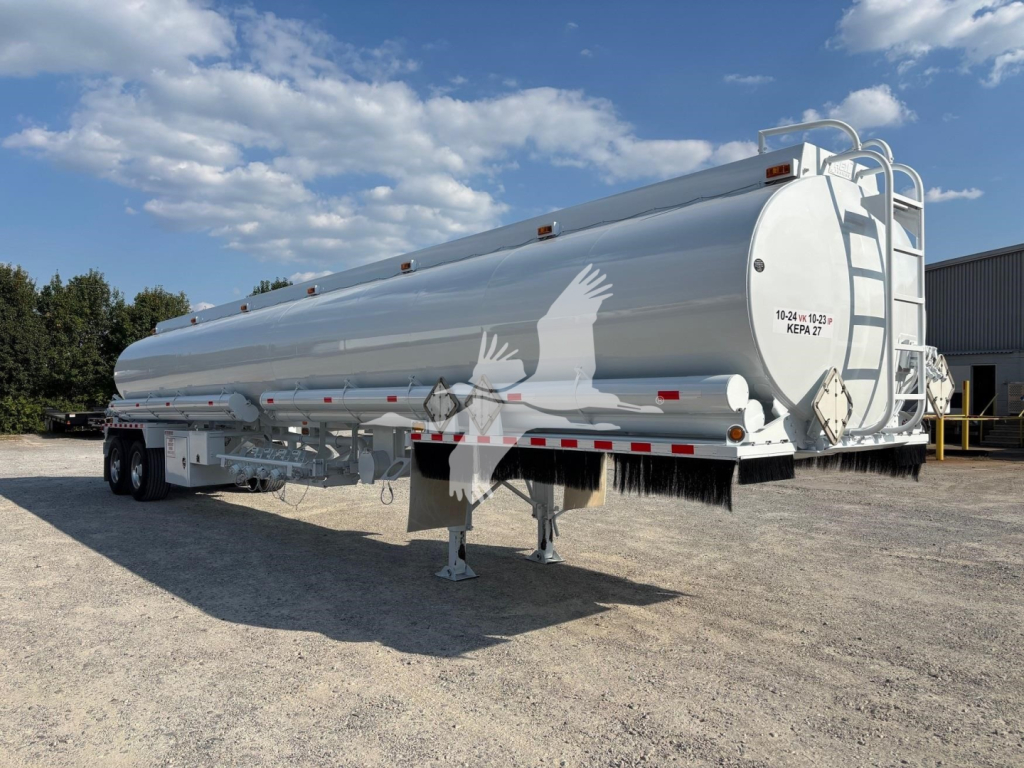
Pneumatic dry bulk trailers are another important used trailer segment, especially for cement, lime, sand, and other dry commodities moving to plants, terminals, and job sites. Capacity is usually measured in cubic feet, with hopper count, barrel material, discharge plumbing, tees, and blower compatibility all affecting how the trailer performs in service. Aluminum barrels help control tare weight, while steel piping and structural components may need closer inspection for wear or corrosion. Across all used trailers, serious buyers in Ohio tend to evaluate axle and suspension specs, wheel-end condition, landing gear, lighting, frame integrity, and service history first, then match the trailer to commodity, route, and state weight requirements.
Frequently Asked Questions about Used Trailers in Ohio
What should I look for first when buying a used trailer in Ohio?
Start with the structure, running gear, and compliance items before looking at appearance. Check the frame or substructure for cracks, corrosion, weld repairs, and signs of overload. Review axle alignment, suspension wear, brake condition, tire age and tread, wheel-end service, lighting, and landing gear operation. In Ohio, prior exposure to road salt makes underbody corrosion, air line condition, and electrical issues especially important on used trailers.
What is the difference between a 48-foot and 53-foot flatbed trailer?
A 48-foot flatbed is often preferred where maneuverability and certain loading patterns matter, while a 53-foot flatbed offers more deck space for lighter, longer freight. The tradeoff is usually tare weight, axle placement, and how easily the trailer can scale legally with specific commodities. Buyers hauling steel, machinery, or mixed open-deck freight should compare bridge law flexibility, kingpin setting, suspension spread, and deck spec before choosing strictly by length.
Why does a coil package matter on a used flatbed trailer?
A coil package adds concentrated load support for hauling steel coils by reinforcing the deck area, often with additional crossmembers and securement-friendly layout. Even if coils are not the primary freight, a flatbed with a proper coil package can be more versatile in industrial freight markets. Buyers should still inspect the coil area closely for deck damage, bent members, and side rail stress because concentrated loads can accelerate wear if the trailer was worked hard.
How do I evaluate a used lowboy or RGN trailer?
Focus on capacity and structural condition first. Verify the ton rating, deck dimensions, loaded deck height, axle configuration, neck type, and the condition of the detachable gooseneck system. Inspect hydraulic components, locking mechanisms, outriggers, D-rings, suspension, and brake components. On older lowboys, repairs around the neck connection, main beam, and deck transition are critical because those are high-stress areas in heavy-haul service.
What matters most on a used pneumatic dry bulk trailer?
The key items are cubic-foot capacity, barrel condition, hopper layout, discharge plumbing, and overall air-tight integrity. Buyers should inspect the barrel for cracks or patchwork, check manholes and seals, review the condition of the piping and tees, and confirm the trailer is spec'd for the commodity being hauled. A dry bulk trailer used for cement may have very different wear patterns than one used for lighter products, so commodity history and discharge system condition are major buying factors.