
Used Lowboy Trailers For Sale in Ohio
Browse used lowboy trailers in Ohio. Compare detachable gooseneck, axle setups, deck height, and capacity for heavy equipment hauling.
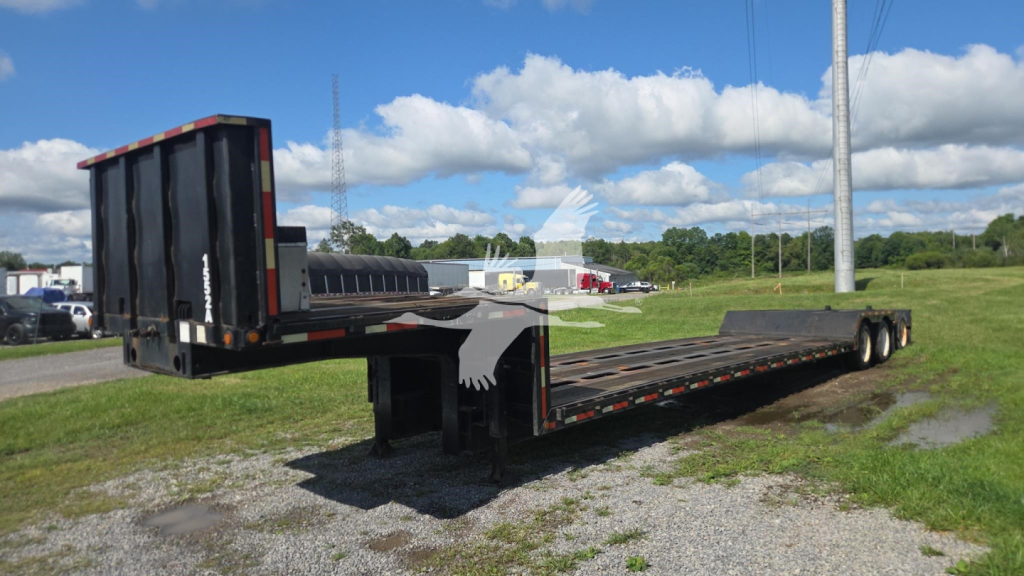
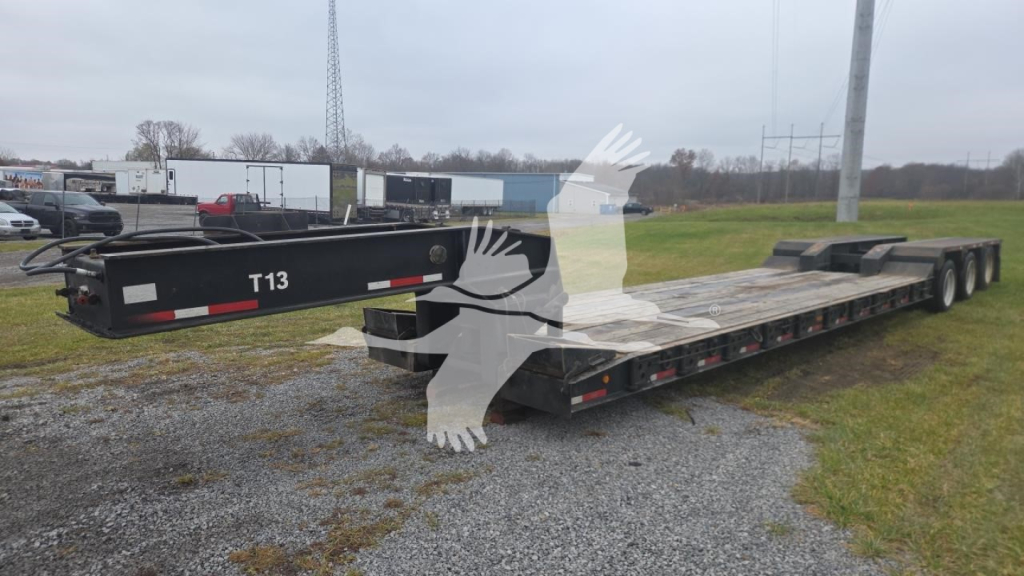
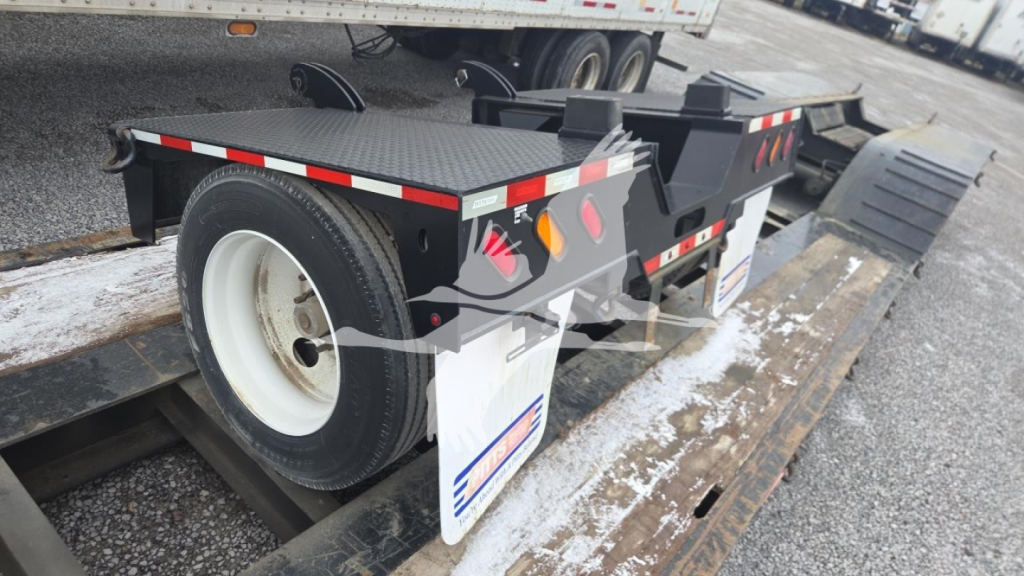
Have used lowboy trailer to sell? List it here to reach thousands of buyers.
Used Lowboy Trailers in Ohio
Capacity ratings vary widely, and the listed tonnage only tells part of the story. A 35-ton, 50-ton, or heavier lowboy must be matched to the load concentration, deck length, axle spacing, and the tractor it will run behind. Buyers should pay close attention to loaded fifth wheel height, kingpin setting, gooseneck style, and whether the suspension is air ride or a more specialized setup. Common used trailer specs in this category include 102-inch width, deck heights around the low 20-inch range, Apitong or wood flooring, chain drops, D-rings, swing-out outriggers, and flip axle provisions. On heavier units, modular rear bogies, non-ground-bearing or ground-bearing detachable necks, and raise-lower valves can make a real difference in day-to-day loading and permit flexibility.
Condition matters more on a used lowboy than on many other trailer types because these trailers live hard lives under concentrated loads. Crossmember integrity, neck operation, suspension condition, brake life, tire matching, frame repairs, deck wear, and ramp or flip-neck function all deserve a close inspection. Look carefully at the deck surface around track paths, check for stress cracking near the neck and rear transition, and verify that air system components, lighting, and hydraulic functions work as intended. FHWA inspection status, recent brake and drum work, and the condition of outriggers, chain slots, and tie-down points can save substantial reconditioning cost after purchase.
For Ohio buyers, route type and application should drive the decision. Short-haul equipment moves between jobsites may favor a simpler trailer with strong tie-down options and easy serviceability. Multi-state heavy haul work usually calls for more capacity, better load adjustment, and compatibility with flip axles or booster configurations. Lowboy trailers are also commonly called lowbed trailers, double-drop trailers in some applications, or RGN trailers when equipped with a removable gooseneck, though those terms are not always interchangeable. The best used lowboy is the one whose deck length, loaded height, neck style, and legal axle configuration fit the exact machines you move most often.
Frequently Asked Questions about Used Lowboy Trailers in Ohio
What is the difference between a lowboy trailer and an RGN trailer?
A lowboy trailer refers to the general trailer class with a very low main deck for hauling tall, heavy equipment. An RGN, or removable gooseneck trailer, is a type of lowboy with a detachable front neck that allows equipment to be driven onto the deck from the front. Not every lowboy is an RGN, and not every buyer needs one. If fast loading of tracked or wheeled equipment is a priority, an RGN is usually the more versatile setup.
What should I inspect first on a used lowboy trailer?
Start with the frame, gooseneck, suspension, brakes, and deck structure. Look for cracked welds, repaired stress points, neck wear, uneven tire wear, poor brake condition, bent crossmembers, and damage where machinery tracks usually sit. On detachable models, confirm the neck detaches and reconnects properly and that hydraulic or pony motor systems operate correctly. A used lowboy can still be a strong value, but deferred maintenance on a heavy-haul trailer gets expensive quickly.
How do I know what capacity lowboy trailer I need?
Capacity should be based on the actual machine weight, weight distribution, attachment weight, and the legal axle setup you plan to run. A trailer rated for a certain tonnage may still be wrong for your application if the deck is too short, the load concentrates too much weight in one section, or the axle group does not fit permit requirements. Buyers should compare machine dimensions, loaded deck height, neck clearance, and axle configuration before focusing only on the advertised ton rating.
Are air ride suspensions common on used lowboy trailers?
Yes. Air ride suspension is common on many used lowboy trailers because it helps with ride quality, load protection, and deck height adjustment. Features like raise-lower valves can also help during loading and unloading. That said, suspension condition matters more than the label alone. Check for worn bags, bushing wear, axle alignment issues, and the general condition of the suspension components before buying.
What features matter most for hauling construction equipment in Ohio?
For construction equipment hauling in Ohio, deck height, detachable neck style, tie-down options, axle count, and serviceability are usually the key factors. Outriggers, chain drops, D-rings, and good deck flooring make loading and securement easier. If you run heavier or taller machines, compatibility with flip axles or other axle additions can be important for permit work. Buyers moving equipment between urban jobsites and rural routes also tend to value a trailer that balances maneuverability with legal load flexibility.