
Used Van Trailers For Sale in Ohio
Browse used van trailers for sale in Ohio. Compare 48-foot and 53-foot dry vans with air ride, swing or roll-up doors, and logistics options.
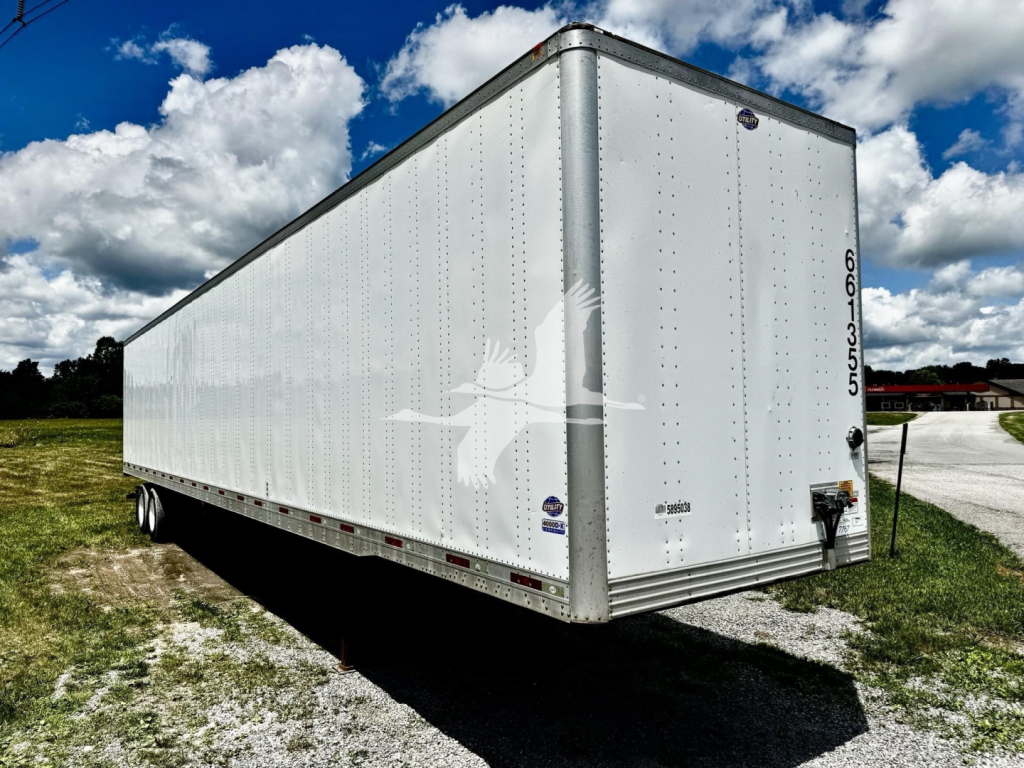
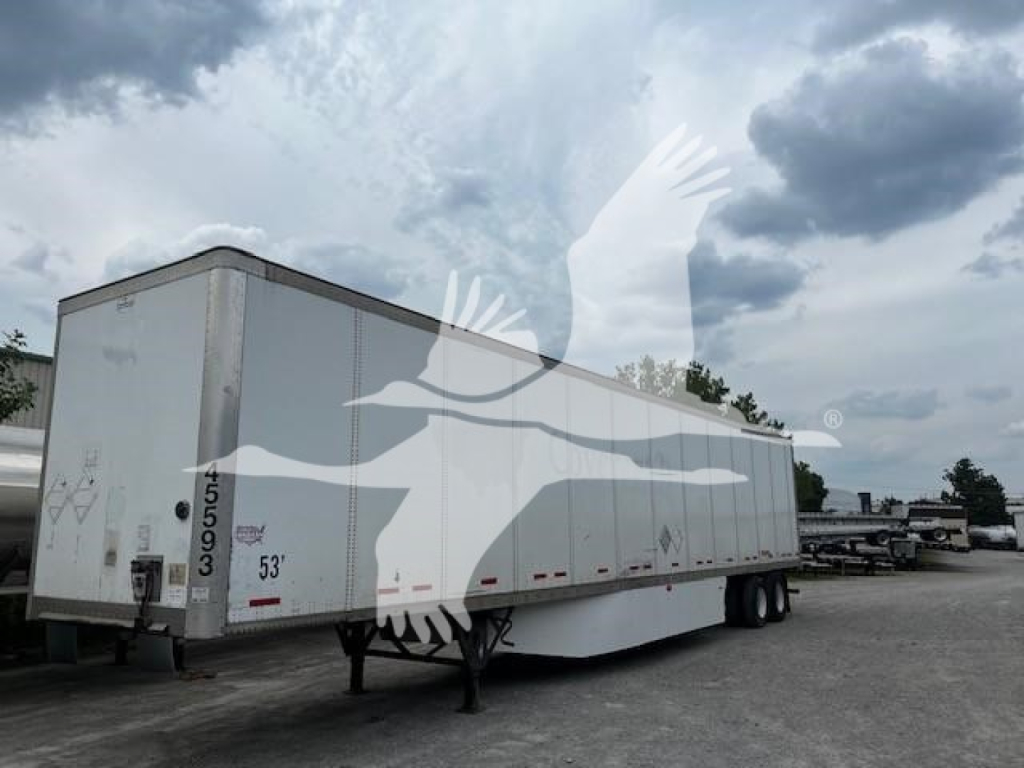
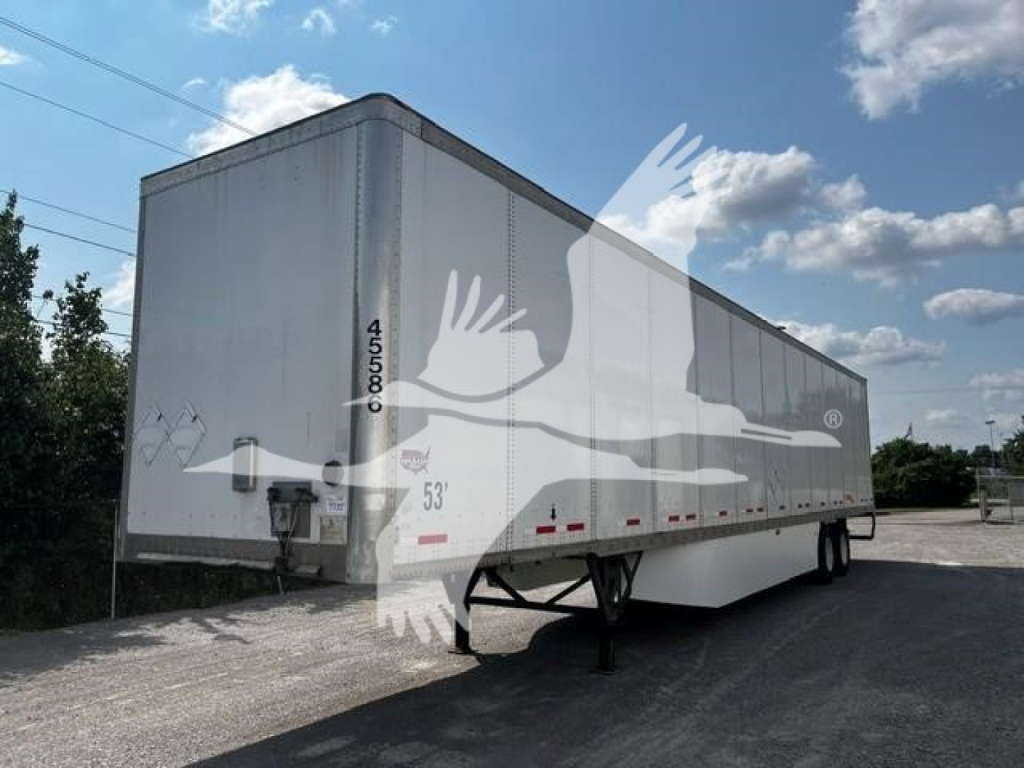
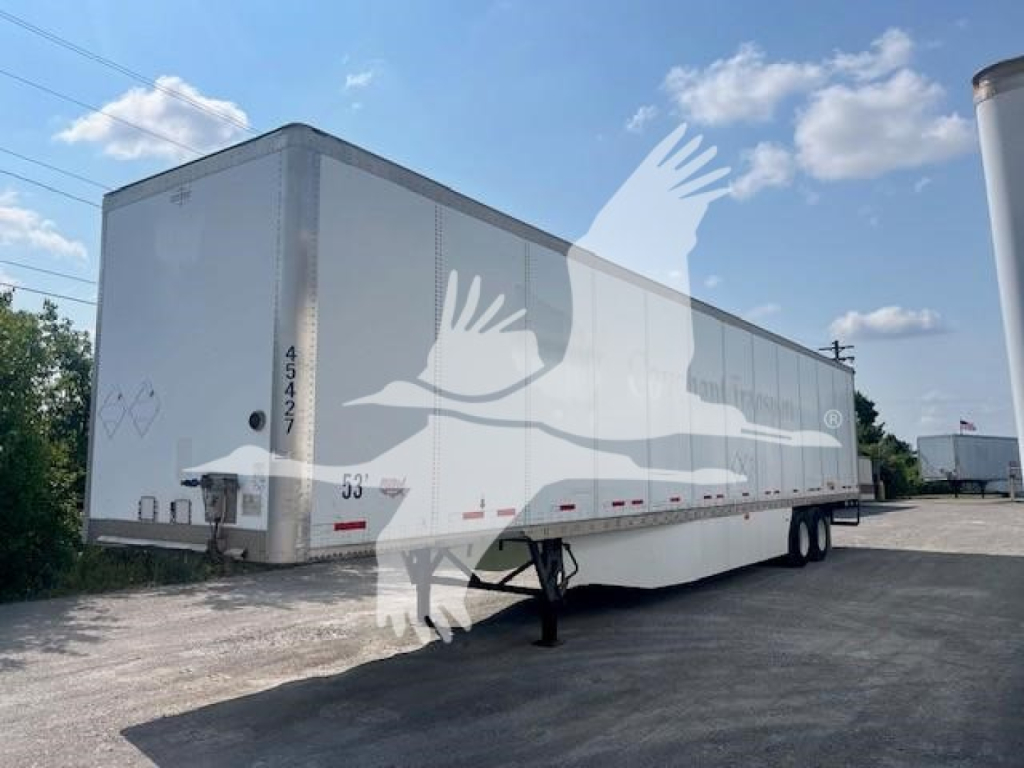
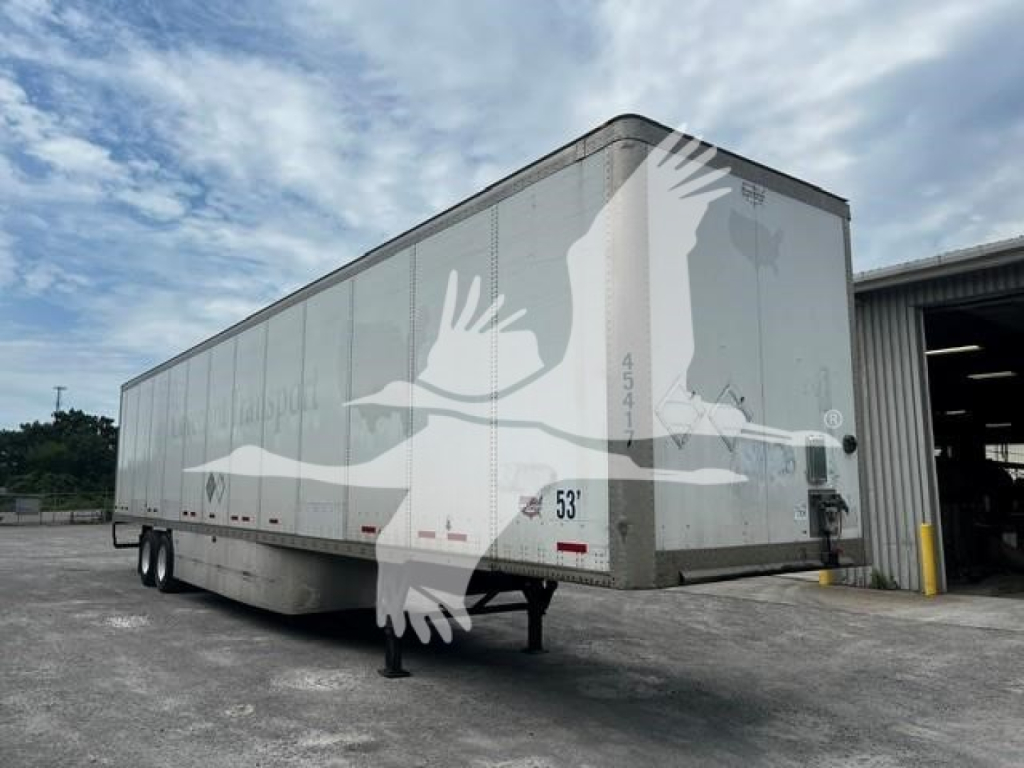
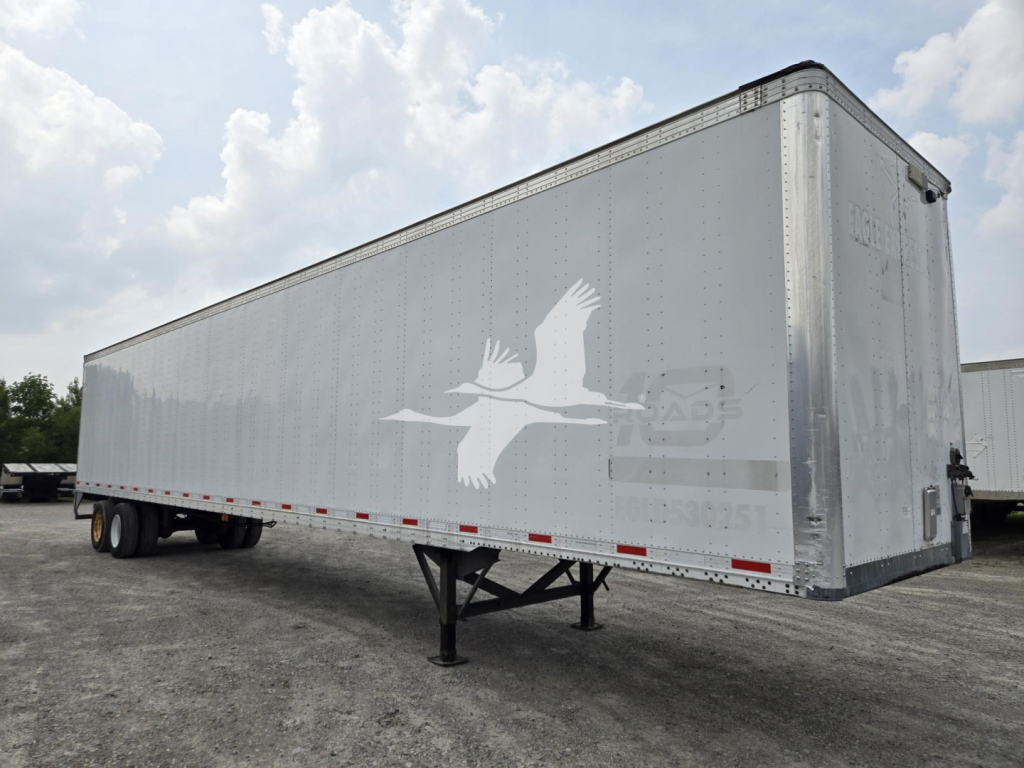
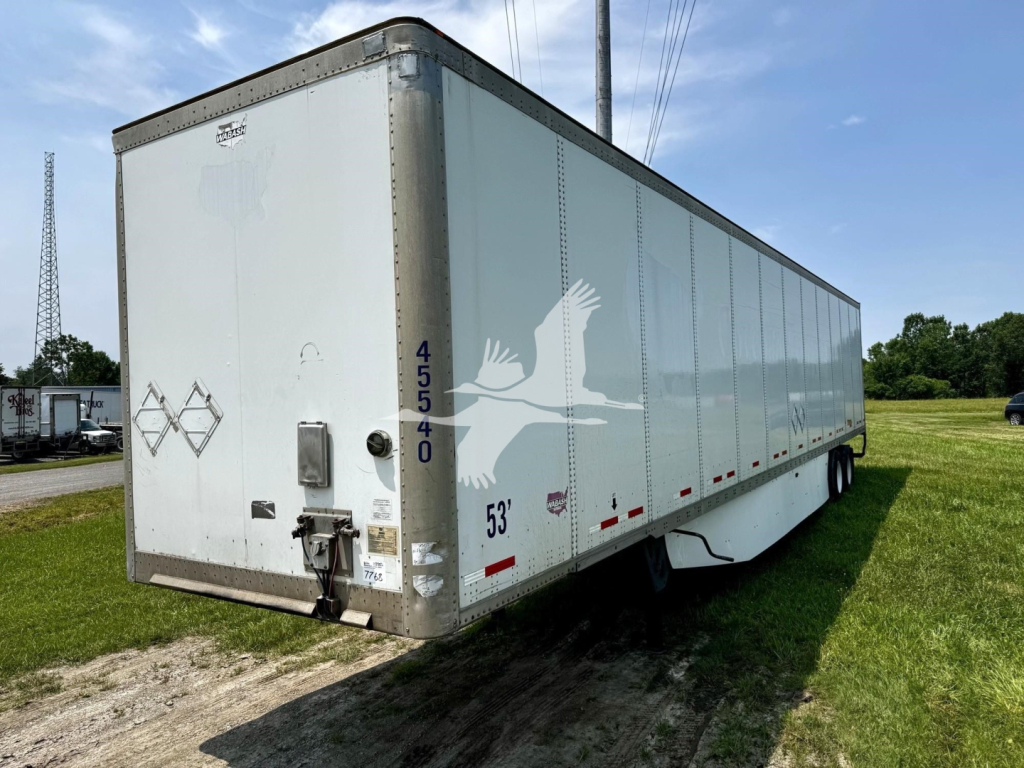
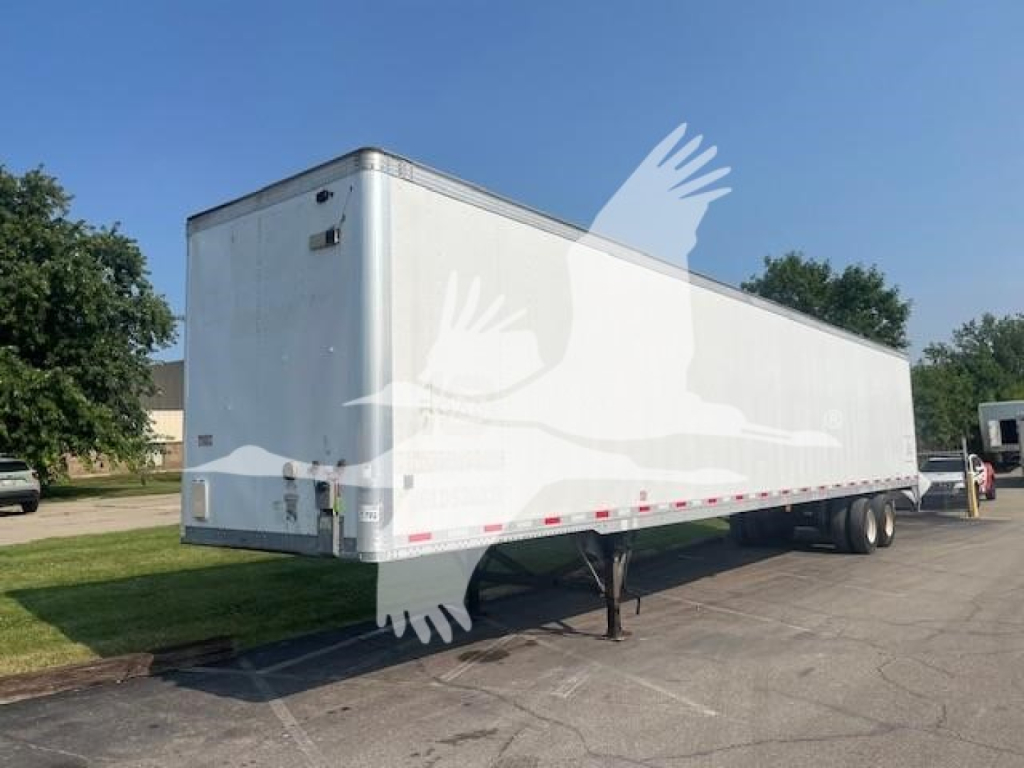
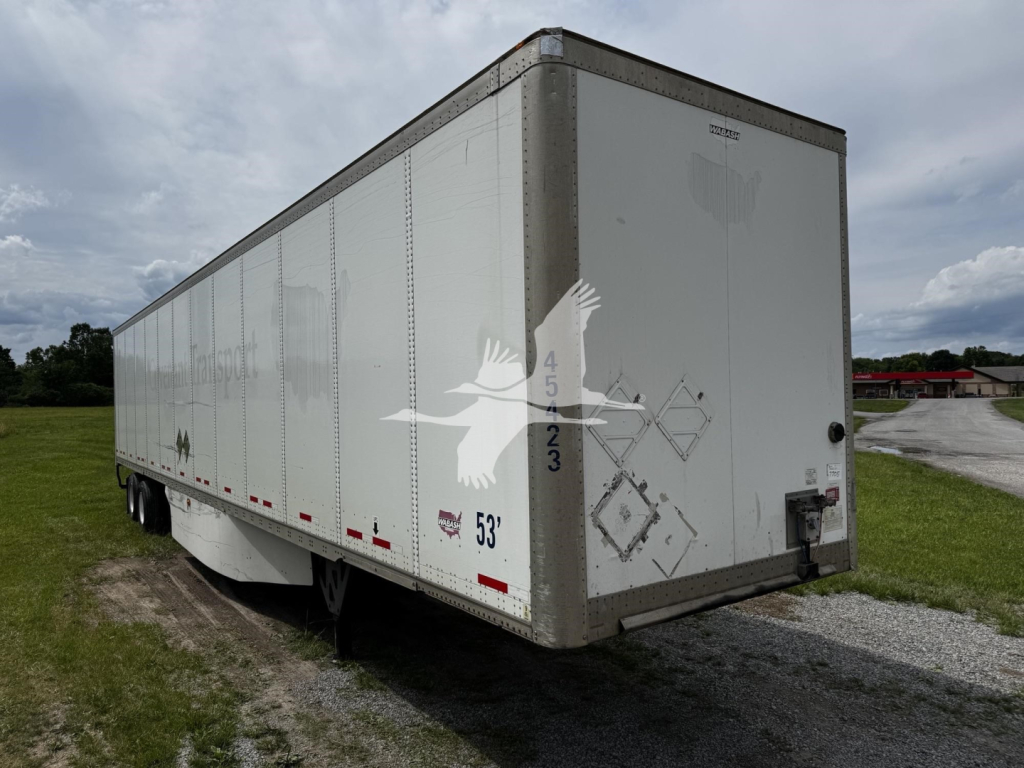
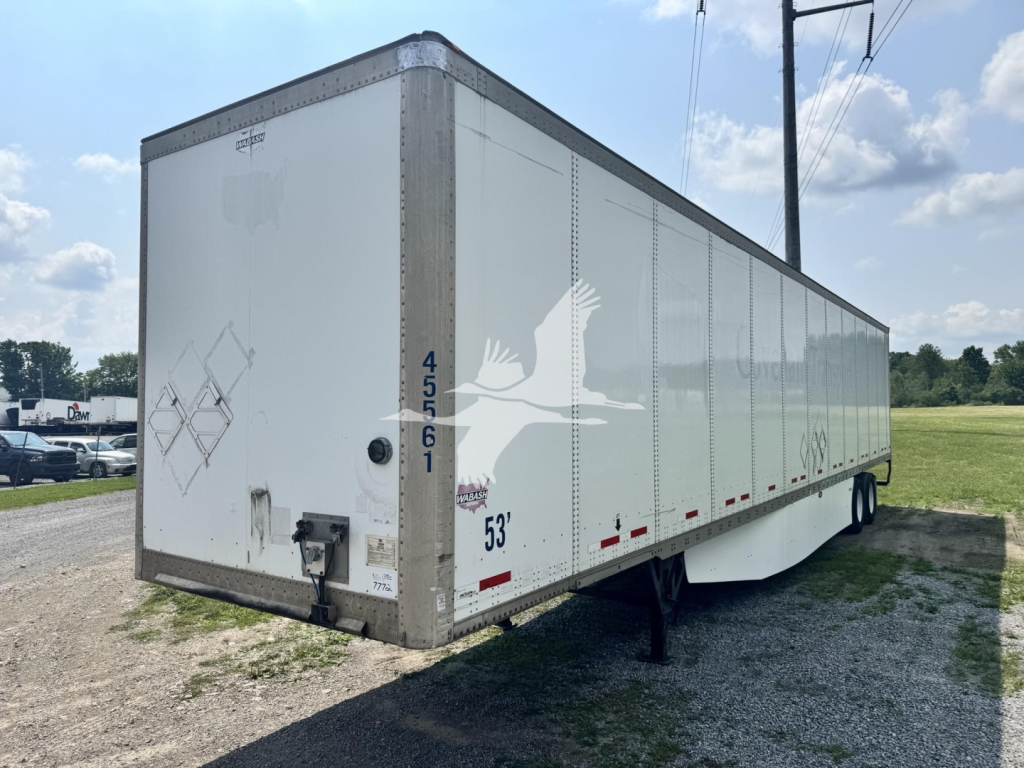
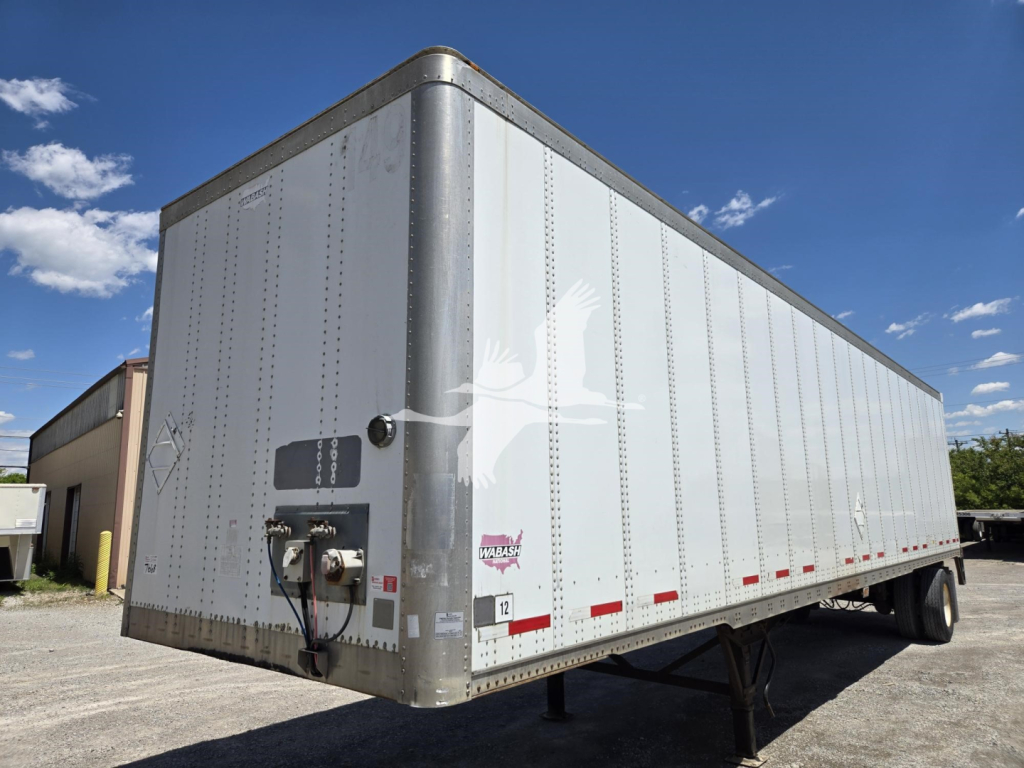
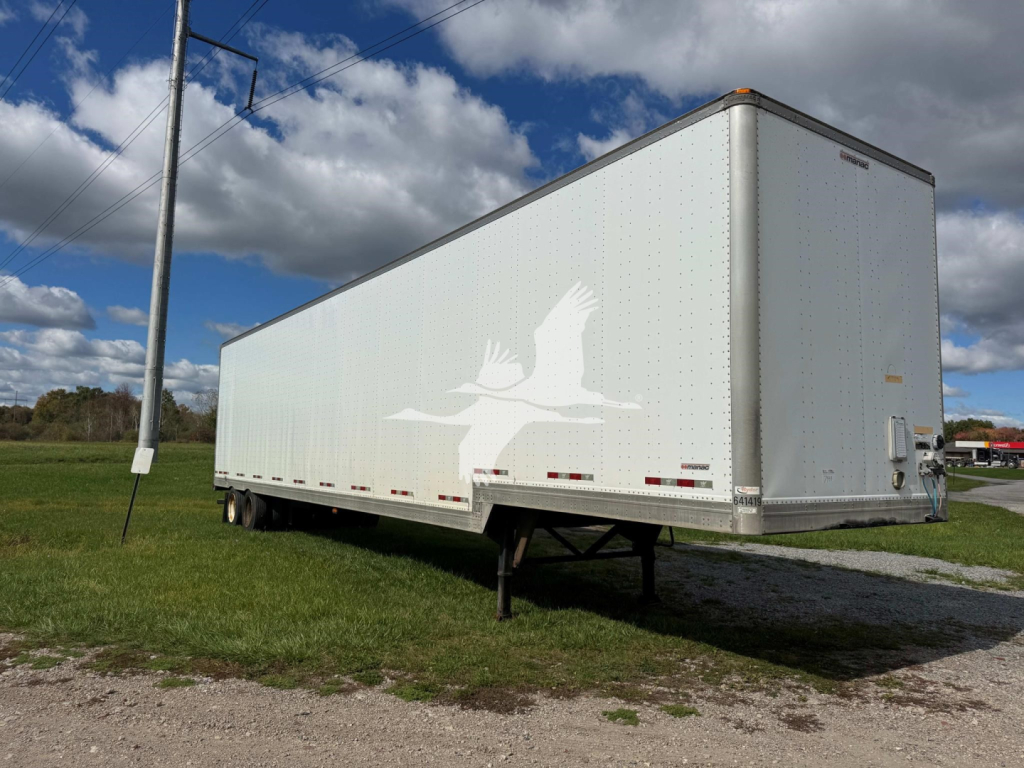
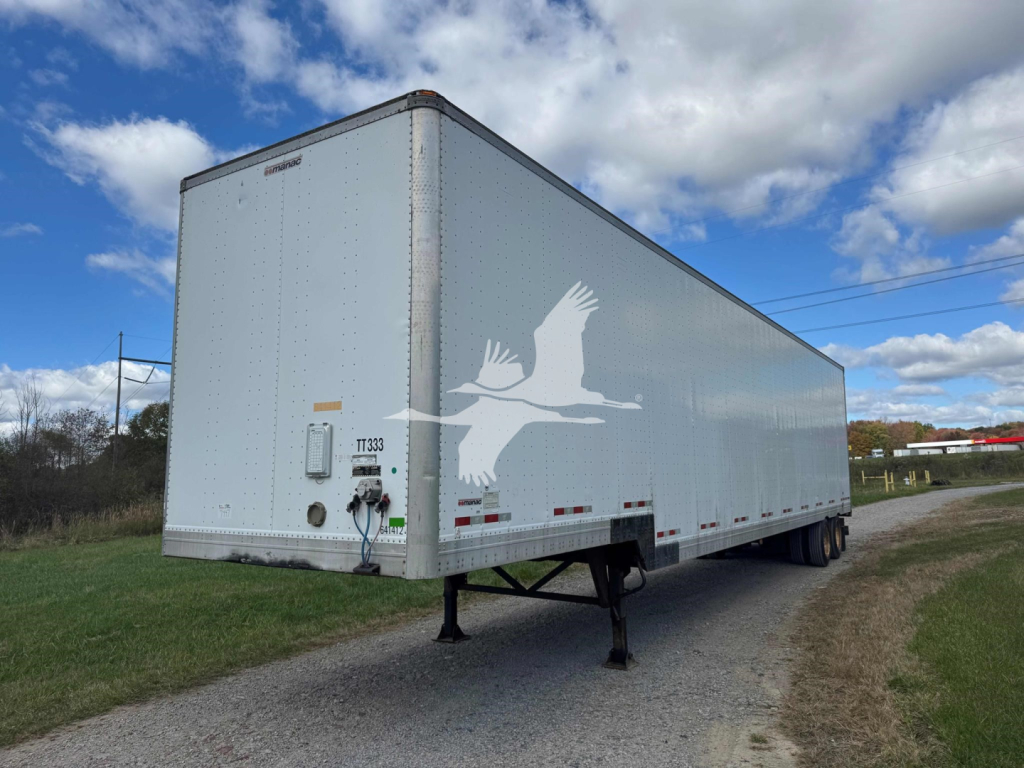
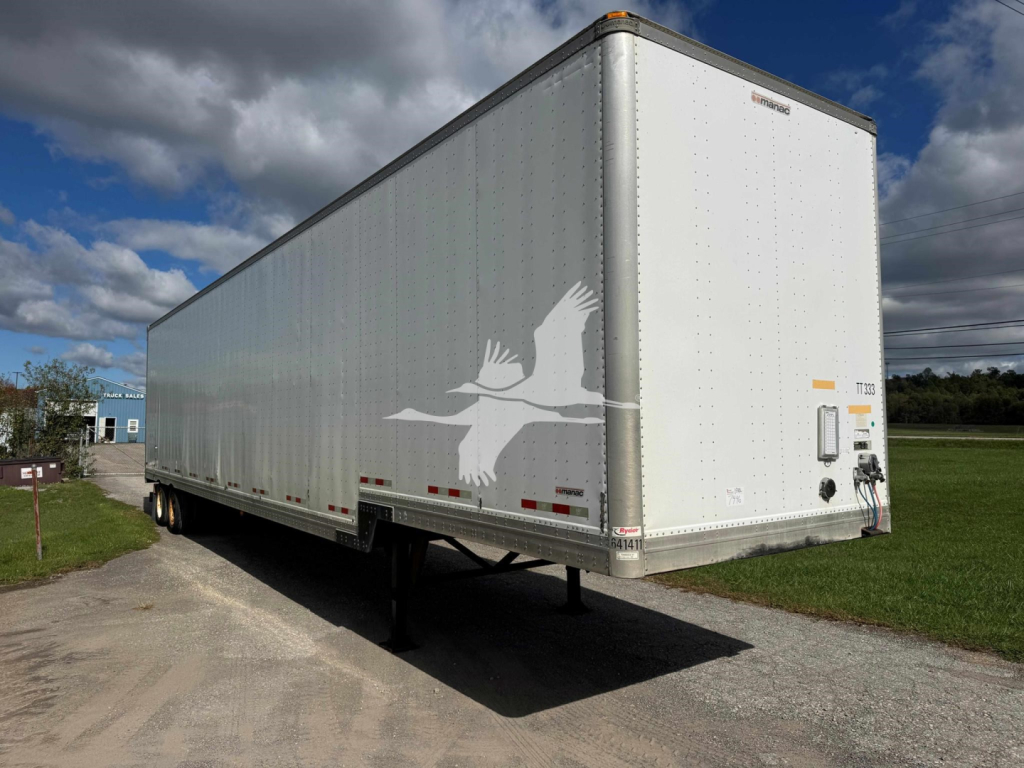
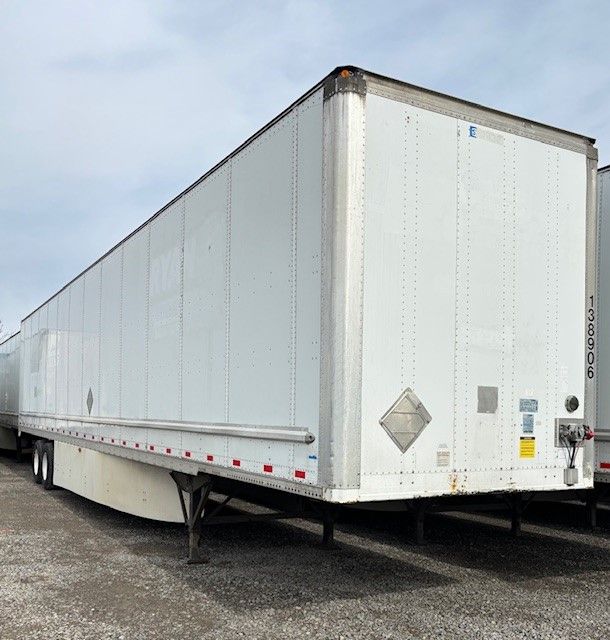
Have used van trailer to sell? List it here to reach thousands of buyers.
Used Van Trailers in Ohio
The biggest buying decisions usually come down to body construction, interior spec, and door setup. Aluminum van trailers reduce tare weight and can improve payload, while plate vans and composite builds may appeal to buyers focused on durability and repair strategy. Inside the trailer, plywood or Kemlite lining, scuff liners, threshold plates, wood floors, and logistics posts or E-track all matter if the freight mix changes often or if forklift contact is common. Swing doors are still preferred by many fleets for full rear access and simple maintenance, while roll-up doors can be useful in urban or frequent-stop applications where door swing clearance is limited.
Running gear and undercarriage specs deserve close attention on a used van trailer. Air ride suspension is common because it helps protect freight and trailer structure, and sliding tandems are important for bridge law compliance and dock positioning. Buyers should check kingpin setting, tandem slide travel, brake condition, tire size and remaining tread, wheel type, landing gear operation, and crossmember spacing. Features like side skirts, tire inflation systems, air lift front axles, galvanized rear frames, translucent roofs, front and rear vents, and dock bumpers can add real value depending on the lane and maintenance program. In Ohio, where trailers may see heavy interstate use, winter road treatment, and frequent dock work, corrosion around the rear frame, door hardware, and substructure is worth a careful inspection.
For used dry van trailer buyers, fit matters more than extras. A trailer hauling palletized dry freight for long interstate runs may benefit from low tare weight, aerodynamic skirts, and disc brakes, while a city or mixed-route operation may put more value on roll-up doors, durable wall lining, and strong floor condition. Look closely at the roof, sidewalls, floor rot or delamination, lining damage, door seal condition, suspension wear, and signs of repeated dock impact. A well-matched van trailer can stay productive for years, but the right spec depends on freight type, loading method, axle regulations, and how hard the trailer will be worked.
Frequently Asked Questions about Used Van Trailers in Ohio
What is the difference between a van trailer and a dry van trailer?
In most truck equipment listings, van trailer and dry van trailer mean the same thing. Both terms describe an enclosed freight trailer built to haul non-temperature-controlled cargo. The trailer protects freight from weather, road debris, and theft better than an open trailer, which is why it is widely used for palletized goods, boxed freight, consumer products, and general commodity hauling.
What should I inspect first on a used van trailer?
Start with the floor, roof, rear frame, door hardware, and suspension. Floor condition is critical because forklift traffic can hide expensive damage, soft spots, or broken boards. The roof and upper rails should be checked for leaks or previous repairs, and the rear frame, threshold plate, hinges, and door seals often show the effects of repeated dock impact. After that, inspect tandem slide operation, brakes, tires, wheels, landing gear, and signs of corrosion underneath the trailer.
Are 48-foot or 53-foot van trailers better for most fleets?
A 53-foot van trailer is the most common choice for high-cube freight and long-haul general freight because it offers maximum cargo space within standard dry van operations. A 48-foot trailer can still be a practical option for regional hauling, specialized freight profiles, older dock layouts, or operations that do not need the extra cube. The right length depends on lane requirements, customer docks, freight density, and state bridge considerations.
What interior features matter most in a used dry van trailer?
The most important interior features depend on the cargo, but buyers commonly focus on lining material, scuff protection, floor condition, and cargo securement. Plywood or composite lining helps protect the walls, and scuff liners reduce damage from forklifts and pallet edges. Logistics posts, E-track, and a solid threshold plate improve load securement and dock durability. If the trailer will handle mixed freight, these interior details can have a direct effect on damage claims, loading speed, and long-term maintenance cost.
Is air ride suspension worth it on a used van trailer?
For many applications, yes. Air ride suspension is common on van trailers because it improves ride quality and helps reduce shock transferred to freight and trailer structure. It is especially useful for consumer goods, packaged freight, and lanes where cargo damage is a concern. On a used trailer, the value depends on condition, so buyers should still inspect air bags, shocks, bushings, ride height, and the overall suspension assembly before making a decision.