
Used Drop Deck Trailers For Sale in Ohio
Shop used drop deck trailers in Ohio. Compare 48' and 53' models, deck height, axle setups, weight, tie-down equipment, and suspension.
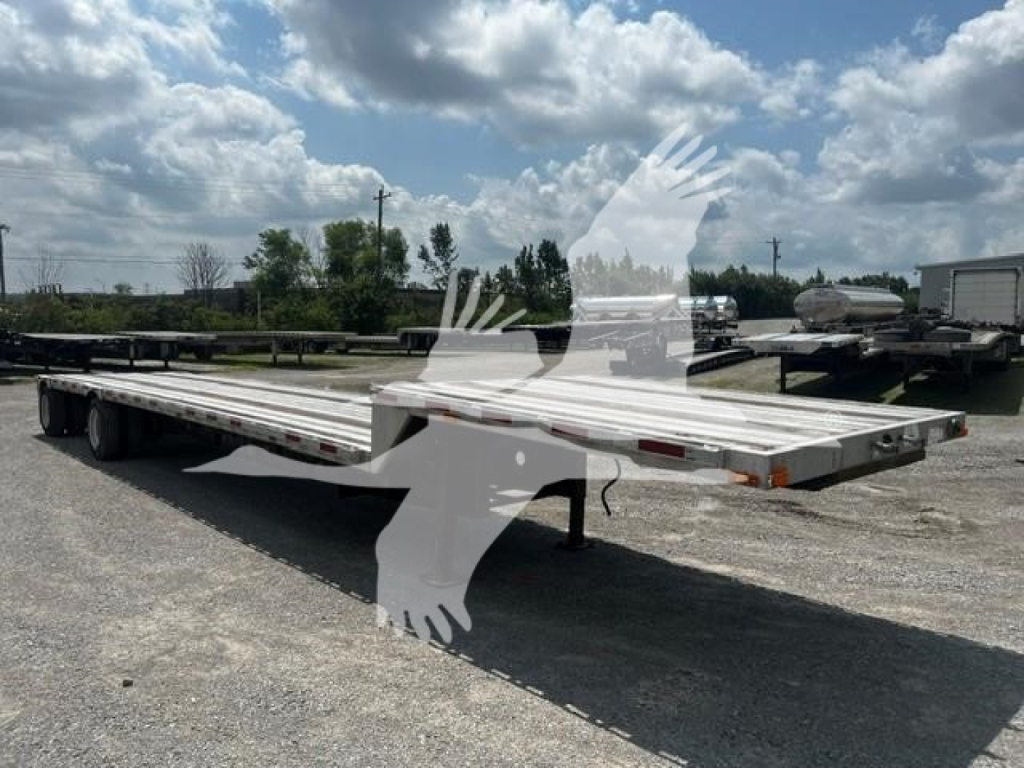
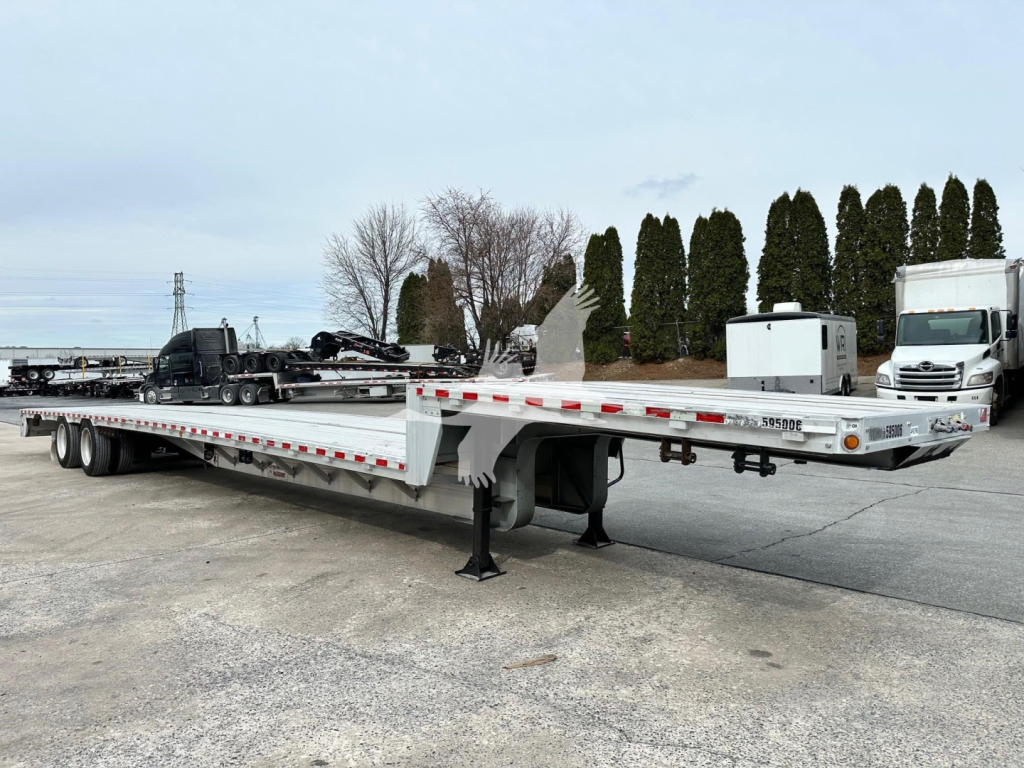
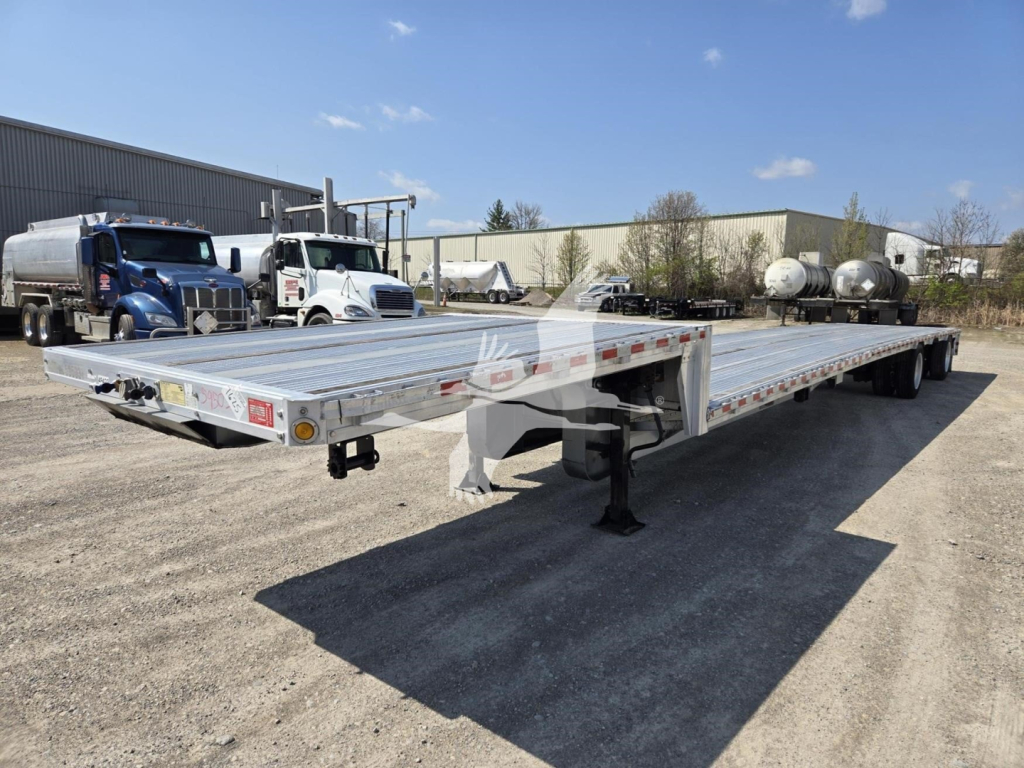
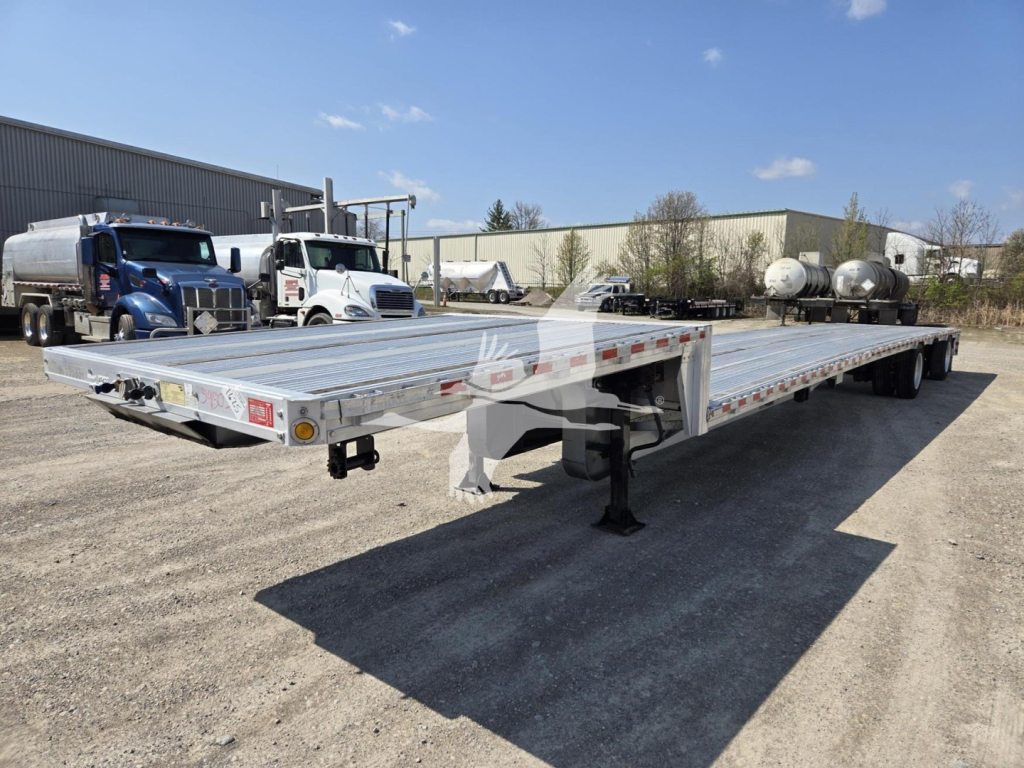
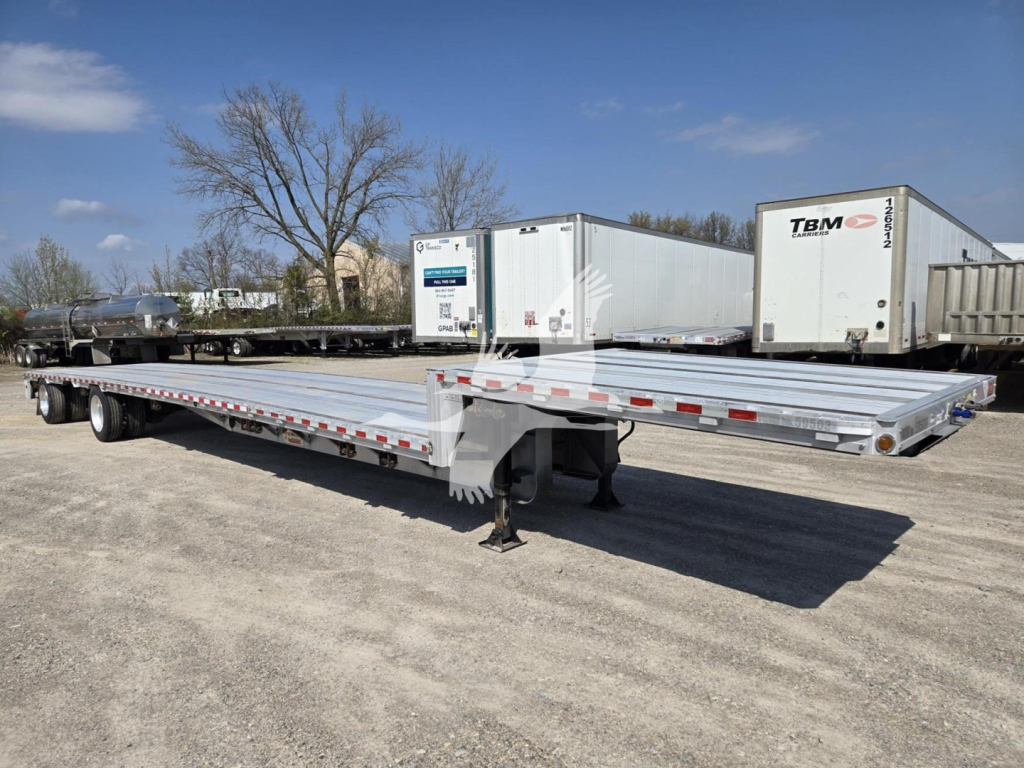
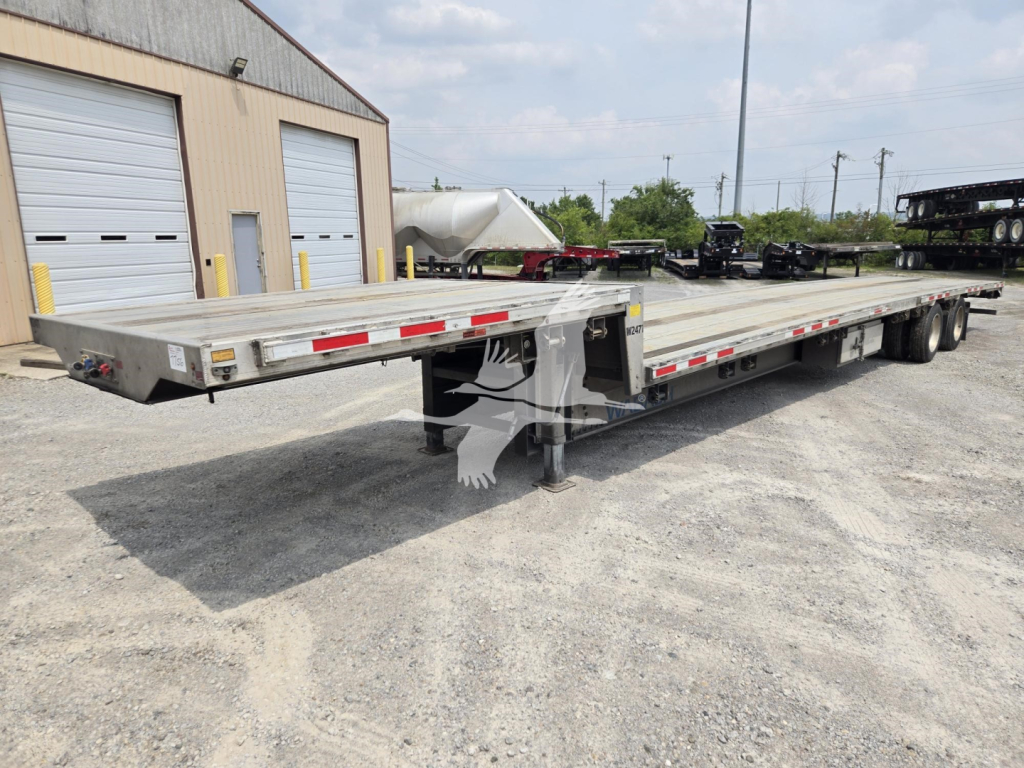
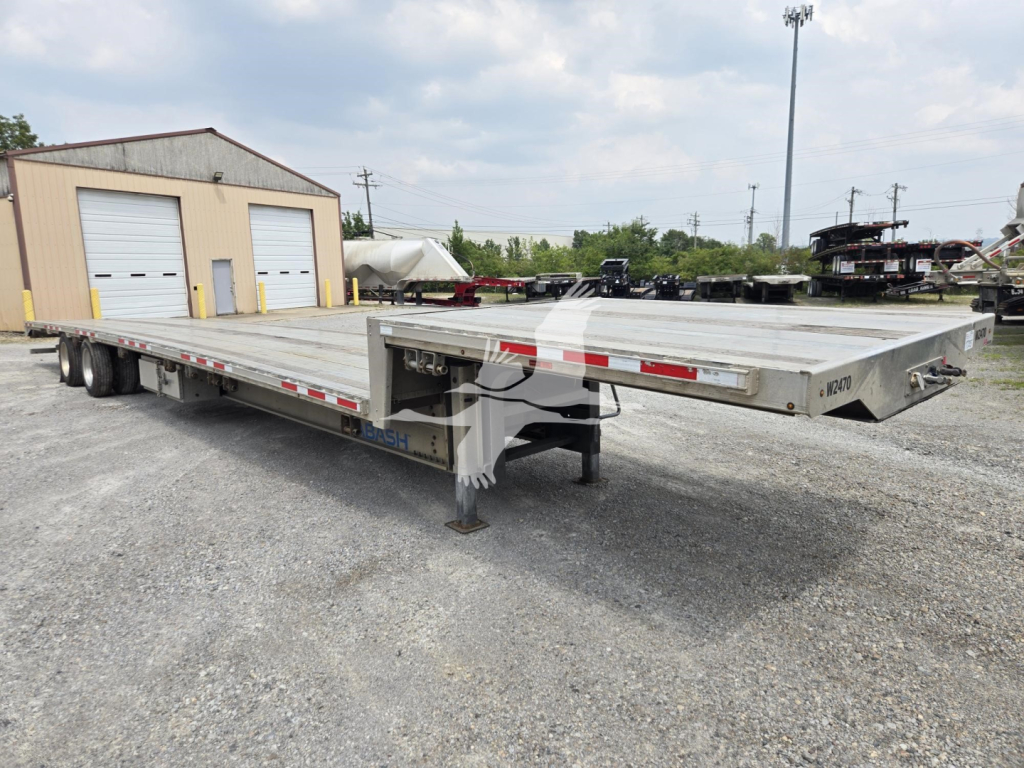
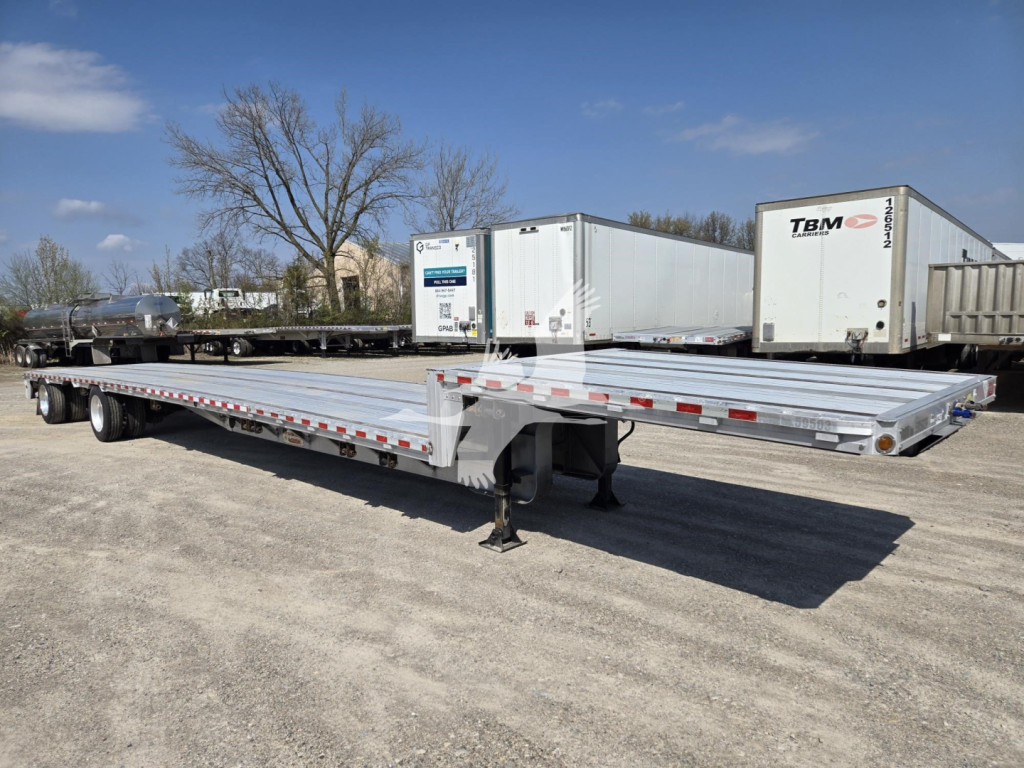
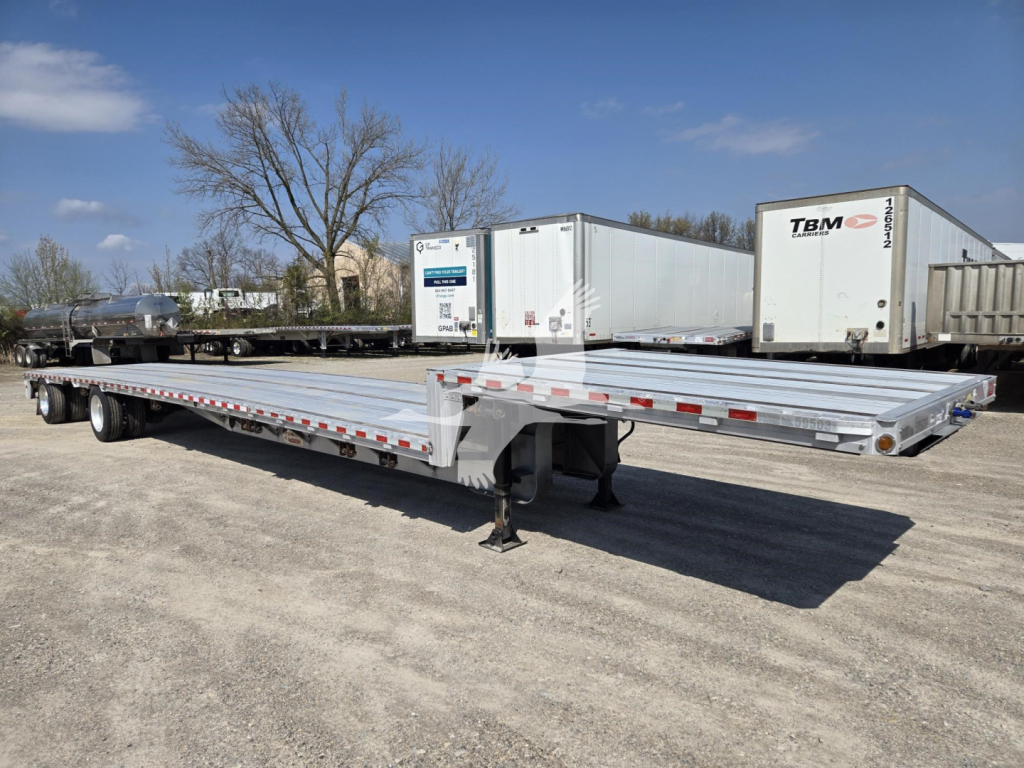
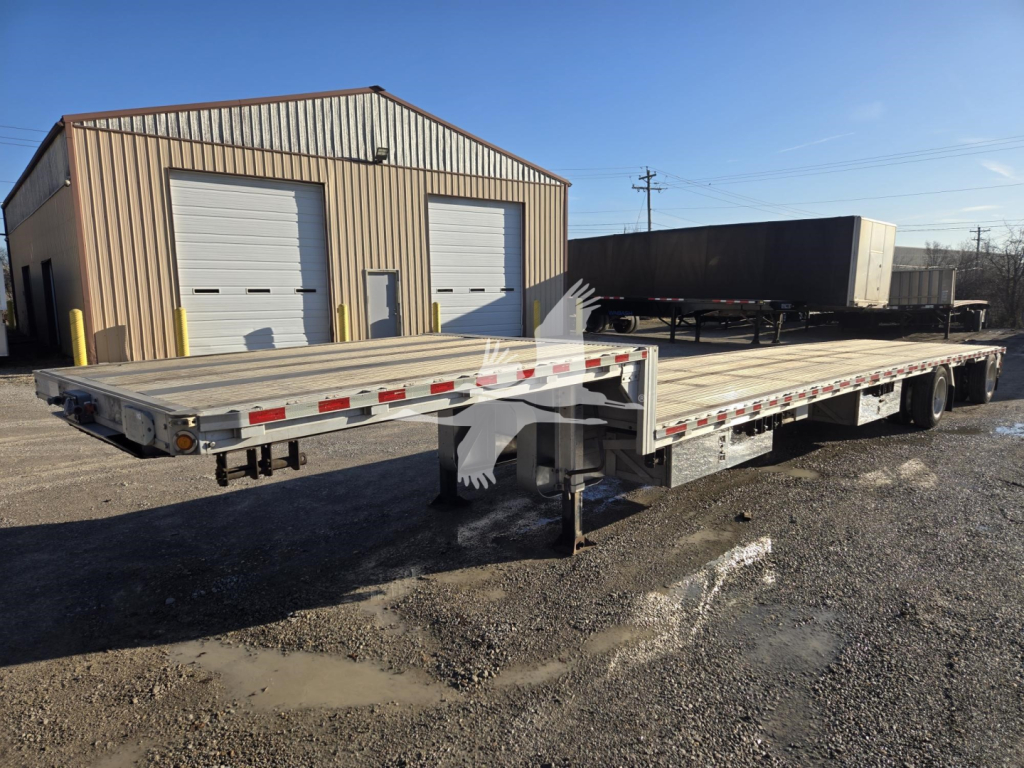
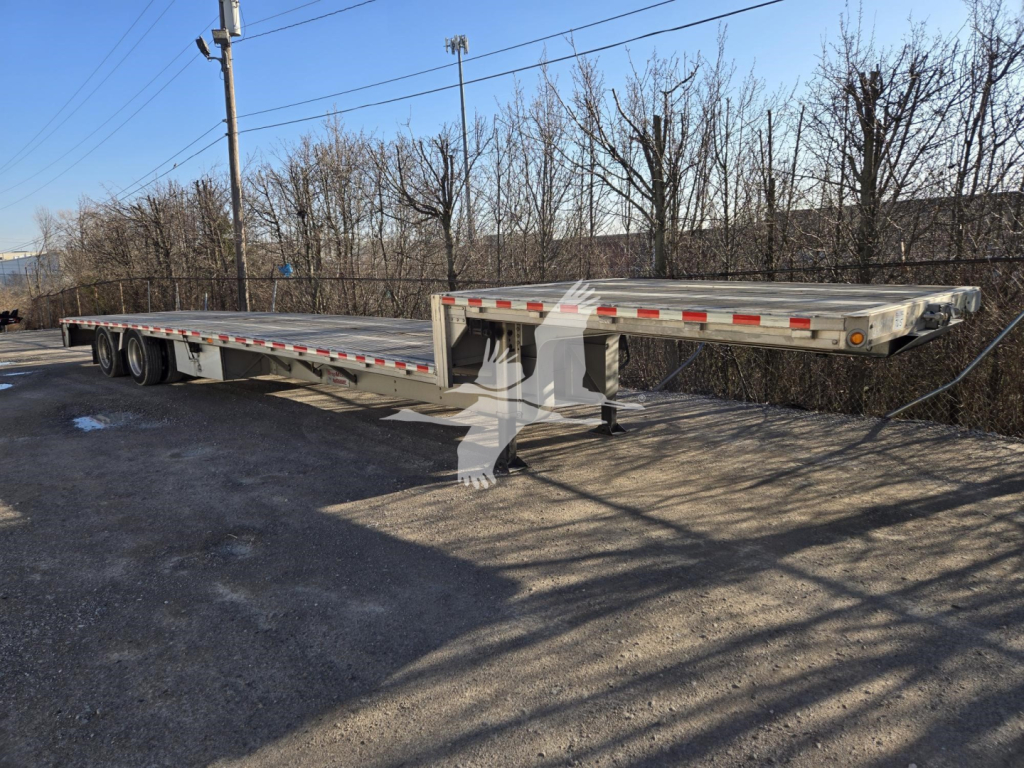
Have used drop deck trailer to sell? List it here to reach thousands of buyers.
Used Drop Deck Trailers in Ohio
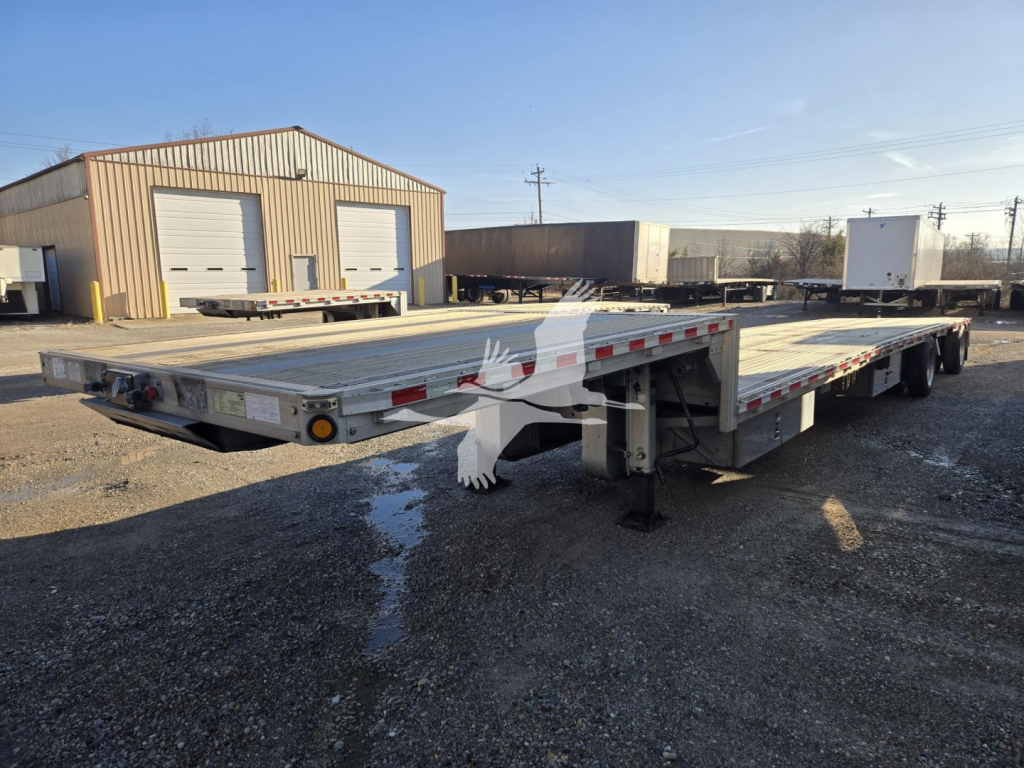
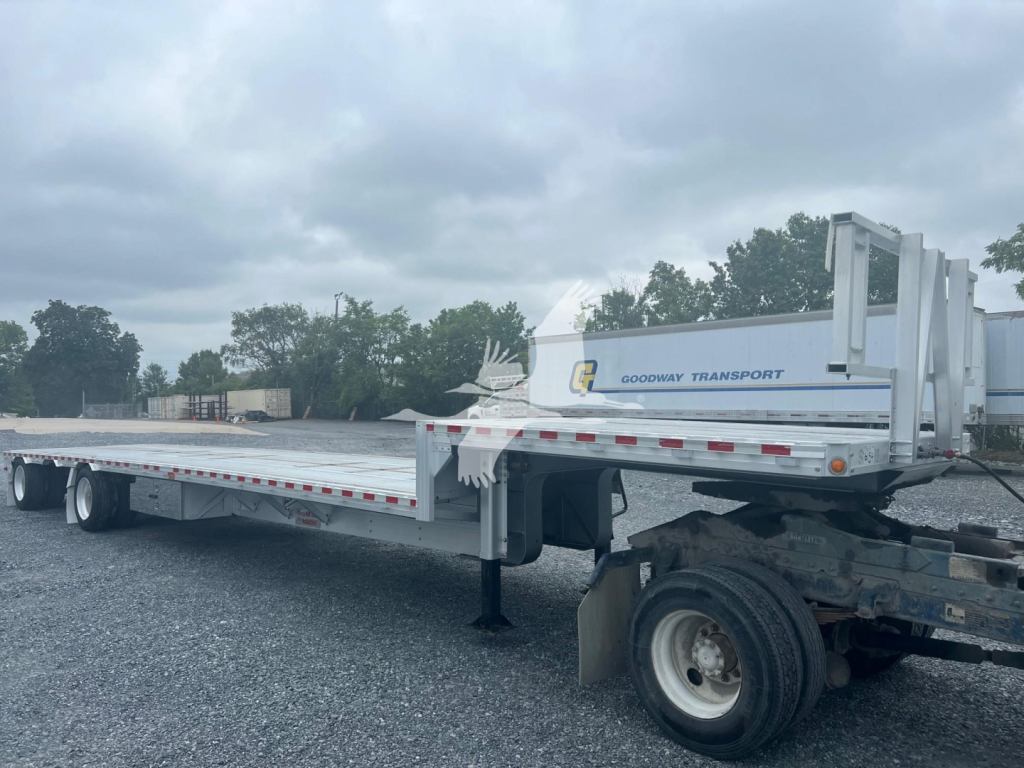
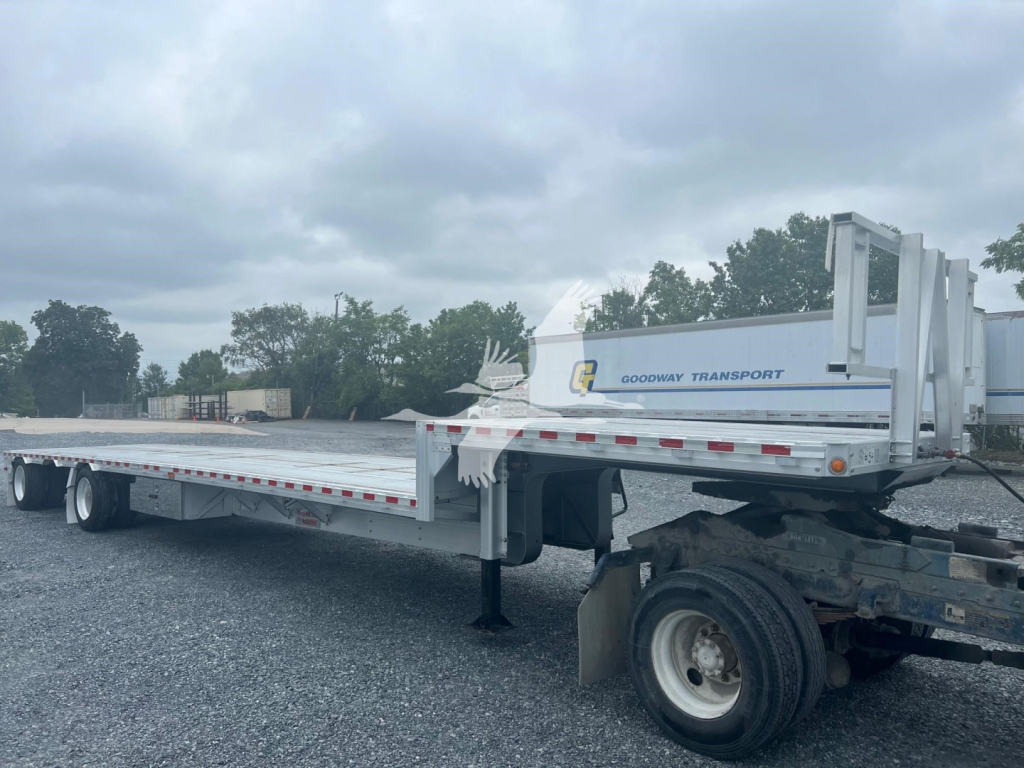
Common used drop deck sizes are 48 feet and 53 feet with 102-inch width, usually in tandem axle configurations. Many 48-foot trailers have a top deck around 10 feet 6 inches and a main deck around 37 feet 6 inches, while 53-foot models often run a 10-foot to 10-foot 8-inch top deck with roughly 42-foot to 43-foot main deck length. Main deck height is often around 40 inches, though actual loaded height depends on tire size, suspension, and flooring. Aluminum trailers are popular because they keep tare weight down, often around the 9,000 to 12,500 pound range depending on length and spec, which helps maximize payload on legal freight. Air ride suspension, sliding rear axles, 22.5 low-profile tires, and two-speed landing gear are all common on late-model used units.
Tie-down equipment deserves close attention on a used drop deck. Buyers should look for integrated winch tracks on both sides, the number and condition of sliding winches, pipe spools, chain tie-down points, and the condition of nailing strips or Apitong decking inserts. If you plan to haul coils, check for a coil package or extra crossmembers in the deck. Crossmember spacing, side rail condition, and deck wear tell you a lot about how the trailer was worked. Disc brakes, tire inflation systems, dump valves, anti-roll systems, and good light packages can add value in a trailer that sees frequent interstate miles. Kingpin setting and axle slide range also matter if you regularly shift weight to stay legal across different states and load profiles.
On a used trailer, structural condition matters more than cosmetic appearance. Inspect the neck, transition area, rear frame, suspension hangers, crossmembers, landing gear mounts, and wheel ends. Check for deck repairs, cracked welds, corrosion around fasteners, and uneven tire wear that can point to alignment or suspension issues. A lighter all-aluminum drop deck may be the right fit for shippers focused on payload, while a heavier mixed-material trailer can make sense for tougher daily loading environments. The best used drop deck trailer is the one that matches your freight mix, securement method, and legal weight strategy without forcing compromises on height, deck space, or durability.
Frequently Asked Questions about Used Drop Deck Trailers in Ohio
What is the difference between a drop deck trailer and a flatbed trailer?
A drop deck trailer has two deck levels, a raised upper deck over the tractor tires and a lower main deck behind it. That lower deck gives additional legal load height compared with a standard flatbed, which is why drop decks are commonly used for taller freight such as equipment, crates, and building materials. A flatbed is simpler and often more versatile for easy side loading, but it does not offer the same height advantage.
What lengths are most common for used drop deck trailers?
The most common lengths are 48 feet and 53 feet, typically with a 102-inch overall width. A 48-foot drop deck usually provides a main deck around 37 feet 6 inches, while a 53-foot trailer often has a main deck around 42 to 43 feet. Buyers should compare not just overall length, but also top deck length, lower deck length, deck height, and axle slide range because those measurements directly affect freight fit and bridge law flexibility.
Are aluminum drop deck trailers better than steel or combo trailers?
Aluminum drop deck trailers are often preferred when payload matters because they reduce empty weight and can increase legal carrying capacity. Steel or combo construction can be attractive for operations that see rough loading conditions, concentrated point loads, or harsher day-to-day wear. The better choice depends on your freight, loading practices, and maintenance standards. For many open-deck carriers, the right answer is the lightest trailer that still has the crossmember strength, deck spec, and tie-down equipment the work requires.
What should I inspect on a used drop deck trailer before buying?
Focus on the structure first. Inspect the neck, the transition from upper deck to lower deck, crossmembers, side rails, rear frame, suspension mounts, landing gear area, and flooring. Check brake condition, wheel ends, tire wear, axle alignment, suspension bushings, and any air ride or dump valve components. Also verify the condition and count of sliding winches, winch tracks, nailing strips, pipe spools, lights, and any coil package components. A clean FHWA or annual inspection is helpful, but it should not replace a hands-on structural and running gear inspection.
Why does axle configuration matter on a used drop deck trailer?
Axle setup affects legal weight distribution, turning characteristics, and state compliance. Tandem axle drop decks are the standard choice, but features such as a sliding rear axle can help move weight where you need it for different loads and state bridge rules. Suspension type also matters, with air ride being common for better freight protection and load control. If you haul mixed freight across multiple states, axle slide travel, kingpin setting, and suspension condition can be just as important as trailer length.