
Used Flatbed Trailers For Sale in Ohio
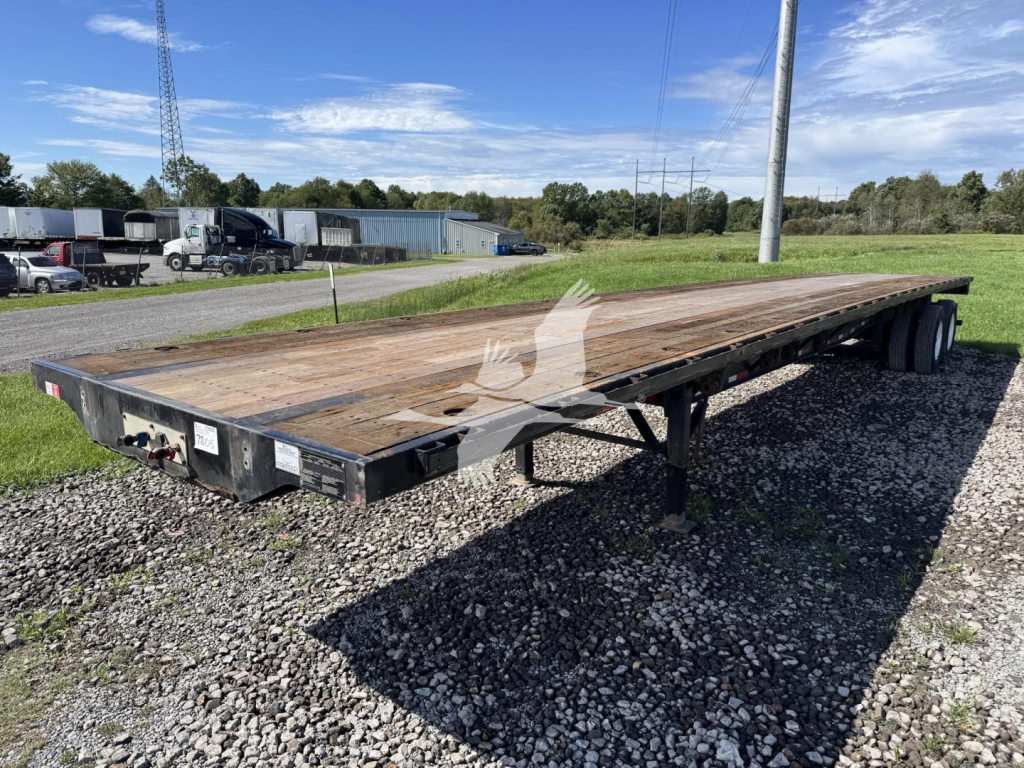
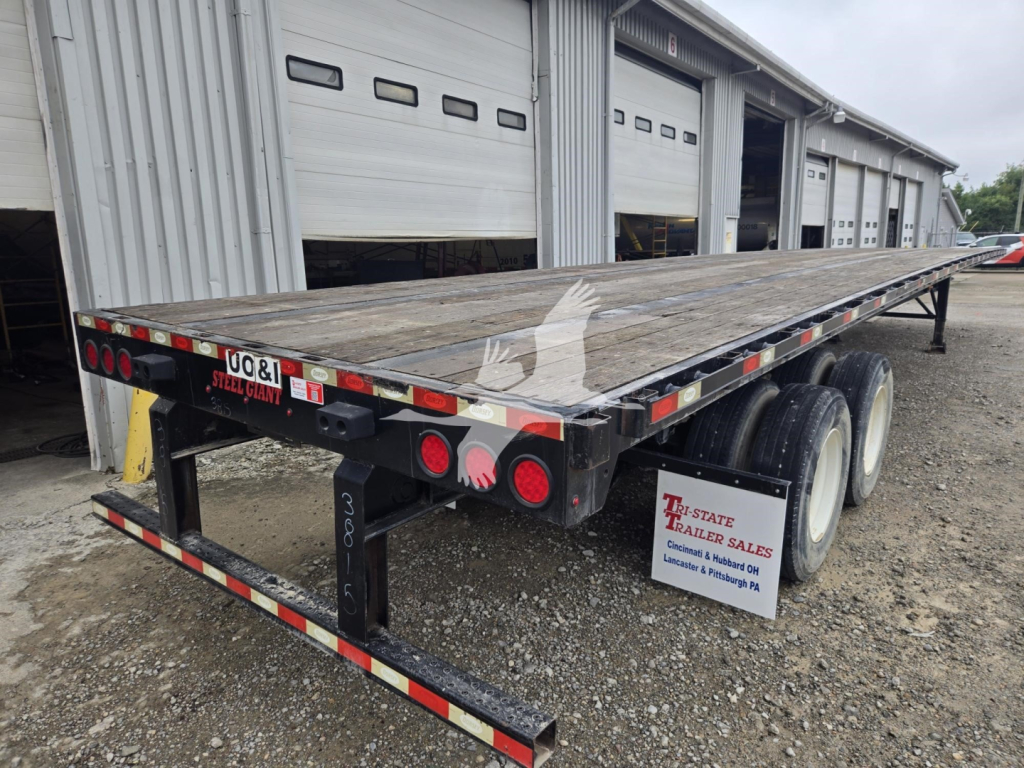
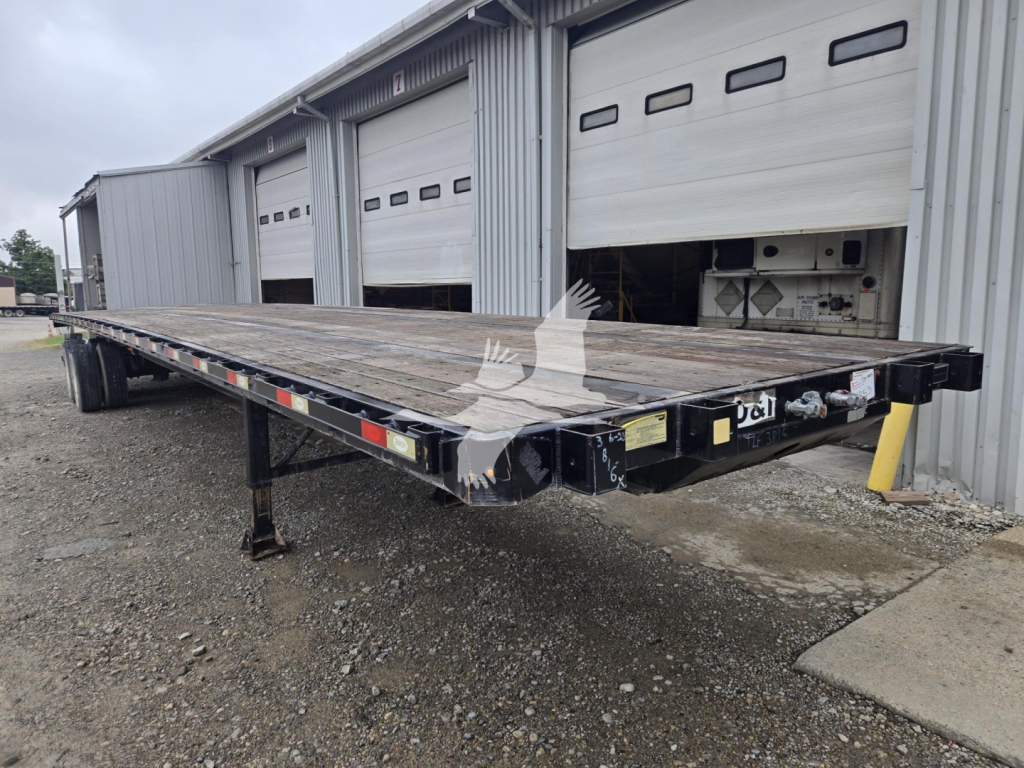
Browse used flatbed trailers for sale in Ohio. Compare 48-foot aluminum and steel flats, axle setups, deck specs, and securement features.
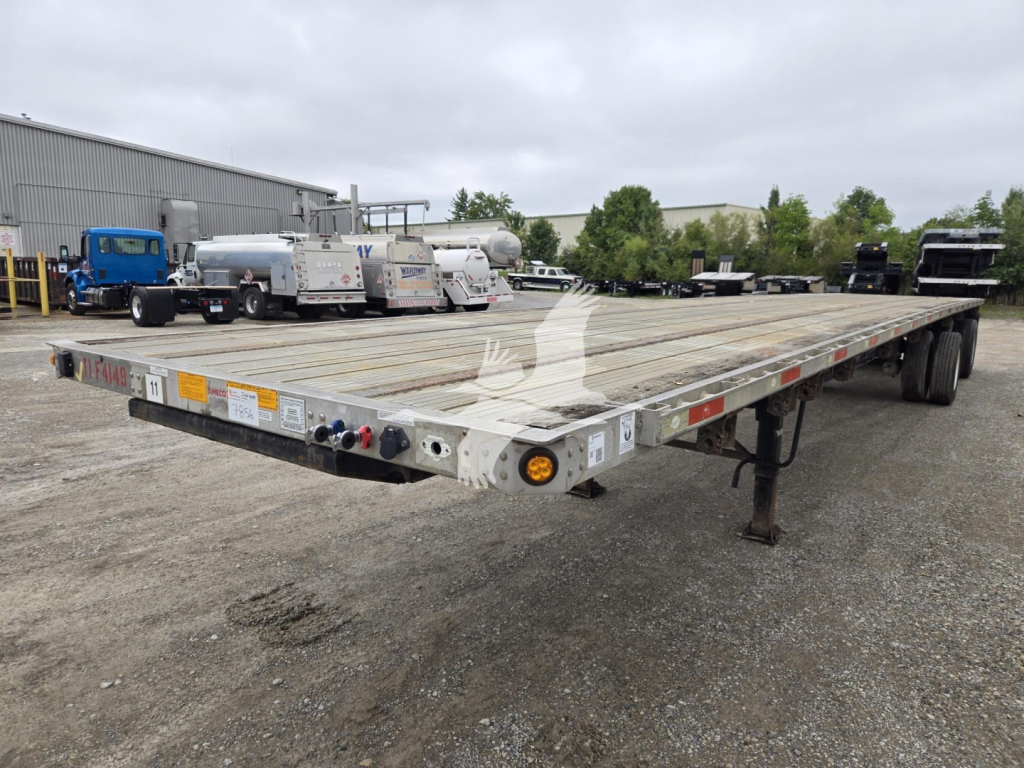
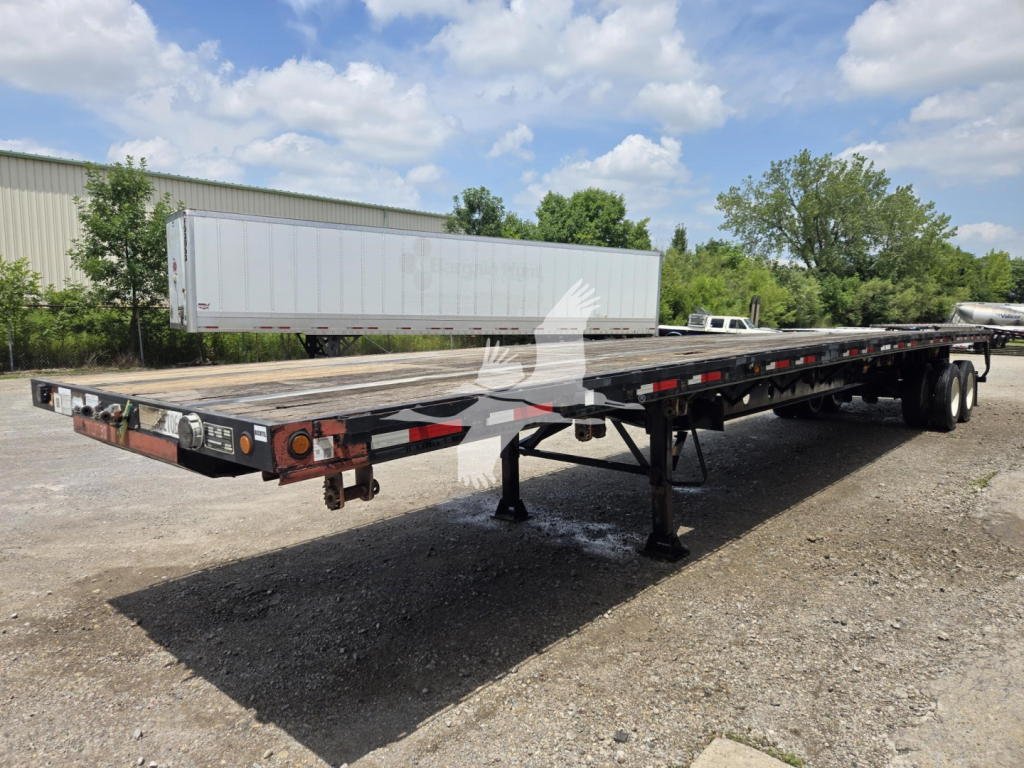
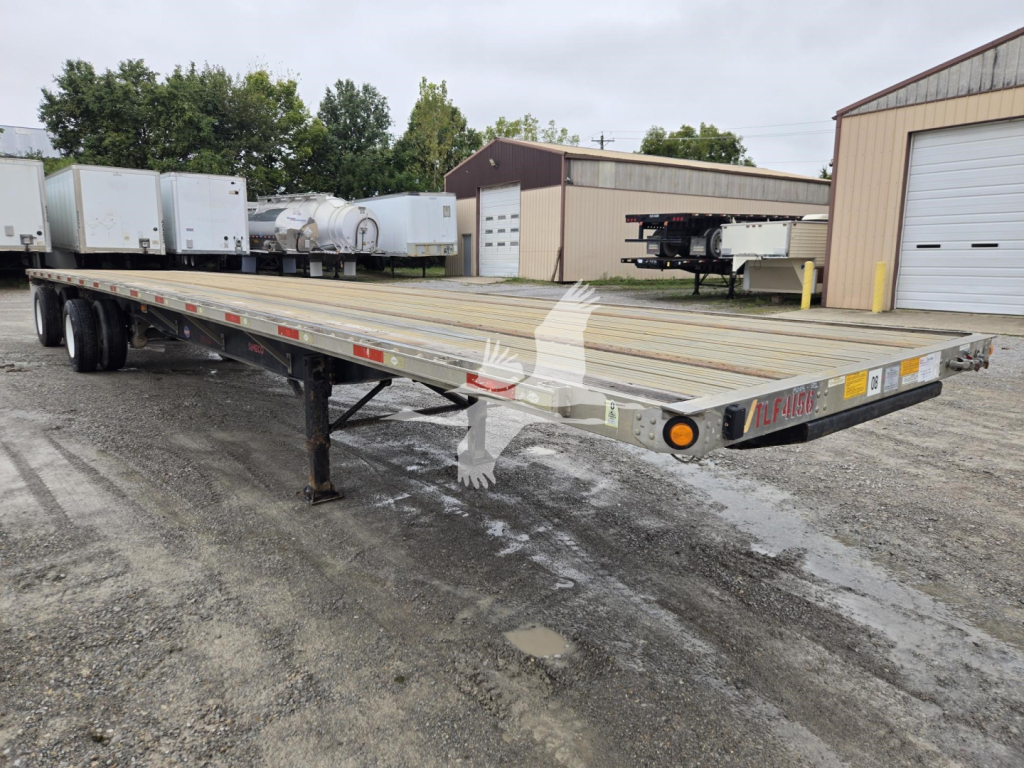
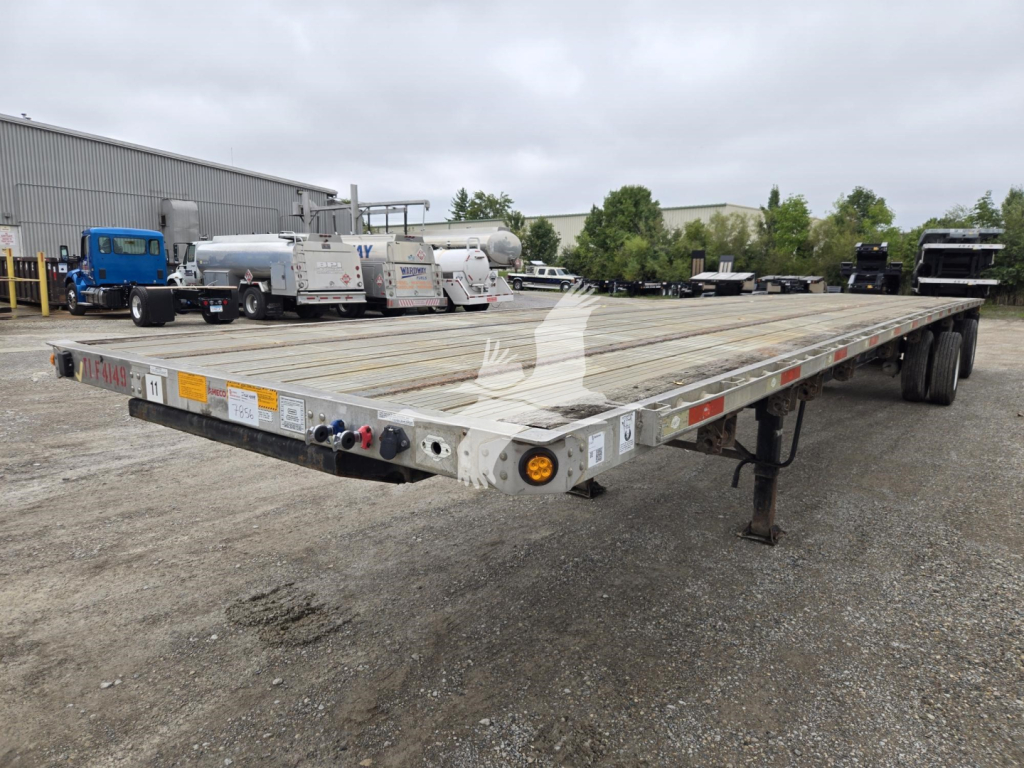
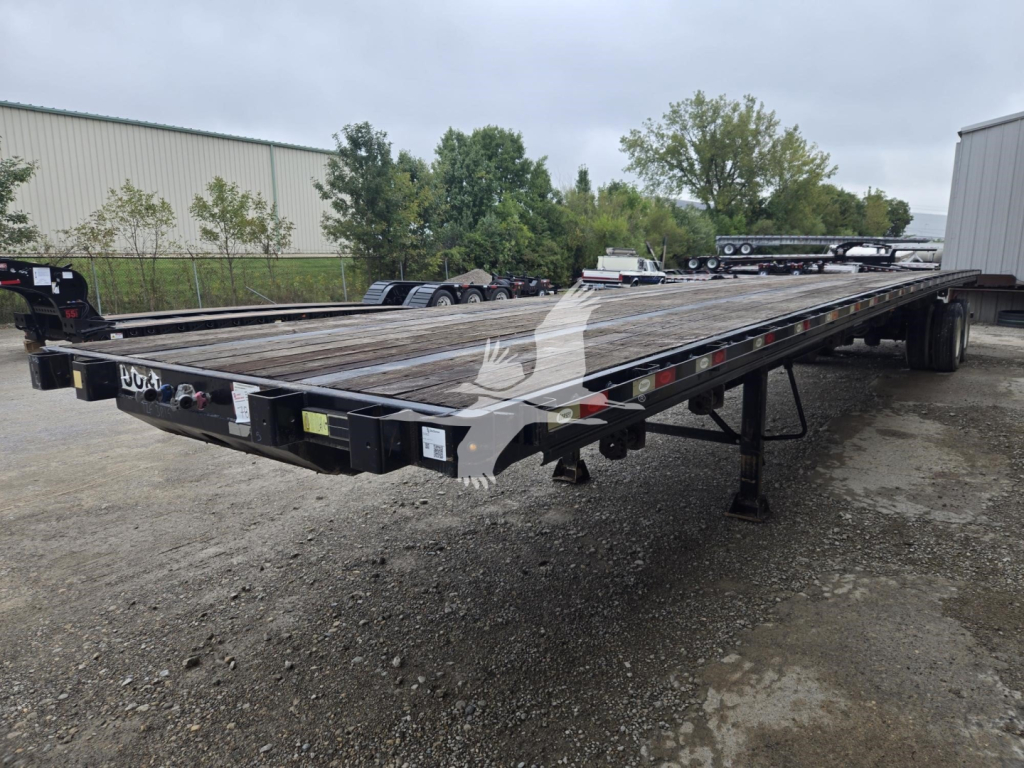
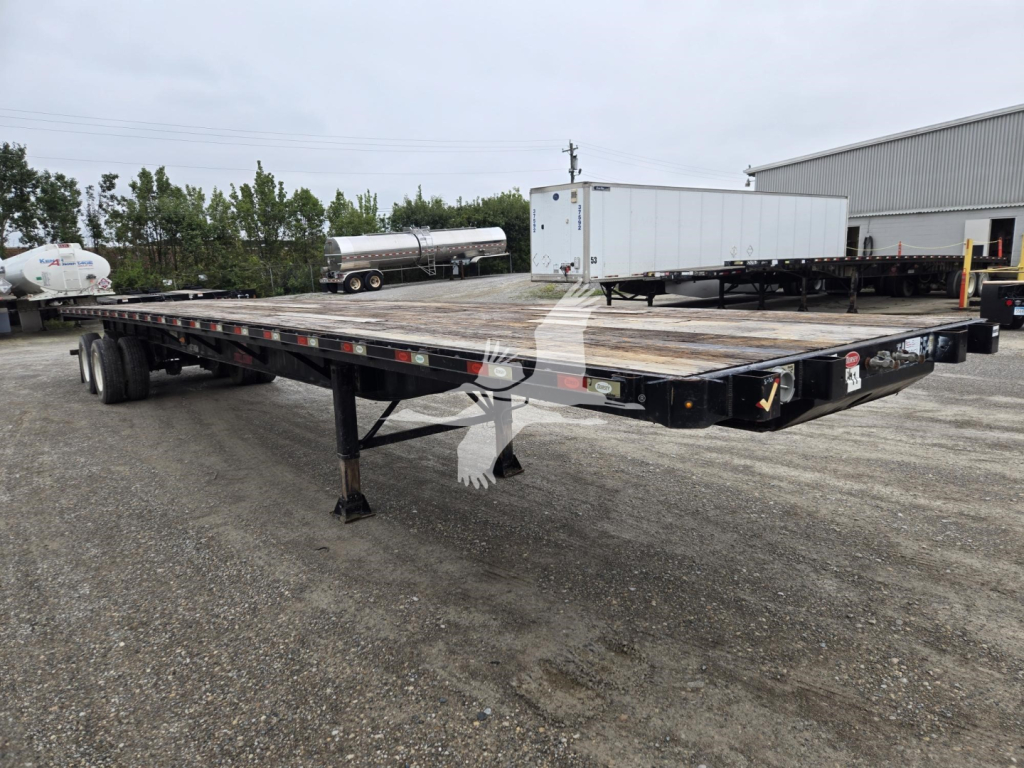
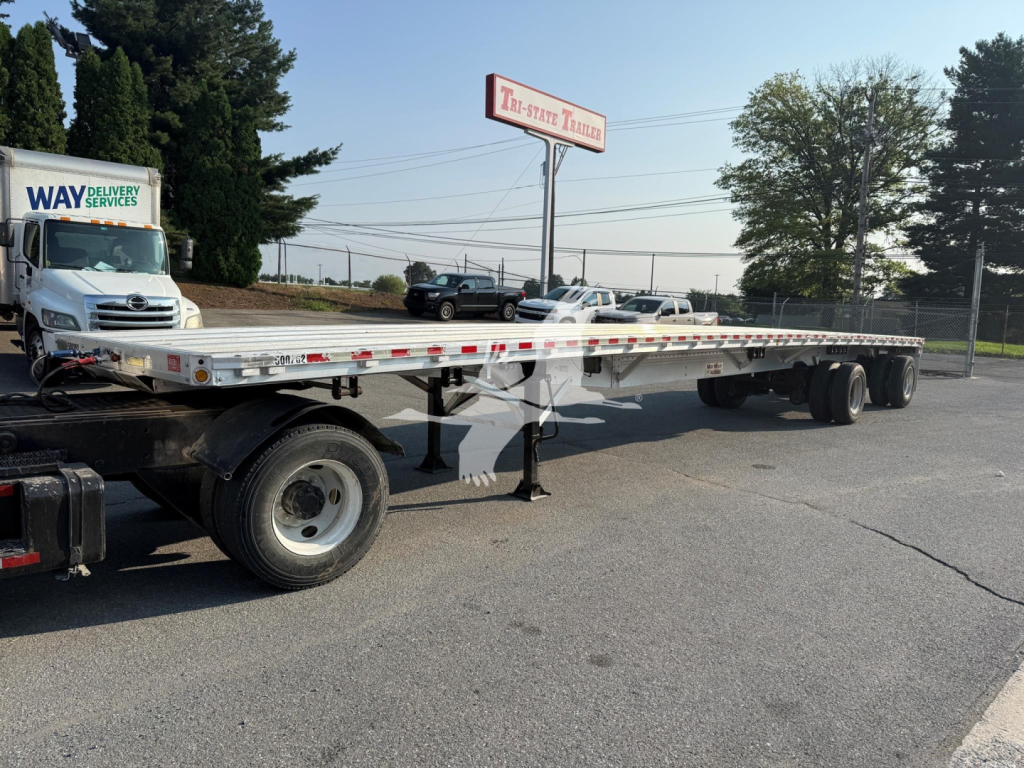
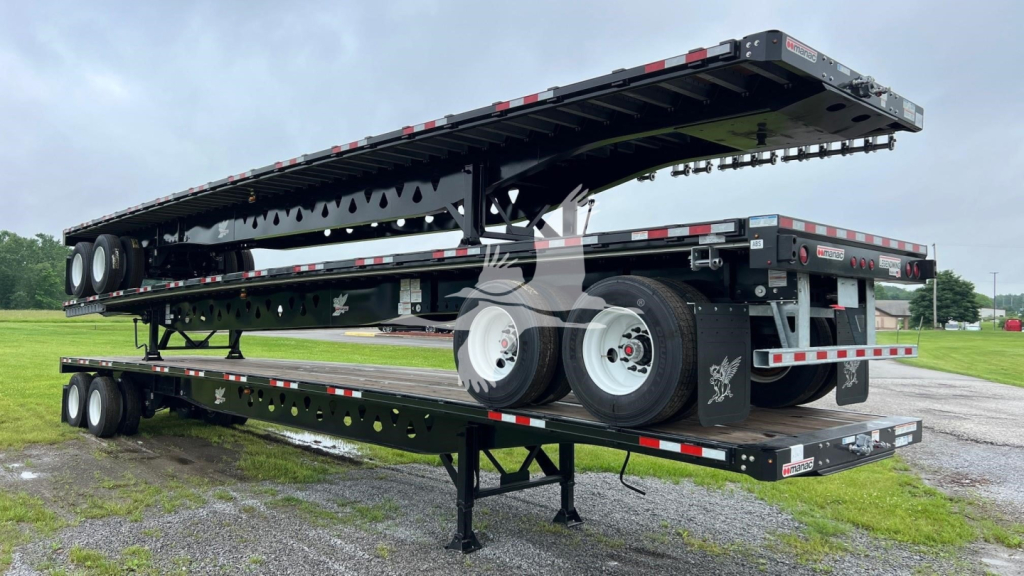
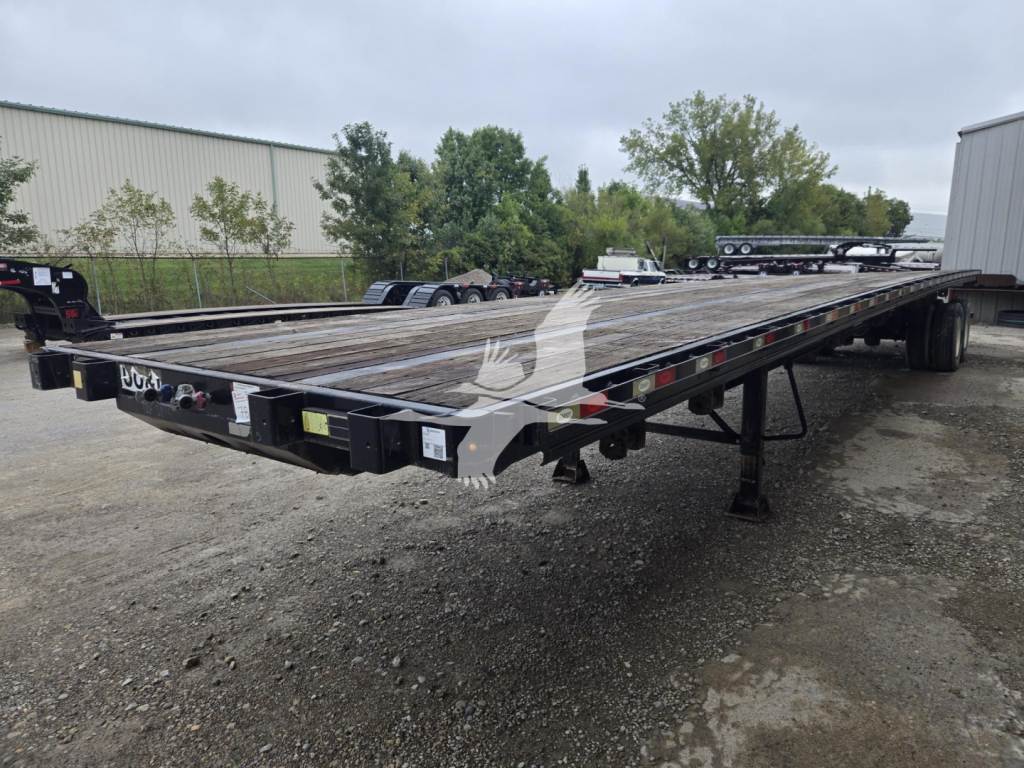
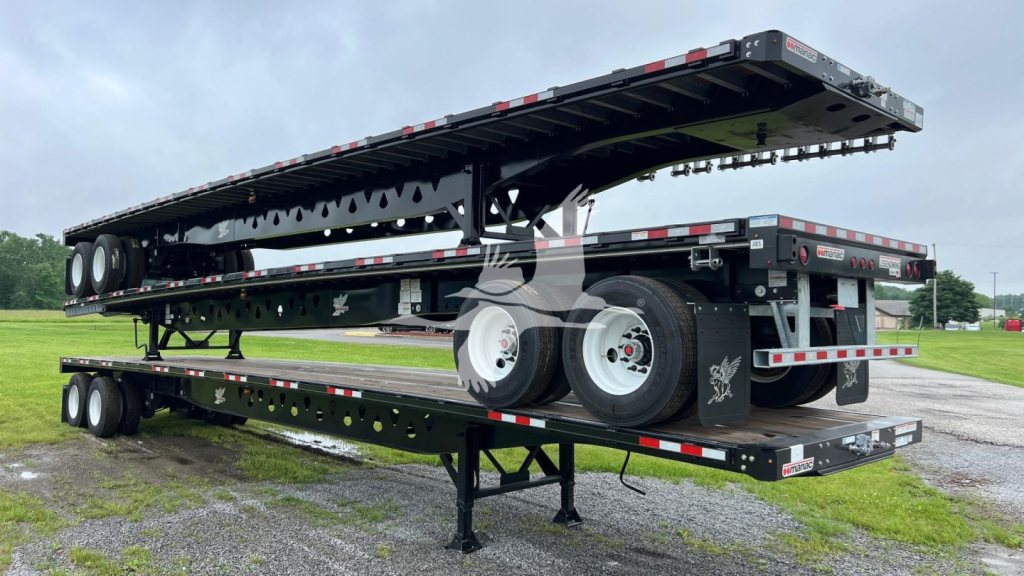
Selling a used flatbed trailer? List your used flatbed trailer for sale and reach thousands of commercial buyers.
Used Flatbed Trailers in Ohio
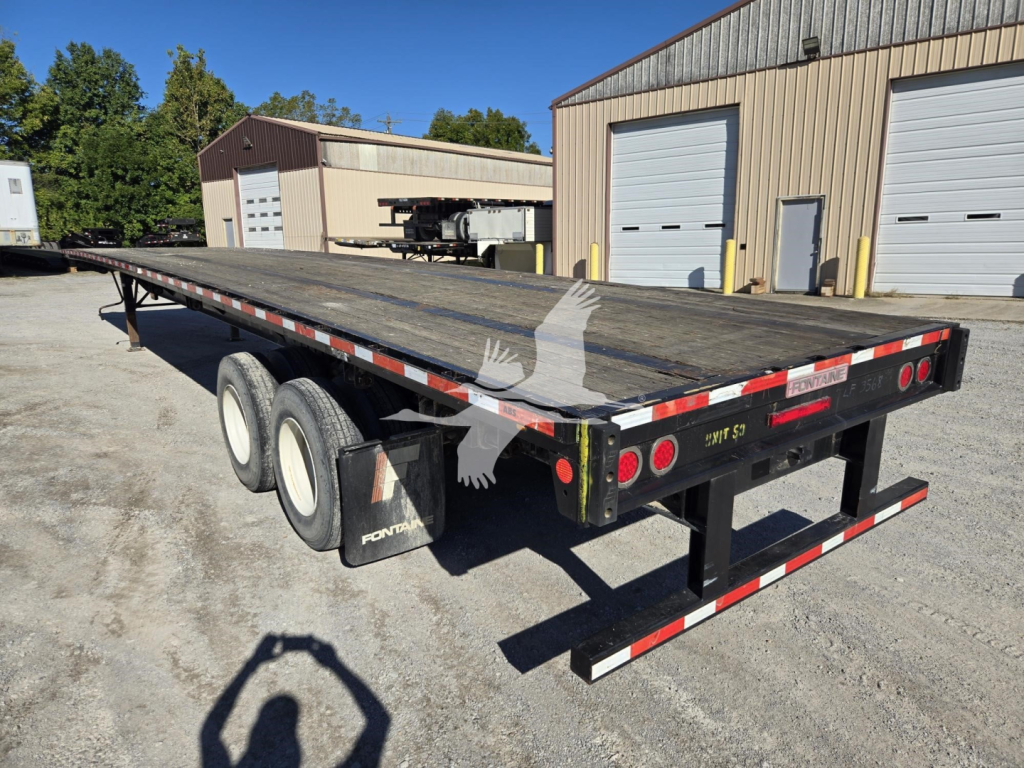
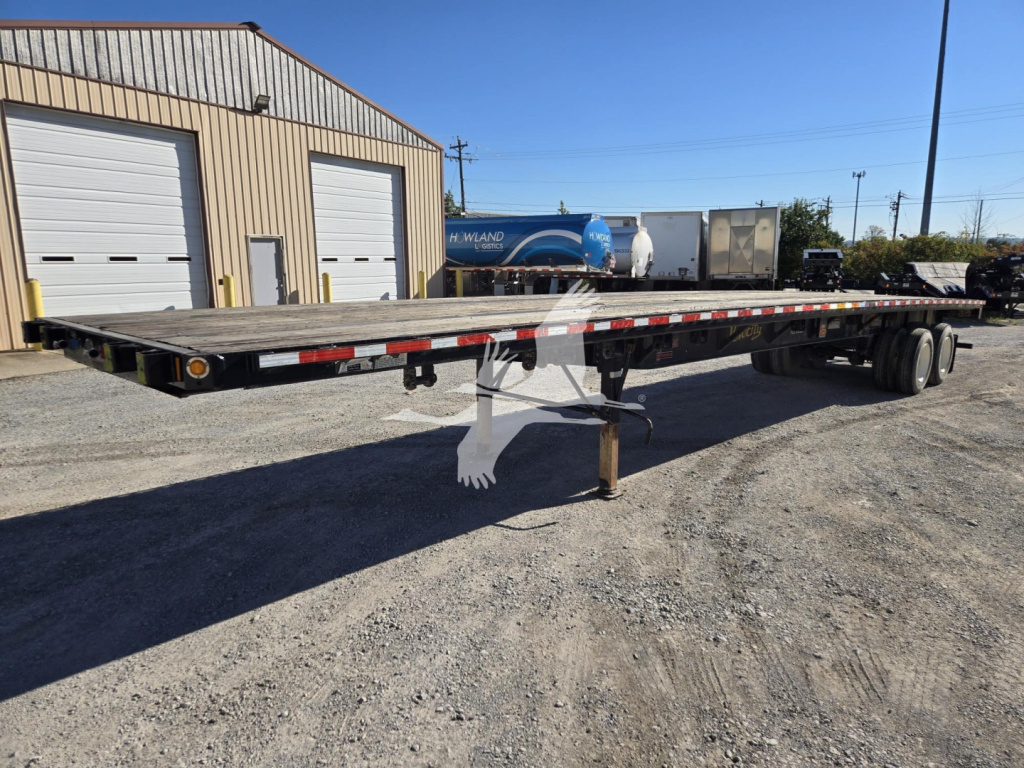
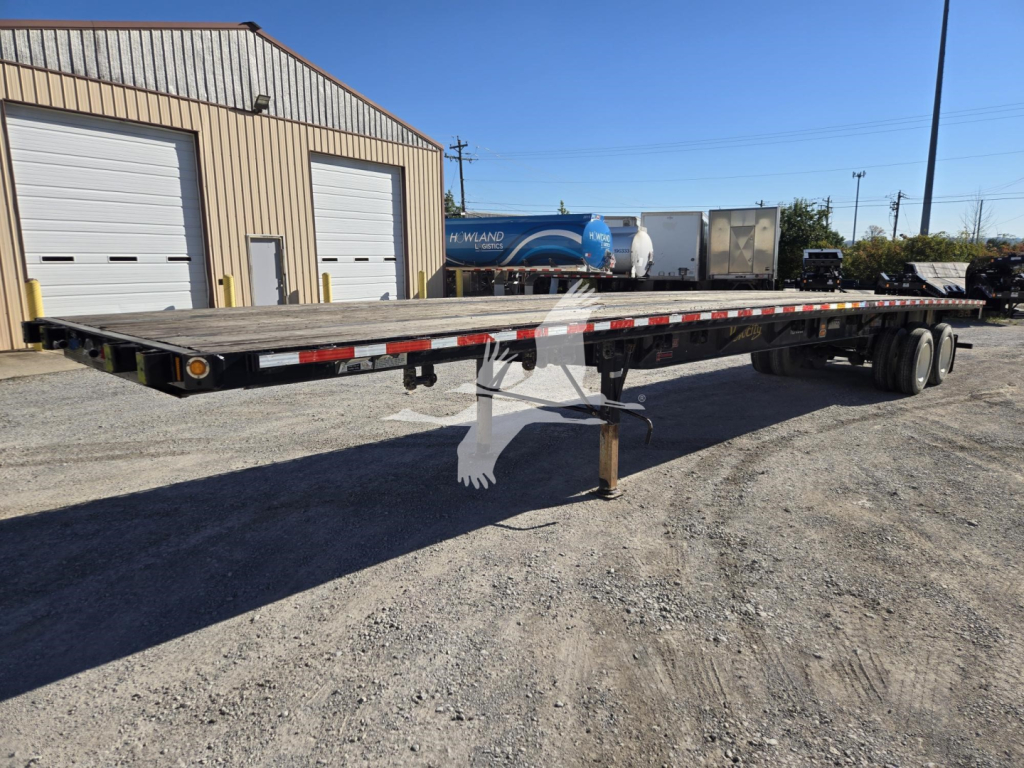
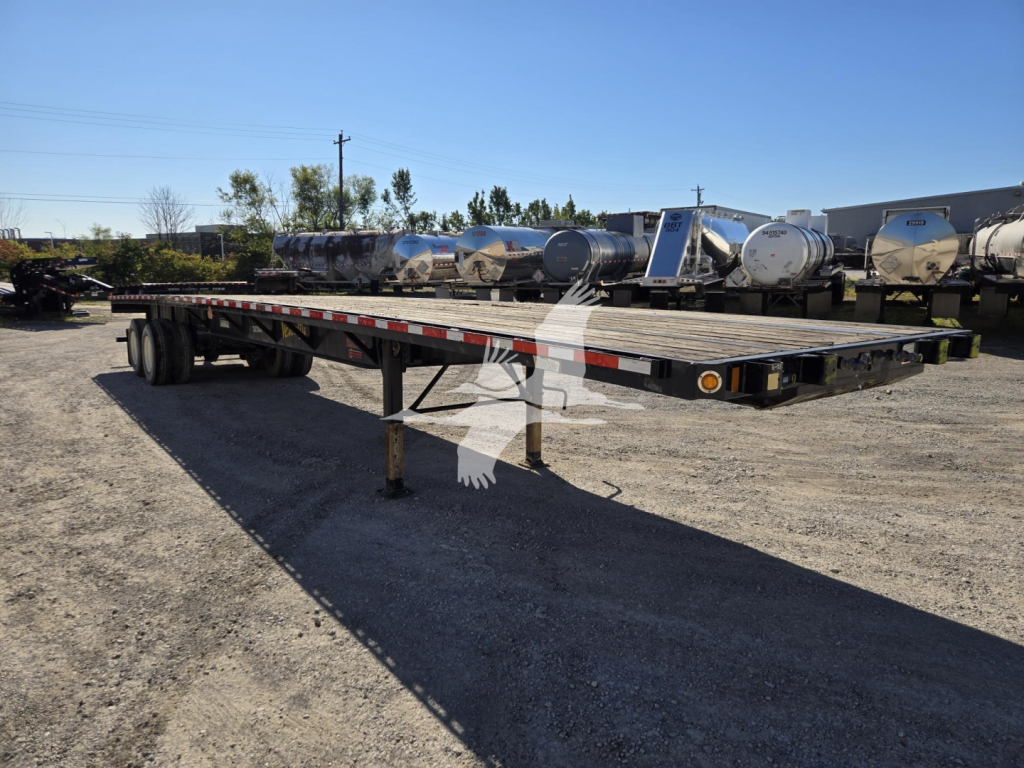
A major buying decision is aluminum versus steel construction. Aluminum flatbed trailers, including all-aluminum designs, are favored when payload matters because they keep trailer weight down and resist corrosion well in year-round service. Steel flatbeds are often chosen for heavier-duty applications where deck abuse, concentrated point loading, or lower upfront cost matters more than tare weight. Floor type also changes how the trailer works day to day. Aluminum floors help reduce empty weight, while wood floors are still common for mixed freight because they provide traction, are easy to repair, and work well with forklifts. Buyers should also look closely at crossmember centers, side rail condition, nailing strips, and concentrated load ratings such as coil package capacity or pounds in a defined deck section.
Securement and running gear deserve the same attention as overall condition. A used flatbed should be evaluated for winch track location, number of sliding winches, pipe spools, chain tie-down options, toolboxes, and the presence of coil packages or extra crossmembers. Suspension type is typically air ride on late-model flats, often paired with tandem axle configurations and either fixed or sliding tandem settings depending on bridge law flexibility. Brake type, tire condition, wheel material, kingpin setting, landing gear, and lighting all affect operating cost after purchase. On used trailers in particular, check for floor damage, rail wear, crossmember repairs, fifth wheel plate wear, brake life, tire inflation systems, and signs of corrosion around fasteners, rear structure, and suspension hangers.
For many buyers, the best used flatbed trailer is not the lightest or the cheapest. It is the one that matches the freight mix and loading method. A trailer set up with double pipe spools, dual-sided winch tracks, disc brakes, air ride, and a coil package is better suited for steel and open-deck industrial freight than a basic general-purpose flat. A sliding tandem steel flatbed may make more sense for mixed regional work where axle adjustment is important. In Ohio, buyers often compare bridge-friendly axle settings, winter exposure, and maintenance history alongside deck specs. A clean used flatbed with the right securement package and sound structural condition can stay productive for years in regional or over-the-road service.
Frequently Asked Questions about Used Flatbed Trailers in Ohio
What is the most common size for a used flatbed trailer?
The most common flatbed trailer size is 48 feet long by 102 inches wide with tandem axles. That setup works for a broad range of freight, including steel, lumber, machinery, and palletized building materials. Some buyers move up to 53-foot flats for added deck space, but 48-foot trailers remain a standard choice because they balance payload, maneuverability, and load compatibility well.
Is an aluminum flatbed better than a steel flatbed?
An aluminum flatbed is usually preferred when payload and corrosion resistance are top priorities, because the trailer weighs less and generally handles road salt exposure better. A steel flatbed can be a better fit when the work involves rough loading conditions, concentrated deck abuse, or a lower purchase price matters more than tare weight. The right choice depends on the freight, lane, and how hard the trailer will be used.
What should I inspect first on a used flatbed trailer?
Start with the structural items that are expensive to correct. Check the frame, crossmembers, side rails, floor condition, suspension mounts, kingpin area, and rear impact structure for damage, repairs, or corrosion. Then review the running gear, including brakes, tires, wheels, hubs, air system components, and landing gear. Securement equipment such as winch tracks, sliding winches, tie-down points, and pipe spools should also be inspected because missing or worn components add replacement cost quickly.
Do I need a coil package on a flatbed trailer?
A coil package is important if the trailer will haul steel coils or other concentrated loads that place high weight in a short section of the deck. These packages typically include reinforced crossmember areas and specific load ratings over a defined deck span. If the trailer will only haul general commodity freight, a coil package may not be necessary, but for steel work it is a valuable spec that can expand load opportunities and protect the trailer structure.
Why does kingpin setting and tandem position matter on a flatbed?
Kingpin setting and tandem position affect axle spread, bridge compliance, and how weight is distributed between the tractor and trailer axles. On a used flatbed, these dimensions matter because they influence how easily the trailer can be loaded legally for different commodities and routes. A fixed setting may be fine for consistent freight, while a sliding tandem offers more flexibility when axle weights and state bridge requirements vary.