
Used 2015 Flatbed Trailers For Sale in Ohio
Have used 2015 flatbed trailer to sell? List it here to reach thousands of buyers.
Used 2015 Flatbed Trailers in Ohio
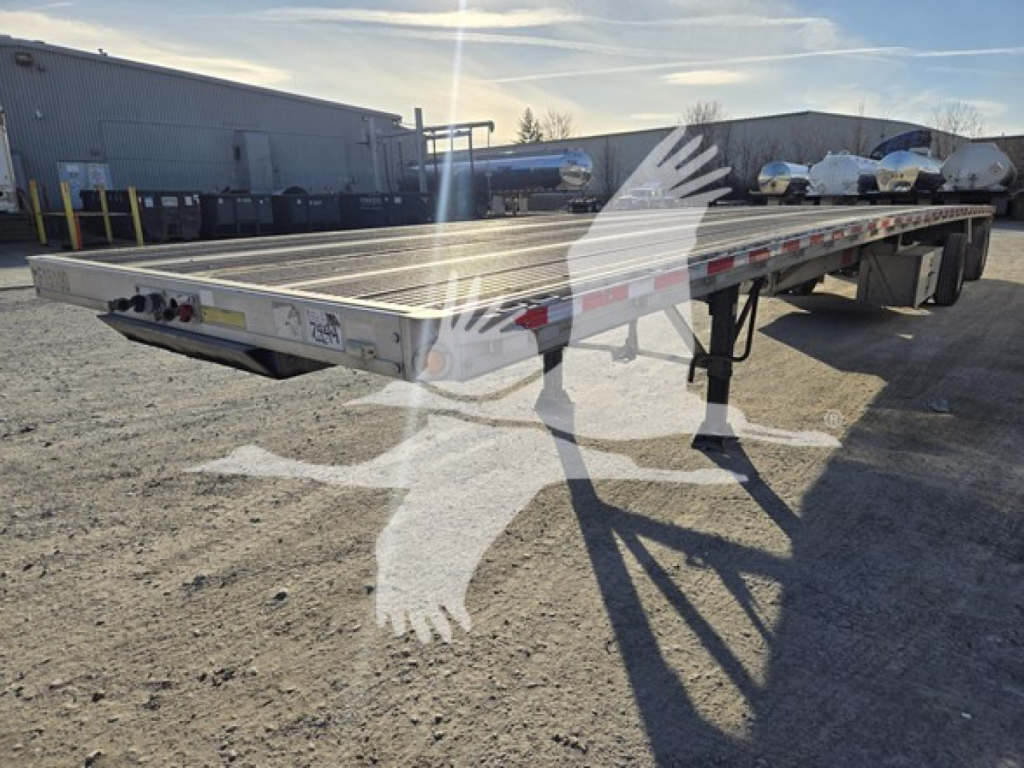
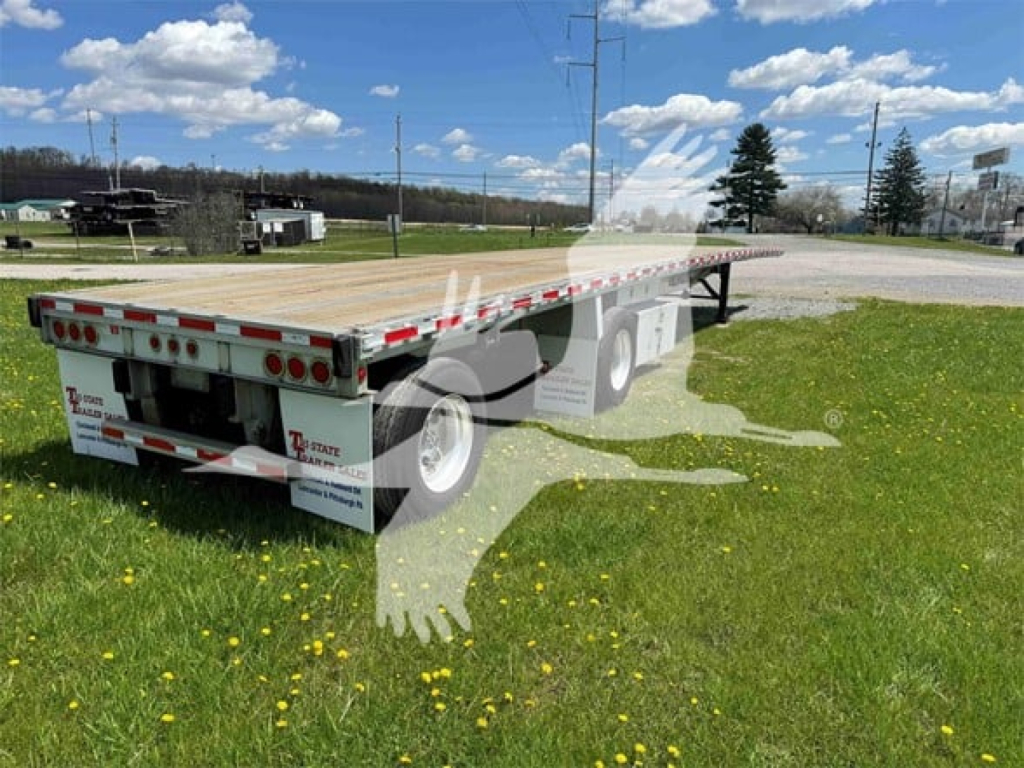
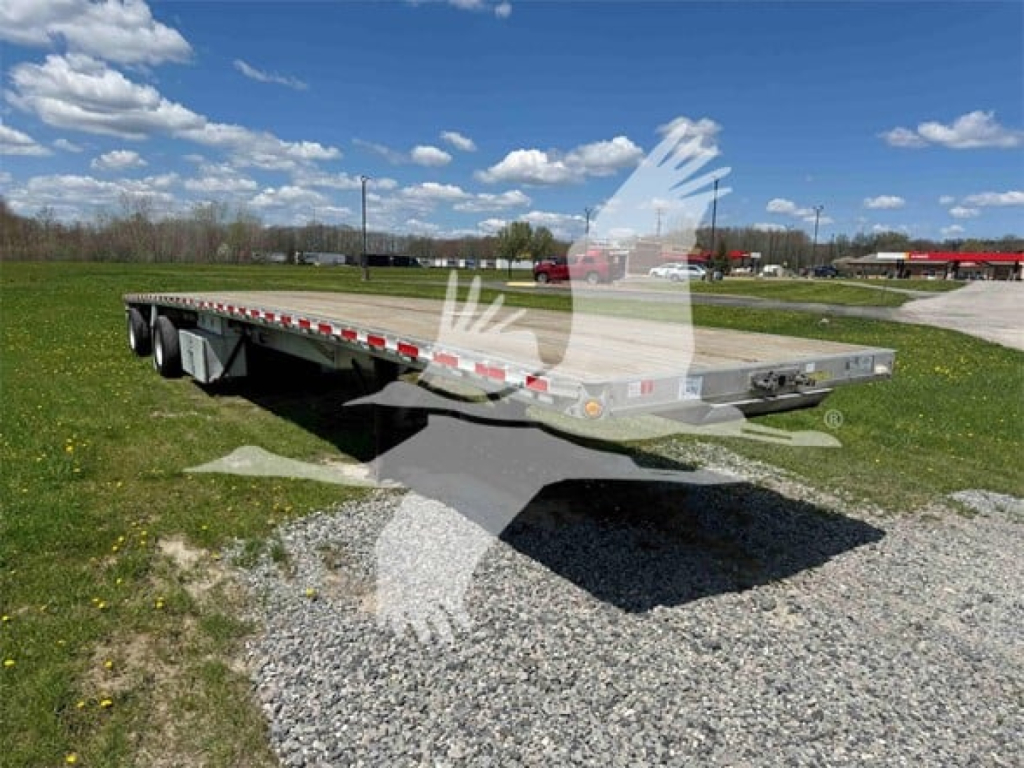
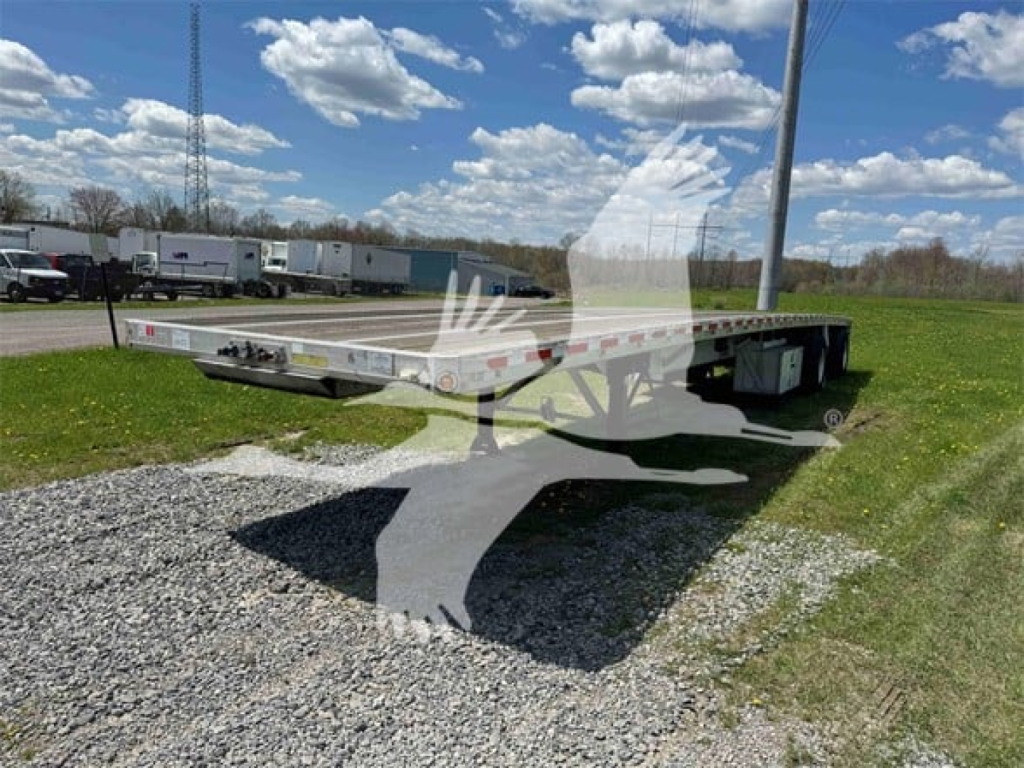
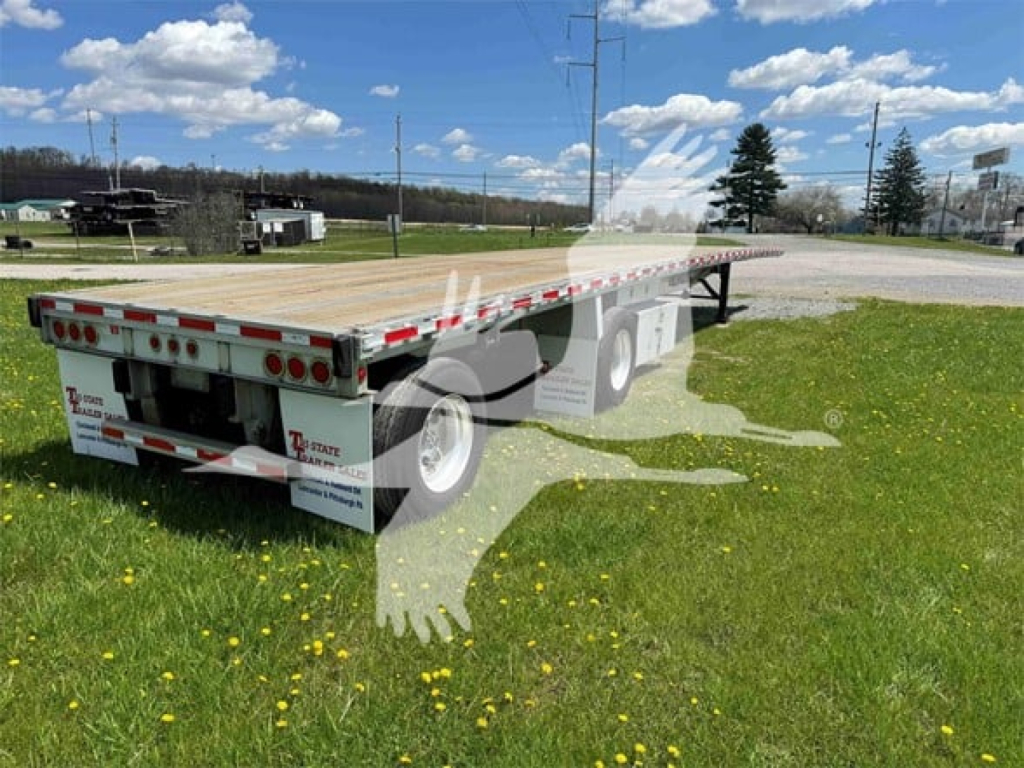
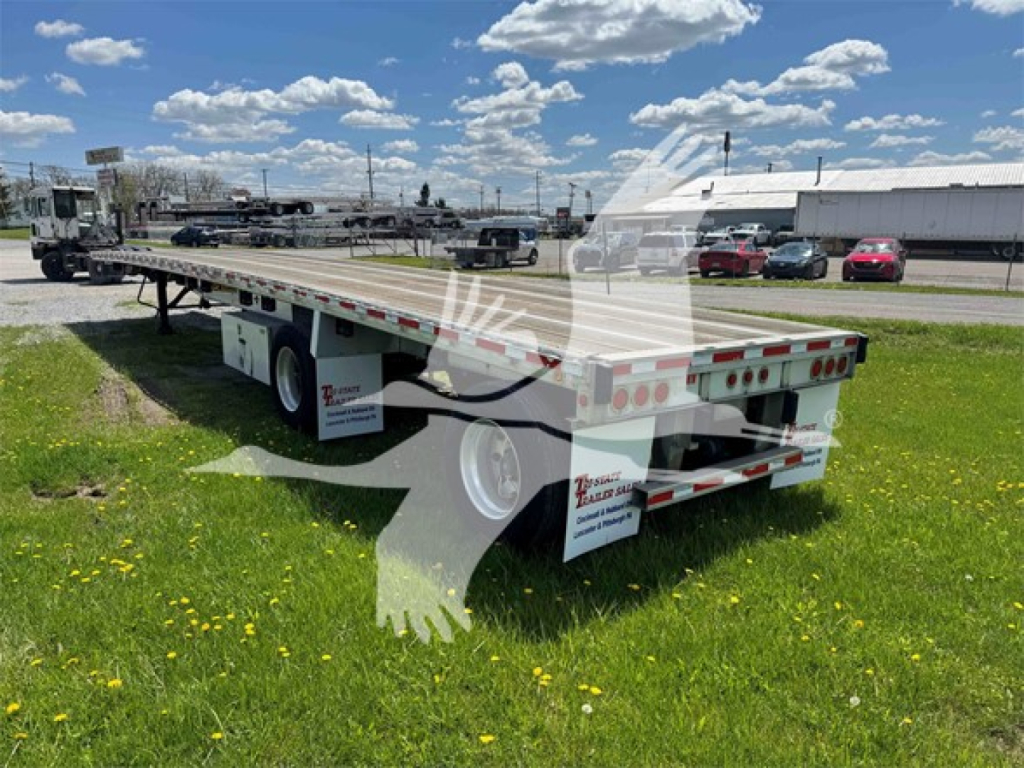
For most 2015 flatbed trailers, the core spec set starts with a 48-foot by 102-inch deck, tandem axles, and air ride suspension. Common details include sliding winches, winch tracks on one or both sides, pipe spools, wood or aluminum flooring, and standard two-speed landing gear. Buyers should pay close attention to kingpin setting, tandem slide length or suspension setting, crossmember spacing, and any coil package. A trailer with 15-inch or 16-inch crossmember centers and extra crossmembers in the coil area is better suited for concentrated steel loads. Lightweight aluminum models can come in around the low 9,000-pound range, which is a major advantage for payload-sensitive freight.
On a used 2015 flatbed, condition matters more than brand decal. Check frame and side rail straightness, floor wear, cracked welds, winch track condition, landing gear operation, and the condition of the rear structure. Suspension components, bushings, air bags, brake type, wheel-end condition, and tire wear patterns tell you a lot about how the trailer was maintained. Disc brakes and tire inflation systems are valuable features in this category because they can improve stopping consistency, reduce maintenance intervals, and help control tire-related downtime. If the trailer has aluminum wheels, toolboxes, nailing strips, or dual-sided securement hardware, those items add day-to-day usability for a driver and reduce the need for immediate upfitting.
The best 2015 flatbed trailer for sale is the one matched to your freight profile, not just the lowest purchase price. A coil-hauling operation should prioritize deck rating, coil package reinforcement, and securement layout. A general freight carrier may put more value on low tare weight, air ride, and versatile winch placement. In Ohio, where weather, road salt, and seasonal load mix can all affect trailer longevity, inspection dates, brake life, floor condition, and corrosion resistance deserve close review. Flatbed trailers are also commonly referred to simply as flatbeds or open-deck trailers, and the right setup can stay productive for years if the structure and running gear are still sound.
Frequently Asked Questions about Used 2015 Flatbed Trailers in Ohio
What should I look for first on a used 2015 flatbed trailer?
Start with the structure and running gear. Check the main beams, crossmembers, side rails, and rear frame for cracks, bends, or poor repairs. Then inspect the suspension, axle alignment, brakes, tires, and wheel ends. Floor condition is also important because damaged aluminum or worn wood decking affects both safety and load securement. On a flatbed, securement equipment such as winch tracks, sliding winches, pipe spools, and rub rail condition should be evaluated early because replacement costs add up quickly.
Is an aluminum 2015 flatbed better than a steel flatbed?
It depends on the freight and the operating model. Aluminum flatbeds are lighter, which helps increase payload and improve corrosion resistance, an advantage in states like Ohio where trailers see road salt and wet conditions. Steel flatbeds are typically heavier but may offer a lower purchase price and can be preferred in applications where ruggedness and repair familiarity are priorities. The right choice comes down to payload needs, maintenance philosophy, and how rough the loading environment is.
Why do coil packages and crossmember spacing matter on flatbed trailers?
Coil freight puts concentrated weight in a small section of the deck, so the trailer needs reinforcement in that area. A coil package usually includes additional crossmembers and a layout designed to handle high point loads more safely. Closer crossmember spacing, such as 15-inch centers, generally supports heavy concentrated freight better than wider spacing. If the trailer will haul steel coils, plate, or other dense freight, these structural details are more important than cosmetic condition.
Are disc brakes and tire inflation systems worth paying for on a used flatbed?
In many operations, yes. Disc brakes can provide stronger and more consistent braking performance, and they are often easier to inspect for wear. A tire inflation system helps maintain proper tire pressure across the trailer, which can reduce irregular wear and roadside failures. On a used trailer, these features do not replace the need for a full inspection, but they can add real value by lowering downtime and improving operating efficiency.
What size and configuration is most common for a 2015 flatbed trailer?
A very common setup is a 48-foot long, 102-inch wide tandem axle flatbed with air ride suspension. Many trailers in this class also include sliding winches, pipe spools, a standard kingpin setting, and either aluminum or wood flooring depending on deck design. That configuration works well for general open-deck freight because it balances legal capacity, securement flexibility, and compatibility with a wide range of loads.