
Used Curtainside Trailers For Sale in Ohio
Have used curtainside trailer to sell? List it here to reach thousands of buyers.
Used Curtainside Trailers in Ohio
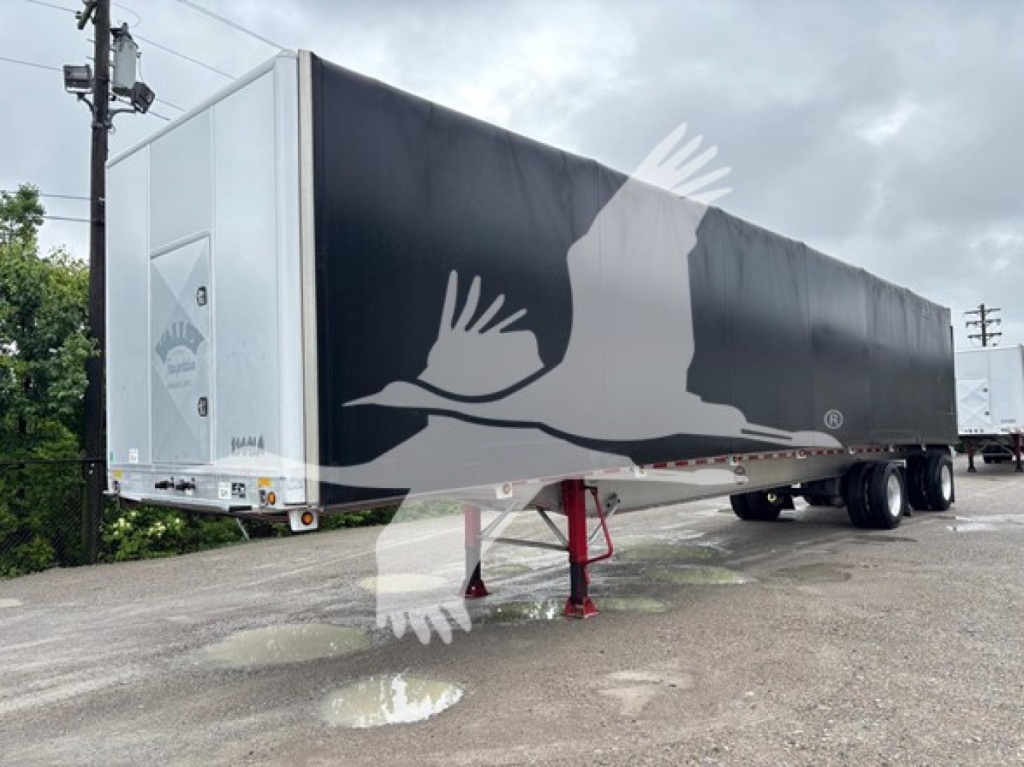
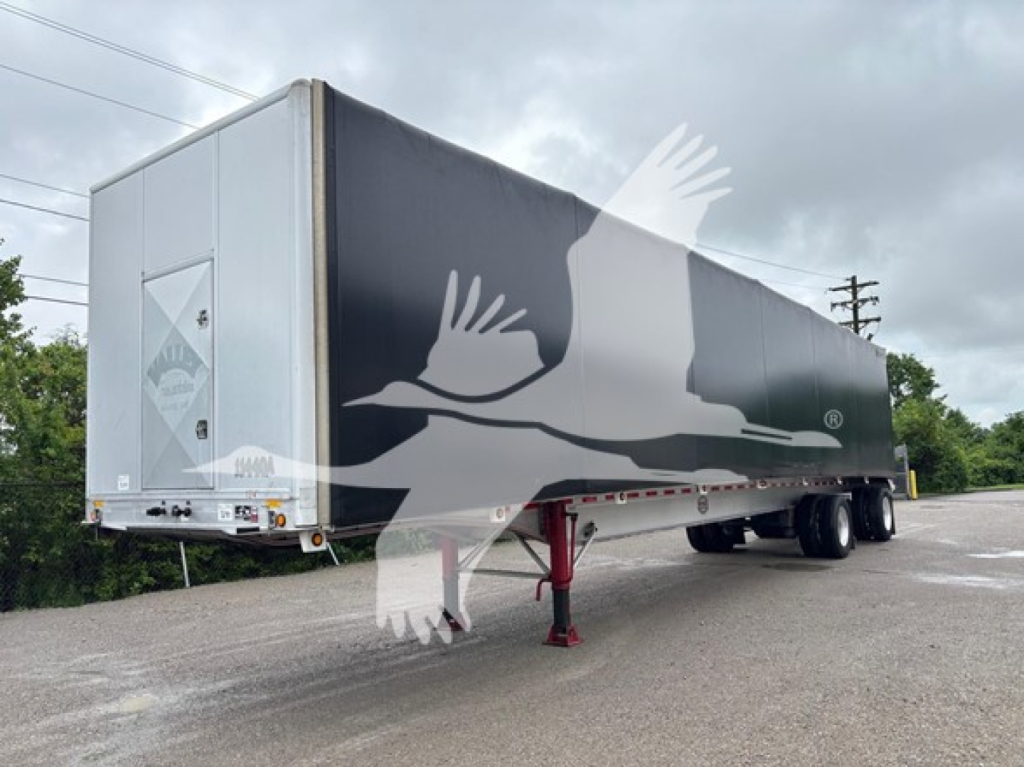
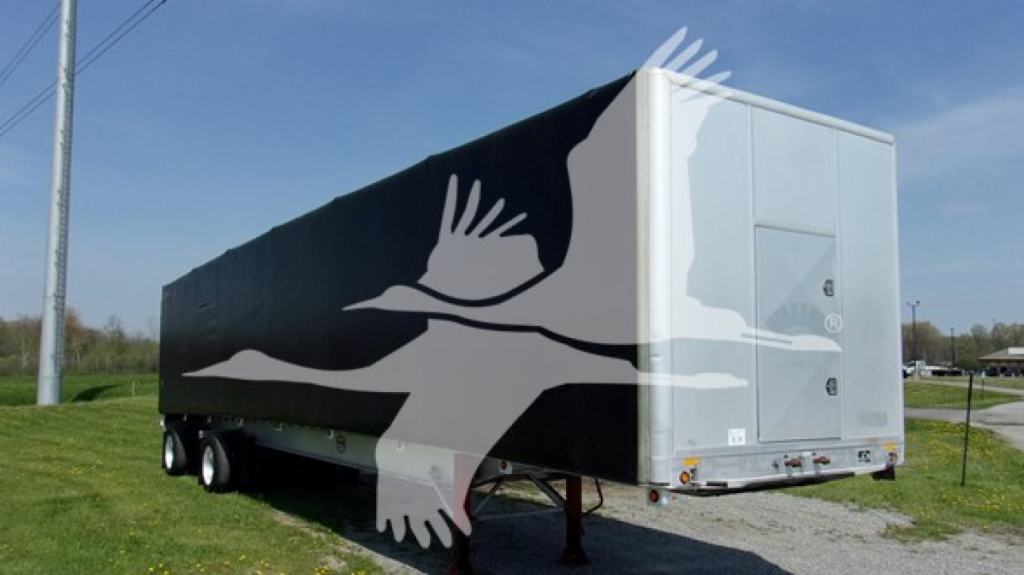
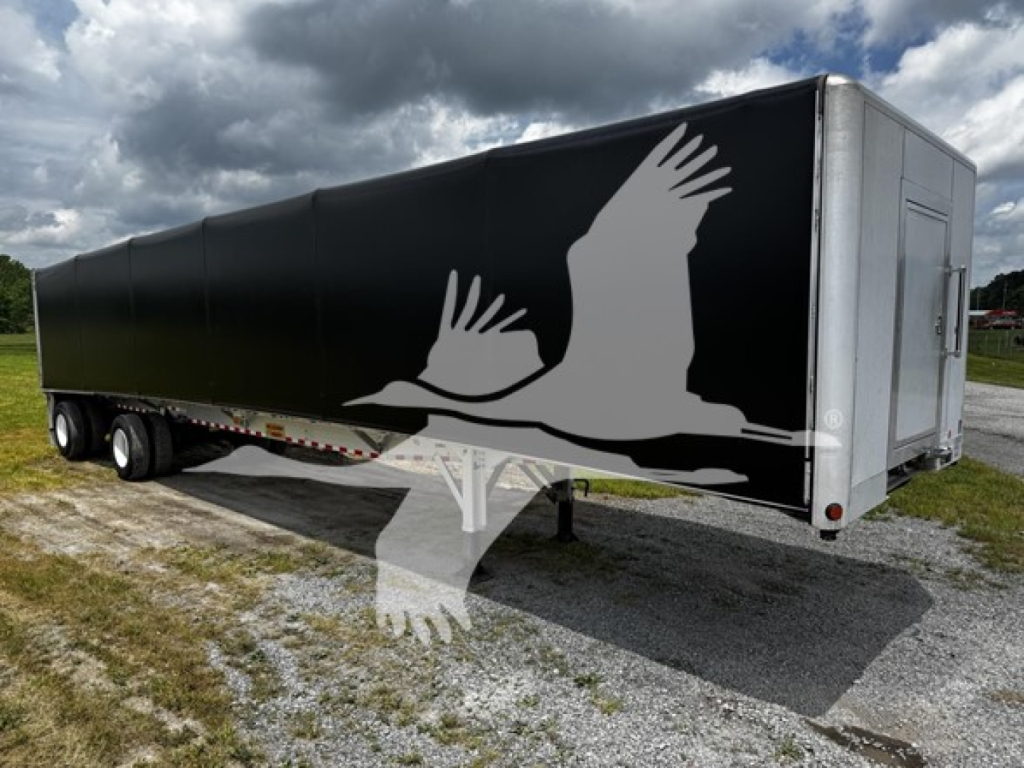
A buyer should start with the trailer platform under the curtain system. Most used curtainside trailers in this class are 48 feet long and 102 inches wide, typically on tandem axles with air ride suspension such as Hendrickson Intraax setups in the 25,000 to 30,000 lb range. Pay attention to floor construction, crossmember spacing, coil package design, side rail strength, and kingpin setting because those details determine how versatile the trailer will be for steel coils, crated machinery, lumber, or general commodity freight. Aluminum floors, nailing strips, bulkheads, chain racks, pipe spools, and tie-down hooks are all worth checking closely, especially if the trailer has been used in mixed freight service.
The curtain or tarp system deserves the same level of inspection as the chassis. Common used configurations include Conestoga-style systems from brands such as Quick Draw and Fast Track. Look at rear roll operation, track condition, bows, rollers, curtain wear points, latch function, and how square the frame remains when the system is opened and closed. A clean tarp can still hide expensive issues if the hardware is worn or the frame has seen heavy side-loading. Tire size, brake life, landing gear condition, dump valve operation, lighting, and wheel type also affect near-term operating cost, particularly for fleets running Ohio turnpike miles, regional steel routes, or frequent shipper stops.
The best used curtainside trailer is the one whose securement package matches your freight mix. Some are set up more like a flatbed with sliding winches and winch tracks, while others lean toward specialized steel hauling with coil packages, stub crossmembers, and heavy-duty beam ratings. Interior height and width matter if you handle taller palletized freight or awkward industrial loads. Buyers comparing listings should think beyond trailer age and focus on spec discipline, tarp system condition, and how the trailer has been maintained. In this category, those factors usually matter more than model year alone.
Frequently Asked Questions about Used Curtainside Trailers in Ohio
What is a curtainside trailer used for?
A curtainside trailer is used to haul freight that needs weather protection but also benefits from side loading or overhead loading. It is common in steel, building materials, machinery, palletized products, and industrial freight because the curtain system opens the trailer side without the fixed wall limitations of a dry van. Many buyers also refer to this setup as a Conestoga trailer when it uses a rolling tarp system over a flatbed-style platform.
What should I inspect first on a used curtainside trailer?
Start with the tarp system and the trailer structure together. Check the curtain tracks, rollers, rear roll assembly, bows, frame alignment, and tarp wear, then inspect the floor, crossmembers, side rails, landing gear, suspension, brakes, and tires. On used units, the biggest cost surprises often come from damaged tarp hardware, worn suspension components, or structural fatigue around coil packages and tie-down areas rather than cosmetic exterior wear.
Are curtainside trailers good for steel hauling?
They can be, but the trailer must be spec'd for it. Steel service usually calls for a coil package, strong crossmember layout, adequate beam capacity, proper tie-down points, chain storage, and a durable floor. Many used curtainside trailers in Ohio have flatbed-based specs that suit coil and metal product work, but buyers should confirm the exact securement and structural features before assigning the trailer to concentrated loads.
What suspension and axle setup is common on used curtainside trailers?
Most used curtainside trailers in this segment are tandem axle trailers with air ride suspension. Hendrickson Intraax systems are common, often in 25K or 30K configurations, because they provide good ride quality and cargo protection for mixed freight. Buyers should also verify suspension setting, dump valve operation, axle alignment, and brake condition since those directly affect tire wear, handling, and maintenance cost.
How is a curtainside trailer different from a dry van or flatbed?
A curtainside trailer combines features from both. Like a dry van, it protects freight from weather. Like a flatbed, it allows side access and can be loaded from above when the curtain system is opened. That makes it attractive for shippers that cannot easily load through swing doors or want covered transport without giving up flexible loading access. The tradeoff is that curtain system condition and securement spec become more important buying decisions than they are on a standard van trailer.