
Used 2013 Curtainside Trailers For Sale in Ohio
Have used 2013 curtainside trailer to sell? List it here to reach thousands of buyers.
Used 2013 Curtainside Trailers in Ohio
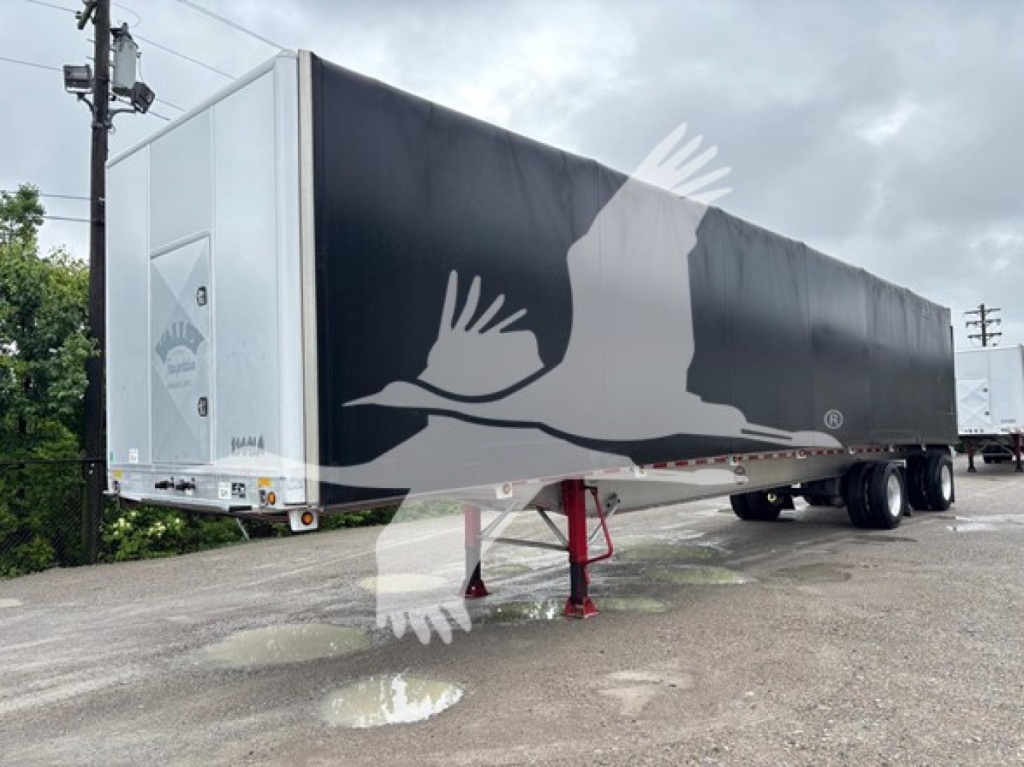
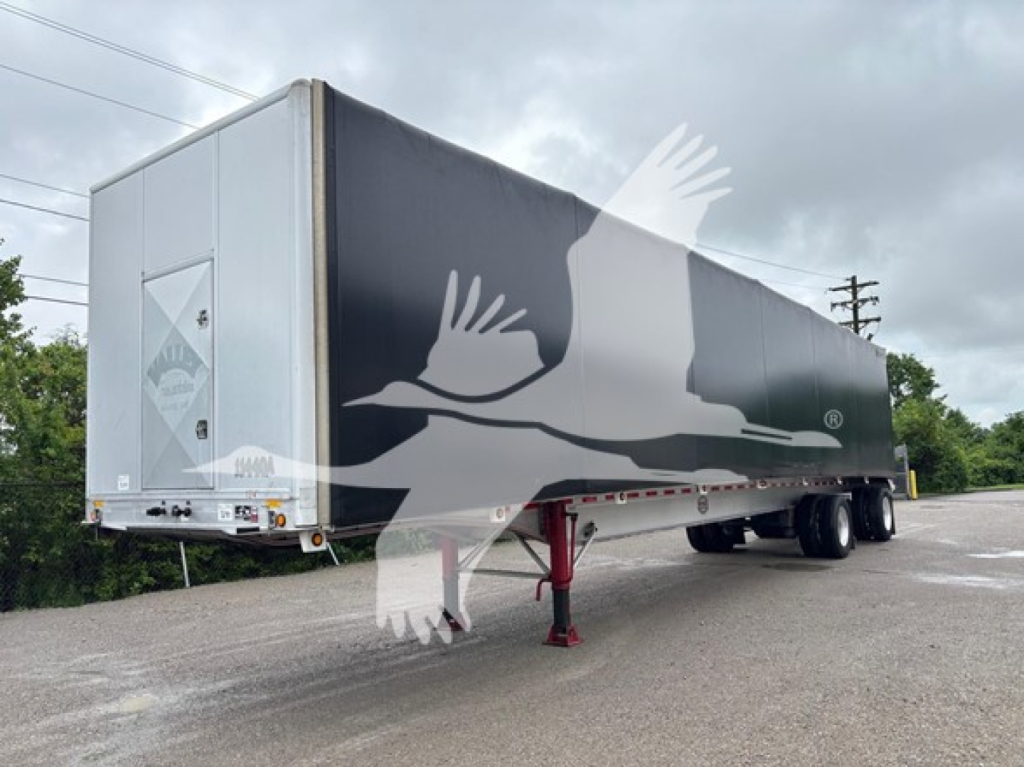
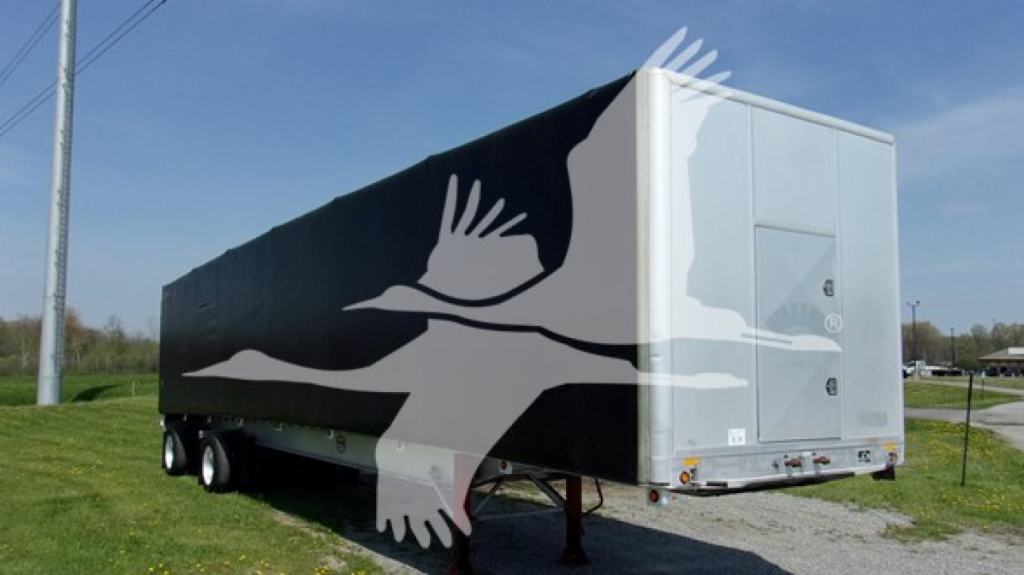
A typical 2013 curtainside trailer in this segment is a 48-foot by 102-inch platform with a sliding tarp system, aluminum construction, and tandem air ride suspension. Buyers will often see MAC and Reitnouer units with Conestoga-style systems from brands such as Fast Track or Quick Draw. Common specs include aluminum floors, aluminum side rails, bulkheads, chain racks, pipe spools, two-speed landing gear, and kingpin settings around 30 inches. Suspension setups like Hendrickson Intraax are common, and axle ratings often fall in the 25K to 30K range depending on the build. Interior clearance matters, especially for taller skidded freight, so it is worth confirming inside height and width rather than assuming all curtainside systems are the same.
The best used 2013 curtainside trailers are judged less by model year alone and more by tarp system condition, frame integrity, and deck usability. On a used unit, inspect bows, rollers, tracks, rear roll assembly, latch function, and curtain fabric for tears, patching, shrinkage, or water intrusion points. Check the floor closely for forklift damage, especially on aluminum decks, and verify crossmember spacing if the trailer will handle concentrated loads such as coils or dense pallet freight. Coil packages, extra stub crossmembers, tiedown hooks, sliding winches, and nailing strips add real value for certain applications. Tire condition, brake percentage, suspension bushing wear, and landing gear operation should also be reviewed carefully because repair costs on an older trailer can change the value equation quickly.
For Ohio buyers, curtainside trailers make sense on mixed regional and over-the-road work where freight protection, loading speed, and securement options all matter. A 2013 model can still be a strong asset if the tarp system operates smoothly and the trailer has the right deck, tiedown, and suspension configuration for the freight you haul. Matching the trailer to the cargo is the key decision. Steel and machinery operators may prioritize beam strength, coil packages, and tiedown hardware, while general freight carriers may care more about inside clearance, curtain travel, and overall empty weight.
Frequently Asked Questions about Used 2013 Curtainside Trailers in Ohio
What is the difference between a curtainside trailer and a Conestoga trailer?
The terms are often used interchangeably in the market, but many buyers use Conestoga to describe a flatbed with a rolling tarp system that retracts along tracks, while curtainside can also refer more broadly to trailers with side curtains for cargo access. In heavy-haul and flatbed freight, the used units in this category are commonly Conestoga-style flatbed trailers that provide overhead and side weather protection while keeping open-deck loading capability.
What should I inspect first on a used 2013 curtainside trailer?
Start with the tarp system and the structure underneath it. The most important inspection points are the curtain material, bows, rollers, track alignment, rear closure, and how smoothly the system opens and closes. After that, inspect the aluminum floor, crossmembers, side rails, landing gear, suspension, brakes, and tires. A trailer can look clean but still need expensive tarp hardware or structural repairs, so operating the system during inspection is important.
Are 48-foot used curtainside trailers suitable for steel and coil hauling?
Many are, but only if the trailer is equipped for concentrated load work. Buyers hauling steel should look for a true coil package, closer crossmember spacing, sufficient beam capacity, and strong tiedown provisions such as hooks, chain racks, and winch setups if applicable. Not every curtainside trailer is built for heavy steel service, so the deck structure matters more than the tarp system alone.
Why is air ride suspension common on curtainside trailers?
Air ride suspension helps protect sensitive freight and improves ride quality compared with harsher suspension types. That matters on curtainside trailers because they often haul finished products, machinery, palletized freight, and other cargo that benefits from reduced shock and vibration. Systems such as Hendrickson Intraax are widely used because they are familiar to maintenance shops and common in fleet service.
Does a used 2013 curtainside trailer still make sense for fleet use in Ohio?
Yes, if the trailer matches the freight and has been maintained properly. Ohio freight lanes include steel, manufacturing inputs, machinery, and building materials, all of which can fit a curtainside application well. A 2013 unit can remain productive when the frame, suspension, brakes, and tarp system are in solid condition. The real value comes from buying a trailer with the right structural specs and securement features for the work instead of focusing only on age.