
Used 2013 Mac Curtainside Trailers For Sale in Ohio
Have used 2013 mac curtainside trailer to sell? List it here to reach thousands of buyers.
Used 2013 Mac Curtainside Trailers in Ohio
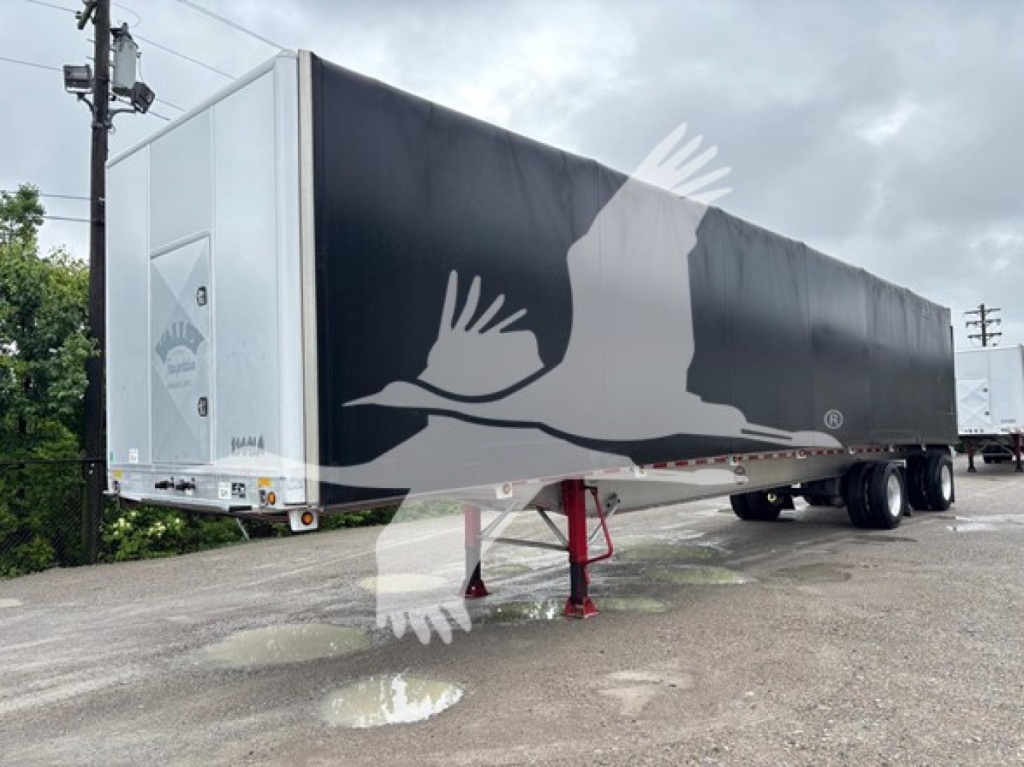
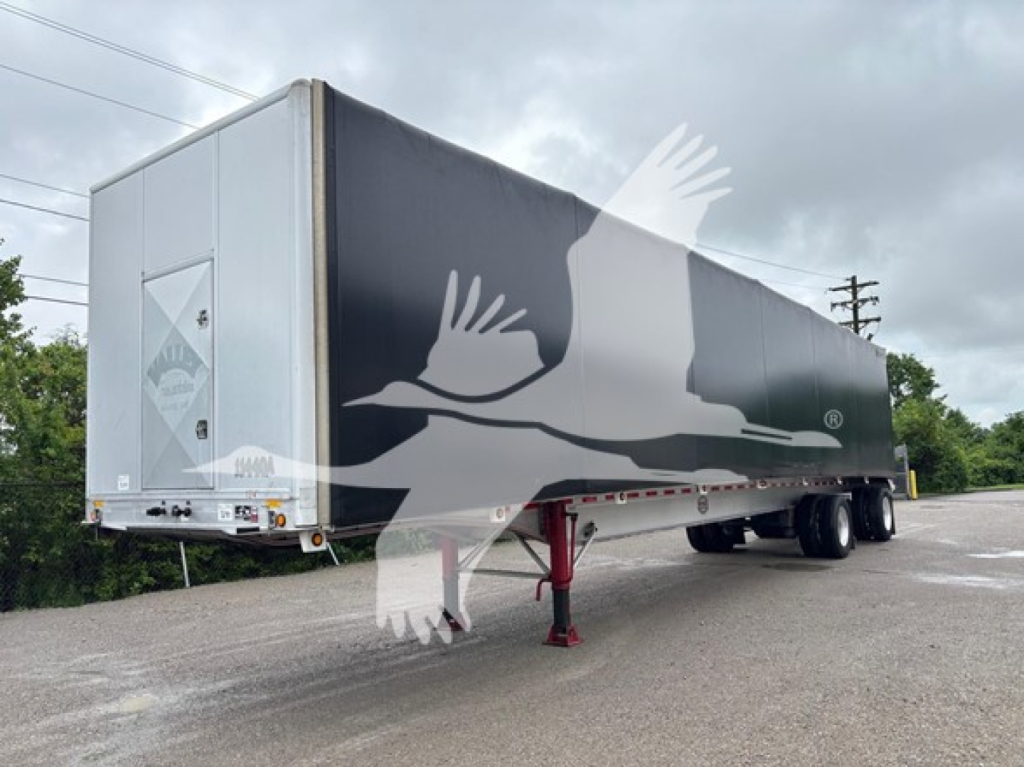
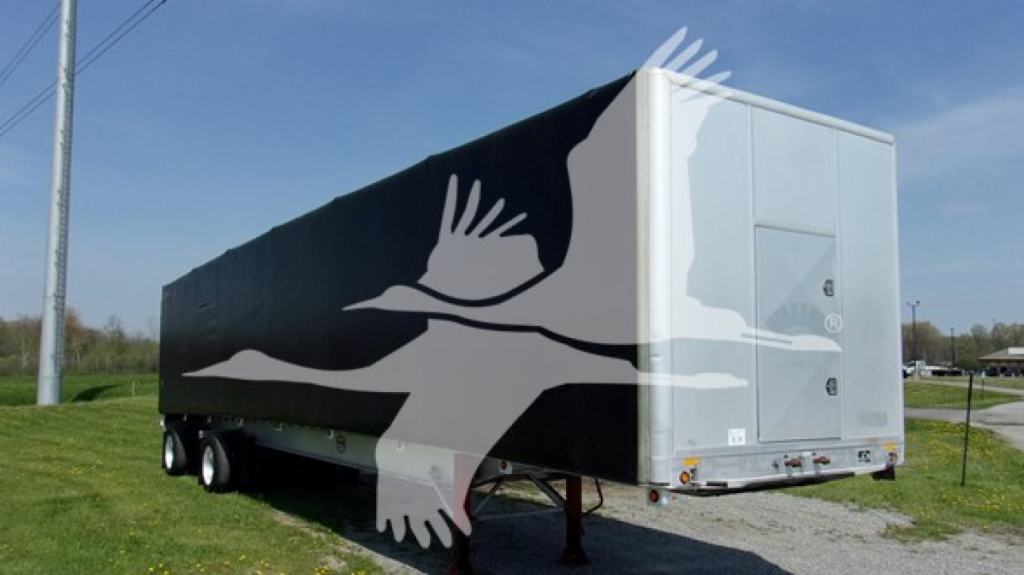
Many 2013 Mac curtainside trailers were spec'd with aluminum construction, including aluminum floors, bulkheads, side rails, and front and rear members. That helps keep tare weight down while still supporting demanding regional and long-haul work. Common specs in this class include a 72K beam rating, air ride suspension, tandem axles, 24.5 low-pro tires, and a 30-inch kingpin setting. Hendrickson Intraax 30K suspension is a frequent spec and is well regarded for parts availability and ride quality. Details such as 16-inch crossmember spacing, coil package provisions, Mac tiedown hooks, chain racks, pipe spools, and nailing strips matter if the trailer will handle steel, coils, lumber, or mixed freight that needs flexible securement options.
For Ohio operations, a used Mac curtainside often makes sense for manufacturing, steel, distribution, and building material lanes where freight protection and dock independence both matter. A curtainside can reduce loading delays compared with a van when shippers use forklifts from the side, and it can be more practical than a standard flatbed when freight cannot ride uncovered. The tradeoff is that the curtain system, rollers, bows, and latch points need regular inspection. On a used 2013 unit, pay close attention to tarp wear, rear roll operation, bulkhead condition, floor damage from concentrated forklift traffic, and any signs of side impact or rail distortion. Brake life, tire matching, suspension bushing wear, and landing gear condition are also key checkpoints on a trailer that may have seen heavy regional use.
The best buyer fit for a 2013 Mac curtainside trailer is someone who understands securement and wants a trailer that can move specialized freight without the full limitations of a dry van. Look closely at inside height and width, tiedown count, coil package layout, and the absence or presence of winch track depending on your freight mix. If the trailer will haul steel or denser commodities, verify beam rating, crossmember condition, and floor integrity. If it will stay in palletized freight service, smooth curtain travel, forklift clearance, and clean side opening dimensions may matter more. Mac has a strong reputation in aluminum trailer construction, so a well-maintained used curtainside from this year can still be a productive asset when the structural condition and tarp system are right.
Frequently Asked Questions about Used 2013 Mac Curtainside Trailers in Ohio
What is a 2013 Mac curtainside trailer best used for?
A 2013 Mac curtainside trailer is best suited for freight that needs weather protection but also benefits from full side loading access. Common applications include building materials, palletized products, packaged steel, machinery, and other freight that can be loaded by forklift from the side. It fills the gap between a flatbed and a dry van by combining securement flexibility with a covered cargo area.
What should I inspect first on a used Mac curtainside trailer?
Start with the curtain or Conestoga-style tarp system, including the fabric, rollers, track, bows, rear roll mechanism, and latch points. After that, inspect the aluminum floor, side rails, bulkhead, crossmembers, and beam structure for impact damage, repairs, or corrosion-related fatigue. Suspension condition, brake percentages, tire wear, kingpin area condition, and landing gear operation are also critical because those items drive immediate operating costs.
Are 2013 Mac curtainside trailers typically aluminum?
Many Mac curtainside trailers from this model year were built with substantial aluminum content, including the floor, bulkhead, side rails, and front and rear structural components. Aluminum construction helps reduce empty weight and can improve payload efficiency, especially in regional freight and manufacturing lanes. Buyers still need to inspect carefully for fatigue, floor wear, and prior repairs because light weight does not eliminate structural stress.
How important are specs like kingpin setting, suspension, and crossmember spacing on a curtainside trailer?
These specs matter because they affect compatibility, ride quality, load distribution, and how well the trailer handles dense freight. A 30-inch kingpin setting is common and should be matched to tractor and bridge requirements. Air ride suspensions such as Hendrickson Intraax 30K are popular for cargo protection and serviceability. Tight crossmember spacing, such as 16-inch centers, can be a real advantage when hauling heavier or more concentrated loads.
Is a curtainside trailer better than a flatbed for steel or building products?
It depends on the freight and the customer requirements. A curtainside is often a better choice when the load must stay dry or clean and still needs side access for forklifts. A flatbed may be simpler for oversized freight, irregular loading, or loads that do not require enclosure. For steel and building products, a curtainside can be a strong fit if the trailer has the right tiedowns, coil package, floor condition, and beam capacity for the intended work.