
Used Car Carrier Trailers For Sale in Ohio
Browse used car carrier trailers for sale in Ohio. Compare 3-car to 6-car haulers, deck layouts, GVWR, ramps, brakes, and tie-down setups.
Selling a used car carrier trailer? List your used car carrier trailer for sale and reach thousands of commercial buyers.
Used Car Carrier Trailers in Ohio
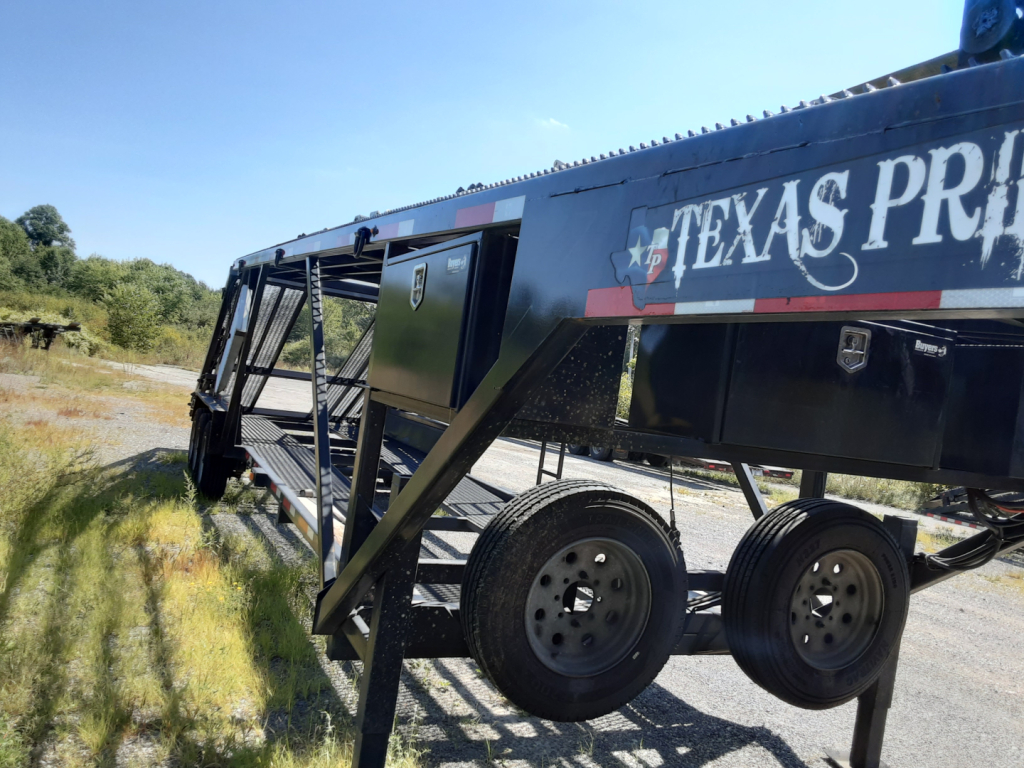
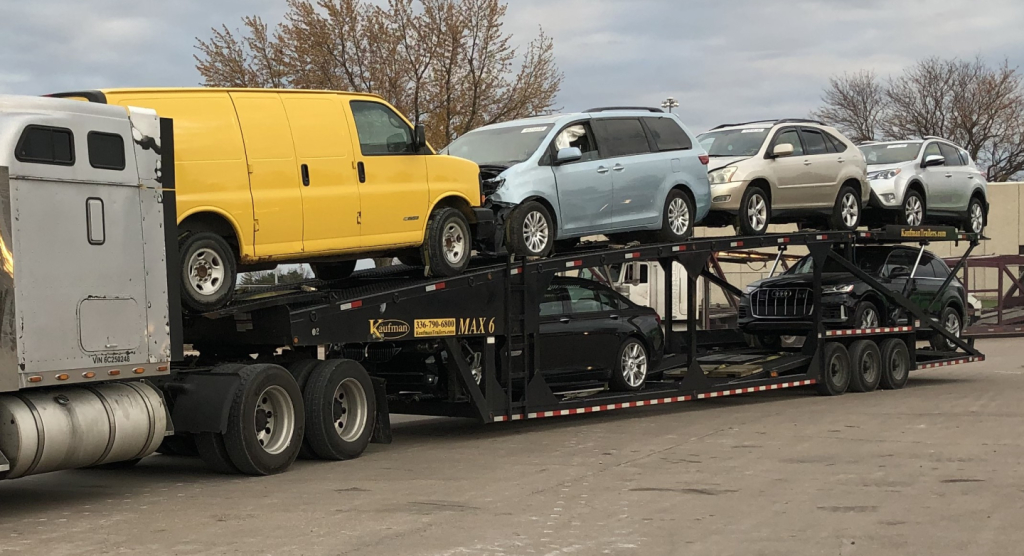
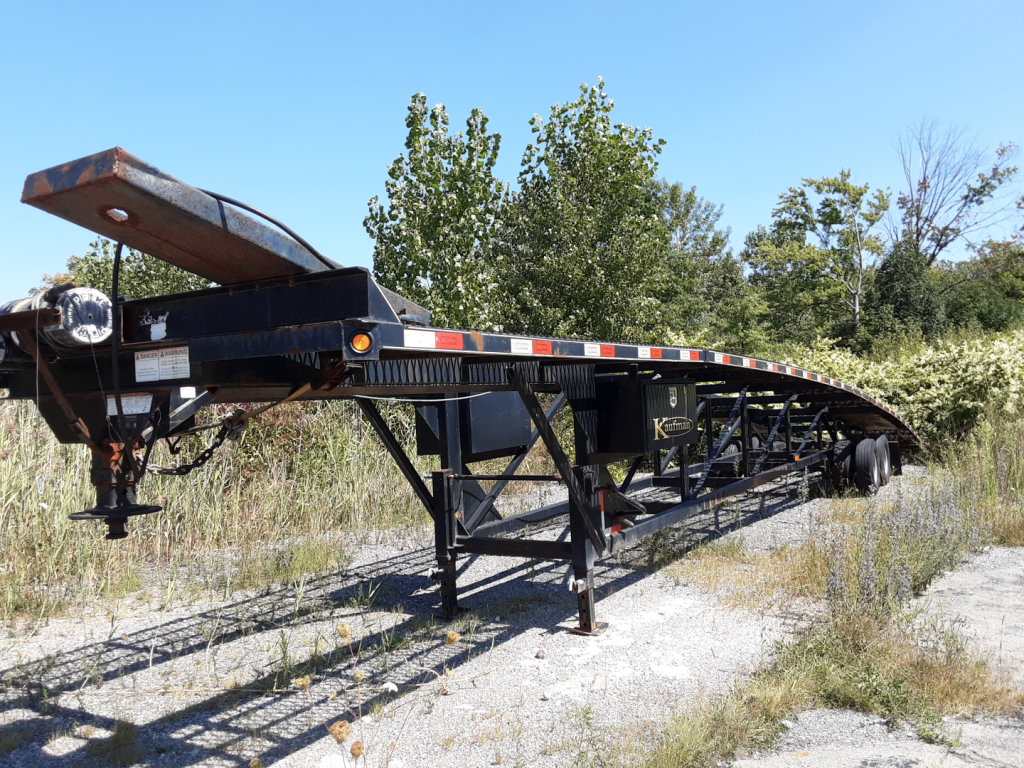
Deck design matters as much as car count. Many used car carrier trailers use a wedge-style layout, fixed decks, slide-out ramps, or hydraulic tilt sections to improve loading angle and reduce the risk of scraping low-clearance vehicles. Pay close attention to deck length, upper deck clearance, ramp length, and how the trailer stages taller units like crossovers and pickups. Frame construction, crossmember spacing, and deck material all affect long-term durability, especially on trailers that have seen regular auction, dealership, or multi-stop transport work. Buyers should also inspect winches, ratchets, wheel straps, D-rings, stake pockets, and other securement points since tie-down condition directly affects safety and loading efficiency.
On used units, running gear condition can make or break value. Check axle ratings, brake type, tire size, wheel condition, suspension wear, lighting, breakaway system, coupler or gooseneck setup, and any signs of frame stress around the neck, ramp pivots, and rear approach area. A car hauler that has spent time carrying heavier trucks may show more wear at the rear dovetail and axle area than one used mainly for compact cars. In Ohio, rust and corrosion deserve extra attention, especially on wiring, brake components, deck supports, and understructure areas exposed to road salt. Service records, title status, and any evidence of structural repair are worth reviewing before you compare price alone.
Tow compatibility is the final filter. Match the trailer’s GVWR, empty weight, hitch type, overall length, and brake setup to the truck that will pull it and the routes it will run. For many operators, a used car carrier trailer is a practical way to enter vehicle transport without moving into a full commercial stinger setup. The best choice is the one that loads your typical vehicles cleanly, secures them quickly, and stays within legal weight and length limits for your operation.
Frequently Asked Questions about Used Car Carrier Trailers in Ohio
What size used car carrier trailer is best for hauling 3 to 6 vehicles?
The best size depends on the vehicles you haul most often and the truck doing the pulling. A 3-car hauler is simpler to maneuver and often fits smaller operations handling local dealer moves or mixed retail transport. A 5-car or 6-car trailer improves trip efficiency, but only if your load mix, axle ratings, hitch setup, and tow vehicle can legally and safely handle the added length and weight. Capacity on paper is not enough. Clearance, wheelbase spacing, and the ability to load taller SUVs or pickups without interference are just as important.
What should I inspect first on a used car carrier trailer?
Start with the frame, axles, brakes, tires, ramps, and securement system. Look closely for rust, cracked welds, bent crossmembers, deck damage, worn ramp pins, and uneven tire wear that may point to alignment or suspension problems. Then inspect lighting, wiring, breakaway components, coupler or gooseneck hardware, and every tie-down point. On a car hauler, loading and securement hardware sees constant use, so worn straps, damaged ratchets, or stretched anchor points can quickly turn into downtime or safety issues.
Are wedge-style car hauler trailers better than flat deck designs?
A wedge-style car carrier trailer can make loading more efficient because the deck angles help maximize vehicle count within a given overall length. They are common in multi-car transport because they improve stacking and spacing for mixed vehicle heights. Flat deck designs can be simpler and sometimes more flexible for general hauling, but they usually do not package multiple vehicles as efficiently as a purpose-built wedge car hauler. The better design is the one that fits your typical load profile and reduces loading angle problems for low-clearance cars.
How important is rust inspection on a used car carrier trailer in Ohio?
Rust inspection is critical in Ohio because road salt can accelerate corrosion on structural steel, wiring, brake lines, and suspension components. Surface rust is common on used trailers, but scaling, flaking metal, corroded brake hardware, weakened deck supports, and damaged electrical grounds are more serious concerns. Pay special attention to the underside, axle hangers, ramp hinges, dovetail area, and any enclosed sections where moisture can collect. Corrosion in those areas can affect both safety and repair cost.
Can a pickup truck tow a used 5-car or 6-car carrier trailer?
Some heavy-duty pickups can tow larger car carrier trailers, but the answer depends on the trailer’s GVWR, empty weight, loaded vehicle mix, hitch type, and the truck’s actual tow and payload ratings. A trailer rated for 5 or 6 vehicles can exceed what many pickups can handle once fully loaded, especially with SUVs or light trucks onboard. Buyers should verify combined weight, brake requirements, tire ratings, and state length rules before assuming a larger carrier will work behind an existing truck.