
Used Car Carrier Trailers For Sale
Shop used car carrier trailers for vehicle transport. Compare 5-car to 8-car setups, deck style, ramps, axles, lift systems, and capacity.
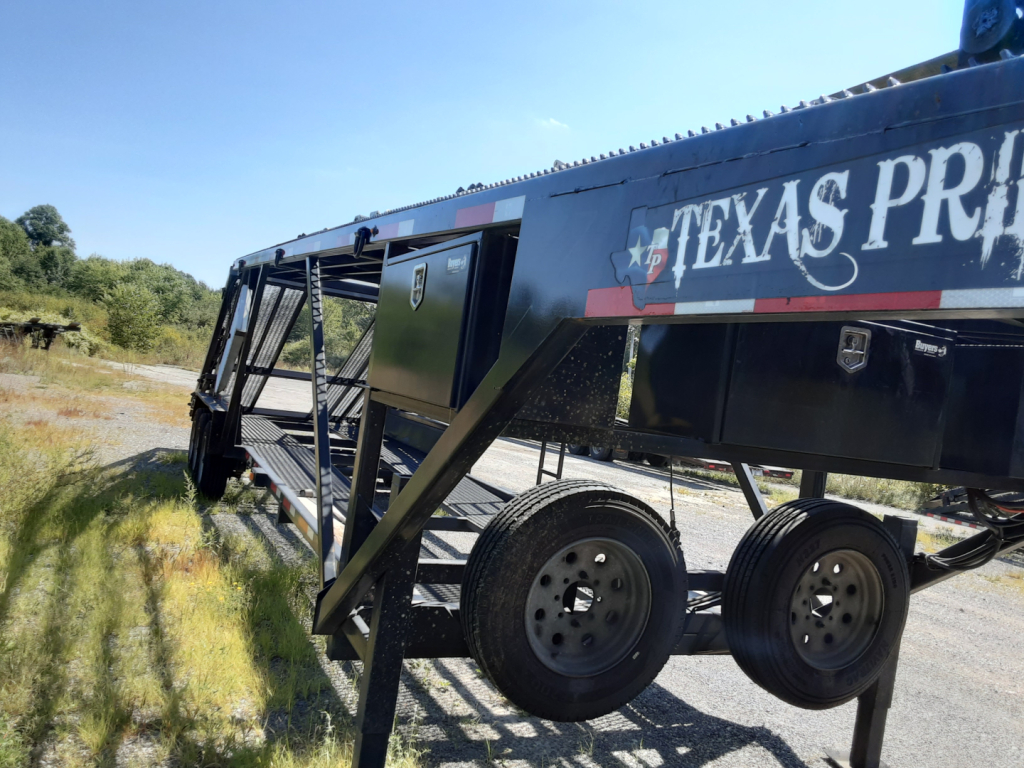

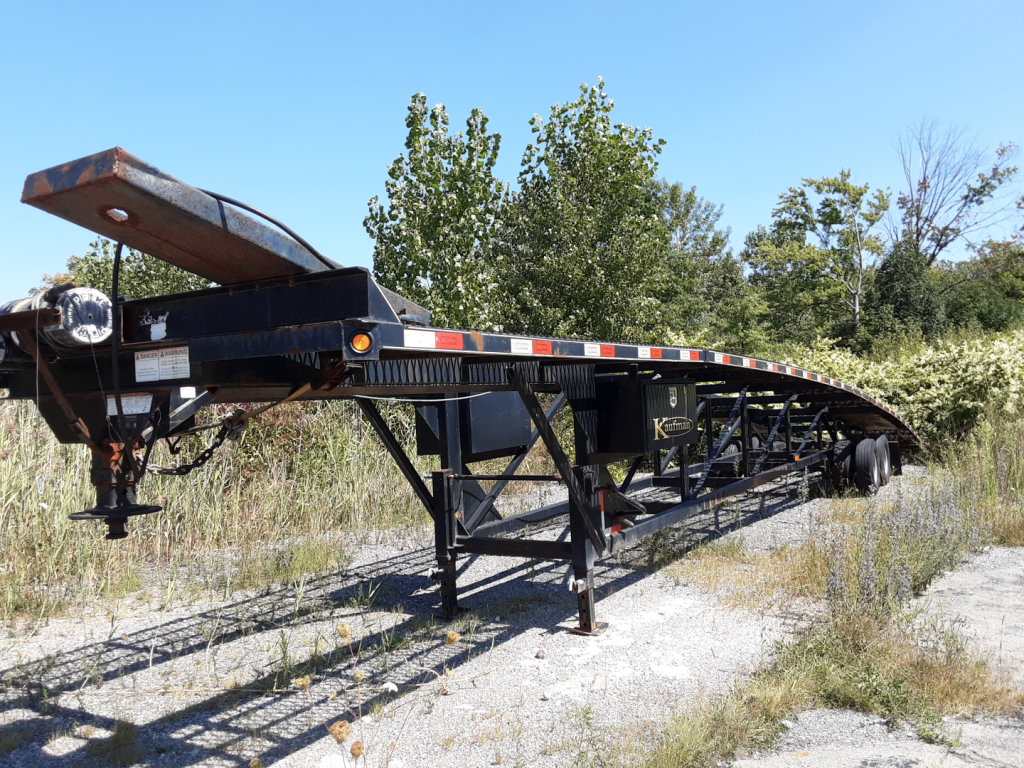
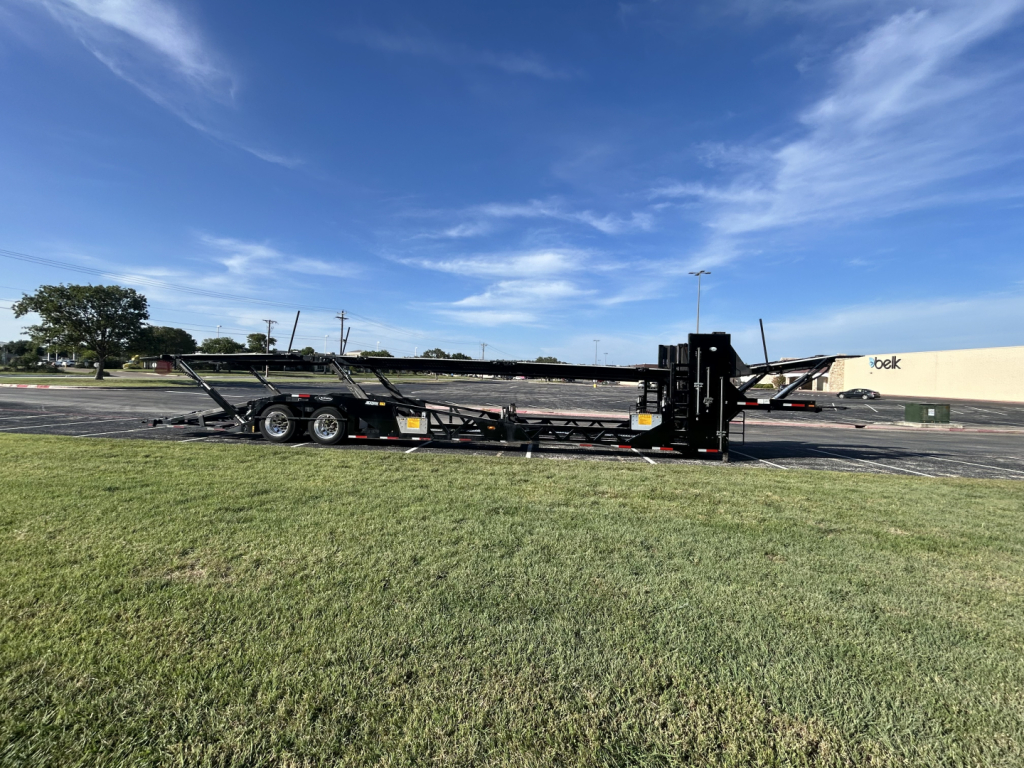
Selling a used car carrier trailer? List your used car carrier trailer for sale and reach thousands of commercial buyers.
Used Car Carrier Trailers
Deck design and loading equipment matter more on a car carrier than on many other trailer types. Buyers should look closely at upper deck geometry, approach angles, dovetail length, ramp construction, winch setup, and the condition of hydraulic cylinders, hoses, locks, and pivot points. Mesh flooring, aluminum ramps, toolbox space, and self-contained hydraulic systems can all improve daily usability. On higher-capacity units, features like axle lift or over-lift systems, tire inflation systems, and truck packages can make a noticeable difference in maneuverability, tire wear, and loading flexibility. If the trailer is moving a mix of retail, auction, repo, or dealer vehicles, the load angles and tie-down access points should be checked as carefully as the headline car count.
Running gear and structural condition deserve a hard look on any used car hauler trailer. Tandem and tri-axle configurations are common, with suspension brands such as Hendrickson frequently seen in the market. Tire size, wheel type, brake condition, and current inspection status all affect operating cost from day one. Pay close attention to deck rails, crossmembers, hinges, cylinder mounts, ramp tracks, and any repaired stress areas, especially on trailers that have spent time in heavy commercial service. Corrosion is another major value factor. Buyers in northern markets should inspect wiring, light connections, air lines, hydraulic plumbing, and fasteners for rust-related issues. A trailer with sound structure and properly functioning hydraulic equipment usually matters more than cosmetic appearance.
The best used car carrier trailer is the one that fits your freight mix, your tractor setup, and your operating lanes. A lighter trailer with aluminum components may help payload and fuel economy, while a heavier steel unit may appeal to operators prioritizing durability and simpler repairs. Kingpin setting, loaded bridge spacing, overall loaded height, and compatibility with your headache rack, wet kit, or self-contained power unit should all be verified before purchase. For buyers hauling late-model dealer inventory, clearance and deck adjustability are critical. For mixed salvage or auction work, winches, ramp strength, and deck toughness often move to the top of the list.
Frequently Asked Questions about Used Car Carrier Trailers
What is the typical capacity of a used car carrier trailer?
Most used car carrier trailers in this category carry between 5 and 8 vehicles, but actual capacity depends on vehicle size, deck configuration, and legal height and weight limits. A mini 5-car trailer may work well for regional transport or mixed loads, while a 53-foot high-mount trailer is more common for higher-volume commercial auto hauling. The stated car count should always be treated as a best-case estimate, because SUVs, crew cab pickups, and lifted vehicles can reduce usable capacity quickly.
What should I inspect first on a used car hauler trailer?
Start with the hydraulic and structural systems. Check cylinders, hoses, locks, deck pivots, ramp tracks, and all moving sections for leaks, binding, or uneven operation. Then inspect the frame, crossmembers, hinges, and repaired areas for cracks, distortion, or heavy corrosion. After that, review brakes, tires, suspension, lights, wiring, and tie-down points. On a car carrier, a trailer can look clean but still have expensive issues in the deck mechanisms or load geometry.
Are tandem-axle or tri-axle car carrier trailers better?
Neither is automatically better. Tandem-axle trailers are common on larger highway car haulers and can offer a good balance of payload, parts availability, and maintenance cost. Tri-axle setups are often seen on certain shorter or specialized carriers where weight distribution and load support are priorities. The better choice depends on trailer length, intended vehicle mix, state bridge laws, and how the trailer loads in real operating conditions.
Do aluminum components matter on a used car carrier trailer?
Aluminum wheels, ramps, and some deck components can reduce empty weight and help with payload efficiency. They can also resist corrosion better than comparable steel parts in some applications. That said, material choice should be judged alongside repair history, structural design, and overall condition. A heavier steel trailer in solid mechanical shape may be a better buy than a lighter trailer with worn hydraulic systems or compromised deck structure.
Can a used car carrier trailer handle SUVs and pickups as well as sedans?
Many can, but that depends on deck adjustability, ramp angles, axle placement, and legal loaded height. A trailer that performs well with sedans may become difficult to load efficiently with taller SUVs or full-size pickups. Buyers should evaluate real clearance points, not just published dimensions. If your freight mix includes larger vehicles, focus on upper deck travel, lower deck spacing, tie-down access, and how easily the trailer can balance the load without sacrificing legal compliance.