
Used 2015 Trailers For Sale in Ohio
Browse used 2015 trailers for sale in Ohio, including flatbeds and specialized trailers with common specs, applications, and buyer tips.
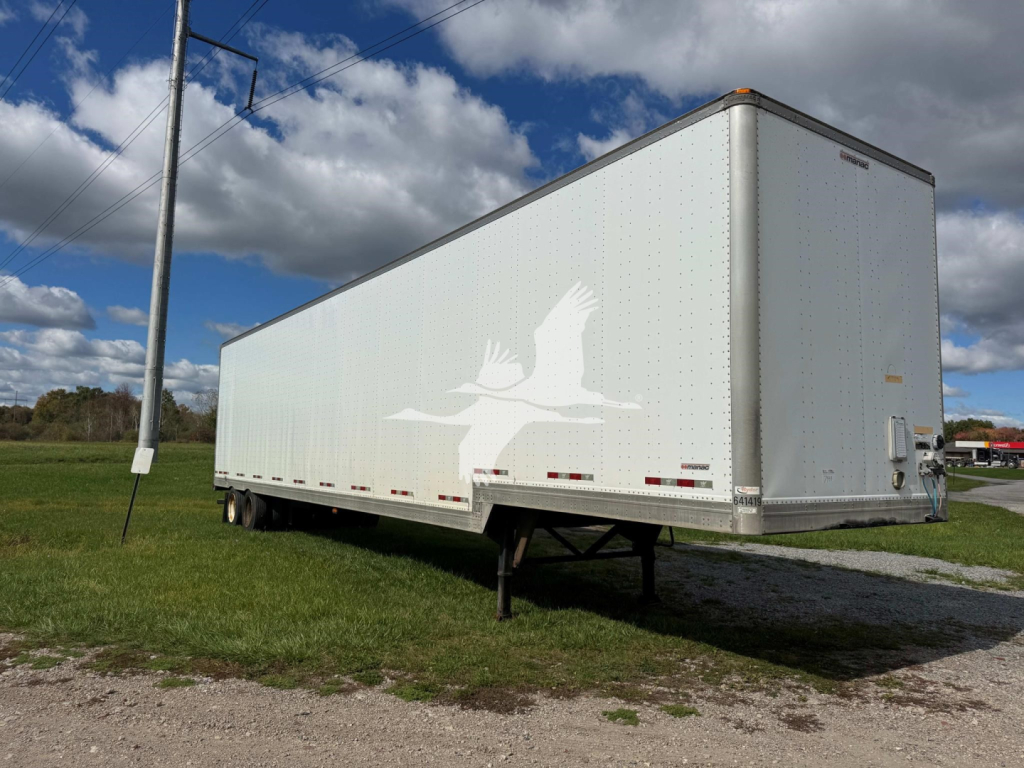
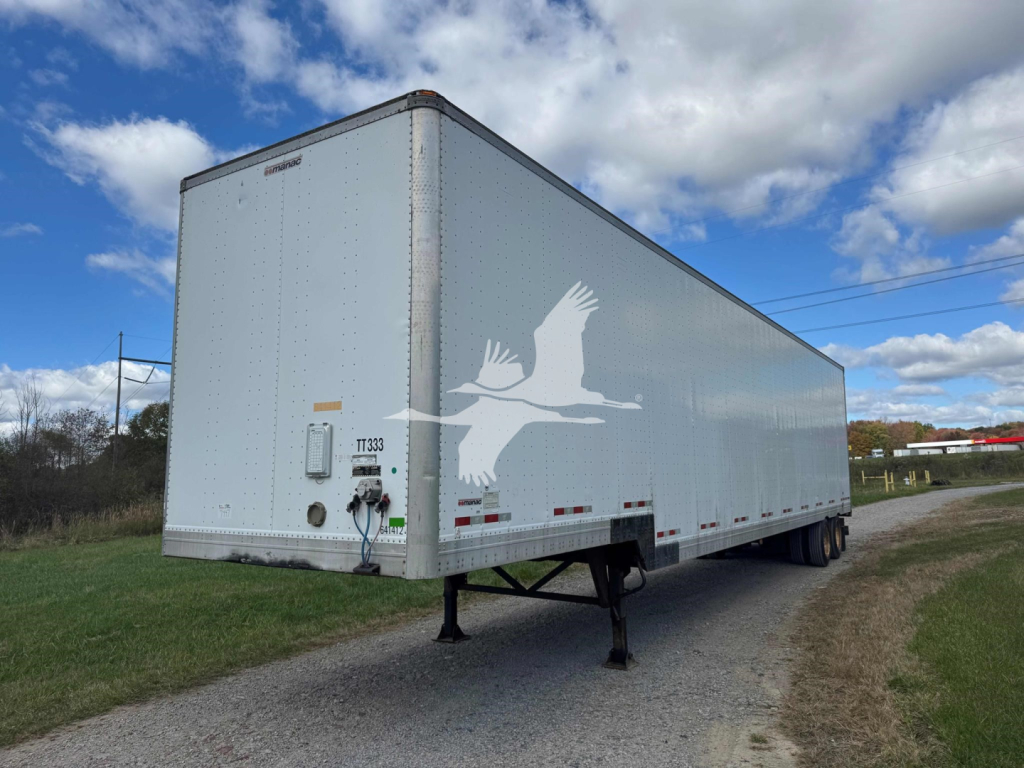
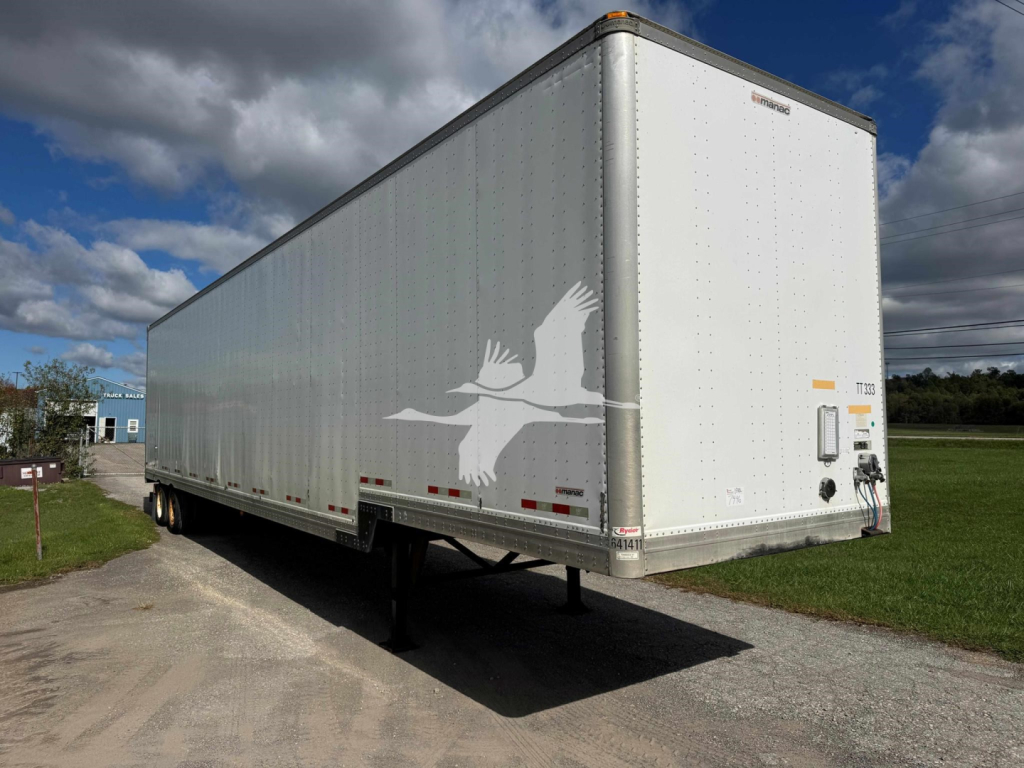
Have used 2015 trailer to sell? List it here to reach thousands of buyers.
Used 2015 Trailers in Ohio
For flatbed trailers, 48-foot and 53-foot lengths are common, with 102-inch overall width and tandem air ride suspensions seen frequently in fleet specs. Aluminum floors, aluminum side rails, double pipe spools, winch tracks on both sides, and sliding winches are typical features because they improve cargo securement flexibility without adding much weight. Coil packages, extra crossmembers, and 15-inch crossmember spacing matter if the trailer will handle concentrated loads such as steel coils, building products, or machinery. Kingpin setting and axle slide configuration also deserve attention because they affect bridge law compliance, fifth wheel placement, and how easily the trailer can be matched to different road tractors.
In Ohio, used trailer buyers also need to think about regional operating conditions. Road salt, freeze-thaw cycles, and mixed interstate and local haul work can accelerate wear on wiring, lighting connections, suspension components, brake hardware, and wheel ends. Air ride suspensions from suppliers like Hendrickson are common on 2015 trailers and are generally desirable for ride quality and cargo protection, but buyers should still inspect bushings, air bags, shocks, and alignment wear. Disc brakes and tire inflation systems can add value on a used 2015 trailer because they reduce stopping-distance concerns and help manage tire maintenance across long highway miles. Landing gear operation, slider function, and floor integrity are also worth checking closely on any trailer that has seen repeated loading dock contact or concentrated freight.
A used 2015 trailer often makes sense for fleets that want proven specifications without paying newer-model pricing. The right choice depends on freight mix and routing. A lightweight flatbed is well suited for lumber, steel, equipment, palletized building materials, and general open-deck freight, while a drop deck is better when deck height is the limiting factor for taller loads. Buyers should compare GVWR, distributed load ratings, suspension settings, deck condition, securement equipment, and documentation of inspections or repairs. On a trailer of this age, a clean maintenance history and sound structure usually matter more than brand decals or cosmetic appearance.
Frequently Asked Questions about Used 2015 Trailers in Ohio
What should I inspect first on a used 2015 trailer?
Start with the structural areas that are expensive to repair and critical to safety. Inspect the frame rails, crossmembers, kingpin area, suspension mounts, axle alignment, landing gear mounts, and rear impact guard for cracks, bends, weld repairs, or corrosion. After that, check brake type and wear, tire condition, wheel-end play, lighting and wiring, and the condition of the floor or deck surface. On open-deck trailers, securement equipment such as winch tracks, sliding winches, pipe spools, and coil package components should also be checked for damage or excessive wear.
Is a 2015 trailer too old for regular fleet use?
Not necessarily. A 2015 trailer can still be productive in regular fleet service if it has been maintained correctly and matches the intended freight. Trailers generally age by duty cycle and maintenance quality more than by calendar year alone. A well-kept 2015 aluminum flatbed or drop deck with documented inspections, solid brakes, good tires, and no structural issues can still provide strong value. The key is verifying condition, not assuming all trailers from the same model year are equal.
What specs matter most when comparing used flatbed trailers from 2015?
The most important specs are length, width, tare weight, axle setup, suspension type, crossmember spacing, kingpin setting, and cargo securement equipment. For many buyers, 48-foot and 53-foot lengths with tandem air ride suspensions are the baseline. Aluminum construction helps keep weight down, while features such as dual-sided winch tracks, sliding winches, coil packages, nailing strips, and tire inflation systems can improve day-to-day usability. Buyers hauling dense freight should pay close attention to concentrated load ratings and extra crossmember reinforcement.
Are disc brakes and tire inflation systems worth paying extra for on a used trailer?
In many cases, yes. Disc brakes are attractive on used trailers because they can offer consistent braking performance, easier inspection access, and reduced brake fade under heavy highway use. Automatic tire inflation systems help maintain proper tire pressure, which can improve tire life, fuel economy, and roadside reliability. On a used 2015 trailer, these features add the most value when the components are complete, functioning properly, and supported by available replacement parts and service knowledge in your operating area.
Why does kingpin setting matter on a used trailer?
Kingpin setting affects weight distribution between the tractor and trailer axles, turning clearance, and bridge law compliance. On used flatbeds and specialized trailers, a common kingpin setting can make the trailer easier to pair across multiple tractors in a fleet. If the setting does not fit your tractors, axle slide needs, or state bridge requirements, the trailer may be harder to load legally and efficiently. That is why buyers should review kingpin setting along with axle spacing and slider adjustment before making a decision.