
Used 2013 Trailers For Sale in Ohio
Have used 2013 trailer to sell? List it here to reach thousands of buyers.
Used 2013 Trailers in Ohio
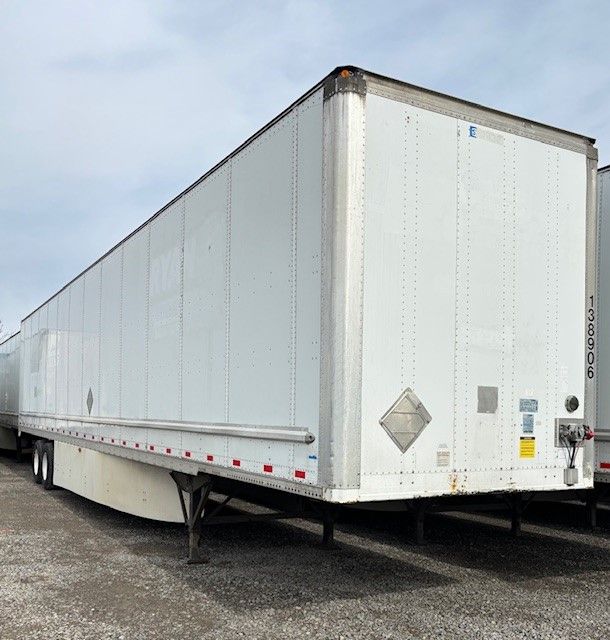
For dry van buyers, the big checkpoints are body integrity and cargo protection. Many 2013 van trailers in this class were built in the standard 53-foot by 102-inch configuration with swing doors, wood floors, aluminum roofs, and plate or sheet-and-post side construction. Buyers should pay close attention to roof bows, rear frame condition, threshold wear, floor repairs, side scuff liners, and door seal fitment. Suspension type and slider condition matter too, especially in Ohio where dock access, bridge law compliance, and axle positioning can affect day-to-day operations. A well-kept van from this era can still serve regional freight, retail loads, dry goods, and dedicated contract lanes effectively.
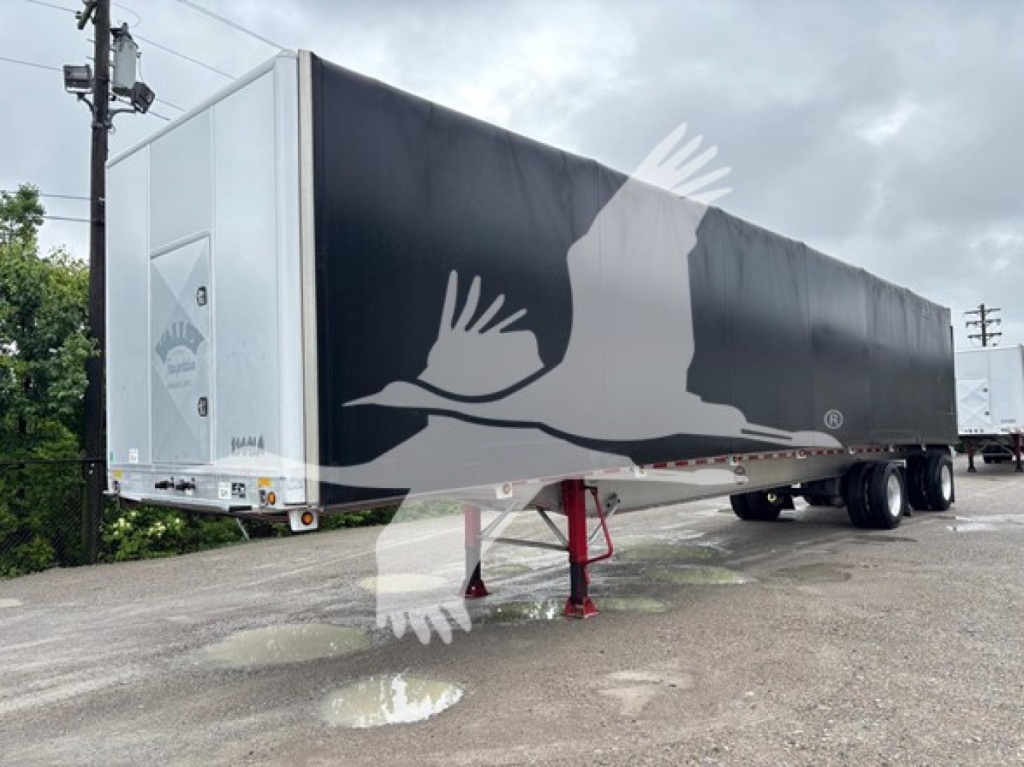
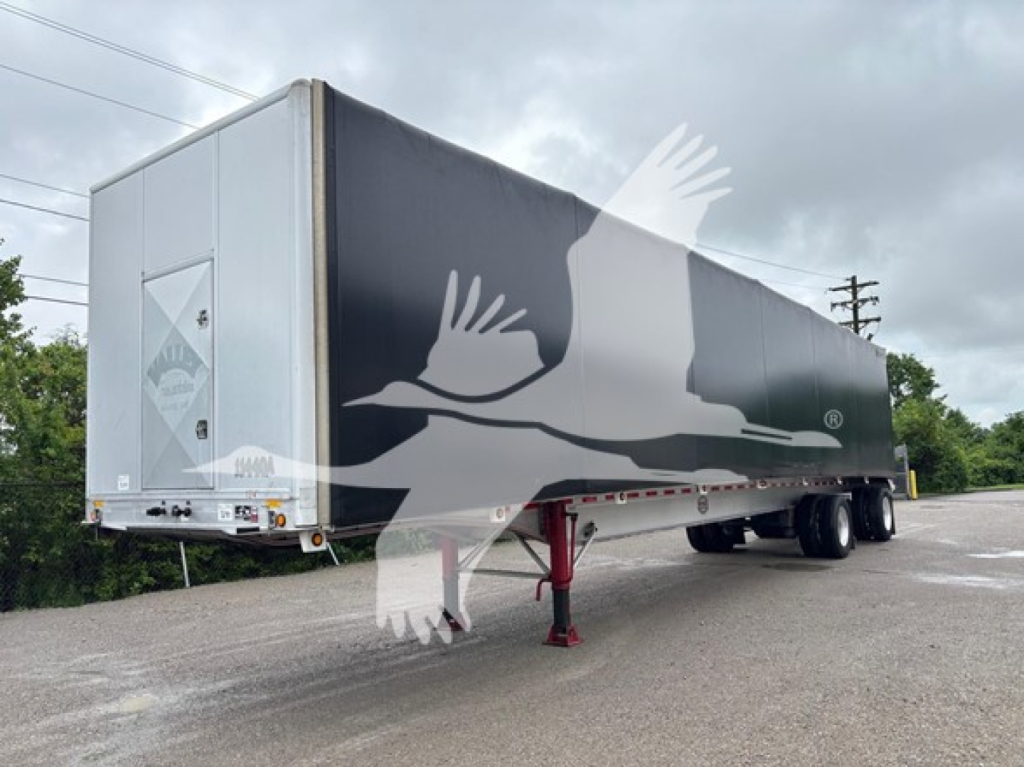
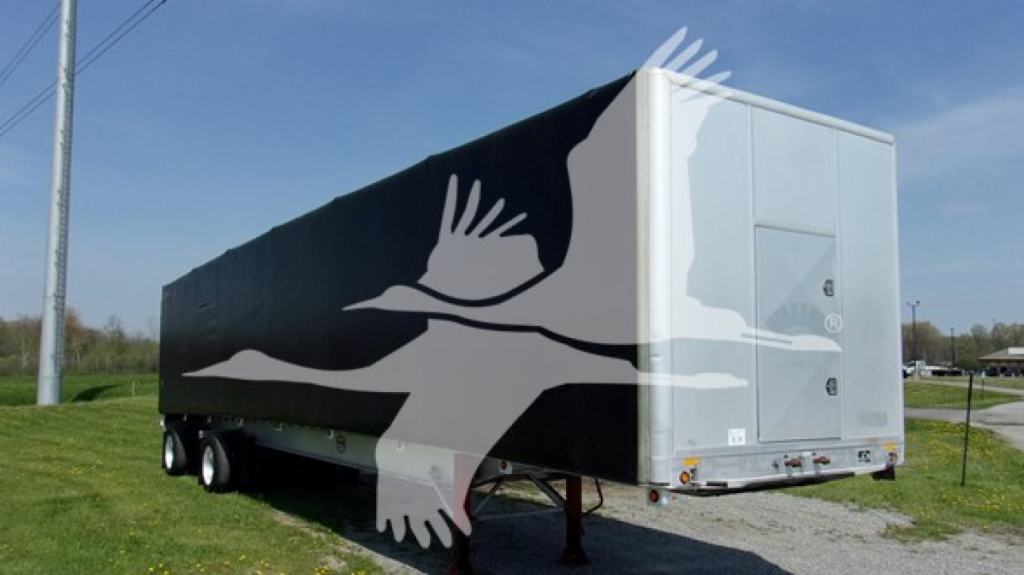
For flatbed buyers, 2013-era trailers are often judged by deck construction, weight, and securement layout before anything else. Aluminum flatbeds remain popular because they keep tare weight down and maximize payload, while common specs include air ride suspension, sliding winches, winch tracks, double pipe spools, and two-speed landing gear. Crossmember spacing, kingpin setting, side rail condition, and the presence of a coil package all matter if the trailer will handle steel, machinery, building products, or mixed open-deck freight. Disc brakes, tire inflation systems, and quality suspension components can add value because they reduce maintenance surprises and improve uptime.
Ohio buyers should also factor in corrosion exposure, brake and tire life, and current inspection status when comparing used 2013 trailers. Road salt, weather cycles, and heavy regional use can show up in rear frames, fasteners, wiring, and landing gear. It is smart to evaluate tire age as well as tread depth, inspect air system leaks, and verify that sliders, lights, ABS, and doors operate as they should. The best used 2013 trailer is the one whose specification matches the freight first, then proves out on condition. A dry van suited to dock freight and a flatbed set up for fast securement are both productive assets, but the right choice depends on load type, route profile, and how much reconditioning the trailer will need before it goes to work.
Frequently Asked Questions about Used 2013 Trailers in Ohio
What should I inspect first on a used 2013 trailer?
Start with the structure and running gear. On a dry van, inspect the floor, roof, rear frame, door seals, scuff liners, crossmembers, and any signs of sidewall damage or water intrusion. On a flatbed, focus on the deck, side rails, crossmembers, winch track, suspension, and frame alignment. Then check brakes, tires, hubs, ABS function, lighting, landing gear, and slider operation. A 2013 trailer can still be dependable, but structural repairs and neglected running gear can quickly change its real cost.
Is a 2013 trailer too old for regular fleet use?
Not necessarily. A 2013 trailer is often still viable for regular freight service if it has been maintained well and the specification fits the application. Many trailers from this model year remain productive in regional and over-the-road use because trailer longevity depends heavily on maintenance history, prior load type, corrosion exposure, and repair quality. Age matters, but condition, inspection status, and component life matter more.
What is the most common size for used 2013 trailers in this market?
The most common dry van size is typically 53 feet long and 102 inches wide, while flatbeds are often found in 48-foot by 102-inch configurations. Those sizes remain standard because they balance freight capacity, legal dimensions, and compatibility with common shipping needs. Buyers should still confirm interior height, door opening, kingpin setting, and axle slider range because those details affect loading, bridge compliance, and tractor pairing.
What features add the most value on a used 2013 flatbed trailer?
The most valuable flatbed features are usually the ones that improve payload, securement speed, and maintenance performance. Aluminum construction helps reduce tare weight, while air ride suspension, disc brakes, sliding winches, full winch tracks, pipe spools, and coil packages expand the kinds of freight the trailer can handle. Tire inflation systems and quality landing gear also matter because they support uptime and reduce service interruptions.
What matters most when buying a used 2013 dry van trailer?
Cargo protection and structural integrity are the main priorities. Buyers should look closely at floor wear, threshold damage, roof leaks, sidewall condition, rear frame corrosion, and door hardware. Interior specs such as scuff liners, lining type, post spacing, and logistics tracks also affect how useful the trailer will be for a specific shipper base. A sound dry van with a clean body and solid floor is usually more valuable than one with cosmetic appeal but hidden structural wear.