
2027 Trailers For Sale in Kansas
Browse 2027 trailers for sale in Kansas, including dry van and freight trailer options with specs buyers compare for regional and long-haul use.
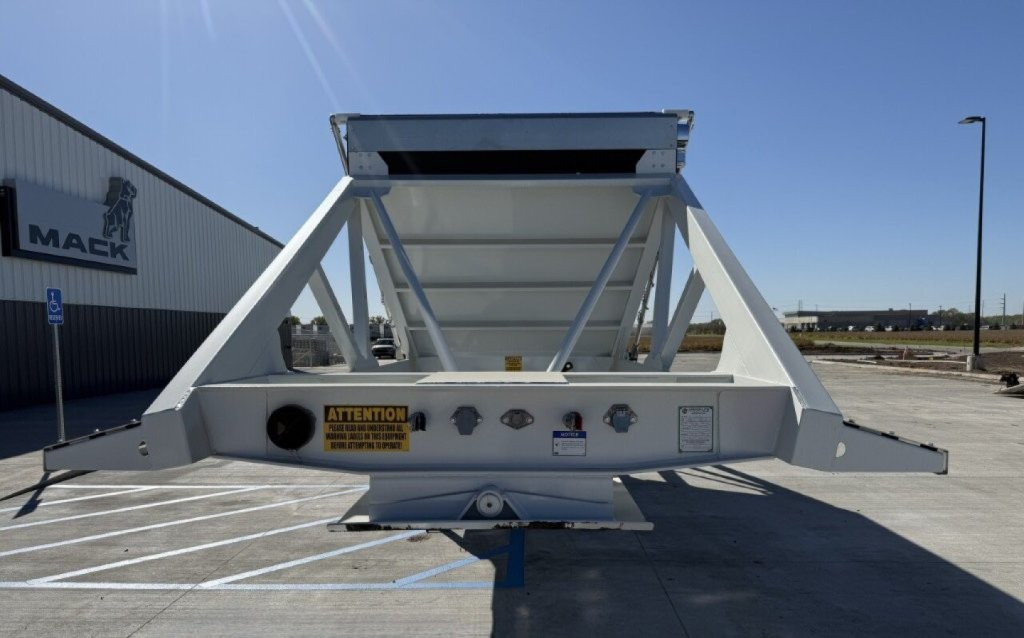
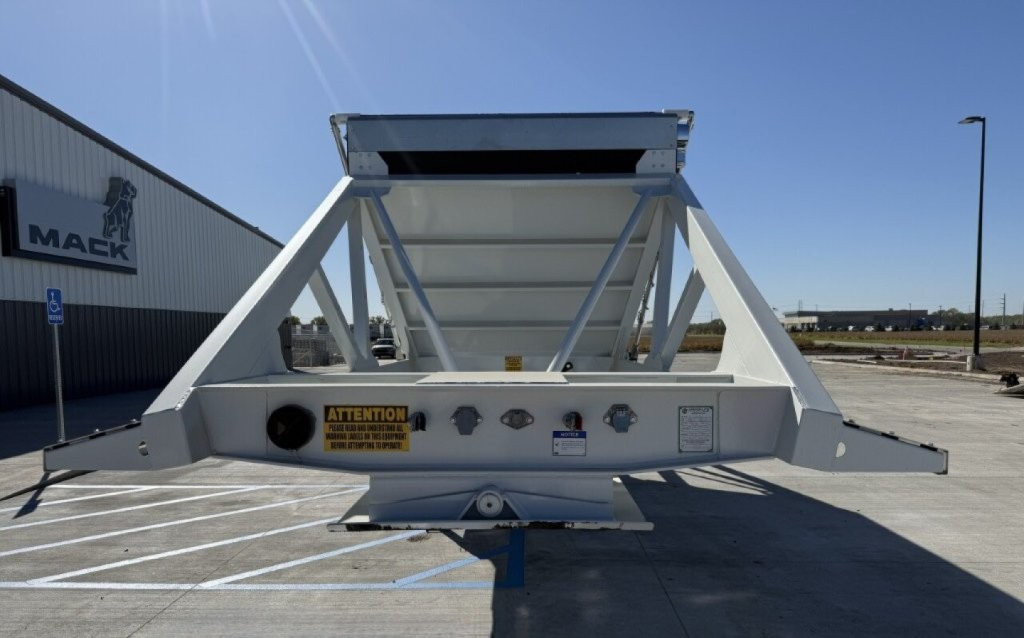
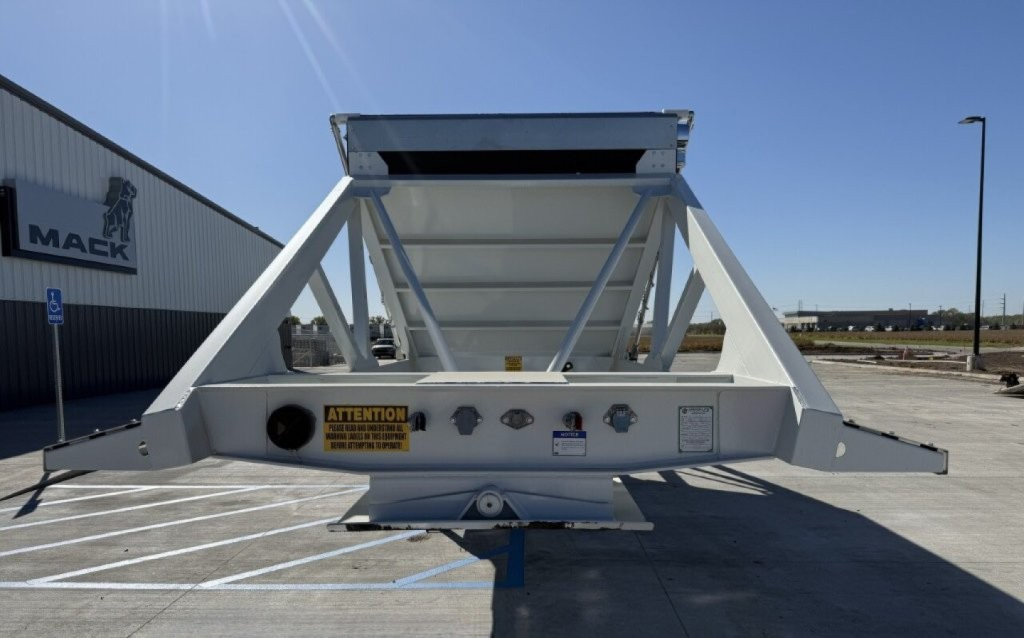
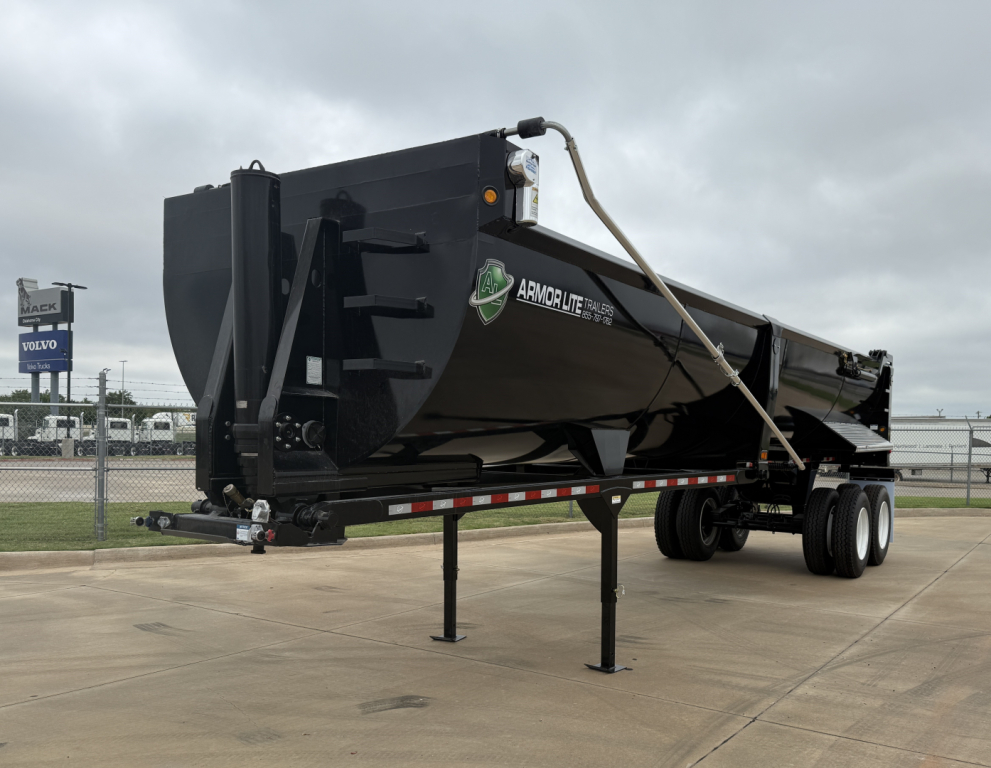

Showing 25 to 34 of 34 results
Have 2027 trailer to sell? List it here to reach thousands of buyers.
2027 Trailers in Kansas
For Kansas operations, trailer spec needs often come down to lane mix and terrain. Long interstate runs on I-70, I-35, and regional Midwest freight corridors tend to favor air ride suspension, sliding tandems, and aerodynamic options such as side skirts. Air ride helps protect sensitive freight and reduces shock transfer compared with spring suspension. Sliding tandems matter for bridge law compliance, dock positioning, and weight distribution. Tire inflation systems, low-profile 22.5 tires, disc wheels, and lift axle configurations can also reduce downtime or improve operating flexibility, especially for fleets that prioritize maintenance intervals and fuel economy.
Dry van buyers should pay close attention to cargo securement and interior wear points. Plywood lining, scuff plates, threshold plates, and front or rear vents are common on trailers used in high-cycle loading environments. Roll-up doors are popular for dock work and route freight, while swing doors may still appeal to some operations that want maximum rear opening clearance and simpler repair economics. Undertray storage systems can add practical value for straps, load bars, and equipment. If a trailer will be used in food-grade, consumer goods, or high-cube freight service, interior height and wall condition deserve a closer look because they directly affect cube utilization and damage claims.
A buyer comparing 2027 trailers should think beyond model year and focus on the total specification package. Trailer tare weight, crossmember spacing, roof construction, floor rating, kingpin setting, suspension type, brake configuration, and telematics readiness all affect long-term performance. In Kansas, weather exposure, crosswinds, and year-round highway use make structural condition, corrosion protection, and tire/brake spec especially important. The right trailer is the one that matches freight profile, loading method, maintenance program, and legal weight needs without adding unnecessary tare or complexity.
Frequently Asked Questions about 2027 Trailers in Kansas
What are the most important specs to compare on a 2027 dry van trailer?
The most important specs are overall length, inside height, suspension type, tandem configuration, door style, floor construction, and interior logistics features. A 53-foot dry van with 102-inch width is the standard starting point for most general freight operations, but details such as air ride versus spring suspension, sliding tandems, plywood lining, scuff liners, E-track, and venting can change how well the trailer fits your lanes and freight. Buyers should also review tare weight, brake type, tire size, and kingpin setting because those specs affect payload, maintenance costs, and axle compliance.
Is air ride better than spring suspension on a van trailer?
Air ride is generally preferred for dry van service because it provides a smoother ride and better cargo protection for palletized freight, consumer goods, and damage-sensitive loads. It can also improve driver acceptance and reduce vibration-related wear on the trailer body. Spring suspension is simpler and can cost less to maintain in some applications, but it usually does not offer the same ride quality. The right choice depends on freight type, route conditions, and maintenance philosophy.
Why do sliding tandems matter on a trailer in Kansas?
Sliding tandems matter because they help operators manage axle weights, bridge law compliance, and loading flexibility across regional and interstate routes. In Kansas and surrounding Midwest freight lanes, a trailer may move between different shippers, dock setups, and load densities in a short period of time. A sliding tandem gives the driver and fleet more control over weight distribution and can make it easier to position the trailer properly for loading docks and customer requirements.
What interior features are useful on a dry van trailer?
Useful interior features include plywood lining, scuff plates, threshold plates, E-track, load securement hardware, and proper ventilation. Plywood lining and scuff protection help reduce wall damage from forklifts and shifting freight. E-track improves flexibility for securing mixed loads or route freight. Vent placement is important for moisture control in certain applications. Buyers hauling high-cycle freight should also inspect floor condition, wall fasteners, and roof integrity because those areas directly affect service life and cargo claims.
Are aerodynamic and tire management options worth it on a van trailer?
They often are, especially for fleets running consistent highway miles. Side skirts can improve fuel economy on long-haul routes, and automatic tire inflation systems can reduce irregular wear, improve uptime, and help maintain proper rolling resistance. These options may not matter as much on short local routes with limited highway exposure, but on regional and over-the-road operations they can contribute to lower operating costs over the life of the trailer.