
2027 Other Trailers For Sale in Kansas
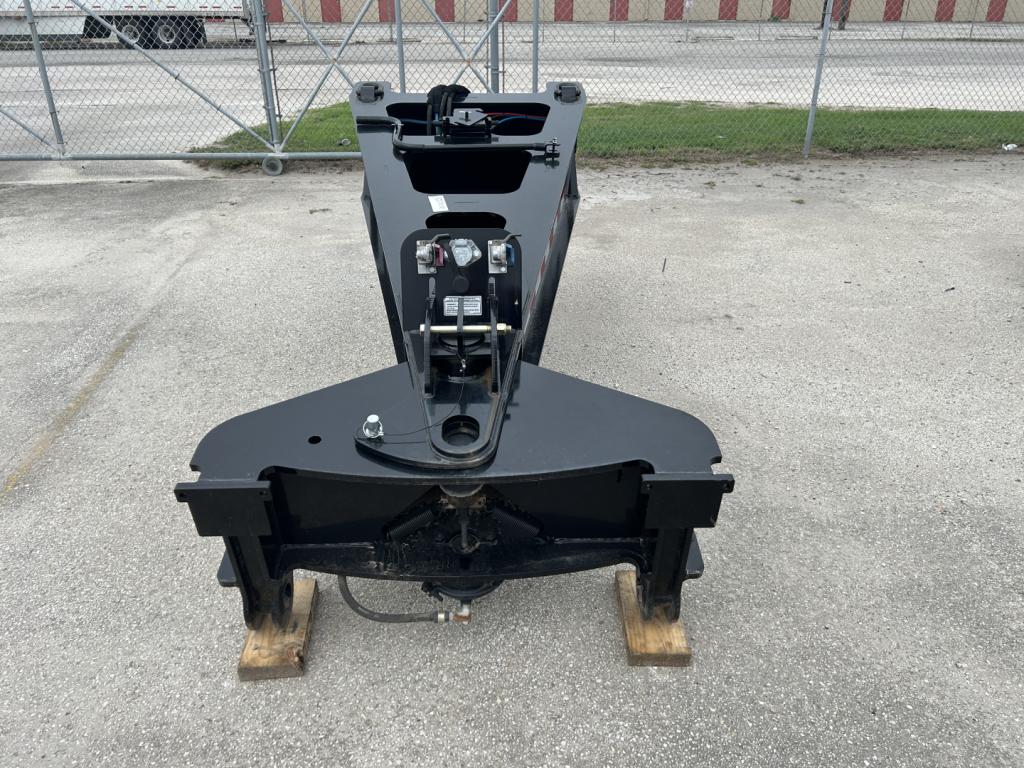
Shop 2027 other trailers including flip axles and spreader bars. Compare capacities, widths, axle spacing, and heavy haul compatibility.
Selling a 2027 other trailer? List your 2027 other trailer for sale and reach thousands of commercial buyers.
2027 Other Trailers in Kansas
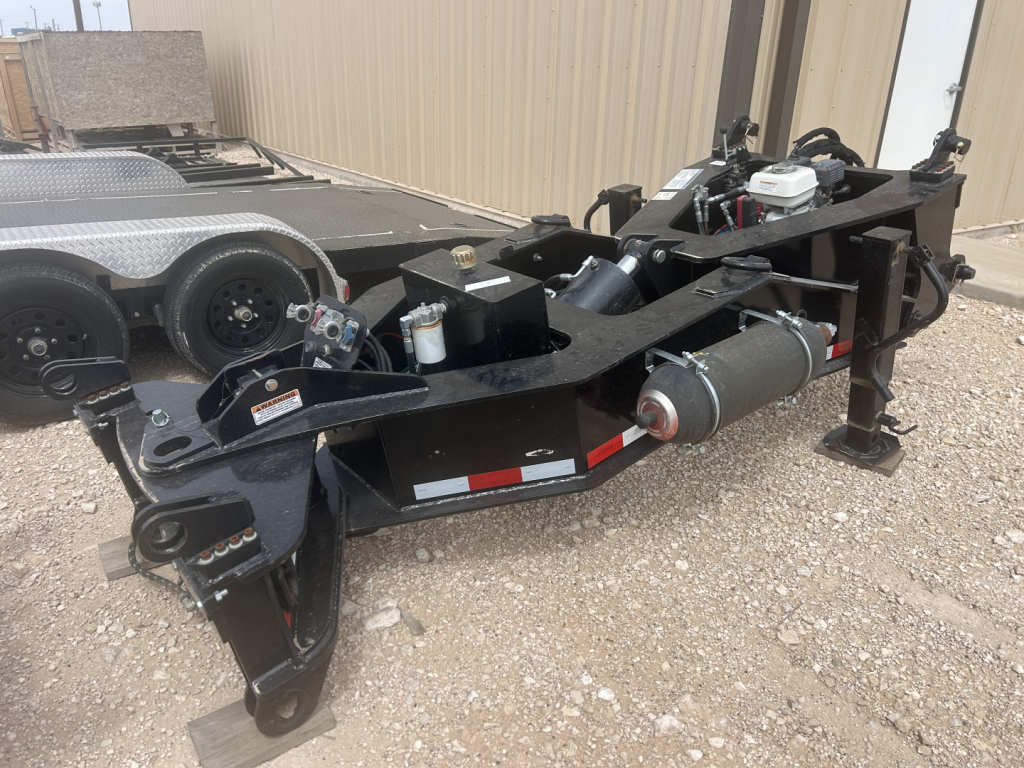
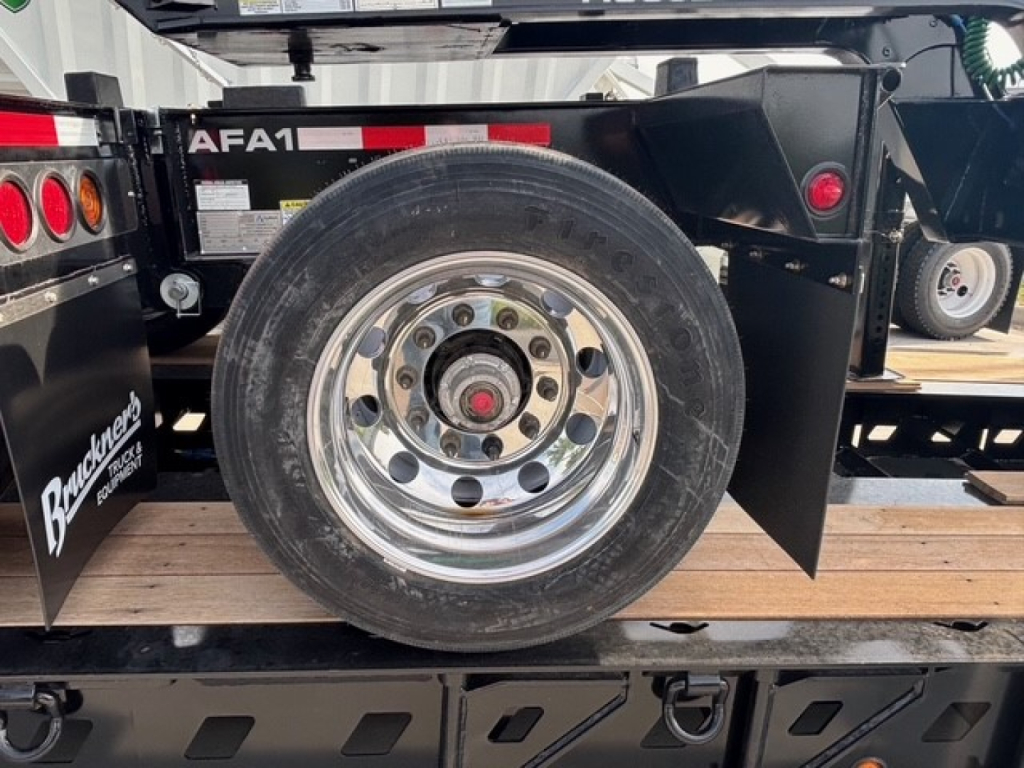
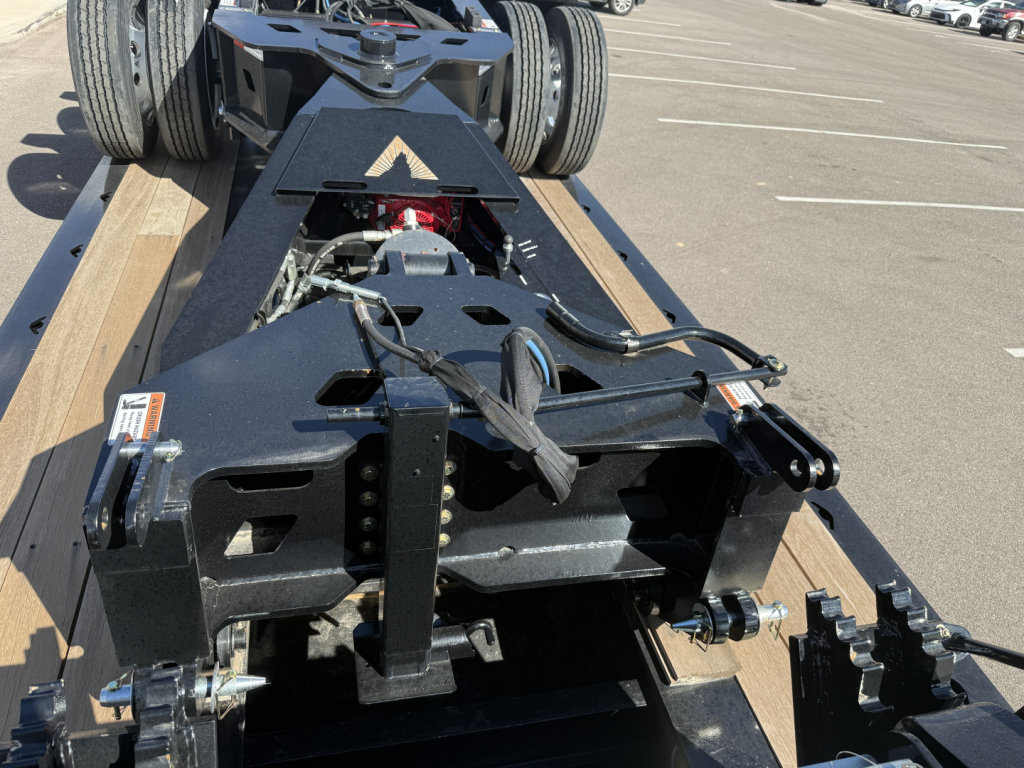
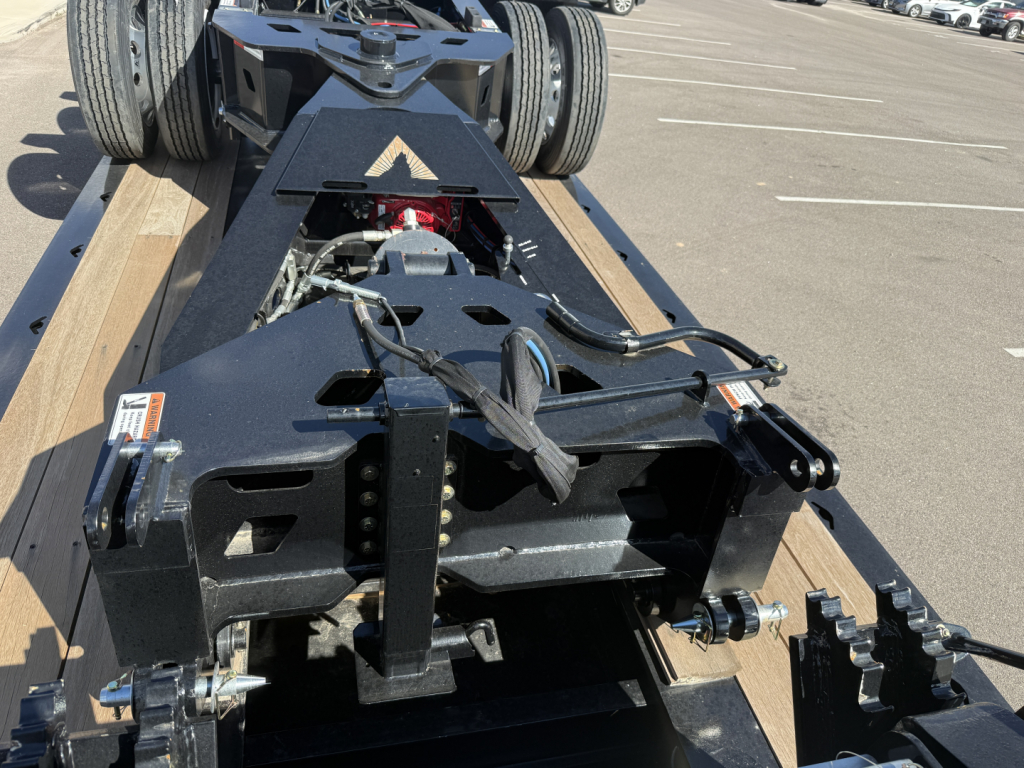
For heavy haul buyers, capacity and spacing matter more than almost anything else. A flip axle or spreader bar may be rated for 55-ton or 60-ton applications, but the real question is how that equipment changes weight distribution and permitted axle group dimensions once it is attached. Common details include 8-foot-6 or 9-foot overall width, axle spacing around the mid-50-inch range on certain flip configurations, air ride suspension, drum brakes, 22.5-inch rubber, and sealed harnesses or 4-way backup plugs for lighting and brake integration. If the unit uses a power pack, landing gear, top links, connection pins, shims, or limit chains, those parts should be evaluated as part of the complete operating system rather than as accessories.
Kansas buyers should pay close attention to bridge law and permit practice across the Plains and Midwest, especially if the equipment will cross multiple jurisdictions. A spreader bar or flip axle setup can be the difference between a workable permit and a route that has to be re-engineered. It is also worth checking how the equipment affects loaded deck length, rear overhang, tail clearance, and turning radius. On detachable lowboy and hydraulic detachable trailer combinations, small dimensional differences can affect loading angles, axle group placement, and legal configuration. Tire size, brake type, suspension design, and lighting protection are practical details that directly affect uptime in field conditions.
Condition assessment on this category is less about cosmetics and more about structural integrity and fitment. Buyers should inspect pivot points, pin bosses, link connections, air system routing, brake chambers, suspension components, wiring harness condition, and any evidence of uneven loading or alignment issues. On newer equipment, factory paint and clean wiring are nice to have, but exact compatibility with the intended trailer and the load plan is what protects resale value and jobsite performance. If the equipment is designed around a specific manufacturer’s lowboy or detachable platform, confirming that match up front will save time, fabrication cost, and permit headaches later.
Frequently Asked Questions about 2027 Other Trailers in Kansas
What is included in the “other trailers” category?
This category usually includes specialized trailer equipment such as flip axles, spreader bars, jeep-style attachments, booster-related components, and other heavy haul accessories that do not fall under standard trailer classes. These units are typically used with a primary trailer to change axle grouping, increase legal payload potential, or meet route-specific permit requirements. Buyers should treat them as integral parts of a hauling system, not standalone generic trailers.
How do I know if a flip axle or spreader bar will work with my trailer?
Compatibility starts with the original trailer manufacturer’s design and the exact connection method. Key checks include overall width, ride height, axle spacing, top link arrangement, pin and shim configuration, electrical connection style, air and brake integration, and rated capacity. Even if two components look similar, a mismatch in geometry or connection hardware can create alignment problems, poor load distribution, or permit issues.
Why does axle spacing matter so much on specialized heavy haul trailer equipment?
Axle spacing directly affects bridge formula compliance, permit approval, and how weight is distributed across the trailer group. A properly spaced flip axle or spreader bar can help create a legal axle spread for a given load, while the wrong spacing can reduce allowable payload or force a different route. Spacing also affects maneuverability, tail swing, and how the trailer tracks in turns.
What specs should I focus on first when comparing other trailers for sale?
Start with rated capacity, overall width, axle spacing, suspension type, brake type, tire and wheel size, and the exact trailer models the equipment is built to match. After that, review structural and operational details such as landing gear, power unit type, wiring harness, lighting package, D-rings, stake pockets, and connection hardware. These details determine not just fitment, but also serviceability and field reliability.
Are specialized trailer attachments like spreader bars and flip axles useful for regional hauling in Kansas?
Yes, especially for carriers moving construction, agricultural, energy, or oversize equipment across Kansas and into neighboring states. These components can help configure a lowboy or detachable trailer for heavier or more complex loads while improving permit flexibility. Their value depends on matching the equipment to the routes, state regulations, and load dimensions the operation handles most often.