
2027 Alpha Other Trailers For Sale in Kansas
Shop Alpha other trailers for heavy-haul applications, including flip axles and spreader bars with 60-ton ratings and 9-foot-wide setups.
Selling a 2027 alpha other trailer? List your 2027 alpha other trailer for sale and reach thousands of commercial buyers.
2027 Alpha Other Trailers in Kansas
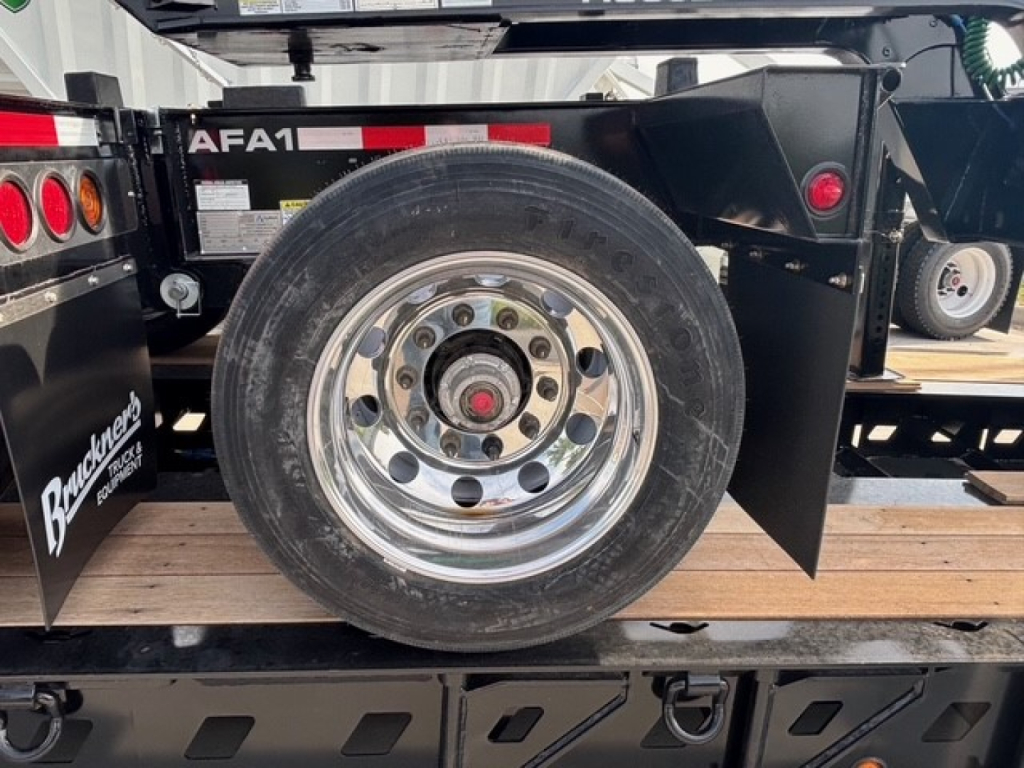
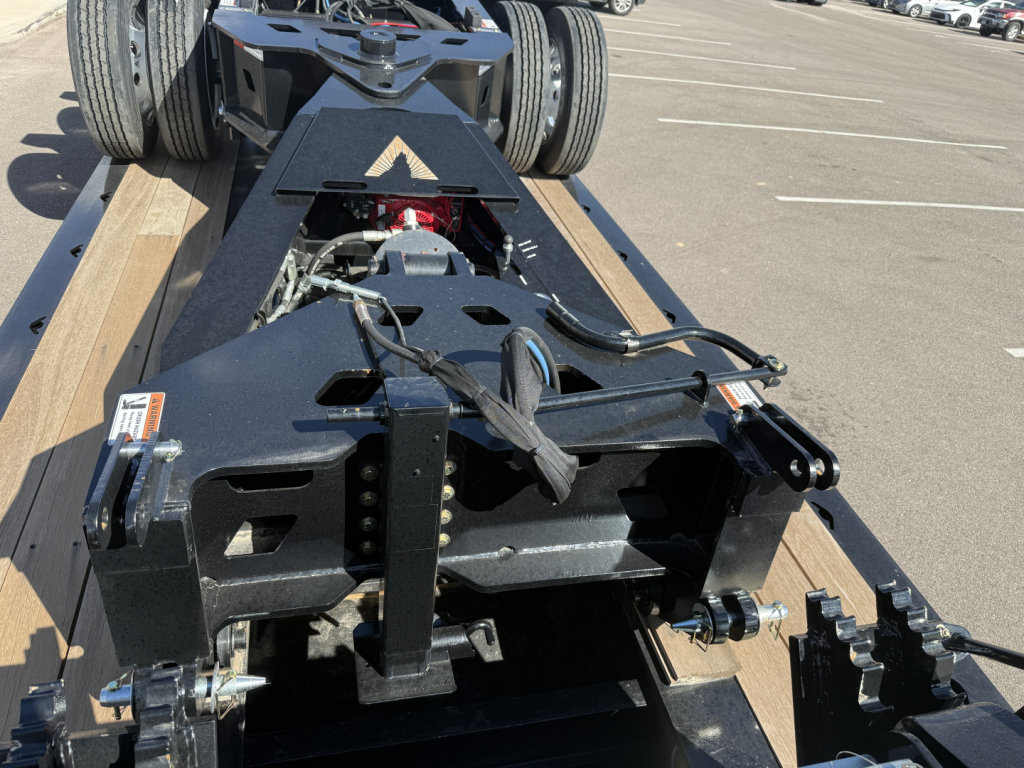
The first decision is compatibility. Buyers need to confirm neck style, connection points, kingpin and pin-hole dimensions, top link arrangements, hydraulic or air requirements, electrical plug style, and axle spacing before treating one of these units as a fit. In the sample Alpha configurations, 60-ton ratings, 9-foot widths, air ride suspension, drum brakes, and 25,000-pound axle specs point to equipment intended for serious heavy-haul work. Details like spreader bar ratings for multiple flip axles, sealed 12V harnesses, drop leg landing gear, and dedicated top links or shims matter because they affect how quickly the attachment can be added in the field and how reliably it tracks under load.
Running in Kansas and surrounding Midwest states puts extra attention on axle group layout, overall bridge length, tire spec, and permit compliance. A flip axle or spreader bar setup can help stretch a trailer combination to meet weight distribution requirements, but only if the complete configuration is legal for the route and commodity. Look closely at suspension type, brake package, light package, flag holders, stake pockets, D-rings, and chain provisions. These are small details until the trailer is working nights, crossing multiple jurisdictions, or carrying a machine that requires securement points in exactly the right place.
Condition and build quality matter more in this category than cosmetic appearance. Buyers should inspect weld quality, beam design, pivot points, bushing wear areas, air system routing, electrical protection, and wheel-end serviceability. Tire size, aluminum or steel wheel choice, and paint finish are secondary to structural integrity and how the attachment integrates with the rest of the heavy-haul train. Alpha specialized trailer equipment is typically selected by operators who already know their target loads and permit needs, so the best buying decision usually comes down to exact configuration match, capacity rating, and ease of deployment on the jobs that generate revenue.
Frequently Asked Questions about 2027 Alpha Other Trailers in Kansas
What is an Alpha flip axle or spreader bar used for?
An Alpha flip axle or spreader bar is used to extend and reconfigure a heavy-haul trailer setup so the load can be carried across more axles and spread over a longer bridge dimension. That helps with weight distribution, permit compliance, and handling of oversize or overweight equipment. These components are common behind lowboys and detachable goosenecks when hauling construction machinery, mining equipment, and other concentrated loads.
How do I know if a flip axle or spreader bar will fit my trailer?
Fitment depends on more than brand name. Buyers should verify the connection style, width, rated capacity, axle spacing, top link setup, pin dimensions, ride height, brake and air connections, and electrical harness compatibility. A unit can have the right tonnage rating and still be a poor match if the mechanical connection points or running height do not align with the main trailer.
Why does axle spacing matter on heavy-haul trailer attachments?
Axle spacing affects bridge law calculations, permit acceptance, turning characteristics, and how the load shares weight across the axle group. Wider or specific axle spacing may be required to make a heavy combination legal in certain states. It also changes how the trailer tracks and how much room you need in tighter jobsite or roadside conditions.
Are air ride suspension and drum brakes common on this type of trailer equipment?
Yes. Air ride suspension is common because it helps manage load stability and ride quality in heavy-haul service, especially on specialized axle groups. Drum brakes remain a common spec because they are familiar, durable, and widely serviceable in fleet and field environments. Buyers should still confirm brake size, air system condition, and parts availability before purchase.
What should I inspect first on a used specialized heavy-haul trailer attachment?
Start with the structural and connection areas. Inspect the frame, welds, attachment points, pivot components, suspension mounts, air lines, brake hardware, wiring harness, and wheel ends. After that, confirm the rating tag, axle specifications, tire condition, and any included hardware such as top links, shims, pins, and chains. On this type of equipment, missing connection hardware can create expensive downtime even when the attachment itself is in good shape.