
2026 Trailers For Sale in Pennsylvania
Shop 2026 trailers for sale in Pennsylvania, including dry vans and flatbeds with common specs, axle setups, suspension options, and body styles.
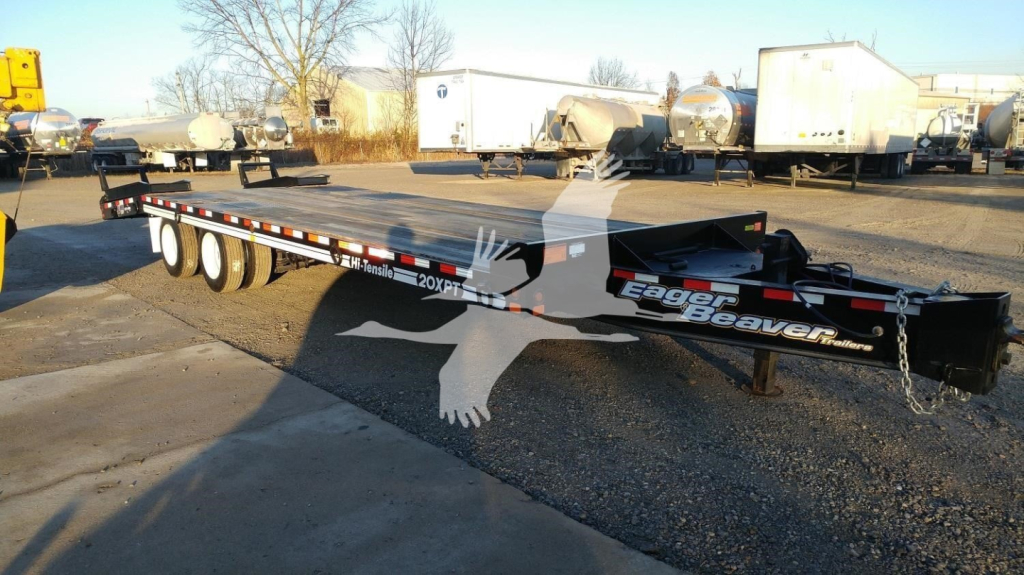
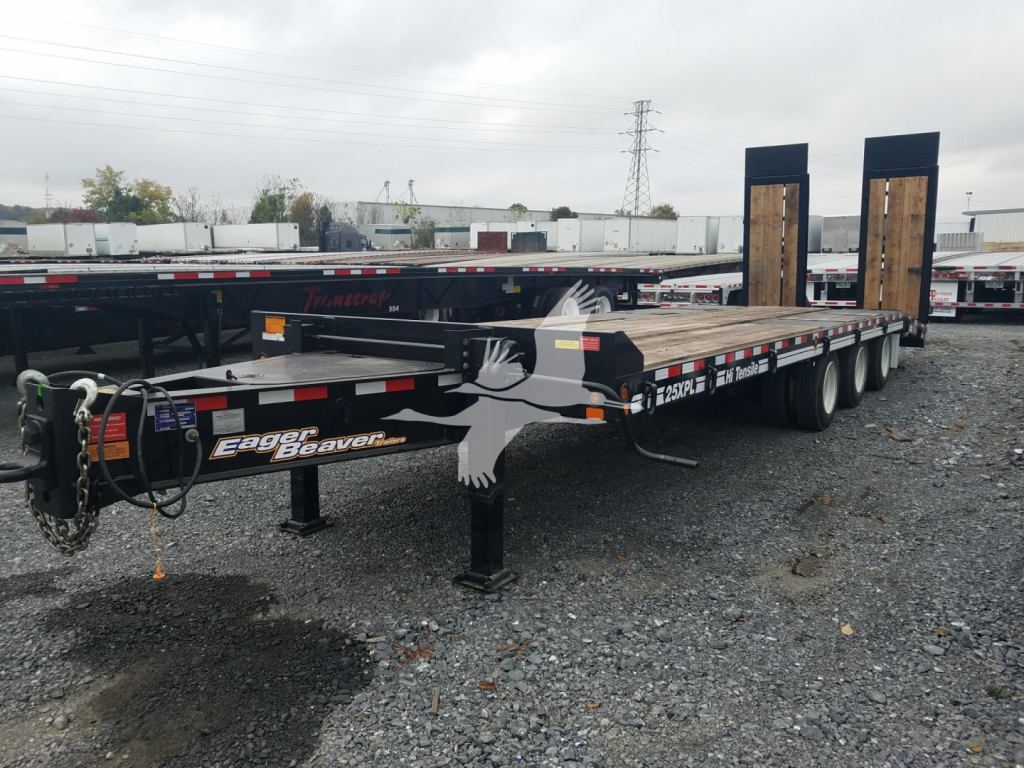
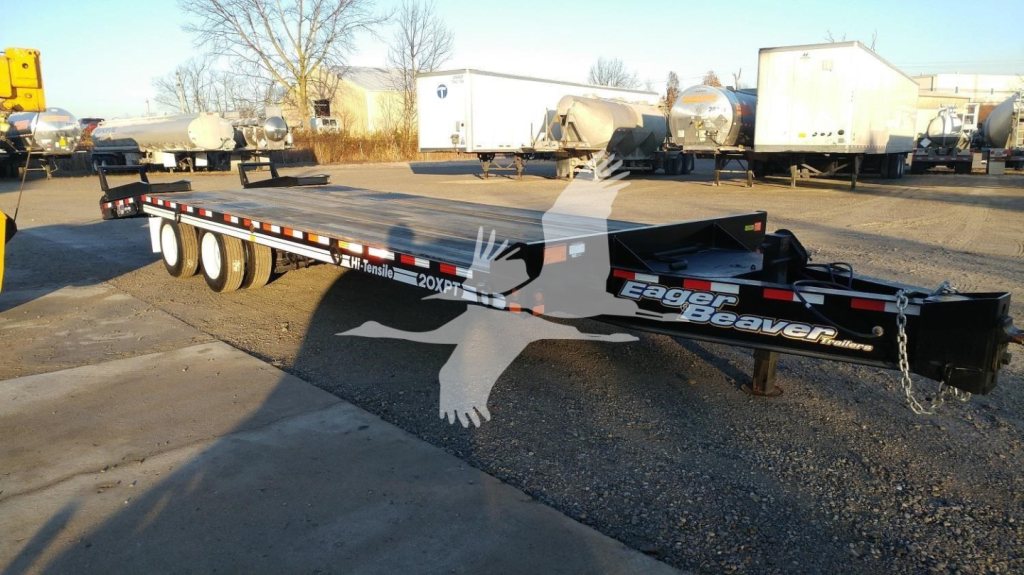
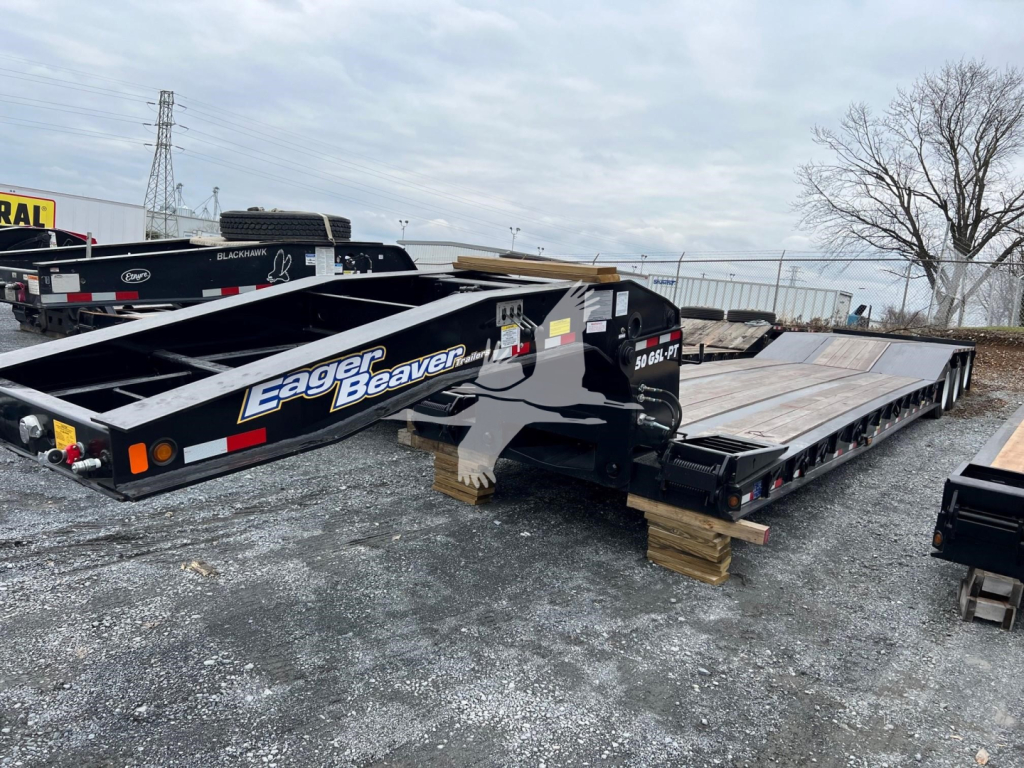
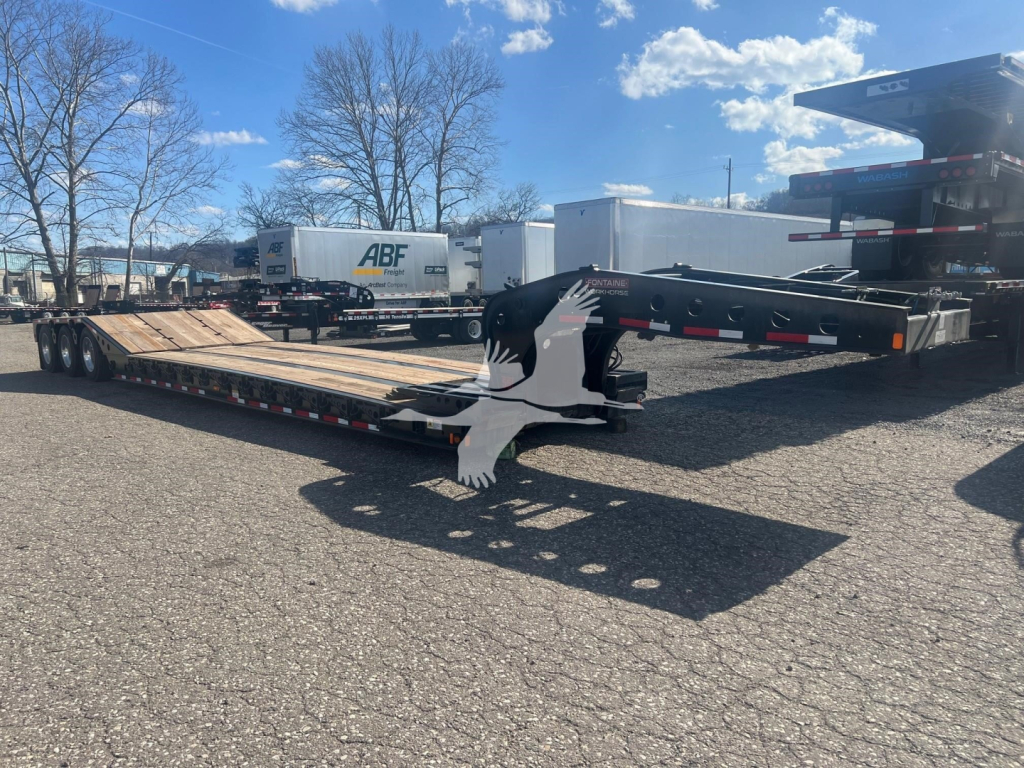
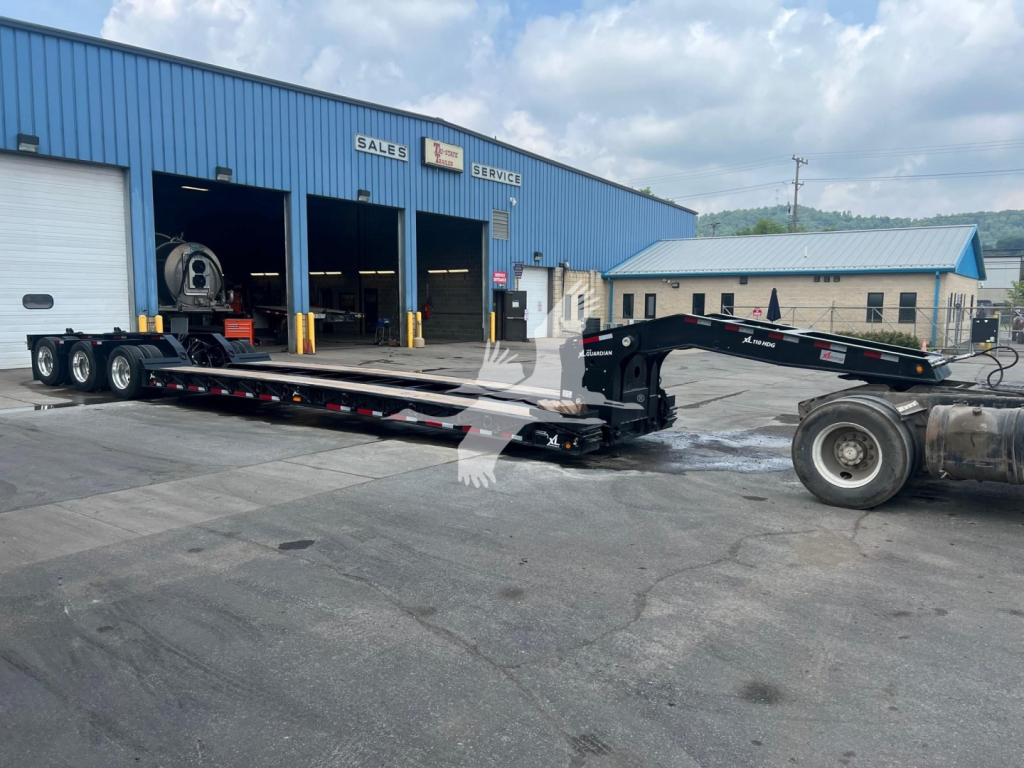
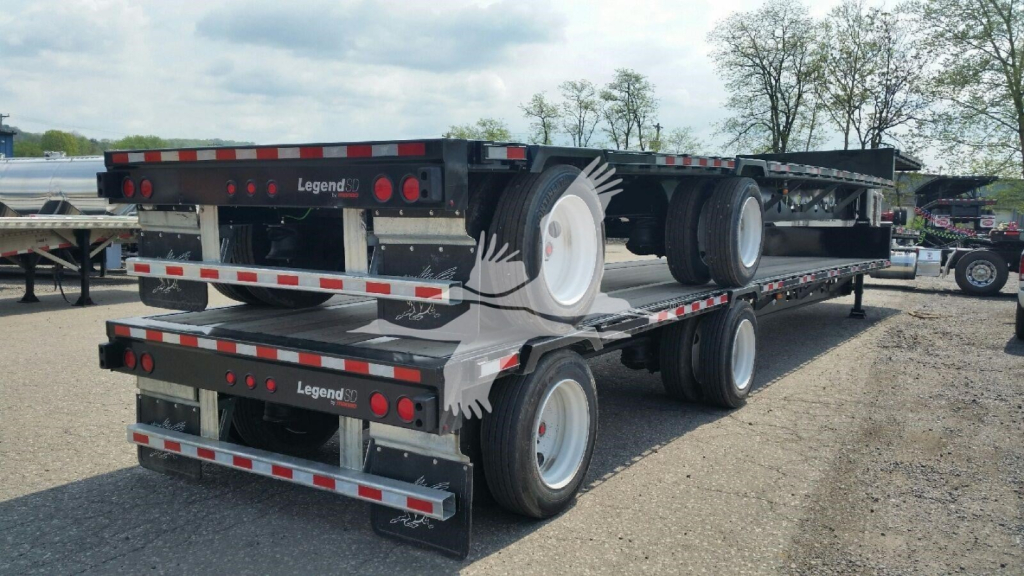
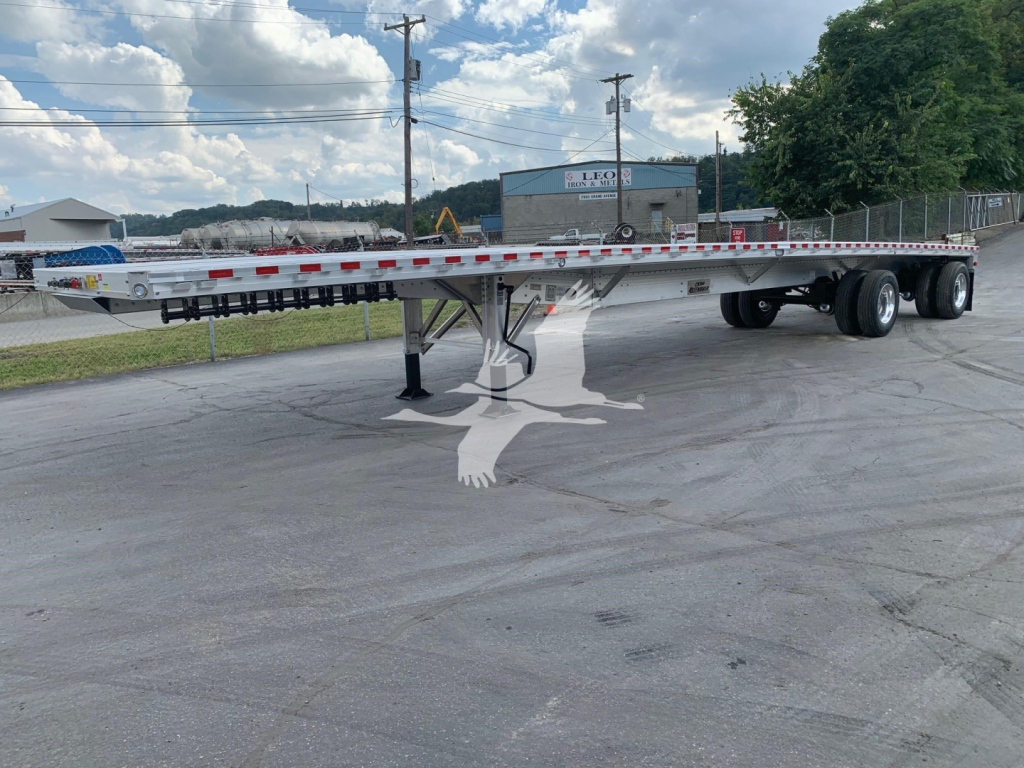
Showing 25 to 37 of 37 results
Have 2026 trailer to sell? List it here to reach thousands of buyers.
2026 Trailers in Pennsylvania
For dry van buyers, the practical decisions usually come down to swing doors versus roll doors, interior durability, and suspension. Air ride remains the preferred setup for many general freight applications because it helps protect palletized cargo and reduces shock on sensitive loads. Common van features include wood floors, plate or composite sidewall construction, aluminum roofs, scuff liners, threshold plates, and logistics posts. A 53-foot van with a 102-inch width is the benchmark size for fleet freight, and sliding tandems help operators stay legal on bridge laws and adapt to shipper weight distribution. If the trailer will spend time in dense urban freight or multiple-stop work, door hardware, floor condition, and rear frame integrity deserve close attention.
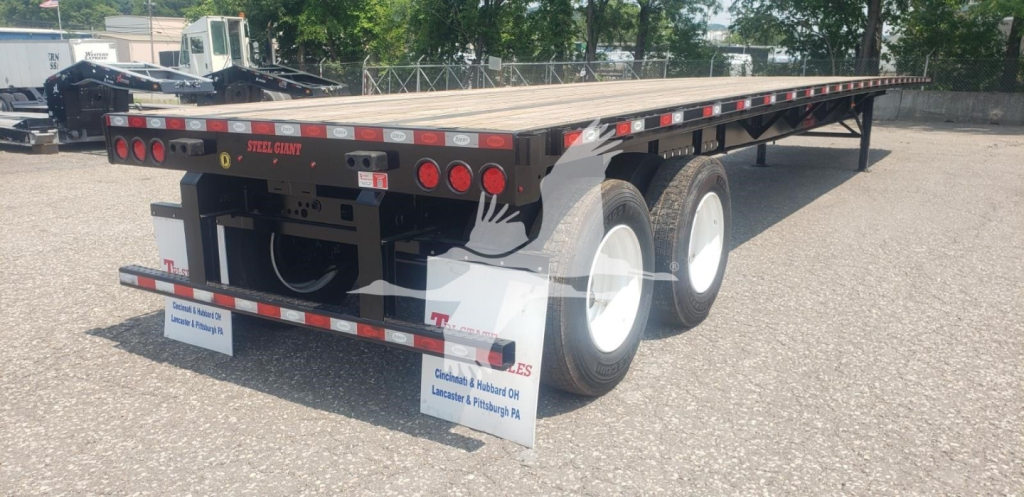
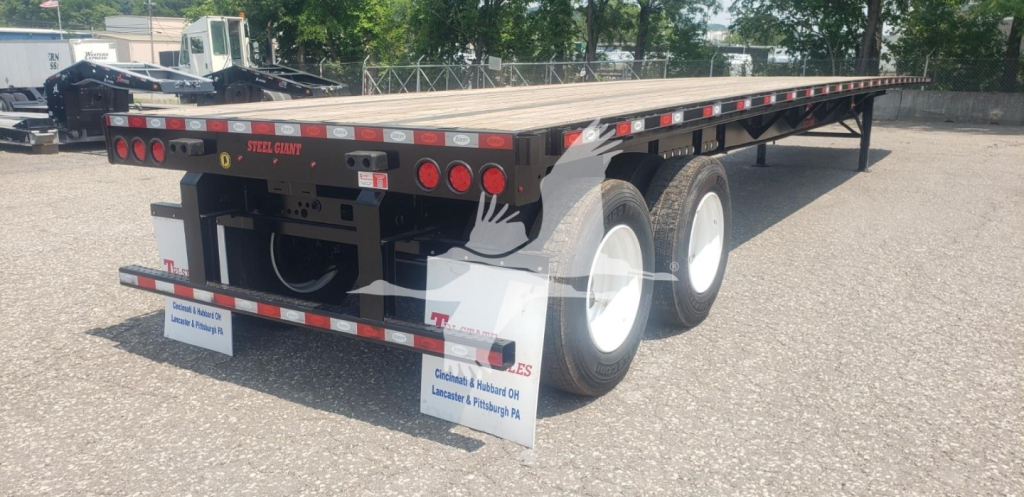
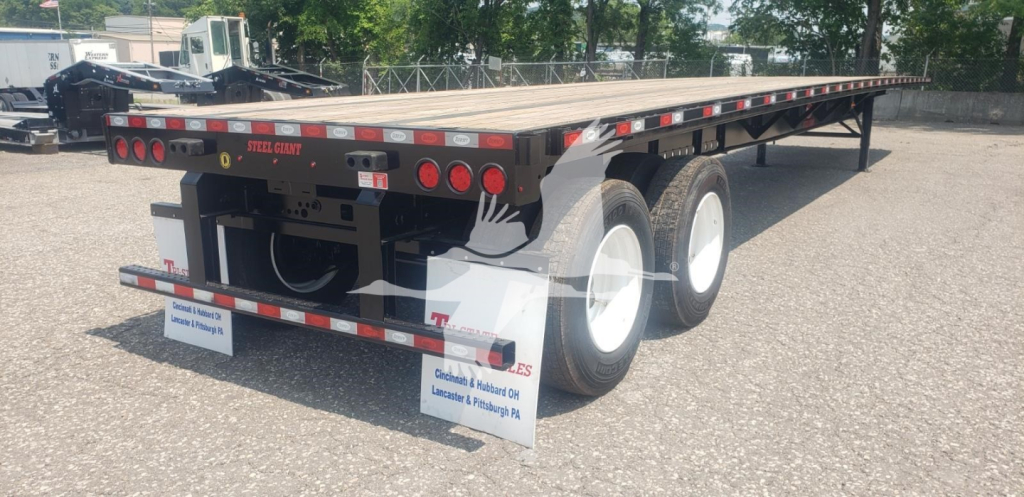
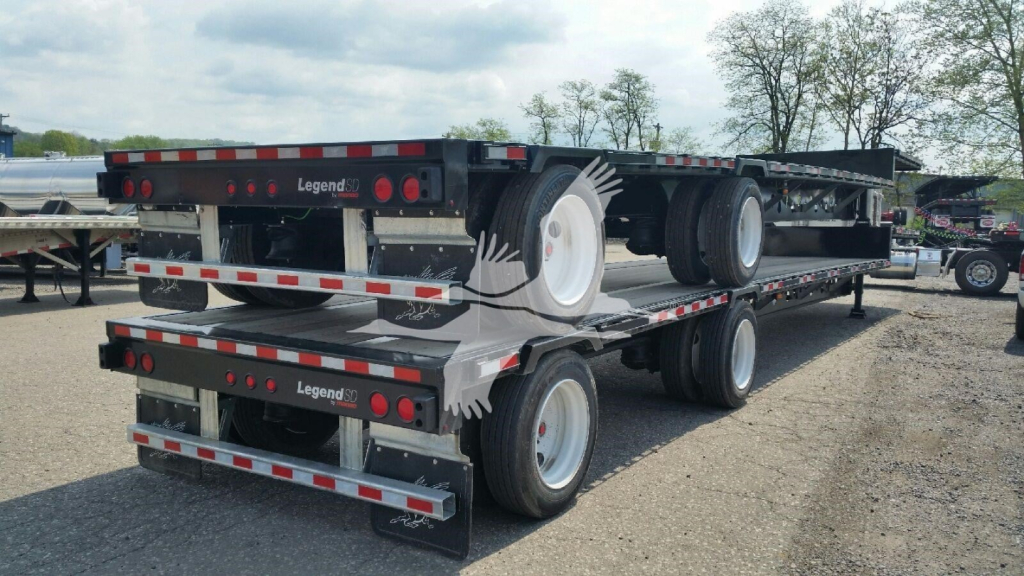
For flatbed buyers, the biggest spec differences are material, floor type, suspension, and securement package. Steel and aluminum flatbeds each have a place, with aluminum often selected to maximize payload and steel often selected for ruggedness and lower repair complexity. Apitong flooring remains a common benchmark because it holds up well under concentrated forklift traffic and chained freight. Many buyers look for winch tracks, sliding winches, stake pockets, pipe spools, coil package options, and crossmember spacing that fits heavier commodity work. Spring ride can still appeal for cost control and simplicity, but air ride is common where freight protection and ride quality matter. Kingpin setting, side rail construction, landing gear, and beam rating are all worth checking because they directly affect compatibility with your tractors and the type of loads you can legally and safely haul.
Pennsylvania operations add a few real-world considerations. Buyers running through the Northeast often prioritize trailer specs that work well with mixed highway and city use, variable weather, and frequent dock or customer-site maneuvering. Corrosion resistance matters on equipment exposed to winter road treatment, and tire size, suspension condition, brake setup, and lighting should be reviewed with that environment in mind. A newer 2026 trailer can make sense for fleets focused on uptime, compliance, and a longer service cycle, but the right choice still comes down to matching the trailer to the freight. A van built for general palletized freight and a flatbed built for steel, lumber, or machinery solve very different problems, and the best buying decision usually comes from starting with cargo profile, route demands, and legal weight targets.
Frequently Asked Questions about 2026 Trailers in Pennsylvania
What are the most common 2026 trailer types buyers compare in Pennsylvania?
The most common comparisons are between dry van trailers and flatbed trailers. Dry vans are used for palletized, boxed, and weather-sensitive freight, usually in a 53-foot by 102-inch configuration with tandem sliding axles. Flatbeds are commonly 48 feet by 102 inches and are used for steel, lumber, machinery, building products, and other open-deck freight that requires chains, straps, and edge protection. The better choice depends on cargo type, loading method, and whether weather exposure is acceptable.
Is air ride or spring ride better on a trailer?
Air ride is generally preferred when cargo protection, ride quality, and reduced vibration matter, especially for van freight and many higher-value flatbed loads. Spring ride is simpler and can cost less to maintain, which still makes it attractive for some flatbed and general-duty applications. The right suspension depends on the freight, the operating environment, and how much importance you place on ride quality versus mechanical simplicity.
What should I look for in a flatbed trailer spec?
Focus on deck length and width, aluminum versus steel construction, floor type, axle spread, suspension, and the securement package. Buyers should also review crossmember spacing, kingpin setting, beam rating, side rails, stake pockets, pipe spools, winch tracks, and whether the trailer includes a coil package. These details determine how well the trailer handles concentrated loads, how easy it is to secure freight, and how much payload capacity is available.
What features matter most on a dry van trailer?
The key dry van features are trailer length, tandem slider position, floor condition, door type, roof material, and interior protection components like scuff liners and logistics posts. Swing doors are common and durable for dock use, while the floor and rear frame condition are especially important on trailers that see heavy forklift traffic. Suspension type also matters, with air ride being a common choice for protecting freight and improving ride quality.
Why does axle configuration matter when buying a trailer?
Axle configuration affects legal weight distribution, bridge law compliance, turning characteristics, and how the trailer fits your freight lanes. Sliding tandems give operators flexibility to shift weight and meet state regulations, which is especially useful for dry vans and many standard flatbeds. Spread axles can improve load distribution and stability for some flatbed applications, but they may reduce maneuverability in tighter locations. Matching the axle setup to your routes and freight is just as important as choosing the trailer body style.