
2026 Drop Deck Trailers For Sale in Pennsylvania
Shop 2026 drop deck trailers for sale in Pennsylvania. Compare deck height, axle spread, weight, ramps, suspension, and load securement options.
Looking for the easiest place to sell your 2026 drop deck trailer? List it here to reach thousands of buyers.
2026 Drop Deck Trailers in Pennsylvania
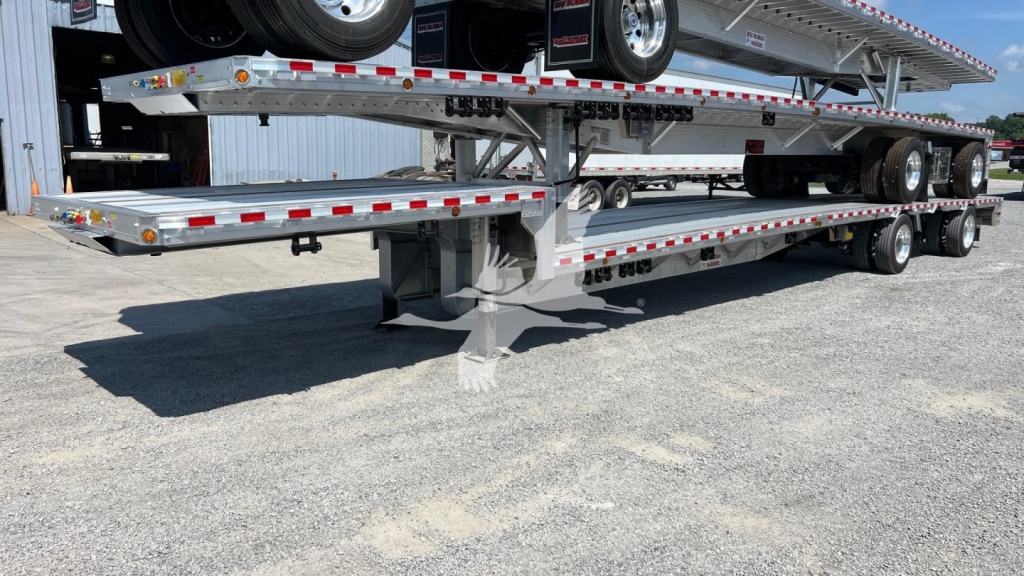
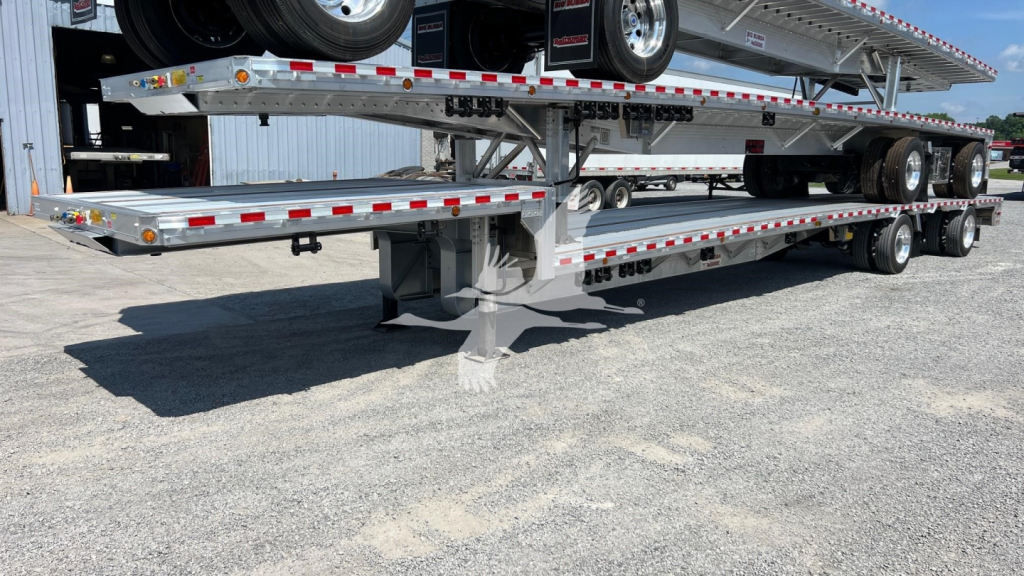
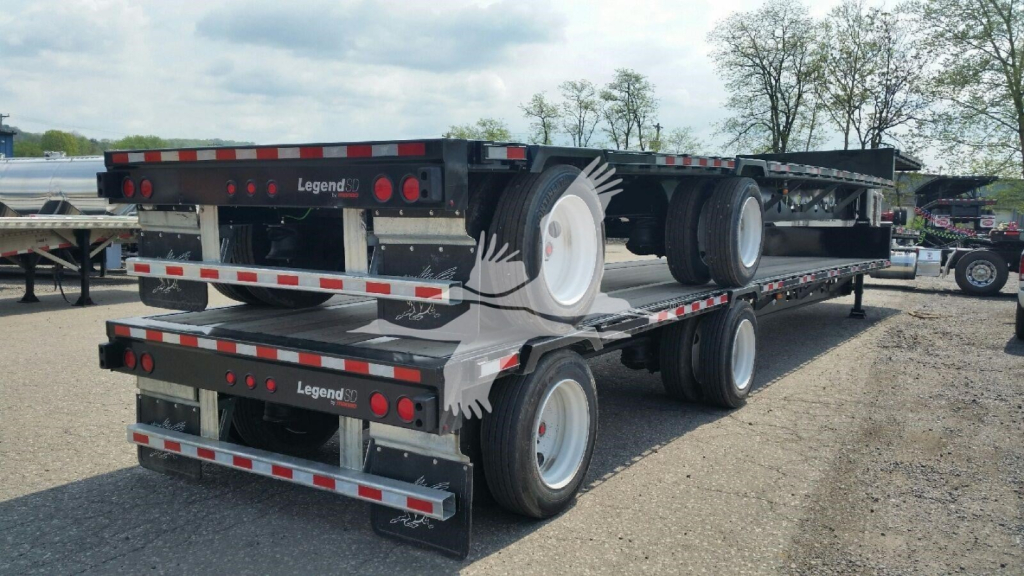
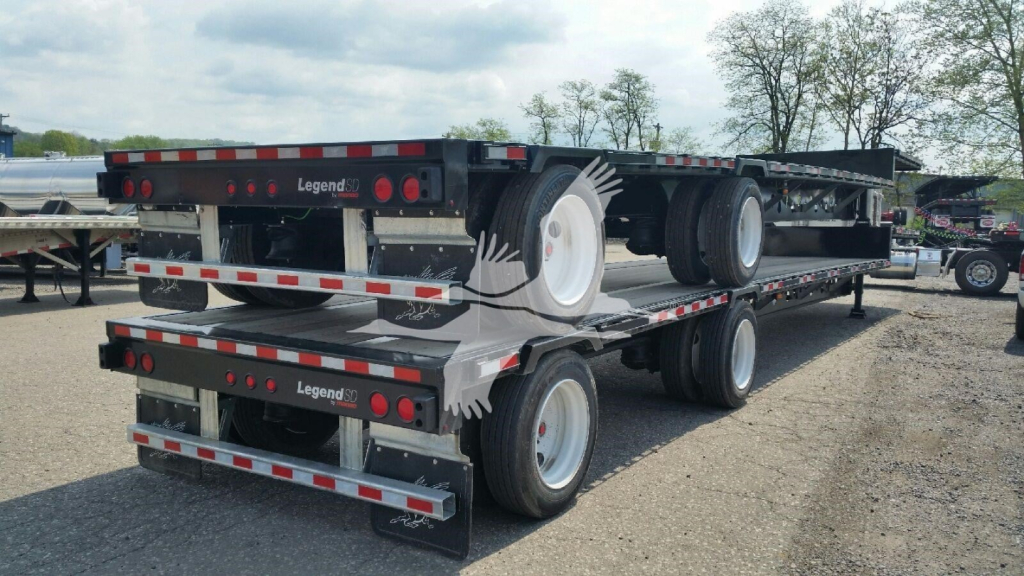
The first spec most buyers should sort out is deck layout. Many drop deck trailers run a 48-foot overall length with a top deck around 10 feet to 10 feet 6 inches and a main deck around 37 feet 6 inches to 38 feet, typically at 102-inch legal width. Main deck height is a major buying point because a few inches can determine whether a load stays legal without permits. Aluminum drop decks are popular when payload matters, often landing around the 9,000-pound range depending on build, while combo or steel-rich designs can trade tare weight for added durability in harsher service. Crossmember spacing, coil package reinforcement, bulkhead configuration, and floor design all deserve attention if the trailer will regularly handle concentrated freight like steel coils, equipment tracks, or forklifts.
Running gear and securement setup affect day-to-day productivity as much as deck dimensions. Tandem axle configurations with air ride suspension are common, and spread settings can matter for bridge compliance, ride quality, and state-by-state weight distribution. Buyers often look for Hendrickson suspension, dump valves, 255/70R22.5 tires, and a kingpin setting that matches their tractor wheelbase and turning needs. Winch tracks on both sides, sliding winches, double pipe spools, nailing strips, and multiple toolbox positions are practical features for mixed freight operations. Disc brakes, tire inflation systems, anti-roll stability systems, and quality landing gear can reduce downtime and improve control, especially on dense regional routes and frequent stop-and-go freight.
For 2026 models, the best value comes from matching the trailer to the freight mix instead of shopping by year alone. A lighter aluminum step deck makes sense for carriers chasing every pound of payload, while a reinforced drop deck with extra crossmembers, coil package, and robust side rails may be the better long-term choice for steel, machinery, and tougher loading conditions. Look closely at deck height, loaded ground clearance, ramp compatibility, securement points, suspension setting, and how the trailer will scale with your tractor and typical lanes. A well-spec'd drop deck trailer can cover a wide range of legal-height over-dimensional edge cases without giving up the flexibility that makes open-deck freight profitable.
Frequently Asked Questions about 2026 Drop Deck Trailers in Pennsylvania
What is the difference between a drop deck trailer and a flatbed trailer?
A drop deck trailer has two deck levels, a raised upper deck over the tractor clearance area and a lower main deck behind it. That lower deck gives more legal loading height than a standard flatbed, which is why step decks are commonly used for taller machinery, crated freight, and equipment that would exceed legal height on a flatbed. A flatbed is still simpler for some freight, but a drop deck expands the range of loads you can move without stepping up to a specialized lowboy.
What length and deck dimensions are common on a drop deck trailer?
A common setup is 48 feet overall length and 102 inches in width, with an upper deck around 10 feet to 10 feet 6 inches and a lower deck around 37 feet 6 inches to 38 feet. Exact dimensions vary by manufacturer and spec package. Buyers should verify main deck height, upper deck length, axle placement, and loaded ride height because those measurements directly affect legal height, weight distribution, and how well the trailer handles specific freight.
Are aluminum drop deck trailers better than steel or combo trailers?
Aluminum drop deck trailers are favored for lighter tare weight and higher payload potential, which can make a measurable difference on revenue loads. Steel or combo construction can offer more impact resistance and durability in severe-duty applications, especially where forklifts, concentrated loads, or rough loading conditions are common. The better choice depends on freight type, loading practices, and how important payload is compared with long-term structural toughness.
What features matter most on a 2026 drop deck trailer for open-deck freight?
The most important features usually include deck height, crossmember spacing, floor construction, winch track placement, sliding winches, suspension type, axle spread, and kingpin setting. For harder service, buyers often want coil package reinforcement, nailing strips, pipe spools, quality landing gear, and durable side rails. Safety and maintenance upgrades such as disc brakes, tire inflation systems, and air ride suspension also add value because they can improve braking performance, reduce tire issues, and help protect sensitive cargo.
Is a drop deck trailer a good fit for Pennsylvania and Northeast hauling?
Yes, a drop deck trailer is often a strong fit for Pennsylvania and surrounding Northeast lanes because it gives extra legal height without moving into a more specialized trailer class. That helps with machinery, building products, steel, and industrial freight moving through tighter roads, older infrastructure, and dense shipping corridors. Buyers should still pay attention to axle spread, bridge law considerations, and overall weight distribution because regional routing can make those details more important than they are in longer western lanes.