
2026 Flatbed Trailers For Sale in Pennsylvania
Shop 2026 flatbed trailers in Pennsylvania. Compare aluminum and steel deck specs, axle setups, weight ratings, flooring, and tie-down options.
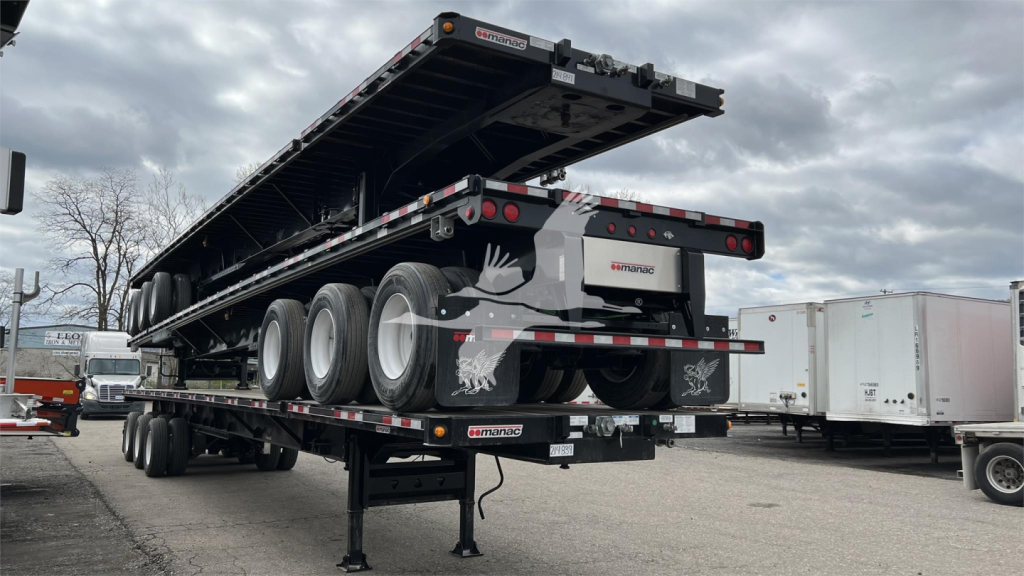
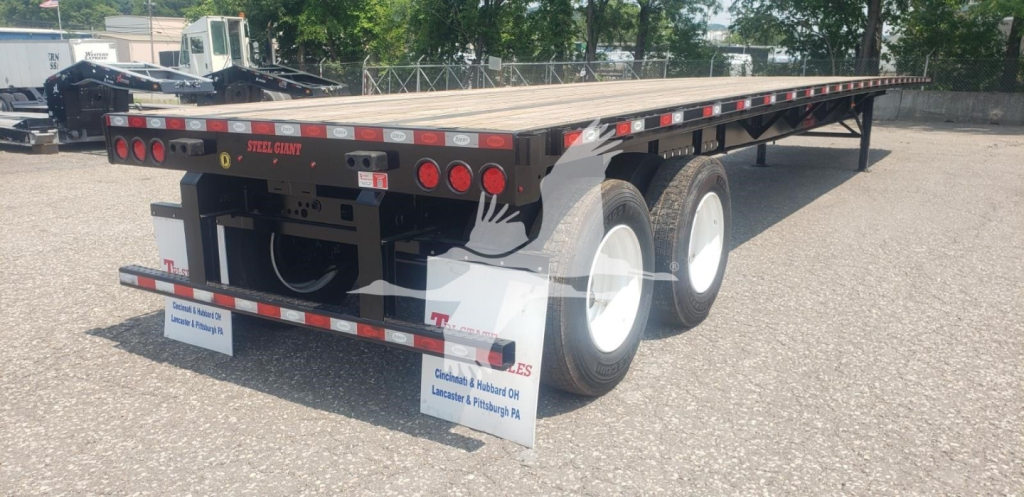
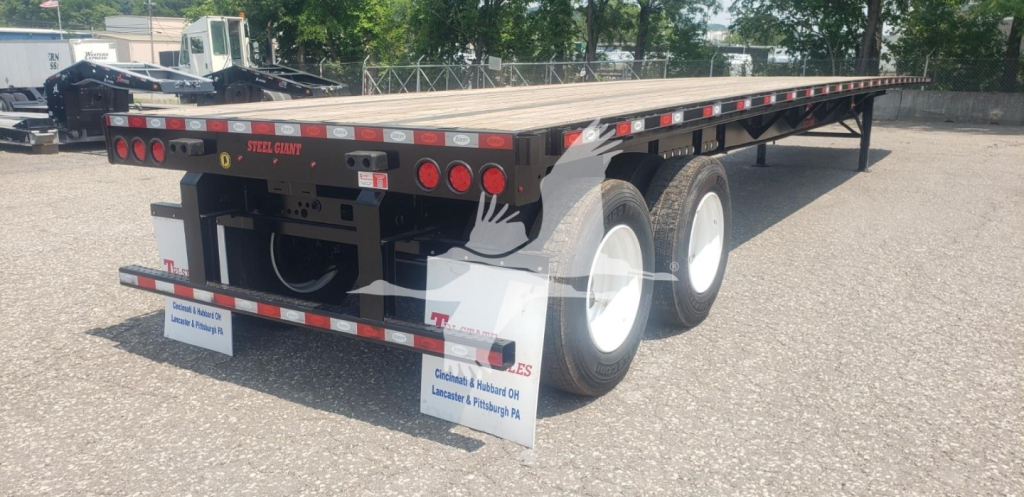
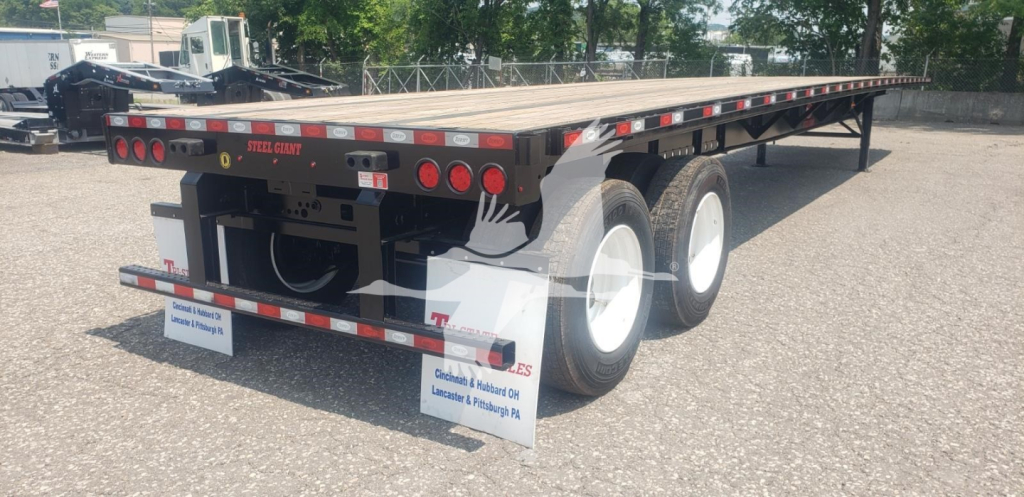
Looking for the easiest place to sell your 2026 flatbed trailer? List it here to reach thousands of buyers.
2026 Flatbed Trailers in Pennsylvania
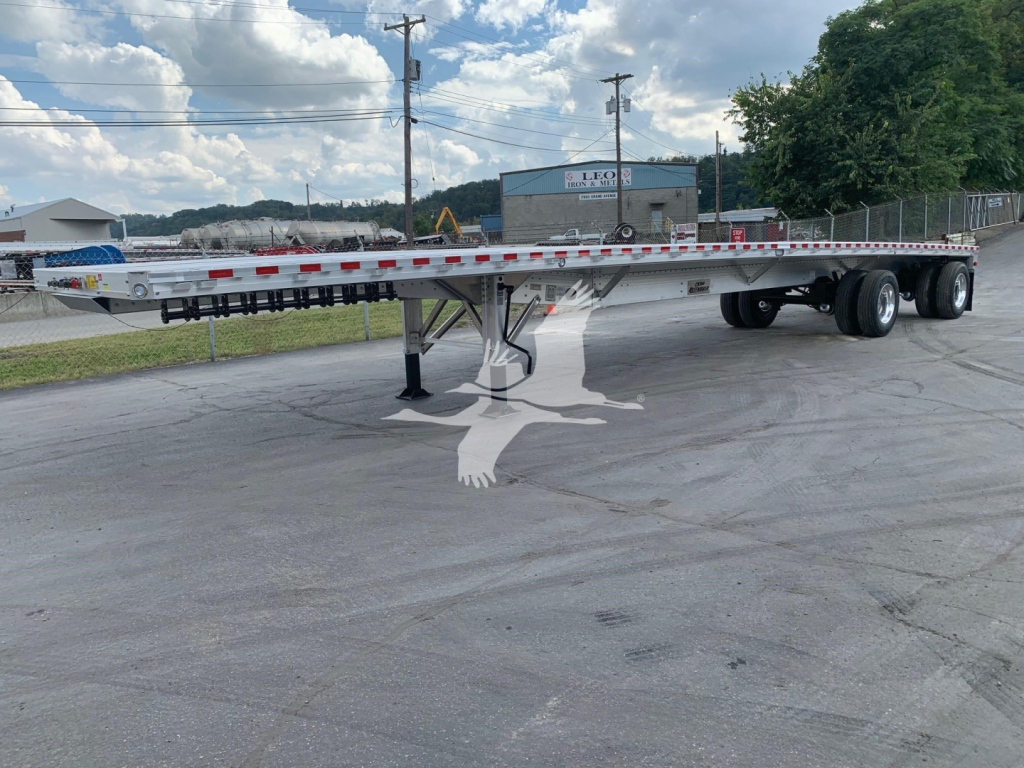
Aluminum flatbeds are popular when payload matters. A 53-foot aluminum trailer can come in around the 9,000 to 10,000 pound range depending on floor, coil package, side rail design, and options, which leaves more legal payload compared with a comparable steel unit. Steel flatbeds typically weigh more but remain attractive for buyers who prioritize ruggedness, lower upfront cost, and heavy-duty structural confidence in severe service. Common deck lengths are 48 and 53 feet at 102 inches wide. Flooring usually comes down to aluminum planks or 1 1/8-inch Apitong, with Apitong still favored by many fleets for durability, repairability, and traction under concentrated loads. Crossmember spacing, often 12-inch or 15-inch centers, matters if you regularly haul dense freight like coils, machinery, or building products.
Tie-down equipment should match the freight mix, not just the base trailer price. Full-length or roadside winch tracks, sliding winches, double pipe spools, and stake pockets are standard decision points. Buyers hauling steel products often look for coil packages, extra crossmembers, and clear posted load ratings such as 60,000 pounds in 10 feet or 70,000 pounds in 10 feet, depending on trailer design. Suspension choice is also important. Air ride remains the preferred setup for many operations because it helps protect cargo and improves ride quality, with common systems from Hendrickson and similar suppliers. Spread axles and sliding tandems each have advantages. Spread configurations can help with weight distribution and loading flexibility, while sliders can make dock approach, bridge law compliance, and state-by-state axle placement easier.
Other details separate a basic flatbed from one that fits the work. Check kingpin setting, landing gear spec, wheel material, tire size, dump valve configuration, and side rail construction. Buyers in Pennsylvania should also think about corrosion exposure from winter road treatment, especially when choosing aluminum versus painted steel components, hub and drum materials, and lighting harness protection. LED lighting, mud flap brackets placed behind the rear axle, pre-drilled toolbox locations, and dunnage rack provisions all make day-to-day use easier. A well-matched flatbed trailer is not just a deck and two axles. It is a weight, securement, and freight-handling tool that should be spec'd around the cargo, the route, and the loading method.
Frequently Asked Questions about 2026 Flatbed Trailers in Pennsylvania
What is the difference between an aluminum flatbed trailer and a steel flatbed trailer?
An aluminum flatbed trailer is typically lighter, which helps maximize payload and can improve operating efficiency on weight-sensitive loads. A steel flatbed trailer usually weighs more, but many buyers choose it for lower acquisition cost and durability in demanding applications. The right choice depends on freight density, annual miles, corrosion exposure, and whether payload or purchase price is the bigger priority.
What length flatbed trailer is most common for general freight?
The most common flatbed lengths are 48 feet and 53 feet, both usually built at 102 inches wide. A 48-foot flatbed remains common for general construction materials, steel, and regional freight, while a 53-foot flatbed can provide more deck space for lighter or longer commodities. Length should be matched to freight profile, legal route requirements, and loading patterns rather than chosen on deck space alone.
Why do flatbed buyers pay attention to crossmember spacing and coil packages?
Crossmember spacing affects deck support and how well the trailer handles concentrated cargo weight. Twelve-inch centers are common on heavy-duty specs because they provide stronger support for dense loads such as steel, machinery, and packaged materials. A coil package adds extra reinforcement and often extra crossmembers in the center section, which is important if the trailer will haul coils or other high-point-load freight.
Is air ride better than spring ride on a flatbed trailer?
Air ride is preferred by many fleets because it provides a smoother ride, helps protect cargo, and is widely accepted for higher-value or damage-sensitive freight. Spring ride can still be effective in certain applications, especially where simplicity and lower initial cost matter. The better suspension is the one that matches your freight, maintenance preferences, and expected road conditions.
What tie-down and securement features should a flatbed trailer have?
Most buyers look for a combination of stake pockets, winch track, sliding winches, pipe spools, and a floor that suits their cargo type. A roadside or full-length winch track with enough sliding winches supports flexible securement for lumber, steel, machinery, and palletized freight. If the trailer will haul coils or specialized construction materials, it is important to check for coil package reinforcement and deck ratings in specific concentrated-load zones.