
2026 Reitnouer Flatbed Trailers For Sale in Pennsylvania
Have 2026 reitnouer flatbed trailer to sell? List it here to reach thousands of buyers.
2026 Reitnouer Flatbed Trailers in Pennsylvania
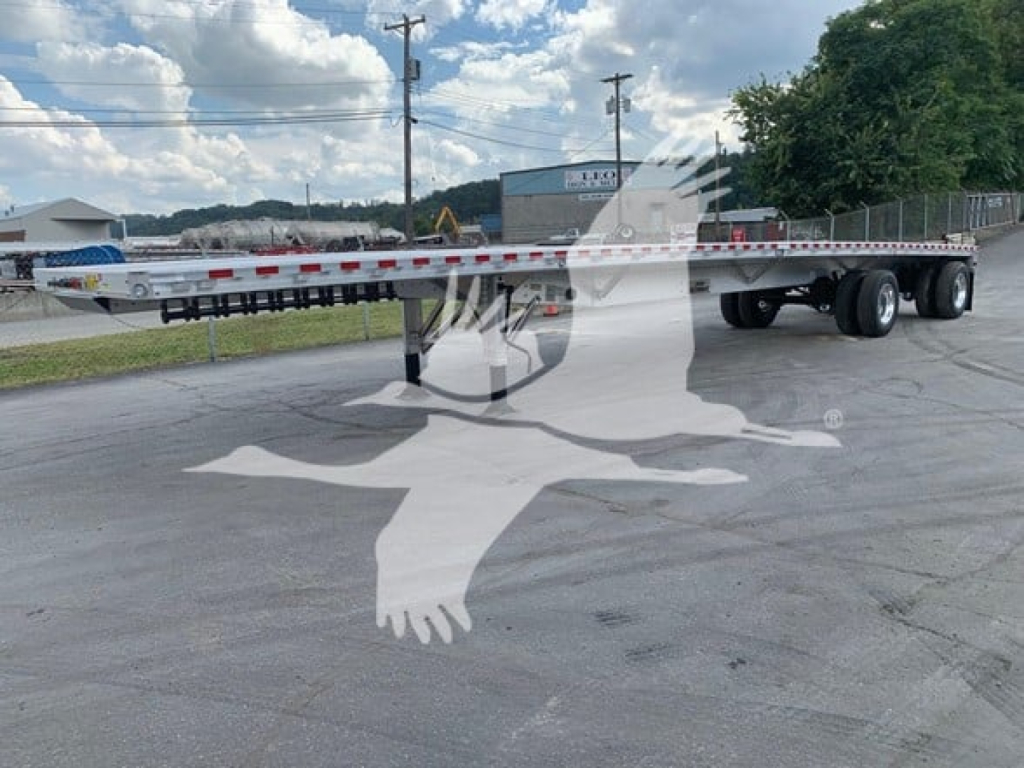
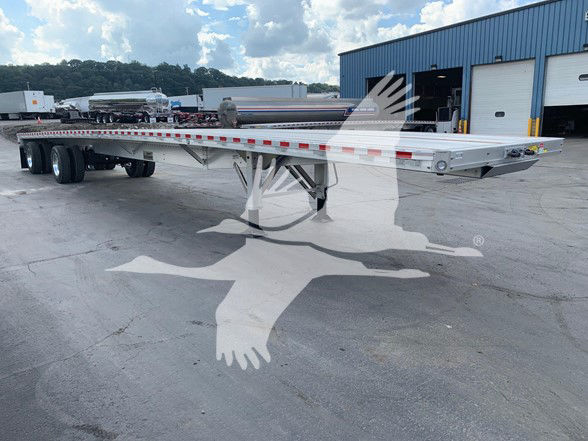
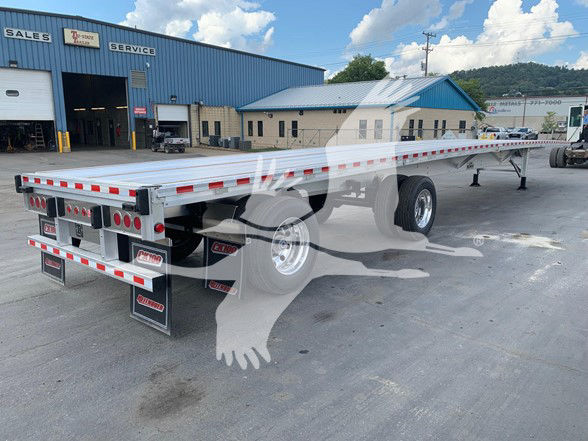
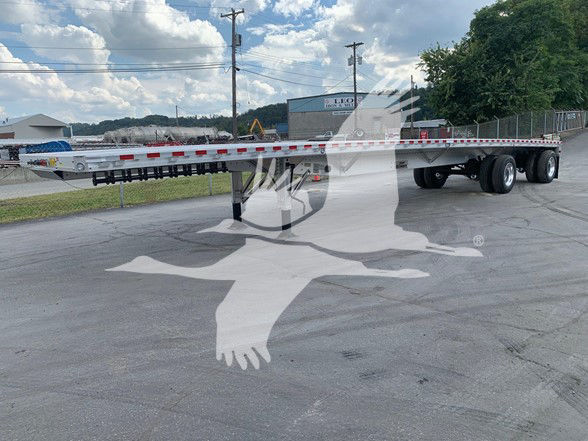
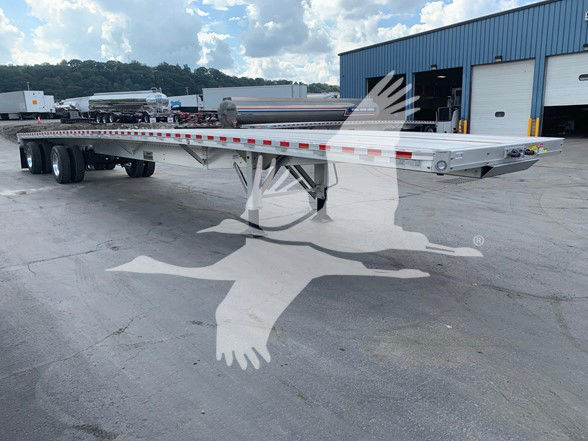
Deck specification drives real-world flexibility. Many Reitnouer flatbeds use an aluminum floor with Apitong nailer strips, aluminum side rails, and aluminum front and rear members to keep tare weight competitive. Buyers hauling steel, machinery, building products, pipe, or general freight should pay close attention to winch track layout, number of sliding winches, pipe spools, and whether a coil package is installed. A mini coil package with additional crossmembers is a common feature on heavier-duty open-deck work because it improves support in concentrated load areas. Crossmember centers such as 12-inch or 15-inch spacing also matter when comparing trailers for denser freight.
Suspension, brake, and undercarriage choices affect both tire life and daily operating costs. Air ride remains a popular choice for freight protection and ride quality, and spread settings influence bridge compliance and maneuverability. On newer-spec trailers, buyers often look for disc brakes, auto 4-bag dump valves, lift axle options, PSI tire inflation systems, aluminum wheels, and two-speed landing gear. Kingpin setting, usually around 30 inches on many Reitnouer flats, is another practical spec to verify for tractor clearance and weight distribution. Reduced-arch designs, hub and drum material, and rear bumper style can also influence maintenance preference and application fit.
For Pennsylvania buyers, road salt and year-round weather make aluminum construction especially attractive because it helps limit corrosion-related deterioration compared with heavier steel platforms. The right 2026 Reitnouer flatbed trailer depends on the freight mix more than the badge on the nose. A lighter deck may favor legal payload on routine building materials, while a tighter crossmember layout, full winch track, and coil package may be the better choice for steel service. Focus on weight rating in 4 feet and 10 feet, deck accessories, suspension spec, and axle spread before comparing cosmetic differences. That is where the real value in a flatbed trailer shows up over thousands of loaded miles.
Frequently Asked Questions about 2026 Reitnouer Flatbed Trailers in Pennsylvania
What makes a Reitnouer flatbed trailer popular with open-deck carriers?
Reitnouer flatbed trailers are well known for aluminum construction that helps reduce empty weight and improve payload capacity. That lower tare weight can be a real advantage for carriers hauling dense freight where every pound counts. Buyers also tend to like the brand's practical spec options, including air ride spreads, coil packages, winch track layouts, and aluminum components that hold up well in corrosive operating environments.
What specs should I check first on a 2026 Reitnouer flatbed trailer?
Start with trailer length, axle spacing, suspension type, and deck construction. After that, verify crossmember spacing, winch track configuration, number of sliding or fixed winches, pipe spool setup, and whether the trailer has a coil package. Weight ratings in 4-foot and 10-foot sections are critical if the trailer will handle concentrated loads such as steel coils or machinery. Kingpin setting, tire size, wheel material, and brake type are also important because they affect tractor compatibility, maintenance, and operating cost.
Is an aluminum flatbed trailer strong enough for heavy freight?
Yes, if the trailer is spec'd correctly for the application. Aluminum flatbeds are widely used for heavy and general commodity hauling, but buyers need to match the trailer's crossmember spacing, floor design, coil package, and published weight ratings to the freight being moved. A lighter trailer is not automatically the best trailer for every operation. Concentrated loads, repeated forklift traffic, and steel service usually call for closer attention to deck reinforcement and load distribution capability.
Why do many flatbed buyers prefer a spread-axle air ride setup?
A spread-axle flatbed with air ride is common because it balances load carrying, ride quality, and freight protection. Air ride helps cushion cargo and can reduce shock to the trailer structure, while a spread can help with bridge law positioning and weight distribution. The tradeoff is that spread-axle trailers are typically less forgiving in tight urban maneuvering and can increase tire scrub during hard turns. Buyers should match the axle layout to the lanes and loading conditions they run most often.
Are coil packages and winch tracks worth having on a flatbed trailer?
For many operations, yes. A coil package adds structural support in the deck area intended for concentrated steel coil loading, which can expand the trailer's usefulness for heavier freight. Winch tracks and sliding winches improve securement flexibility for mixed loads, construction materials, machinery, and irregular freight. Even if a trailer is not used for steel every day, these features can make it easier to adapt to different customers and reduce the need for workarounds at the load site.