
2026 Reitnouer Flatbed Trailers For Sale
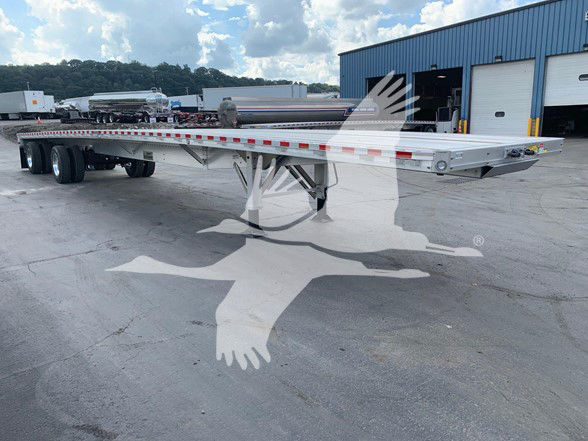
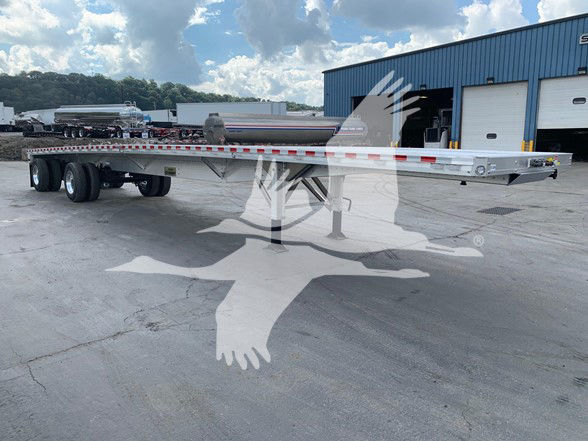
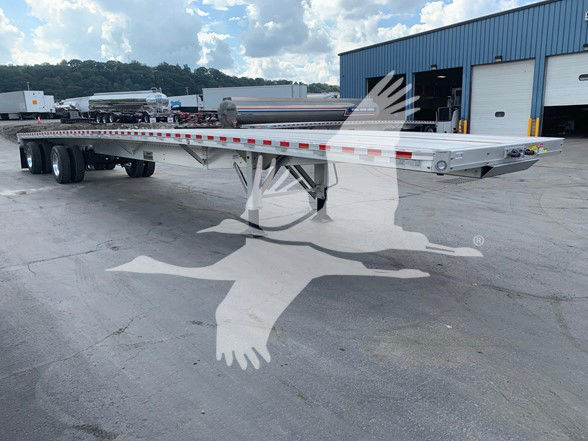
Have 2026 reitnouer flatbed trailer to sell? List it here to reach thousands of buyers.
2026 Reitnouer Flatbed Trailers
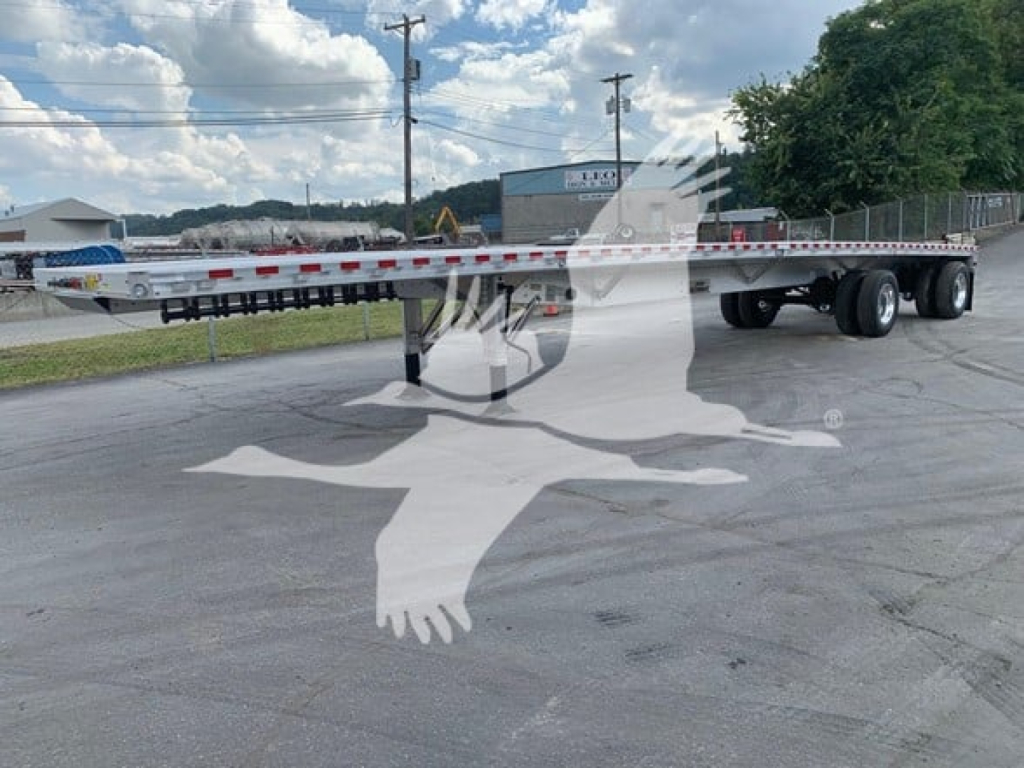
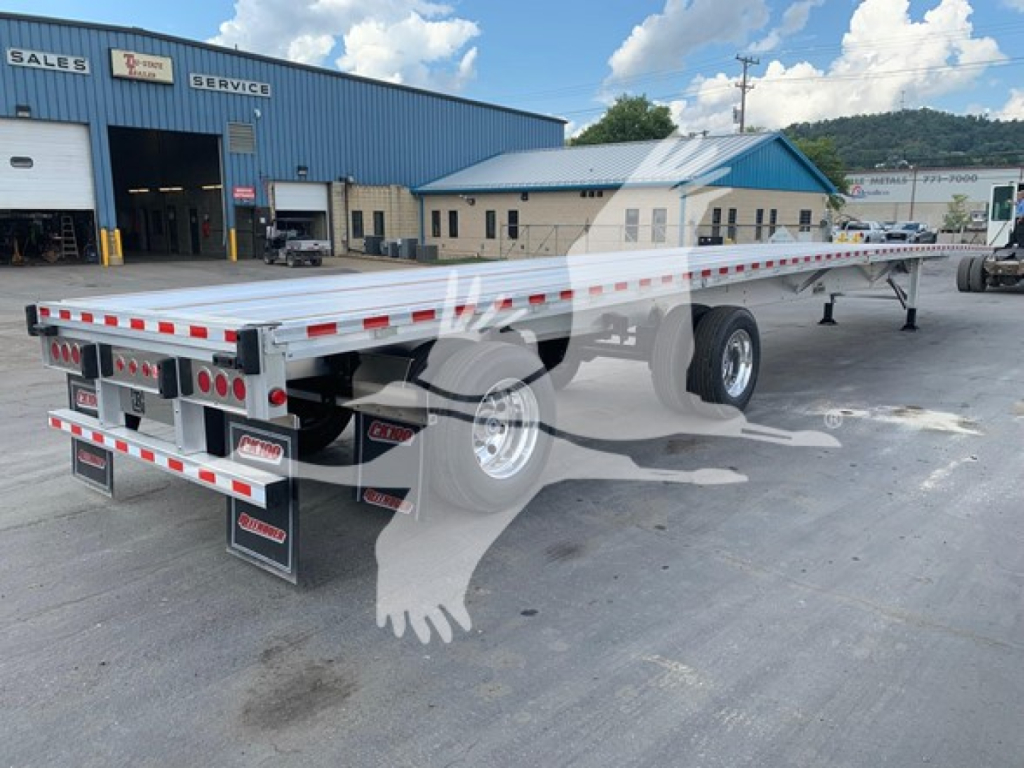
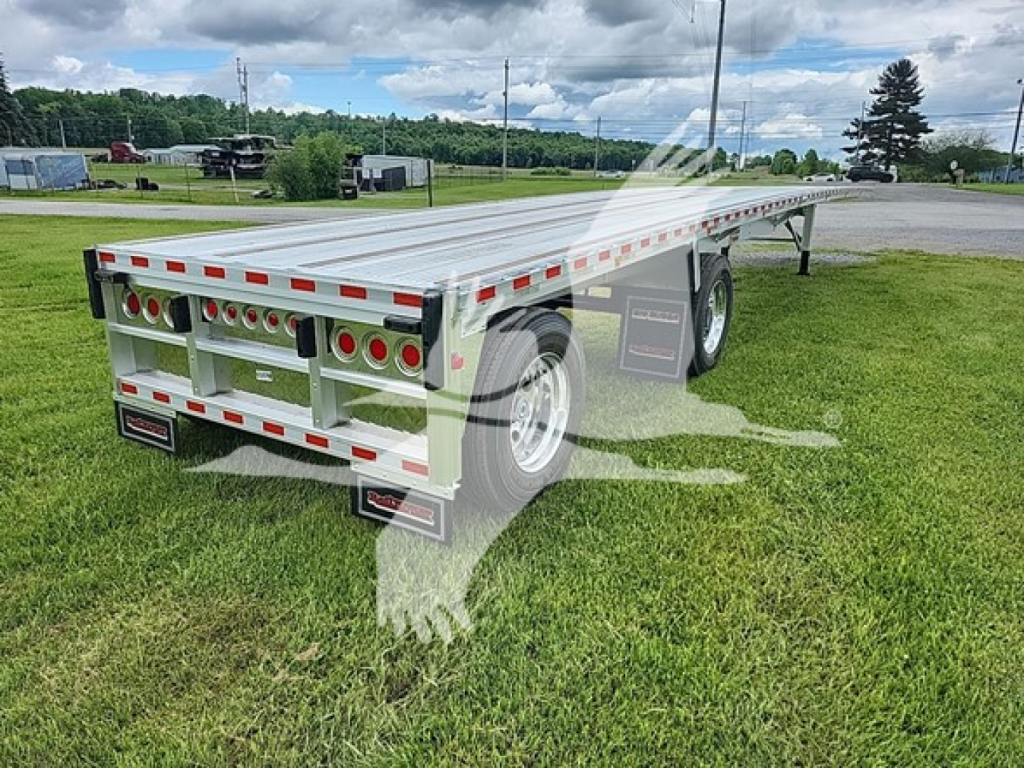
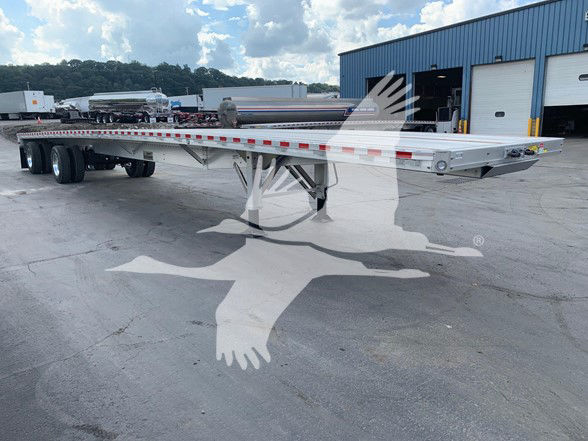
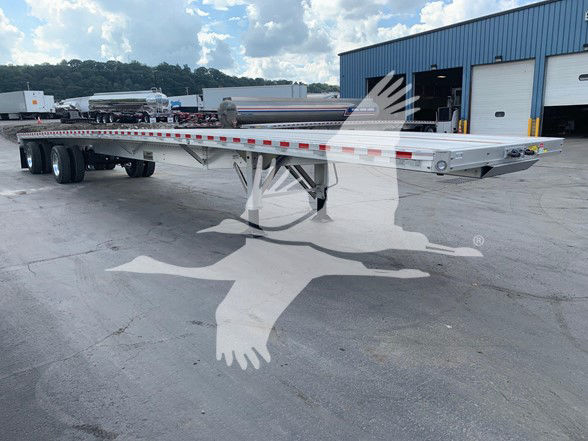
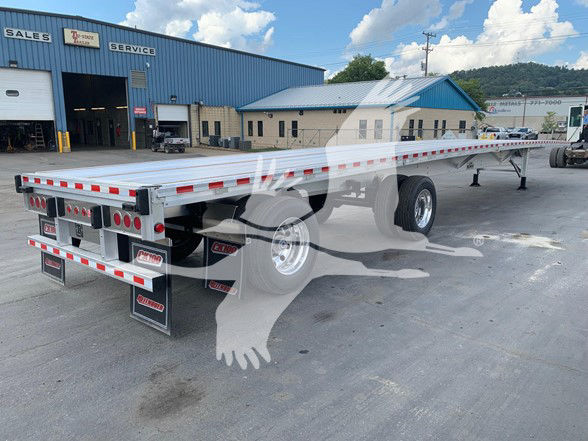
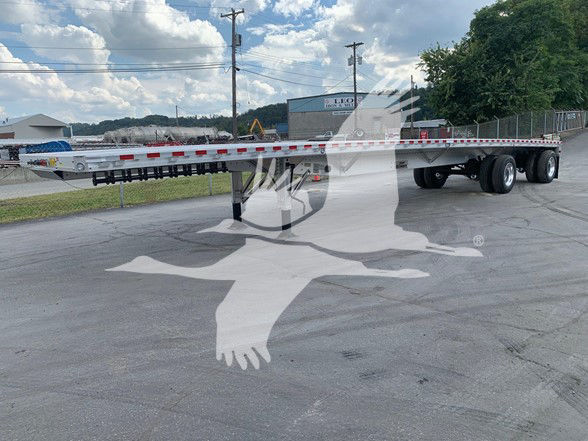
The first decisions usually come down to deck length, axle layout, and load securement package. The most common flatbed dimensions are 48 feet by 102 inches, though application and lane requirements should drive the final spec. Spread axle configurations are popular because they help distribute weight and can improve loading flexibility, but axle spacing has to match the states and bridge formulas you run most often. Buyers hauling concentrated freight should pay close attention to coil package options, including mini coil setups, reinforced deck sections, and proper securement points. Crossmember spacing, concentrated load ratings, and the layout of winches, sliding winches, and stake pockets are not small details on a flatbed. They directly affect how well the trailer handles real freight.
Reitnouer flatbeds are often selected for their aluminum frame and deck design, which helps reduce rust-related maintenance compared with heavier steel trailers. That does not eliminate inspection needs. Buyers should still evaluate floor condition, crossmember integrity, suspension type, brake spec, wheel-end setup, and signs of prior overload or deck damage. Air ride suspension is a common choice for ride quality and cargo protection, especially in steel, palletized freight, and higher-value loads. Other spec points worth comparing across listings include rear axle spread, kingpin setting, tire size, tire inflation systems, anti-lock brake configuration, dock level ride height, and whether the trailer is equipped for tarping systems or specialty securement equipment.
A flatbed trailer is only as useful as its fit for the freight you intend to move. If the work involves coils, dense steel, or machinery, concentrated load capacity and deck reinforcement should rank ahead of cosmetic condition. If the business is general building products or multi-stop open-deck freight, weight savings, ease of securement, and maintenance history may matter more. Reitnouer has a strong reputation in aluminum open-deck equipment, so the best buy is usually the trailer with the right axle spread, deck spec, and securement package for your lanes rather than simply the newest unit on paper.
Frequently Asked Questions about 2026 Reitnouer Flatbed Trailers
What makes a Reitnouer flatbed trailer different from other flatbeds?
Reitnouer is widely known for aluminum flatbed trailers designed to keep tare weight low while maintaining useful strength for open-deck freight. The main advantage is payload efficiency. A lighter trailer can allow more legal cargo weight, which is especially important for operators hauling dense commodities. Buyers also value aluminum construction for corrosion resistance and long-term appearance, but the real decision should still come down to crossmember design, concentrated load capability, axle layout, and how the trailer is equipped for the freight being hauled.
What size and axle configuration is most common on a flatbed trailer?
A 48-foot by 102-inch flatbed is one of the most common configurations in the market, and spread axle setups are frequently chosen for open-deck work. That said, the best configuration depends on freight type and operating region. Spread axles can improve weight distribution and loading flexibility, but they also affect bridge compliance, turning characteristics, and tire wear. Buyers should compare axle spacing, kingpin setting, and suspension spec against the states they run most often and the weight profile of their typical loads.
Is an aluminum flatbed strong enough for steel and concentrated loads?
An aluminum flatbed can be a strong and effective choice for steel and other heavy freight if it is properly spec'd for that application. The key is not just the material, but the trailer's engineering. Buyers should look at concentrated load ratings, crossmember spacing, deck reinforcement, coil package options, and the overall condition of the main structure. For steel coils or other dense freight, a mini coil package or similar reinforced setup is often more important than simply choosing aluminum versus steel.
What should I inspect first when comparing flatbed trailer listings?
Start with the structural and operating items that affect safety, payload, and uptime. Check the floor and crossmembers for damage, repairs, or sagging. Review suspension type, axle alignment, brake condition, wheel ends, tire wear, and signs of overload stress around high-load areas. Then evaluate the securement package, including stake pockets, winches, rub rail condition, and any specialty equipment such as coil wells or sliding winches. A flatbed that looks clean but has poor deck integrity or weak maintenance records can be more expensive to own than a trailer with honest cosmetic wear and solid structure.
Why does axle spacing matter on a flatbed trailer?
Axle spacing matters because it affects legal weight distribution, bridge compliance, maneuverability, and how easily the trailer handles different freight patterns. A common example is a spread axle setup around 10 feet 2 inches, which is often used to improve load distribution and help with heavier payloads. However, not every route or job benefits equally from the same spread. Buyers should consider state regulations, the length of their usual loads, loading dock conditions, and whether they need more flexibility for concentrated freight or easier maneuvering in tighter delivery environments.