
2026 Reitnouer Flatbed Trailers For Sale in Ohio
Have 2026 reitnouer flatbed trailer to sell? List it here to reach thousands of buyers.
2026 Reitnouer Flatbed Trailers in Ohio
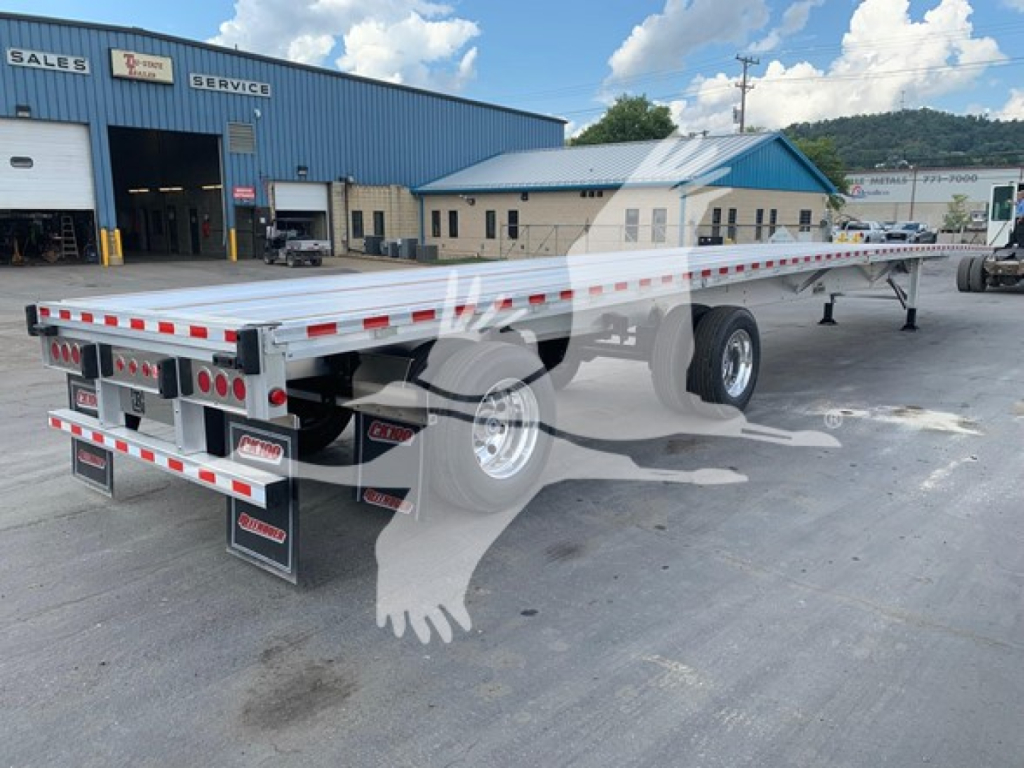
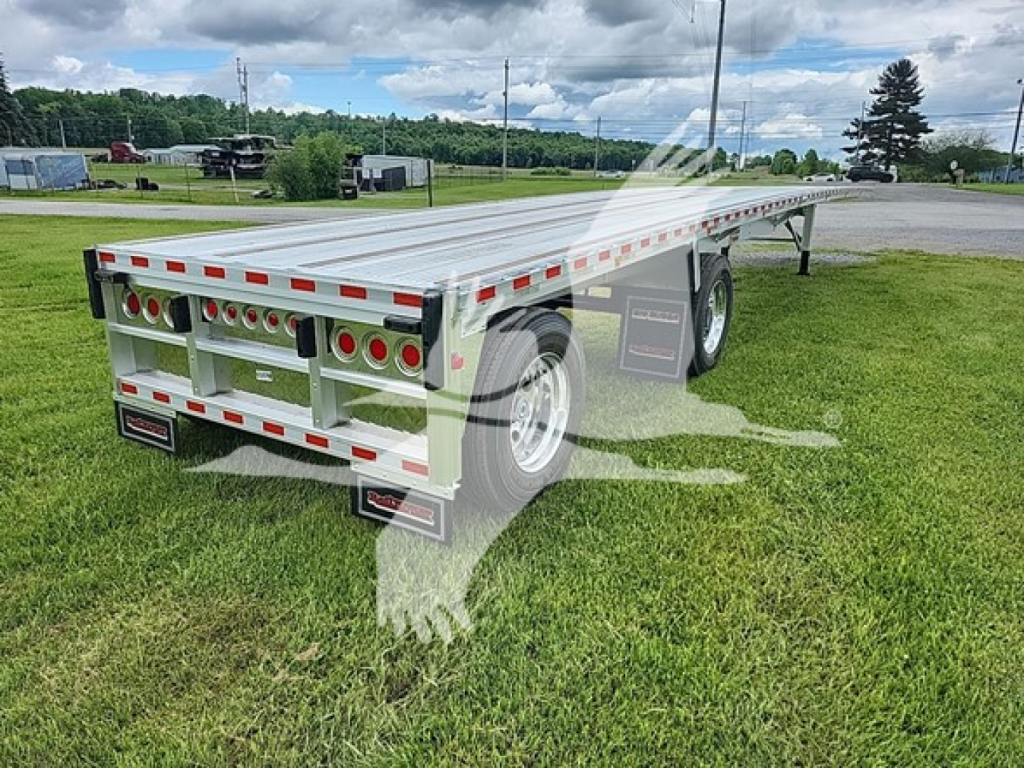
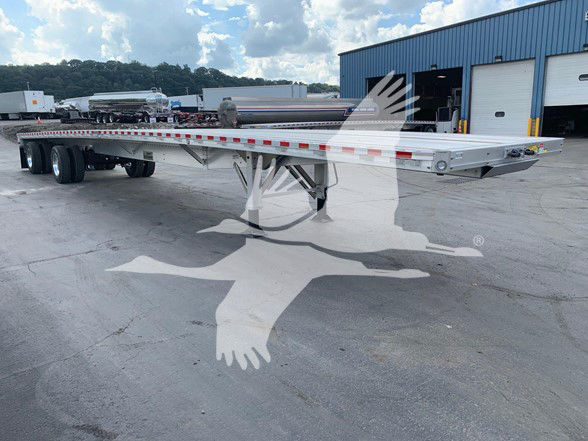
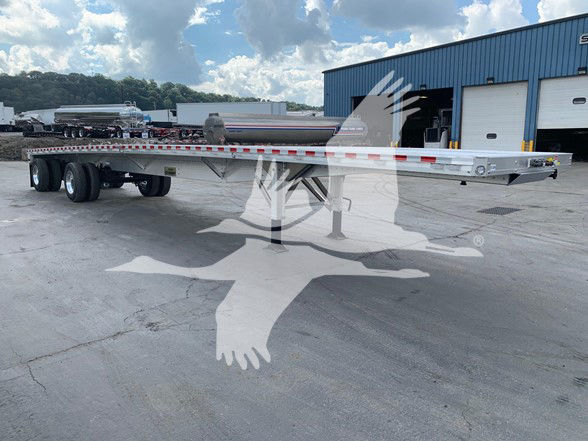
Common configurations include 48-foot and 53-foot by 102-inch aluminum flatbeds, typically on tandem axles with air ride suspension such as Hendrickson Intraax. Many Reitnouer trailers use 15-inch crossmember centers, a 30-inch kingpin setting, and aluminum wheels or mixed aluminum-steel wheel setups depending on the intended duty cycle. Weight-conscious operators often look closely at models like the MaxMiser and CK-100 because Reitnouer trailers are designed to deliver strong distributed load ratings while keeping tare weight competitive. Features frequently seen in this class include full-length or roadside winch tracks, sliding winches, pipe spools, apitong nailing strips, mini coil packages with extra crossmembers, Jost two-speed landing gear, and LED lighting.
The best spec depends on the freight mix. A lightweight all-aluminum deck can make sense for operations chasing every extra pound of legal payload. A coil package is important if the trailer will regularly handle concentrated steel coil weights. Suspension spread and slider settings matter if the trailer may run in California or other jurisdictions where bridge-law and axle spacing flexibility affect legal loading. Buyers should also pay attention to practical items that affect uptime, including disc or drum brake setup, tire inflation systems, dump valves, mud flap bracket placement, and whether the trailer is pre-drilled for toolboxes or dunnage racks. These are not cosmetic details. They directly affect maintenance access, load securement speed, and how cleanly a trailer fits into an existing fleet spec.
For Ohio operators, aluminum flatbeds are a strong fit for regional steel service, construction supply, machinery moves, and brokered general freight moving through the Midwest. Reitnouer flatbeds are also known as open-deck trailers or standard flatbed trailers, and they are often chosen by fleets that want a balance of payload capacity and resale value. When comparing listings, look beyond model name and year. Check the actual empty weight, axle and suspension rating, kingpin setting, winch layout, deck condition, and concentrated load rating in 4 feet and 10 feet. Those numbers tell you much more about how the trailer will perform than a basic spec sheet headline.
Frequently Asked Questions about 2026 Reitnouer Flatbed Trailers in Ohio
What makes a Reitnouer flatbed trailer different from other flatbed trailers?
Reitnouer flatbed trailers are known primarily for aluminum construction and low tare weight. That matters because a lighter trailer can increase legal payload and improve revenue on weight-sensitive freight. Buyers also associate Reitnouer with strong distributed load ratings, practical open-deck specs, and options such as coil packages, winch tracks, pipe spools, and air ride suspensions that fit general freight and steel-hauling applications.
What size and configuration are most common on a 2026 Reitnouer flatbed?
The most common configurations in this category are 48-foot or 53-foot by 102-inch flatbeds on tandem axles. Many are equipped with air ride suspension, a 30-inch kingpin setting, and 15-inch crossmember spacing. Buyers will also commonly see aluminum floors, apitong nailing strips, sliding winches, and concentrated load ratings listed in both 4-foot and 10-foot sections because those details help determine load versatility.
Is an aluminum flatbed trailer a good choice for heavy-duty freight?
Yes, as long as the trailer is matched to the freight. Aluminum flatbeds are widely used for demanding applications, but buyers need to verify the trailer's concentrated load rating, coil package spec, crossmember spacing, and axle rating. A lightweight aluminum trailer is excellent for maximizing payload, but frequent hauling of dense steel or concentrated machinery loads requires the right reinforcement and securement setup.
Why do coil packages and winch track layouts matter on a flatbed trailer?
A coil package adds extra crossmember support in the load area and is important when hauling steel coil or other concentrated freight. Winch track layout affects how quickly and cleanly drivers can secure freight of different lengths and shapes. A full-length or no-break winch track can improve strap placement flexibility, while the number of sliding winches and the presence of pipe spools or nailing strips affect everyday load securement efficiency.
What should a buyer inspect first when comparing flatbed trailer listings?
Start with empty weight, deck length, axle and suspension rating, and the trailer's weight rating in 4 feet and 10 feet. Then verify the kingpin setting, crossmember spacing, brake type, tire and wheel spec, landing gear, and the exact tie-down equipment installed. On a used flatbed, deck wear, side rail condition, lighting, suspension condition, and evidence of hard concentrated loading should be reviewed closely because those items affect both safety and operating cost.